For more information about senior living options: (866) 208-4318
4.8 from 103 reviews
5 stars
97
4 stars
1
3 stars
0
2 stars
0
1 stars
5
Home Helpers and Direct Link Costs & Pricing
When evaluating the costs for Home Helpers and Direct Link compared to both Macomb County and the broader state of Michigan, it's evident that their pricing is quite competitive. For semi-private rooms, Home Helpers and Direct Link charge $2,700 per month, which is significantly lower than the county average of $3,232 and the state average of $3,191. This trend continues with private rooms where their rate of $3,000 also undercuts both Macomb County's rate of $3,567 and Michigan's state average of $3,675. Overall, these figures suggest that Home Helpers and Direct Link offer an appealing financial option for those seeking residential care services in this region.
Floor plans
Home Helpers and Direct Link
Macomb County
Michigan
Semi-Private
$2,700
$3,232
$3,189
Private
$3,000
$3,567
$3,674
Senior living communities with a similar price nearby
from +$500 / mo
Vicky's Place
5 from 25 reviews
$3,200 to $6,000 / month
24.6 miles away
from -$505 / mo
Simply Beautiful Adult Foster Care Homes
5 from 13 reviews
$2,195 to $4,100 / month
23.9 miles away
from +$300 / mo
Butternut Hill Senior Living
5 from 10 reviews
$3,000 to $4,000 / month
17.3 miles away
from -$100 / mo
Angelic Foster Care
4.9 from 16 reviews
$2,600 to $3,380 / month
17.1 miles away
from +$200 / mo
Metacare Inc
4.8 from 14 reviews
$2,900 to $3,300 / month
18.3 miles away
Overall Review of Home Helpers and Direct Link
common6 reviews mention this
Orientation and training feel thorough
Orientation and training are described as especially thorough and organized.
Several reviewers describe a strong orientation experience, calling it very thorough, organized, and informative. A few also mention additional skill-focused training and testing, along with confidence-building during onboarding. Overall, the training experience comes through as a consistent part of residents’ or families’ day-to-day support indirectly, via how prepared the caregivers feel.
common3 reviews mention this
Communication is a standout
Families mention reliable communication that helps the care process feel smoother.
Reviewers highlight clear, responsive communication from key office or staff contacts, often describing them as a resource for families. Several also say calls and explanations help reduce uncertainty, especially when coordinating care schedules or needs. In day-to-day terms, the reviews suggest families feel supported because questions get handled quickly and directly.
differentiator3 reviews mention this
Care plans adapt as needs change
Reviews describe care coordination that adjusts as care levels and schedules shift.
Some reviewers say Interim was able to provide coverage for the hours they needed, rather than forcing them to fit care into a fixed schedule. Others mention how the team responded as needs changed, including keeping adjustments minimal for a loved one with complex needs. Several reviews also describe support during transitions, including pre- and post-surgery scheduling.
caveat2 reviews mention this
Pricing and service control concerns
A small number of reviews raise concerns about fees and consistent service quality.
Not all experiences were smooth: one reviewer complains about a cancellation-related fee and says the home evaluation was not free. Another reviewer reports an issue with the sent caregivers, including a lack of experience and poor control of what was happening during the visit. Residents or families considering in-home support may want to ask about scheduling and fee details upfront and confirm expectations for caregiver experience.
How we summarize
Counts show how many written reviews mention each theme; a review can touch several themes, and only frequently mentioned themes are displayed.
Nearby Places of Interest
Restaurants
Wendy's (0.1 miles)
Art & Jakes Sports Grill Washington (0.5 miles)
Thee Office Pub & Cookery (1.2 miles)
Washington Grill (1.2 miles)
Bar Verona (4 miles)
Brown Iron Brewhouse Washington Township (4.7 miles)
When evaluating the costs for Home Helpers and Direct Link compared to both Macomb County and the broader state of Michigan, it's evident that their pricing is quite competitive. For semi-private rooms, Home Helpers and Direct Link charge $2,700 per month, which is significantly lower than the county average of $3,232 and the state average of $3,191. This trend continues with private rooms where their rate of $3,000 also undercuts both Macomb County's rate of $3,567 and Michigan's state average of $3,675. Overall, these figures suggest that Home Helpers and Direct Link offer an appealing financial option for those seeking residential care services in this region.
The article explores the complexities of using Social Security to finance long-term nursing home care in the U.S., detailing eligibility requirements and misconceptions, while emphasizing that these benefits often do not cover full costs and highlighting the need for strategic financial planning and professional guidance.
Pneumonia significantly affects older adults due to weakened immune systems and atypical symptoms that complicate diagnosis, necessitating early detection and tailored treatment. Risk factors include chronic diseases and cognitive impairments, with preventive measures like vaccinations and healthy lifestyles being crucial for reducing risk.
Palliative care enhances the quality of life for seriously ill patients by providing comprehensive support at home through a multidisciplinary team, addressing various needs and prioritizing comfort over curative treatments. While it offers personalized care and involves family in decision-making, challenges like caregiver stress and logistical issues persist, with growing demand prompting advancements in technology and healthcare policies to improve access.
Get PricingAsk A QuestionSchedule A TourContact Senior Advisor
By clicking submit, you agree to our Partner's Terms of Use. You
also consent to receive calls and texts, which may be autodialed, from our Partner. Your consent is not a condition to
using our Partner's service. Please visit our Partner's Privacy Policy for information about their privacy practices.

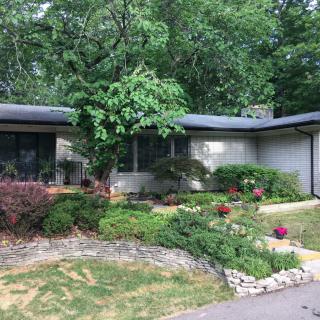

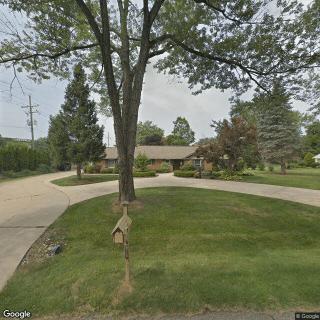
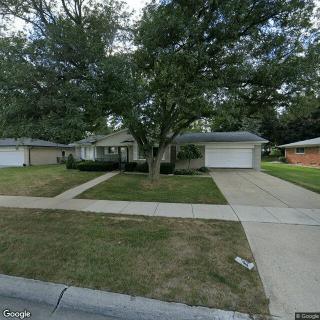


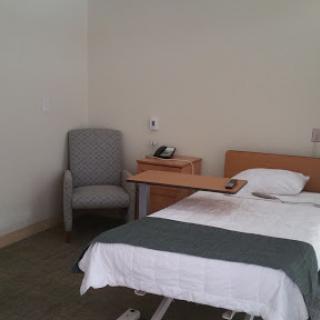
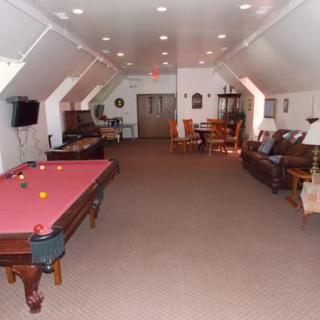
 Intimate 20-resident community with 24/7 supervision and diabetes care.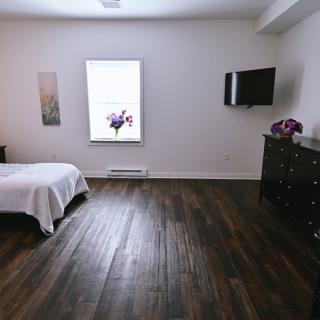



 Financing Long-Term Nursing Home Care Through Social Security: A Thorough Exploration
 Essential Knowledge on Pneumonia in Older Adults
 Exploring Palliative Care in the Home: A Comprehensive Overview