
45510 Kensington St, Utica, MI 48317
To contact a resident: (810) 739-7570
For more information about senior living options: (866) 208-4318
Overall Review of Village Square Co-Operative
Pros
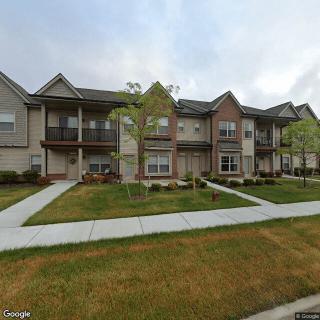
 It is a safe, beautiful, and affordable place to live.
- The management staff has improved significantly and is on top of everything.
- The staff is helpful and happy.
- The food is always great, thanks to a great chef and friendly staff.
- The schools are awesome, and it is close to main roads and various stores.
- There are year-round community activities.
Cons
 The management is unreasonably harsh and unhelpful toward residents.
- They enforce rules so strictly that residents are fined for minor issues and receive little assistance.
- Office staff are rude, yell at residents, and fail to resolve problems.
- Residents are advised to record conversations because the office staff cannot be trusted.
- The community gardens are no longer tended, driving away volunteers and letting maintenance lapse.
- There is trash everywhere with no public trash cans, indicating neglect.
- Groundskeeping confiscates personal items without notice and disposes of them.
- The mold problem is severe: units are moldy with leaks, and management brushes off complaints, causing displacement.
Review
This community is best suited for budget-conscious seniors who prize safety, a pleasant physical setting, and solid on-site dining, and who can tolerate a notably rigid, policy-forward environment. The strongest positives center on affordability paired with a visually appealing campus, a sense of stability from long-standing residents, and a reputation for good meals and approachable staff in certain shifts. It can feel like a welcoming home to those who want a straightforward, low-cost option with enough social life and activities to stay engaged. But this suitability rests on accepting a governance style that moves quickly from helpful to punitive, depending on the staff on duty and the interpretation of the rules.
Families considering alternatives should note that this community is less forgiving of deviations from policy and procedural norms than most peers. Prospective residents who rely on flexible problem-solving, rapid maintenance responses, or gracious conflict resolution will likely be frustrated. Those who require consistently clean, mold-free units, timely pest control, or proactive upkeep of common areas should treat this as a red flag area to inspect thoroughly. In short, anyone needing a stress-free, highly responsive management experience will want to explore other options and compare with facilities that emphasize resident rights, transparent communications, and predictable service levels.
Among the compelling positives, safety and affordability stand out as core strengths. The setting is described as beautiful and stable, with reports of improved management recently translating into more reliable attention to operations. Residents and family members note friendly, helpful staff in certain periods, and the dining program earns frequent praise for quality and flavor. The community also presents a social calendar and a range of activities that can help residents stay engaged, a meaningful feature for those who value ongoing opportunities to connect with neighbors. Proximity to major roads and stores adds practical convenience for caregivers and residents alike.
Yet the downsides are significant enough to shape the overall value proposition. The most repeated concerns regard management behavior and policy enforcement, harsh, sometimes accusatory interactions, and fines for everyday acts that strike many as petty or unnecessary. Reports of harassment, loud confrontations, and a heavy-handed approach to rule compliance create an uncomfortable living environment for residents who seek dignity and predictable treatment. The most troubling conduct centers on how issues are communicated and resolved, with several accounts of abrupt notices, last-minute penalties, and a sense that disputes are not handled with clear, fair processes. The friction of those experiences can overshadow the potential benefits of a low-cost, amenity-rich setting.
On the maintenance and environment front, substantial negatives reinforce the decision to scrutinize closely before moving in. Longstanding complaints about mold, water intrusion, and rodent-like pests point to serious health and safety risks that cannot be dismissed as minor inconveniences. When individual units are affected, displaced residents must contend with the disruption and the difficulty of obtaining timely remediation. Complaints about neglected grounds, trash spreading through common areas, and the retreat of previously cherished amenities like community gardens further hint at a broader neglect of upkeep. Taken together, these issues are not trivial inconveniences; they materially affect living quality and long-term well-being.
The balance between pros and cons ultimately depends on what a prospective resident prioritizes. If price sensitivity, a pleasant campus, and strong dining are at the top of the list, and if one can tolerate a sometimes punitive tone in enforcement, the positives can still outweigh the negatives, provided there is a clear, documented pathway for resolving issues and an expectation of incremental improvements. However, for households where health, safety, and consistent service are non-negotiable, the negatives substantially exceed the benefits. The risk of mold exposure, ongoing maintenance gaps, and a reputation for aggressive enforcement argue decisively for a careful, facility-by-facility comparison.
For families weighing a move here, practical due diligence cannot be skipped. Engage current residents to gauge current management behavior and responsiveness, request written summaries of offending policies, and seek a transparent grievance process so disputes can be resolved without fear of punitive penalties. Inspect multiple units for signs of moisture, mold, and ventilation issues, and verify recent maintenance records and pest control histories. Ask for up-to-date references from the management company and a clear outline of how community gardens and public spaces are funded and maintained. If the answers tilt toward rapid remediation, consistent communication, and a respectful environment, the option may be workable; if those assurances feel uncertain, it is prudent to compare with alternative communities that offer a warmer resident-rights stance and more predictable operations.
In the end, Village Square Co-Operative presents a pragmatic choice for families who can accept a management style that couples strong affordability with a challenge in governance and upkeep. It rewards those who prioritize cost and dining quality while accepting the caveat that recent experiences vary widely and sometimes sharply. For anyone with health sensitivities, or for caregivers who demand steady, respectful, proactive service, alternatives that emphasize transparent policies, predictable maintenance, and a more resident-centered approach should be actively pursued. The decision hinges on whether the value derived from cost and food can compensate for the risk of inconsistent upkeep, harsh enforcement, and potential health concerns.
 Board and Care Home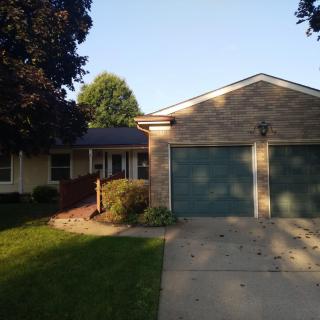





 Understanding the Full Cost of 24/7 In-Home Care: A Detailed Overview
 Exploring the World of Home Health Nurses: Qualifications, Roles, and Hiring Tips
 Navigating Medicare Coverage for In-Home Care Services