
1943 Marian Dr, Trenton, MI 48183
To contact a resident: (734) 676-6306
For more information about senior living options: (866) 208-4318
Southwicke Square Co-Op Costs & Pricing
At Southwicke Square Co-Op, the monthly cost for a private room is $4,070, which is notably higher than both the county average of $3,335 in Wayne County and the state average of $3,675 in Michigan. This premium pricing reflects the unique amenities and personalized care services that Southwicke Square offers, catering to residents who may prioritize a higher level of service or a more specialized living environment. While it sits above regional and state benchmarks, prospective residents might find that the investment aligns with their expectations for quality and comfort in senior living arrangements.
| Floor plans | Southwicke Square Co-Op | Wayne County | Michigan |
|---|---|---|---|
| Private | $4,070 | $3,335 | $3,674 |
Senior living communities with a similar price nearby
-
from +$630 / mo
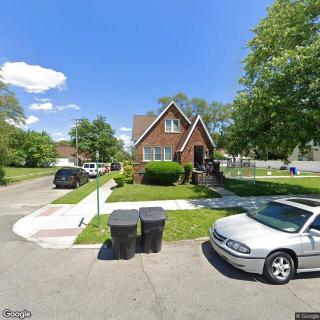
Pam's Carehome
$4,700 / month21.9 miles away -
from -$570 / mo
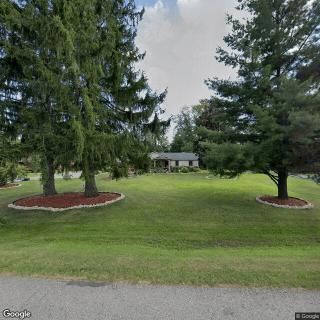
Briar Hill Assisted Living
$3,500 to $4,500 / month24.5 miles away -
from -$270 / mo
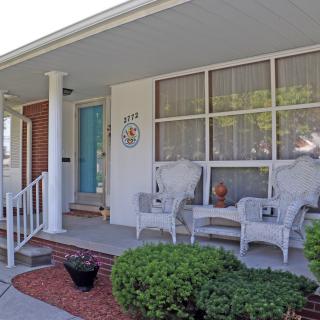
22nd Street Senior Care
$3,800 to $4,300 / month5.1 miles away -
About the same
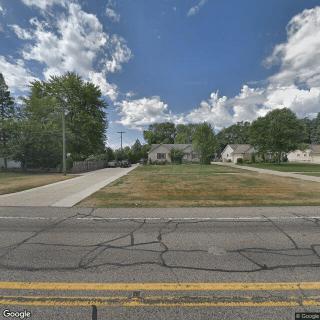
Grace Homecare
$4,000 to $4,500 / month19.0 miles away -
from +$180 / mo
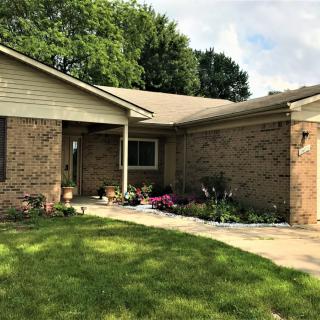
Aiello Adult Foster Care
$4,250 to $4,500 / month10.5 miles away
Overall Review of Southwicke Square Co-Op
Pros
 They definitely keep the property nice.
- The maintenance team is great.
- The office staff are very nice and will help with any issues.
- Everyone is kind and helpful.
- It is fantastic for residents to have a safe, happy, affordable home they are proud to call home.
- They really work with residents, which is great.
- They keep the landscaping in good condition and keep it clean in winter.
- There are lots of kids and supportive neighbors, a safe neighborhood, and fantastic schools.
- The place cares about its residents and keeps it looking nice.
Cons
 The management does not do their job unless begged, and when they do they can’t even clean up after themselves.
- Mary in the office should be more respectful toward people.
- If someone can’t be nice, they shouldn’t work with the public.
- Mary is rude and unprofessional, and has hung up when asked about availability.
- There are a lot of crack heads, heroin addicts, and Xanax heads in the complex who befriend each other and then turn on one another when supply is low.
- The complex is very noisy, and the residents do not show respect.
- Maintenance sucks: they don’t fix anything, only temporarily make it better until it breaks again.
Review
Southwicke Square Co-Op in Trenton, MI is best suited for budget-minded adults, particularly seniors or disabled residents, who want a clearly governed, neighborly community with visible maintenance support and a strong sense of safety. This is not a luxury option, but when the balance tips toward affordability, structured rules, and a maintained exterior, it can feel like a stable, reachable home. Families or individuals who can tolerate a higher level of governance and occasional friction with management will find value here, especially if proximity to schools, kids, and a busy, communal atmosphere matters.
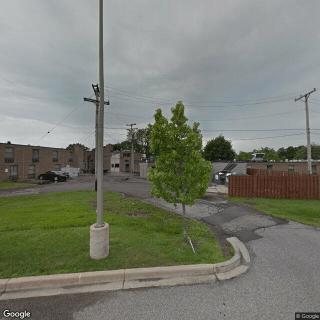
The strongest practical advantages are in upkeep and everyday reliability. Neighbors report well-kept grounds, good landscaping, and timely winter maintenance, with the property presenting itself as clean and respectable on arrival. Maintenance staff are frequently described as capable and responsive, and the office team is praised for helpfulness and problem-solving when issues arise. For residents who want a home they can be “proud of” and a property that looks cared for, these consistencies provide real comfort. The environment also tends to feel safe and welcoming, with a sense of community that comes with visible routines and common rules designed to keep things orderly.
Yet the corridor of strengths is clearly counterbalanced by significant governance and behavior issues. Several accounts describe management as slow, inconsistent, or difficult to engage with, including calls for basic courtesy and timely follow-through. Complaints about specific staff, especially one named Mary, underscore a pattern of perceived unprofessionalism that erodes trust. Privacy concerns loom large: multiple residents describe intrusive monitoring and occupancy enforcement that can feel punitive, including eviction pressure for seemingly minor infractions. Add in persistent noise from children and other residents, and the experience can feel more stressful than serene, especially for seniors seeking quiet evenings and predictable routines.
These operational downsides do not vanish when weighed against the positives; instead they tend to redefine value. The pros, clean grounds, reliable maintenance, safety, and affordability, offset only to a point. For residents who can tolerate heavy governance and occasional upheaval, the setting can still deliver a solid home with a strong sense of community. But for those who prize privacy, unobtrusive management, and consistently proactive service, the drawbacks are substantial enough to tip consideration toward alternatives. The reality is that the positives are real, but so are the constraints, and the overall balance shifts depending on personal tolerance for rules, supervision, and neighborhood dynamics.
Those evaluating options should consider alternatives if quiet, low-surveillance living is non-negotiable. Senior living communities with streamlined management, predictable maintenance responses, and fewer occupancy controls may offer greater peace of mind. Private rentals in the area, or other cooperatives with reputations for steadier customer service and clearer eviction policies, could be preferable for families seeking a more autonomous environment. If choosing to stay, it is prudent to tour at different times to gauge noise, speak with several residents about their day-to-day experiences, and drill into current maintenance response times and policy enforcement before making a commitment.
Bottom line: Southwicke Square Co-Op delivers value for those who prioritize affordability, a maintained property, and a visible, rule-driven community. It is less suitable for households that require privacy, consistent, courteous management, and a hands-off living experience. For decision-makers weighing assisted living alternatives, the community is a reasonable, budget-conscious option only if residents are prepared for active governance, potential friction with staff, and the reality of a lively, sometimes noisy, neighborhood. The right fit hinges on tolerance for governance and disruption versus the tangible benefits of upkeep, safety, and cost.
 Board and Care Home
 Private
 Detroit Metropolitan-Wayne County (10 miles away)


 Exploring Palliative Care in the Home: A Comprehensive Overview
 Comprehensive Insights into Palliative Home Care: What It Is and What to Expect
 Skilled Nursing Facilities vs. Nursing Homes: Making Sense of the Differences