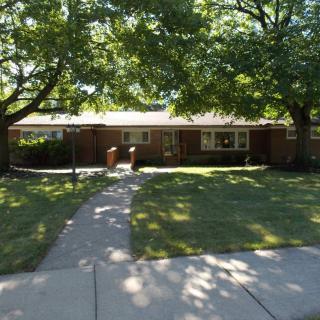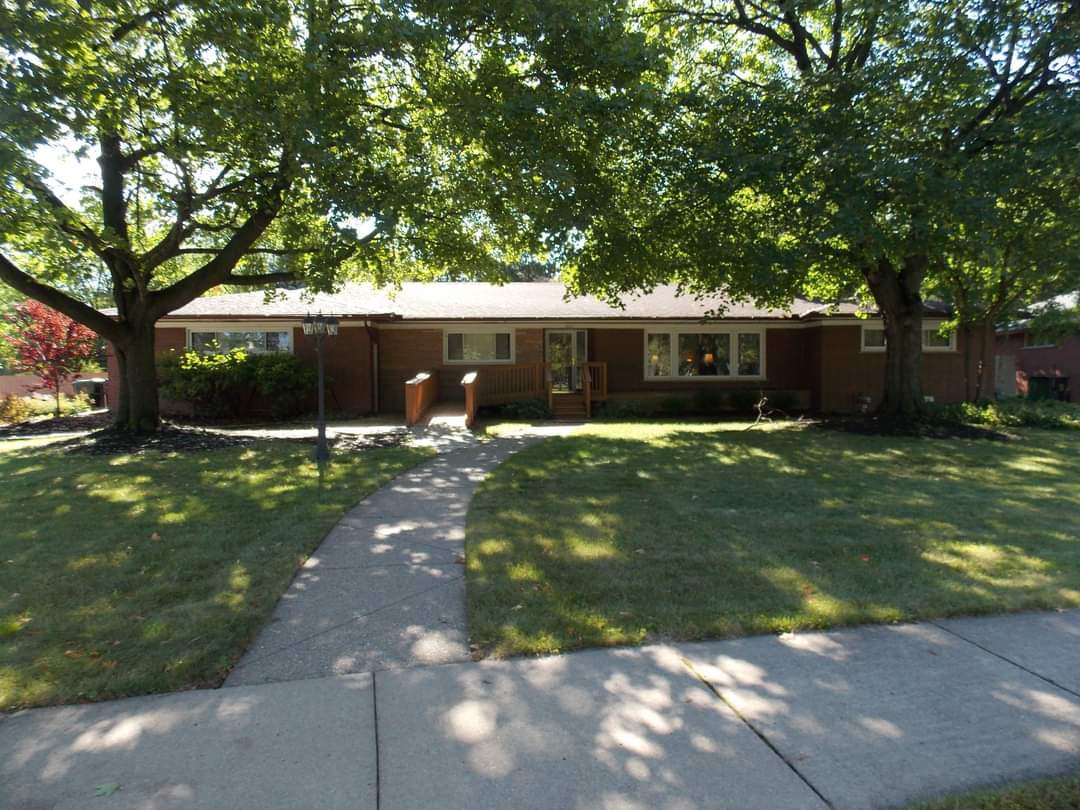
2211 Parkside Street, Trenton, MI 48183
For more information about senior living options: (866) 208-4318
Parkside Estates Costs & Pricing
At Parkside Estates, the monthly costs for various room types reflect a premium offering in comparison to both Wayne County and statewide averages in Michigan. For a semi-private room, residents can expect to pay $3,600, which is notably higher than the county's average of $2,860 and above the state average of $3,191. Private rooms at Parkside are priced at $4,000, surpassing Wayne County's rate of $3,335 and Michigan's average of $3,675. Similarly, studio units are offered at the same rate of $4,000 - again exceeding both local and state benchmarks. These figures suggest that while Parkside Estates may come with a higher price tag, they likely provide enhanced services or amenities that justify the investment for those seeking quality care in a comfortable living environment.
| Floor plans | Parkside Estates | Wayne County | Michigan |
|---|---|---|---|
| Semi-Private | $3,600 | $2,860 | $3,189 |
| Private | $4,000 | $3,335 | $3,674 |
| Studio | $4,000 | $3,495 | $3,824 |
Overall Review of Parkside Estates
Pros
 The home atmosphere and staff were a perfect fit for the mother.
- The transition and ongoing care have been top notch.
- They would highly recommend this facility from admission until the final days.
- The staff and owner were comforting, easing the mother’s anxiety.
- The environment was clean and updated year after year.
- The staff were attentive and well trained; the home was beautiful, neat, and clean.
- The caregivers were excellent and provided great care for their loved ones.
Cons
 They claim the place is absolutely horrible, including nursing staff described as horrible, and that a father didn’t last a day after being admitted.
- They state there are lies to keep money in pockets and label the staff as “the worst of the worst.”
- They allege the worker/owner was under the influence when they walked in, and residents were left soiled and not fed.
- They say Parkside was shut down and accuse the owner of being a snake oil salesman; they urge others to stay away.
- They report the ice maker has been broken for years and no resident gets ice.
- They describe power outages with no battery-powered lights provided and generator fumes filling the house.
- They warn of safety hazards, including cords running through doors and trip risks, due to improper lighting and maintenance.
- They note the staff is small in number, overworked, and not treated well by the owners.
- They recount a night when all six residents got sick after dinner, with the owner doing all cooking and meals.
Review
Parkside Estates in Trenton, Michigan is best suited for families that value a home-like, small-group living environment where caregivers know residents well and the owner remains accessible for ongoing care planning. It rewards those who want a comforting atmosphere during a transition from home to assisted living and who place a premium on personal attention, routine familiarity, and end-of-life support. The strongest endorsements come from families who describe a warm, tidy setting and staff who form meaningful, ongoing relationships with their loved ones, often in the context of individualized care plans.
That said, Parkside is not the obvious pick for families that require ironclad reliability, consistently flawless operations, and a maintenance record you can trust without scrutiny. Several reviewers allege serious management lapses, safety concerns, and delays in repairs, painting a picture of long-standing maintenance issues, electrical and power problems, and emergency practices that feel improvised rather than systematized. For those who cannot tolerate questions about governance, or who want transparent adherence to regulatory expectations, exploring stronger, more consistently controlled options nearby is prudent.
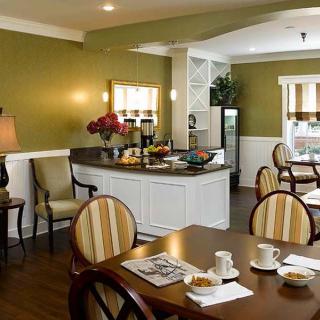
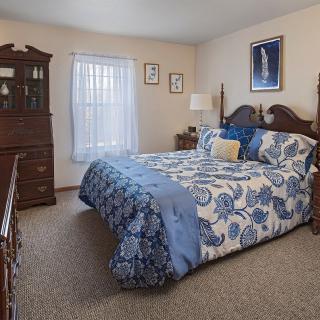
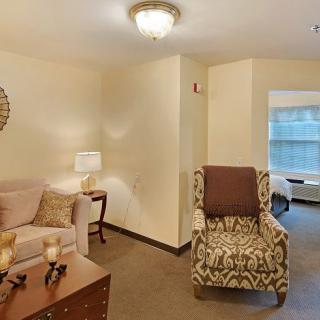
On the positive side, the facility’s intimate, small-group model and the staff’s responsiveness stand out. Families report attentive, well-trained caregivers who implement care plans with initiative, and a manager who is accessible and reassuring. The environment is described as clean, well-kept, and aesthetically pleasant, with a calm, home-like vibe that smooths the rough edges of aging in place. Several accounts highlight personalized meals and furnishings requests, areas where the service culture can feel distinctly familial and attentive.
Yet the most weighty concerns center on ownership security and maintenance reliability. Reviewers describe nonfunctional amenities, such as an ice maker that has remained out of service for years, and repairs delayed for days or longer. Power outages have been handled in ways that raised safety questions, with improvised lighting and generator use that created hazardous conditions. Bathrooms out of order for extended periods, overwhelmed staff, and situations where urgent care was not promptly available during storms or emergencies contribute to a fear of slow response. Recurring anecdotes of unmet promises, and a sense that repairs depend on shifting priorities, undermine trust in daily stability.
These pros and cons create a clear calculus for families. The beneficial aspects, the personal attention, the caregiver relationships, the homelike atmosphere, can offset concerns if due diligence is performed and visible improvements are documented. However, the most serious red flags, safety gaps, prolonged maintenance neglect, and questions about governance, can decisively tilt the decision away unless verified assurances and tangible fixes are in place. Prospective residents should insist on current inspection reports, request up-to-date maintenance logs, and inquire directly about emergency procedures, staffing coverage, and the owner’s process for addressing complaints. The decision should hinge on whether the daily care quality and intimate setting truly outweigh the risk signals still circulating.
In the end, Parkside Estates is not a universal fit. For families prioritizing a warm, personalized setting with strong caregiver bonds and a proactive care approach, it can be a viable choice when concrete improvements are demonstrated and day-to-day operations feel stable. For those unwilling to trade that stability for the possibility of ongoing maintenance lapses or governance concerns, it is wise to pursue alternatives in the Trenton area with a higher standard of demonstrable reliability, clearer accountability, and tighter safety controls. The best guidance is to compare verified safety records and speak with current residents’ families to gauge whether the scales tip in favor of genuine, dependable care or toward a setting better balanced by stronger governance and maintenance discipline.
 6 resident community capacity
 Assisted Living
 Board and Care Home
 Memory Care
 Activities on-site
 Bath tubs
 Beautician on-site
 Cable or satellite TV
 Devotional services on-site
 Dining room
 Fully furnished
 Garden
 Housekeeping services
 Indoor common areas
 Move-in coordination
 Outdoor common areas
 Private
 Private bathrooms
 Respite or short term stays offered
 Telephone
 Wi-Fi/high-speed internet available
 Detroit Metropolitan-Wayne County (9 miles away)
 24-hour supervision
 Ambulatory care
 Assistance with bathing
 Assistance with dressing
 Assistance with transfers
 Diabetes diet
 Diabetic care
 High acuity care
 Incontinence care
 Meal preparation and service
 Medication management
 Special dietary restrictions
 Transportation arrangement (medical)
 Transportation to doctors appointments


 Nourishing the Mind: Essential Dietary Approaches for Dementia
 Understanding Dementia Behaviors: Practical Insights and Strategies for Caregivers
 When Dementia Sparks Anger and Aggression: Understanding the Connection and Ways to Cope