5425 Chestnut Drive, Muskegon, MI 49444
For more information about senior living options: (866) 208-4318
Chestnut Fields Retirement Community Costs & Pricing
Chestnut Fields Retirement Community offers competitive pricing compared to both Muskegon County and broader Michigan averages. For a studio, the monthly cost is $2,175, significantly lower than the county average of $2,852 and the state average of $3,824. In the case of one-bedroom units, Chestnut Fields' rate of $2,785 is slightly above Muskegon County's average of $2,336 but still presents a more affordable option than the state's average of $3,384. The two-bedroom options are priced at $3,880; while this figure exceeds both local ($2,388) and state averages ($3,523), it could reflect enhanced amenities or services that set Chestnut Fields apart. Overall, residents can find value in their investment at Chestnut Fields Retirement Community while enjoying a supportive environment tailored to their needs.
| Floor plans | Chestnut Fields Retirement Community | Muskegon County | Michigan |
|---|---|---|---|
| Studio | $2,175 | $2,852 | $3,824 |
| 1 Bedroom | $2,785 | $2,336 | $3,384 |
| 2 Bedrooms | $3,880 | $2,388 | $3,523 |
Assisted Living communities with a similar price nearby
-
from +$125 / mo

Lawrence Home
$2,300 / month1.0 miles away -
from -$375 / mo

Christian Haven Home
$1,800 to $2,800 / month11.9 miles away -
from -$75 / mo

Robbinswood
$2,100 to $4,100 / month12.9 miles away -
from +$90 / mo
American House Spring Lake
$2,265 to $4,845 / month9.3 miles away -
from -$175 / mo

DaySpring Assisted Living
$2,000 to $2,835 / month3.5 miles away
Overall Review of Chestnut Fields Retirement Community
Pros
 Chestnut Fields is considered one of the best they’ve ever seen, with amazing care for residents.
- The staff treat residents like family, engaging them with activities such as coloring, walks, and games.
- The staff keep residents busy with monthly outings, parties, and fantastic care, giving families peace of mind that their loved ones are safe.
- The facility is clean and staffed by friendly people, with residents taken very good care of.
- They highly recommend Chestnut Fields; the staff are helpful, kind, and loving; the facility is well kept and offers many activities and services.
- The staff genuinely care about residents and go above and beyond to keep families informed.
- Residents can live in apartments with a separate bedroom, a feature that is appreciated.
Cons
 There has been a lot of turnover among the administration, with numerous administrators leaving.
- CNAs were hard to keep, indicating high turnover of nursing assistants.
- The care plan was updated constantly but was never shared with the staff actually caring for the resident.
- Wrong medications were given and some medications were missed.
- Dietary restrictions were missed consistently.
- Administrative staff were described as incompetent and unresponsive to requests from a 95-year-old former resident.
Review
Chestnut Fields Retirement Community in Muskegon is best suited for seniors who want a warm, family-like atmosphere with strong personal attention, robust social programming, and the flexibility of living in a private apartment while receiving assisted-living support as needed. The core appeal lies in daily genuine care, frequent interaction, and a setting where staff consistently engage residents with activities, walks, and outings that keep life feeling familiar and active. Families seeking a place where residents are treated like individuals, not numbers, will find the culture and daily rhythm align well with long-standing routines and visible staff familiarity.
There are clear reasons to consider alternatives. Those with uncompromising demands for administrative stability and perfect, uninterrupted care plans should proceed with caution. Reviews flag turnover in leadership and difficulty ensuring care plans are consistently shared with front-line caregivers. Medications and dietary restrictions have, at times, not been managed reliably, and some families describe incidents where rules or procedures created fall-risk concerns. For residents with complex medical needs, memory-care requirements, or a preference for a tightly regulated care continuum, it is prudent to compare options that offer deeper specialization and a longer track record of consistent operations.
The strongest positives, compassionate, attentive staff; the sense that residents are cared for as family; a clean, welcoming environment; and a rich schedule of activities, largely offset the cons for many families. The ability to live in apartments with separate bedrooms preserves independence and privacy, while ongoing social events, hair and nail services, and accessible outdoor walks keep life engaging. When care is steady and staff know the resident’s history, families gain peace of mind that their loved one is not merely supervised, but connected to daily life and community. That personal touch can be the difference between a good stay and a reassuring, emotionally safe one.
Several specific experiences illustrate the balance. Families report that loved ones received meaningful engagement, monthly outings, parties, and tasks that kept them active, alongside genuine care that made transitions feel manageable. The memory of a parent or grandparent being treated with respect and included in everyday routines is a recurring theme, and some relatives appreciated the facility’s independent living options and apartment setup, which can reduce the emotional toll of moving to a higher level of care. On the other hand, stories of administration turnover and care-plan gaps highlight a fragility in the system that cannot be ignored, especially for anyone monitoring a loved one from abroad or across time zones.
For families evaluating Chestnut Fields, a practical due-diligence checklist is essential. Ask to meet current leadership and the designated care-coordination team; request a detailed, up-to-date care plan and a documented process for sharing changes with front-line staff; review medication administration policies, including how potential errors are tracked and corrected; verify how dietary restrictions are communicated and followed across shifts; inquire about staffing levels on busy days and night shifts; and request a recent sample of a resident’s activity calendar to gauge ongoing engagement. If possible, speak with current residents or their families about how care plans are communicated and whether concerns are addressed promptly.
In the end, Chestnut Fields stands out for warmth, activity, and apartment-based independence, which makes it a strong choice for families prioritizing social vitality and personalized attention. Those who must have flawless administrative reliability, perfect medication oversight, and uninterrupted planning should either seek stronger assurances before enrollment or consider alternatives with a more stable governance track record. For many, the payoff is a home-like setting where residents feel seen, involved, and cared for, with enough structure to support aging in place thoughtfully and with dignity.
 20 resident community capacity
 Assisted Living
 Board and Care Home
 Beauty salon
 Cable or satellite TV
 Dining room
 Fully furnished
 Garden
 Housekeeping services
 Move-in coordination
 Outdoor space
 Small library
 Telephone
 Muskegon County (4 miles away)
 24-hour call system
 Activities of daily living assistance
 Assistance with bathing
 Assistance with dressing
 Assistance with transfers
 Diabetes diet
 Meal preparation and service
 Medication management
 Special dietary restrictions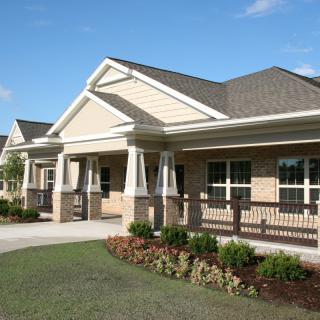

 Social Security Benefits and Assisted Living: Navigating Options Across the U.S.
 An Extensive Exploration of the VA Aid and Attendance Benefit
 Senior Transition Services: Understanding Their Role, Cost, and Importance