
5467 Chestnut Drive, Muskegon, MI 49444
For more information about senior living options: (866) 208-4318
Overall Review of Chestnut Fields Retirement Community
Pros
 Chestnut Fields is described as one of the best the reviewer has seen.
- The staff care for residents as if they were family.
- Residents are kept active with outings, parties, and games.
- The facility is clean and the staff are friendly.
- Loved ones feel peace knowing their relative is taken care of and safe.
- The staff are helpful, kind, and loving.
- There are various activities and services like hair care, nail care, and outdoor walks.
- Residents live in apartments with separate bedrooms, offering comfortable independent living.
Cons
 The facility has experienced a lot of turnover, including numerous administrator changes.
- CNAs are hard for the facility to retain.
- The care plan was updated constantly but never seemed to be shared with those actually taking care of the elderly parent.
- Wrong medications were given, medications were missed, and dietary restrictions were missed consistently; rules were introduced that put the loved one at risk of falling.
- Lots is promised, but very little is followed through or maintained.
- Unless administration changes, the reviewer does not recommend putting a loved one there.
- The administrative staff are incompetent and unresponsive to requests from a 95-year-old former resident.
Review
Chestnut Fields Retirement Community in Muskegon, Michigan is best suited for families seeking a warm, homelike setting where care feels personal and residents are treated like family. It works well for seniors who want an active social life, with regular outings, gatherings, and hands-on daily routines that keep them engaged. The campus-style setup, with independent living cottages and a path to assisted living within the same community, suits those planning a long arc of care rather than a sudden, impersonal transition.
On the strength side, the caregiving approach stands out. Staff are described as attentive, kind, and genuinely involved in residents’ daily lives, with activities that include crafts, light outings, and games. The environment tends to be clean and welcoming, and families repeatedly cite the sense that loved ones are treated with real warmth and respect, almost like their own kin. The availability of personal services such as hair and nail care, coupled with outdoor time, adds to a sense of ongoing well-being, while housing options, apartments with private bedrooms and separate-family cottages, provide a degree of independence that preserves dignity while enabling necessary assistance.
However, administration and care coordination present notable concerns. Several reviews point to turnover among administrators and difficulty retaining certified nursing assistants, which can disrupt the continuity of care. This translates into care plans that shift or fail to reach the hands that implement them, with reports of missed medications and dietary restrictions, as well as policies that can increase fall risk. The most cautionary notes emphasize uneven responsiveness to requests and a lack of consistent follow-through, underscoring a risk that promises of reliable care may not always materialize in day-to-day practice.
These competing forces create a meaningful tension: the personal warmth and engaging activities can substantially offset many vulnerabilities, but that offset narrows if care plans are not reliably communicated or medications are not managed with precision. When leadership stabilizes and the same caregiving teams remain in place, families describe excellent, attentive care and a strong sense of connection with residents. The campus’s housing flexibility supports a gradual transition from independent living to assisted living, reducing upheaval for both seniors and families and preserving a familiar environment during a difficult life stage.
Chestnut Fields may not be the best fit for everyone, however. For those who require unwavering administrative reliability, unerring medication safety, and rapid, consistently proactive communication, alternatives should be explored. The mix of glowing praise and a few severe cautions suggests a community with a solid foundation and a compassionate staff, but one that hinges on steady leadership and robust care coordination to fully realize its promise. Prospective families should approach with a clear plan to validate current care processes before making a decision.
To determine fit, visitors should engage directly with frontline caregivers and supervisors, request to review a current care plan, and inquire deeply about medication management workflows and staff-to-resident ratios. Meet the care team, tour both the cottages and the apartments, and ask how dietary restrictions and mobility needs are addressed on an everyday basis. If the answers align with a loved one’s need for companionship, meaningful daily activity, and a home-like atmosphere, Chestnut Fields delivers meaningful value. If those assurances feel uncertain, it remains prudent to compare communities known for stronger administrative continuity and tighter, more transparent care coordination.
 12 resident community capacity
 Assisted Living
 Cable or satellite TV
 Dining room
 Fully furnished
 Garden
 Housekeeping services
 Move-in coordination
 Outdoor space
 Telephone
 Wi-Fi/high-speed internet available
 Muskegon County (4 miles away)
 24-hour supervision
 Activities of daily living assistance
 Assistance with bathing
 Assistance with dressing
 Assistance with transfers
 Diabetes diet
 Meal preparation and service
 Medication management
 Special dietary restrictions
 Transportation arrangement (medical)
 Transportation to doctors appointments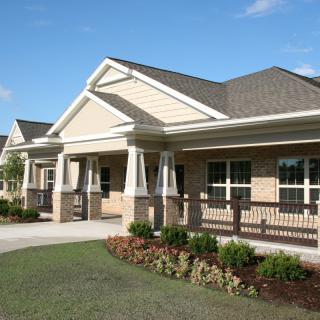




 Assisted Living and Memory Care: Understanding Their Core Differences
 Beyond the Bingo Hall: 50+ Enriching Activities for Seniors in Assisted Living
 Understanding the Distinctions: Assisted Living and Memory Care Explained