
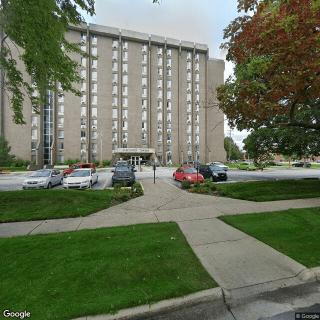
125 Delaware, Muskegon, MI 49442
For more information about senior living options: (866) 208-4318
Overall Review of Walker House Adult Foster Care
Pros
 The home is awesome for loved ones with mental or physical disabilities, with great staff.
- Visitors enjoyed their visit very much.
- The local elderly home offers friendly services.
Cons
 It was not good business.
Review
Walker House Adult Foster Care in Muskegon is best suited for seniors and adults with mental or physical disabilities who want a small, home-like setting and personal, attentive care. The reviews point to a domestic atmosphere where staff stay closely involved in daily routines, offering a level of warmth and hands-on assistance that larger facilities often struggle to provide. This environment rewards residents who thrive on consistent schedules, visible caregiver engagement, and the reassurance that help is readily available at any moment. It is not the pick for families seeking hospital-scale services, robust clinical programs, or extensive on-site amenities; for those prioritizing intimate, attentive care over breadth of services, Walker House can be a particularly strong fit.
Those who may want to consider alternatives are primarily families dealing with higher medical complexity or dementia-specific needs, where memory-care programming and 24/7 on-site nursing are important. The reviews raise concerns about business stability and transparency, signaling the need for careful scrutiny of billing practices, contract terms, and long-term staffing plans. In addition, residents requiring comprehensive medical oversight, frequent skilled nursing, or structured therapeutic programming will likely find the scale and capabilities of an adult foster home insufficient. For families seeking a facility with formal clinical pathways and predictable access to clinicians, larger assisted living communities or specialized memory-care environments may deliver more reliable infrastructure.
The strongest positives here are the staff and the home atmosphere. Phrases such as “awesome home for your loved ones with mental and/or physical disabilities” and “great staff” reinforce a pattern of dependable daily support, quick responsiveness, and meaningful person-to-person connections. A local, friendly services vibe further supports a sense of comfort and belonging for residents who may fear unfamiliar environments. These assets do a lot to offset the realities of a smaller operation, especially when a resident’s needs are largely companionable, routine-based, and not dependent on frequent medical interventions. In other words, when care stays within the staffing and programmatic capability of a small home, the experience can be deeply satisfying.
On the downside, the business-related concerns cannot be dismissed. The negative marker “Not good business” casts a shadow on sustainability, pricing clarity, and trust in long-term arrangements. That caution matters because a small, intimate setting can be vulnerable to shifts in staffing, ownership, or policy. A review landscape that includes two relatively low ratings alongside several high marks suggests variability in experience. For decision-makers, this means the facility can deliver excellent daily care and a warm environment, but only if operations are stable, transparent, and able to maintain consistent staffing and policy implementation over time. These risks should be weighed carefully against the rewards of a home-like setting.
To navigate a potential placement wisely, concrete diligence is required. Ask for current caregiver-to-resident ratios, the exact regime for medications, and how care plans are developed and updated. Request recent references and speak with multiple families about consistency of service, especially during evenings and weekends when staffing pressure often surfaces. Review the contract for billing clarity, termination terms, and any ancillary fees. Probe how emergencies are handled and whether there is ready access to medical professional oversight or telemedicine when needed. Above all, verify the facility’s licensing status and any memory-care or medical-therapy offerings to ensure alignment with the resident’s specific needs and trajectory.
In practical terms, Walker House is a prudent choice for families seeking a compact, personable setting where staff know residents well and daily routines feel predictable. It delivers the intangibles of warmth, familiarity, and attentiveness that small-home environments promise, which can translate to reduced anxiety and greater daily comfort for many residents. If medical complexity, dementia-focused programming, or guaranteed administrative stability are non-negotiables, pursuing alternatives with larger nursing staffs and more formal care pathways is wise. For the right resident, someone who prizes individualized attention and a genuine home atmosphere, Walker House represents a thoughtful, viable option in Muskegon’s assisted-living landscape.
 20 resident community capacity
 Assisted Living
 Beauty salon
 Cable or satellite TV
 Dining room
 Fully furnished
 Garden
 Housekeeping services
 Kitchenette
 Move-in coordination
 Outdoor space
 Telephone
 Wi-Fi/high-speed internet available
 Muskegon County (4 miles away)
 24-hour call system
 Activities of daily living assistance
 Assistance with bathing
 Assistance with dressing
 Assistance with transfers
 Diabetes diet
 Meal preparation and service
 Medication management
 Mental wellness program
 Special dietary restrictions
 Transportation arrangement (medical)
 Transportation to doctors appointments


 Funding and Affording Assisted Living: A Thorough Overview
 Assisted Living Expenses and Long-Term Care Insurance: A Comprehensive Exploration
 Securing Financial Support for Assisted Living: A Comprehensive Overview