

3047 E. 14 Mile Road, Sterling Heights, MI 48458
To contact a resident: (586) 536-6070
For more information about senior living options: (866) 208-4318
Gatica AFC Home Costs & Pricing
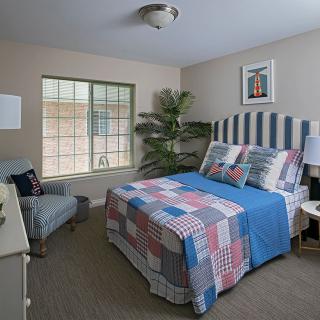
Gatica AFC Home presents a competitive pricing structure for its accommodations, offering semi-private rooms at $2,950 per month and private rooms at $3,450. When compared to the broader market, Gatica AFC Home's costs are notably lower than those in Genesee County, where semi-private rooms average $3,243 and private rooms reach $4,118. This trend is also reflected at the state level in Michigan; while private room rates sit at $3,675 on average, Gatica's offerings remain more affordable. Overall, Gatica AFC Home provides an attractive option for families seeking quality care without the burden of excessive costs.
| Floor plans | Gatica AFC Home | Genesee County | Michigan |
|---|---|---|---|
| Semi-Private | $2,950 | $3,243 | $3,189 |
| Private | $3,450 | $4,118 | $3,674 |
Senior living communities with a similar price nearby
-
About the same
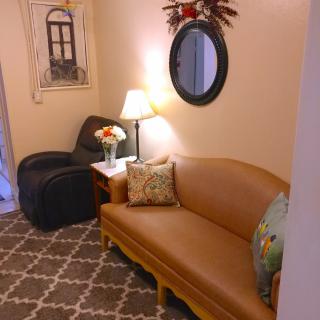
Hutcheson Manor
$3,000 to $4,500 / month14.5 miles away -
from +$250 / mo
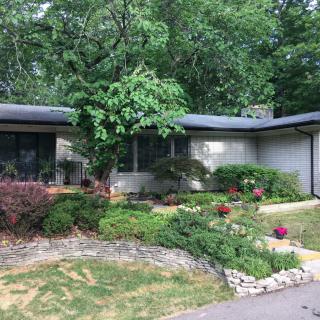
Vicky's Place
$3,200 to $6,000 / month13.2 miles away -
from +$545 / mo
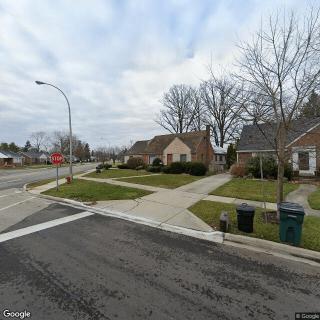
Christman Adult Foster Care Home
$3,495 to $6,395 / month4.5 miles away -
from +$550 / mo
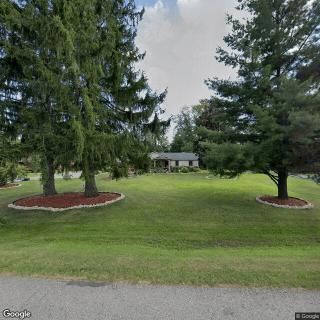
Briar Hill Assisted Living
$3,500 to $4,500 / month13.6 miles away -
About the same
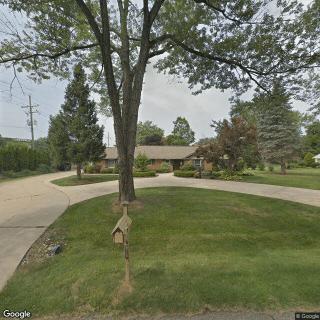
Butternut Hill Senior Living
$3,000 to $4,000 / month7.1 miles away
Overall Review of Gatica AFC Home
Pros
 The community recently opened in December, signaling a fresh start.
- As a fairly new development, the community holds promise for future growth.
- Its early status invites residents to observe and contribute to its ongoing development.
Cons
 They believe the community is too new to provide an accurate rating.
- They feel rating the community based solely on observation would be unreliable without someone actually living there.
Review
Gatica AFC Home in Sterling Heights is best suited for families seeking a small, intimate, purpose-built adult foster care setting that benefits from a fresh start. Opened in December, the community presents as a newly minted option with the promise of modern design, up-to-date safety features, and a homelike environment typical of AFC homes. For families prioritizing a clean slate, hands-on ownership, and the energy that comes with a newly opened operation, this site offers an appealing canvas. The caveat is clear: there is little to no long-term resident track record to rely on, so outcomes hinge on effective onboarding, strong leadership, and rapid formation of dependable routines.
Those who should consider alternatives are families needing a proven care history, expansive service options, or established relationships with local medical teams. Longer-tenured facilities, whether other AFC homes or larger assisted-living communities, often provide a steadier reference point for care quality, staffing consistency, and predictable monthly costs. If continuity and a transparent, time-tested care culture matter, shopping a broader field is prudent. For residents who require robust on-site medical management, specialized therapies, or high-acuity supports, the limited data around a brand-new AFC home makes due diligence essential and suggests comparisons with more established options.
Pros likely to stand out in a new facility include modern layouts, cleaner spaces, and the enthusiasm that comes with fresh operations. A newly opened AFC home can offer intuitive floor plans, easier maintenance, and a recruitment drive aimed at building a cohesive care team. Families may also benefit from transparent policies and direct access to leadership during early onboarding. The main cons hinge on the absence of a proven care history, uncertain caregiver tenure, and the natural teething pains that accompany any startup. Without a long-running reputation, questions about consistency of daily routines, meal quality, and responsiveness require proactive verification.
How the advantages can offset the risks depends on the leadership and the implementation of strong systems. If the administration provides clear daily routines, reliable oversight, and open channels for family feedback, the lack of a storied track record becomes less limiting. A fresh facility can also leverage up-to-date safety features and energy-efficient design to enhance resident comfort and reduce maintenance disruption. However, these offsets only hold if staffing is stable and care plans are actually followed. In practice, families should demand demonstration of consistent staffing coverage, routine care documentation, and accessible management contact, particularly during the first months.
Practical steps for families evaluating Gatica AFC Home include scheduling in-depth tours during different times of day, speaking directly with caregivers and the administrator, and requesting candid references from current families. Observe interactions at mealtimes, activity periods, and during routine care to gauge responsiveness and warmth. Verify caregiver-to-resident ratios, shift coverage, training protocols, and the ability to tailor care plans. Review meal quality and menu options, transportation routines, medication management processes, and emergency response procedures. Confirm licensing status, inspection history, and the availability of respite or short-term stays as a way to test fit before a longer commitment. Finally, compare the monthly costs and what they include to nearby, more established options to ensure true value.
Overall, Gatica AFC Home appears well positioned for families seeking a new, home-like AFC setting with the promise of contemporary amenities and a patient-friendly culture. The biggest decision hinge is whether the lack of long-term performance data is acceptable in exchange for a modern environment and potentially closer, more personalized attention. Families who value a fresh start and are prepared to scrutinize operations closely will likely find this option compelling. Those who prioritize a proven service record, broad medical integrations, or a well-known care reputation should consider alternatives first and use a side-by-side comparison to guide the choice. A guided tour and a structured set of questions will illuminate the path to the right fit.
 Board and Care Home
 Activities off-site
 Devotional services off-site
 Indoor common areas
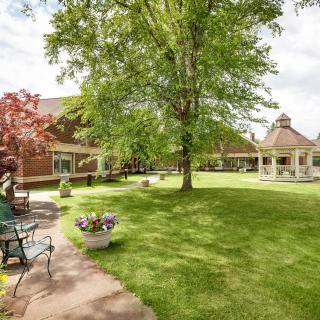
 Outdoor common areas
 Private
 Respite or short term stays offered
 Wheelchair accessible showers
 Ambulatory care
 Diabetic care
 High acuity care
 Incontinence care
 Medication management
 Kosher



 In-Depth Look at the VA Aid and Attendance Program
 Nurturing Our Loved Ones: A Daughter's Journey in Caring for Her Mother
 Nurturing Our Elders: Linda's Journey of Supporting Her Mother