Residents and families most often describe care that feels personal and responsive.
Across many reviews, families say the staff know them, treat residents with dignity, and respond to needs. Several reviewers also highlight communication—getting updates and being able to ask questions—especially during dementia and end-of-life situations. A few reviews describe management and front-desk involvement that helped make transitions smoother for families.
common8 reviews mention this
Meals and dining stand out
Food quality and dining experience are frequently praised in reviews.
Residents and families repeatedly mention that meals are much better than they expected, with multiple reviewers describing the dining room atmosphere as more like a shared gathering than a cafeteria. Several comments connect dining to positive routines and engagement, including eating more often in common areas. A few reviewers specifically praise chefs and attention to preferences, including eggs prepared when needed and desserts residents enjoy.
common10 reviews mention this
Facility feels clean and newer
Reviews frequently highlight the facility’s cleanliness and newer feel.
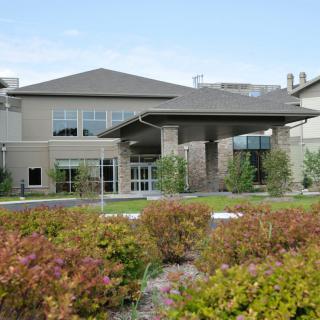
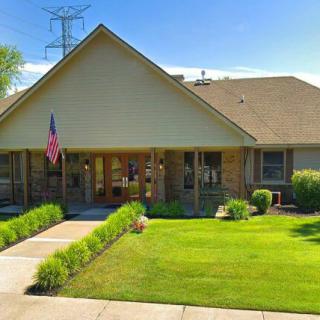
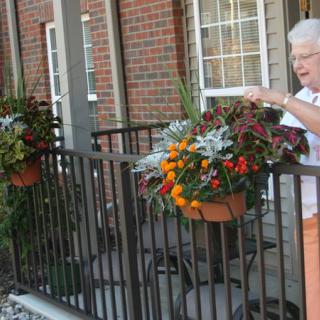
Multiple reviews describe Cranberry Park as modern, clean, and well maintained, with some calling it beautiful and spacious. Families also mention specific details like windows that bring in light and rooms designed for comfort and movement. Even a respite stay is described as being well cared for, not just supervised at a basic level.
differentiator7 reviews mention this
Memory care receives focused support
Reviews repeatedly discuss dementia and memory-care experiences with the team.
Several reviews describe dementia-related needs and explain that residents were transitioned into a memory care setting. Families talk about confidence in nursing communication and day-to-day support, including staying informed about condition and comfort. One reviewer reports a negative outcome after memory care began, describing worsening behaviors that led to a hospital transfer.
caveat2 reviews mention this
Staffing and medication issues
A small number of reviews raise concerns about staffing and medication handling.
One review describes a rapid decline after admission followed by a fall, along with a lack of response to a call button and what the reviewer viewed as neglect. Another review describes an issue soon after memory care began, including a hospital visit and the reviewer’s concern that a medication was not present in the system.
common2 reviews mention this
Nearby medical and parks
The area includes close-by medical offices, pharmacies, and parks.
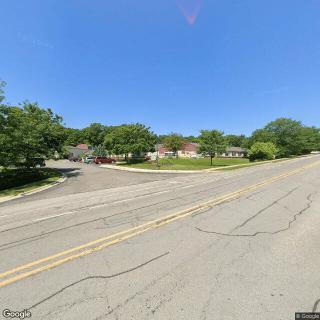
The location is within about a tenth of a mile of physician offices and a similar pharmacy cluster. It also offers nearby parks and a hospital option at a farther drive, which can matter for regular appointments and outings.
How we summarize
Counts show how many written reviews mention each theme; a review can touch several themes, and only frequently mentioned themes are displayed.
The transition from assisted living to skilled nursing care is often prompted by complex medical needs that assisted living cannot meet, with key indicators including frequent health declines, increased falls, severe memory issues, and caregiver burnout. Families should recognize these signs early to discuss options with healthcare providers and prepare for the emotional and logistical aspects of moving to a facility that offers comprehensive medical support.
Dementia is characterized by cognitive decline, with nutrition playing a vital role in brain health; while no specific diet can prevent or reverse it, a nutrient-dense diet rich in antioxidants and healthy fats may support cognitive function. The MIND diet, which emphasizes beneficial foods and limits processed items, along with proper hydration and individualized meal strategies, can enhance the well-being of dementia patients.
Dementia affects memory and cognitive function in older adults, presenting challenges for caregivers due to behavioral changes such as confusion and mood swings. Compassionate, person-centered care that considers individual history and preferences, along with effective communication and environmental modifications, is essential for supporting both patients and their caregivers.
Get PricingAsk A QuestionSchedule A TourContact Senior Advisor
By clicking submit, you agree to our Partner's Terms of Use. You
also consent to receive calls and texts, which may be autodialed, from our Partner. Your consent is not a condition to
using our Partner's service. Please visit our Partner's Privacy Policy for information about their privacy practices.

 Assisted Living
 Memory Care
 Activities on-site
 Devotional services off-site
 Indoor common areas
 Ambulatory care
 Diabetic care
 Meals provided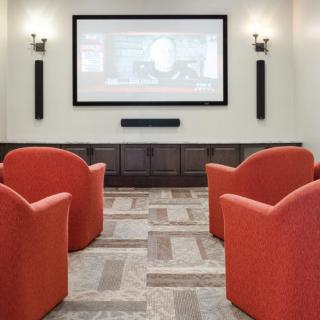
 Compassionate staff with nicely laid-out rooms and attractive amenities.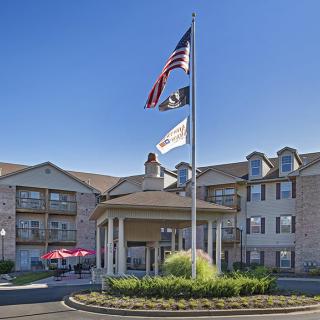

 8 Key Indicators That Suggest It May Be Time to Transition from Assisted Living to Skilled Nursing Care
 Nourishing the Mind: Essential Dietary Approaches for Dementia
 Understanding Dementia Behaviors: Practical Insights and Strategies for Caregivers