
3054 Inkster Road, Inkster, MI 48141
For more information about senior living options: (866) 208-4318
Overall Review of Our Lady's Home
Pros
 The facility provides nothing but great experiences.
- The clients are great to work with.
- The staff are friendly, and the manager is very helpful.
Cons
 The group home is a complete joke.
- The reviewer was assaulted by two female workers at the home.
- The owner is accused of trying to cover up the assault.
- Clients were outdoors at 10:30 pm while the assault occurred, indicating unsafe conditions.
- The staff are described as friends or family members of the owner, suggesting nepotism.
- The reviewer would think twice before making a loved one a client of this home.
Review
Our Lady’s Home in Inkster is best suited for families seeking a warm, small-group atmosphere where staff interact closely with residents and management is reachable. The environment tends to feel personal, with residents who can be socially engaged and served by a team that appears friendly and accessible. This community can work well for seniors who prioritize daily companionship, a home-like routine, and hands-on attention from caregivers who are often on-site and visible. It rewards presence and regular check-ins, and families who value a relational style of care, where staff seem to know residents by name and respond quickly to everyday needs, will likely see the most benefit.
At the same time, there are clear reasons to consider alternatives. The most serious red flag raised by reviewers concerns safety, accountability, and transparency. Allegations of assault by staff, a lack of prompt or satisfactory responses from the management, and impressions that relationships or favoritism influence who remains employed create a trust deficit that is hard to overlook. Families that demand verifiable incident reporting, independent investigations, and consistent safeguarding practices may not find these assurances here. If a resident requires rigorous safety oversight, a facility with formalized incident tracking and external oversight may feel more reliable.
The main pros, the friendly staff, the approachable manager, and the generally positive social climate, do deliver meaningful daily benefits. Residents likely receive attentive help with routines, reminders, and social engagement that can improve mood and quality of life. The welcoming demeanor of staff and the manager’s willingness to assist can reduce stress for families trying to coordinate care. However, these strengths are counterweighted by the serious concerns about safety and accountability. When incidents are alleged and resolution is slow or opaque, the day-to-day warmth cannot fully compensate for the potential risk to a resident’s well-being, and the overall value proposition shifts toward contingent trust rather than assured safety.
Prospective movers should pursue concrete, inquiries-driven steps before deciding. Insist on seeing a current incident log and any follow-up or corrective actions taken in response to past events. Request details on staff background checks, ongoing training, and supervision structures, including who reviews concerns and how quickly action is taken. Schedule multiple tours at different times of day to observe how staff respond in real time and to gauge the level of supervision during evenings and weekends. Speak directly with current residents and families about safety and responsiveness, and ask for references who can speak to how concerns were handled. The goal is a transparent picture of whether the claimed care quality can be sustained in ordinary and crisis moments.
Financially and functionally, the choice hinges on care intensity and risk tolerance. The intimate setting supports consistent caregiver relationships and closer monitoring, which is valuable for residents who do not require heavy clinical intervention but want dependable daily support. Yet the upside rests on the premise that safety, behavior management, and incident handling are robust and verifiable. If care needs are expected to escalate, such as complex medication management, memory care, or fall risk management, the questions multiply: will responses remain prompt, will staff remain stable, and will ownership be open to independent review?
The recommendation is clear. For families prioritizing warmth, accessibility, and a home-like cadence, and who are prepared to conduct rigorous due diligence to confirm safety practices, Our Lady’s Home warrants a serious, structured visit. Demand concrete assurances about incident handling and ongoing accountability, and probe the manager’s track record with previous concerns. If these assurances cannot be documented convincingly, or if any hesitation remains about the transparency of investigations and staffing practices, it is prudent to broaden the search. There are other communities that may offer similar daily comfort with stronger, verifiable safeguards. In the end, the decision should balance the lived, positive day-to-day interactions against the foundational need for unequivocal safety, trust, and reliable oversight.
 6 resident community capacity
 Assisted Living
 Cable or satellite TV
 Dining room
 Fully furnished
 Garden
 Housekeeping services
 Move-in coordination
 Outdoor space
 Telephone
 Wi-Fi/high-speed internet available
 Detroit Metropolitan-Wayne County (6 miles away)
 24-hour supervision
 Activities of daily living assistance
 Assistance with bathing
 Assistance with dressing
 Assistance with transfers
 Diabetes diet
 Meal preparation and service
 Medication management
 Special dietary restrictions
 Transportation arrangement (medical)
 Transportation to doctors appointments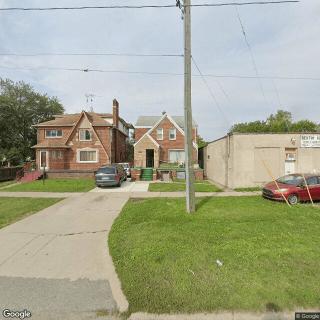



 How and When Medicaid May Cover Assisted Living Costs
 A Detailed Exploration of Assisted Living Medicaid Waivers Across the United States
 Comprehensive Residential Support and Assisted Living Solutions for Individuals with Disabilities