2050 Washington Road, Holt, MI 48842
For more information about senior living options: (866) 208-4318
Overall Review of Great Lakes Christian Homes
Pros
 The facility is very well run, with friendly staff and great food.
- Care for independent senior adults is excellent, and the home has a fresh look from recent improvements.
- The staff and employees make a real effort to care for each resident and provide a safe environment.
- The environment is great, with nice people, lots of events and opportunities, and great staff.
- It is a place full of caring and kind people and is highly recommendable.
- The staff are compassionate, kind, tolerant, understanding, and helpful, improving daily life for residents and extending independence.
- The community is nice and welcoming, with friendly people and engaging activities, including pleasant respite stays.
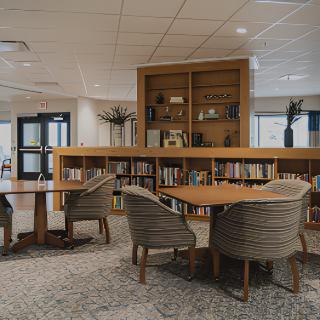
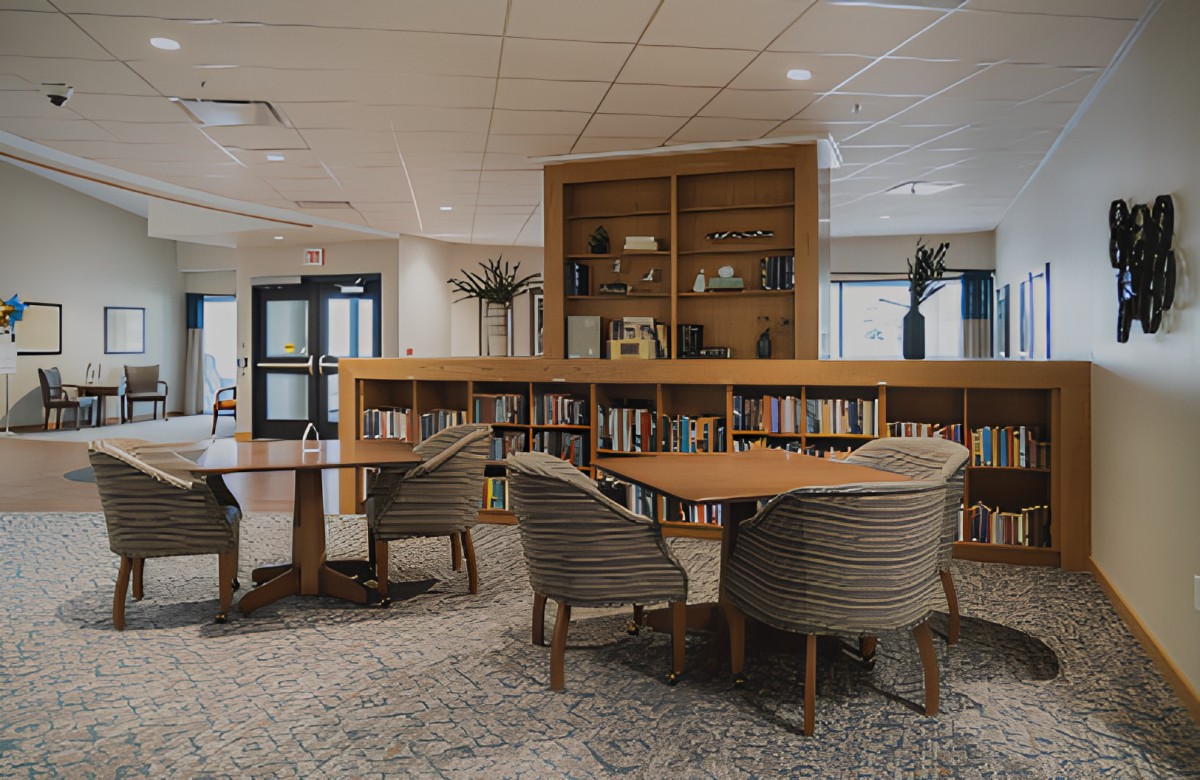
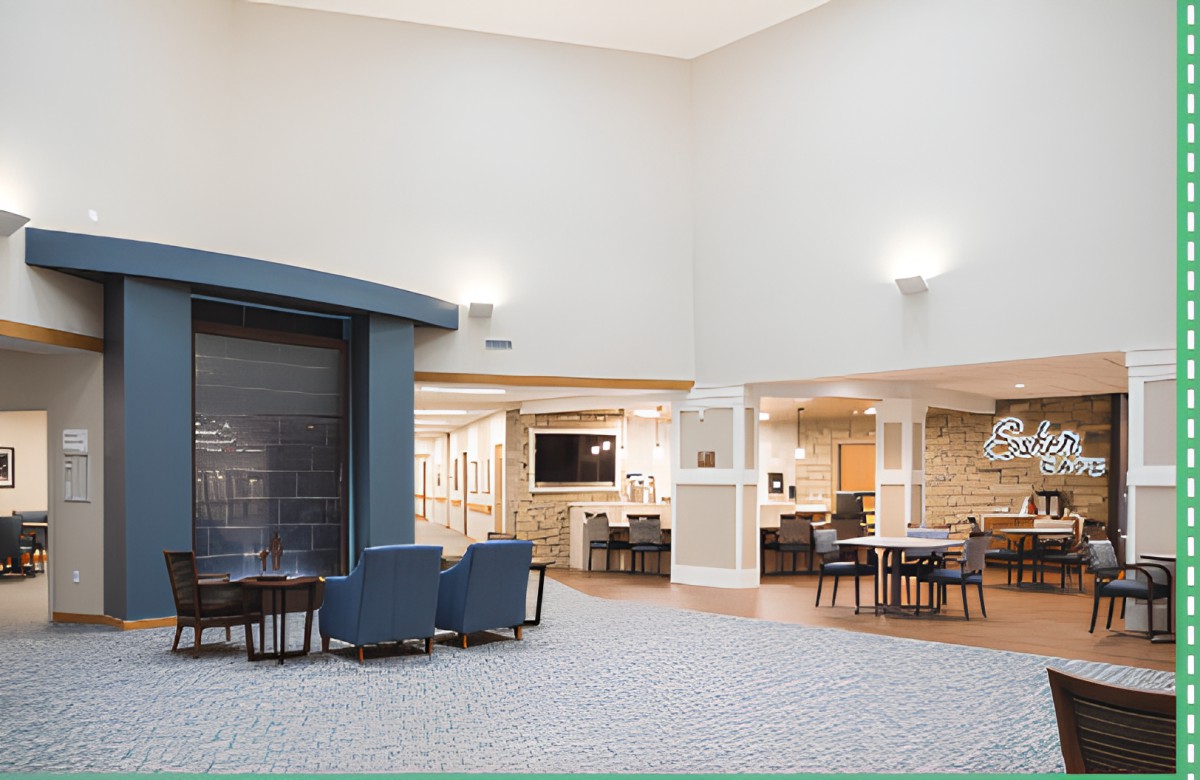
- The staff are excellent, meals are great, and there are organized activities and on-site amenities like a hair salon, church, library, and private family dining room.
- Weekly housekeeping is included, and it is a good place for seniors who are still independent but may need some care, with care options available à la carte.
Cons
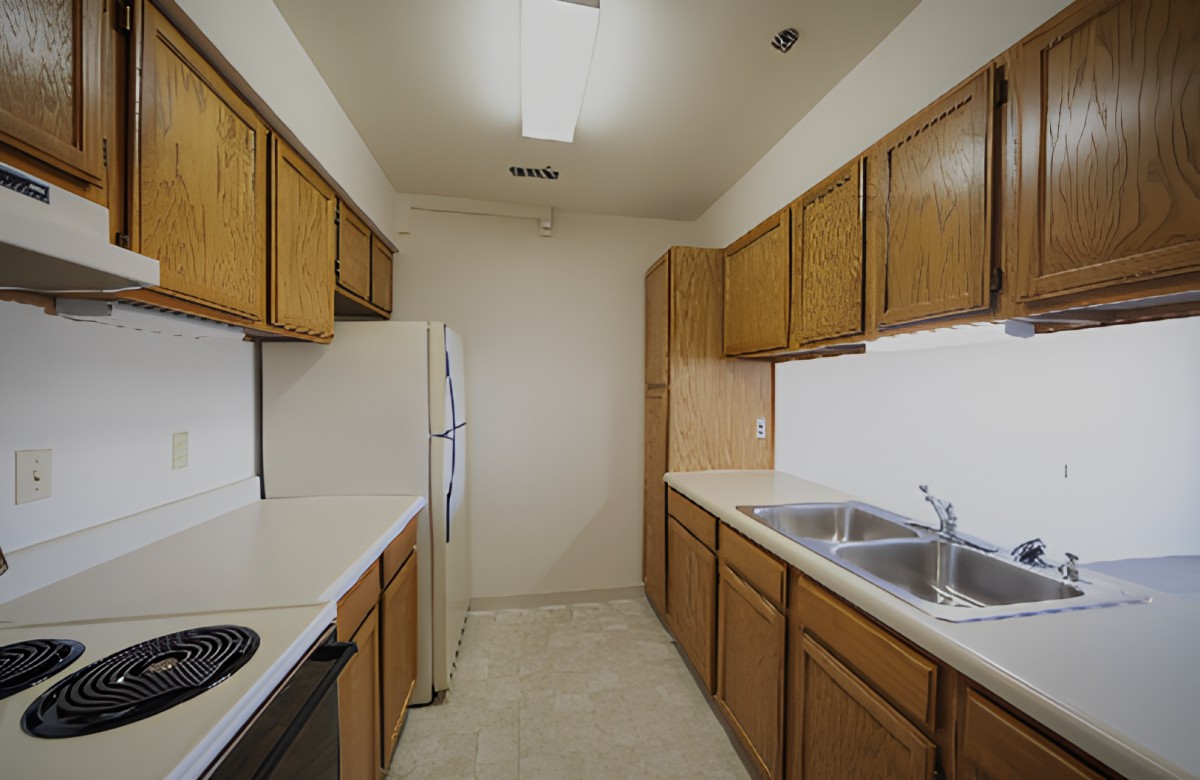
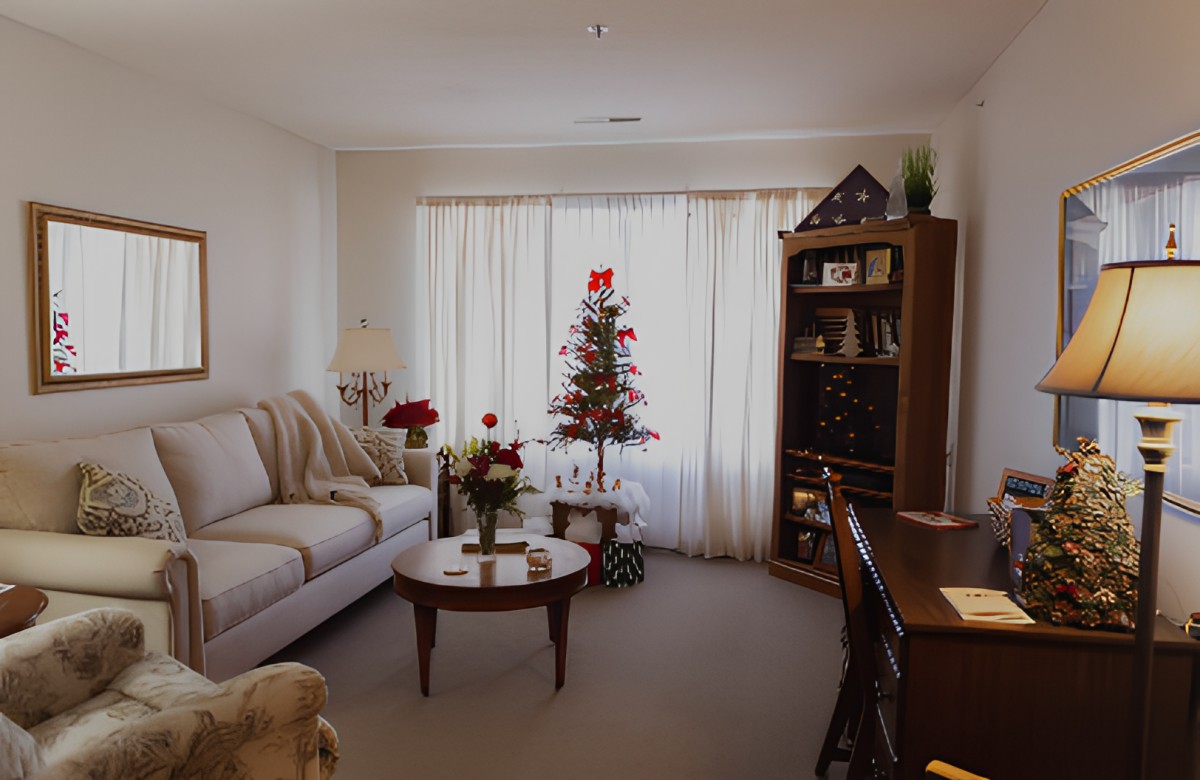
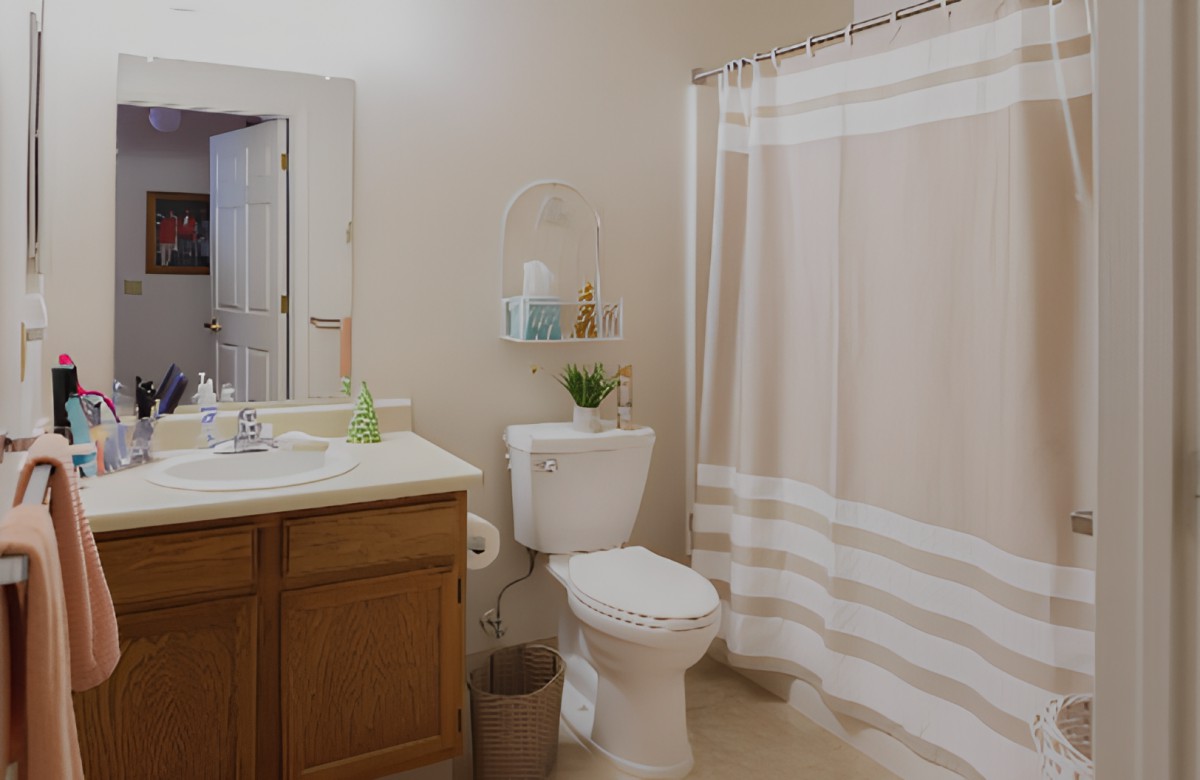
 The rooms were a little smaller than at the recent community she stayed at.
Review
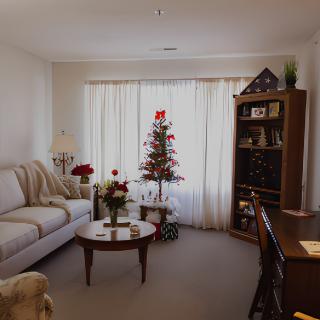
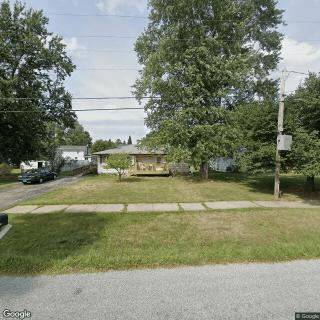
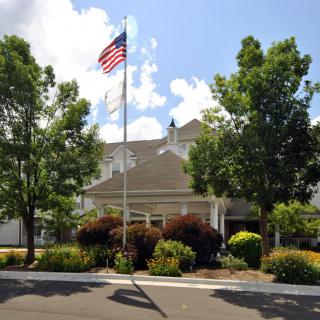
Great Lakes Christian Homes in Holt, Michigan, is best suited for independent seniors who want a warm, faith-centered community with built-in social life and practical support as needs evolve. It serves residents who value daily structure, meaningful activities, and a sense of belonging to a small, attentive household. The campus-style setting offers church services on site, an active calendar of events, and dependable meals in a framework that emphasizes courtesy and safety. Staff are described as friendly and genuinely invested, with improvements over recent years refreshing the living environment without sacrificing the close-knit home feel. For those transitioning from a private house to a simpler routine, this community provides a practical bridge, enough care options to stay independent longer, with predictable routines that reduce aging-related uncertainty.
Those who require intensive, around-the-clock medical supervision, specialized memory care, or a broader on-site continuum may want to look elsewhere. Rooms are noted to be smaller than at some peers, a factor for couples or anyone who prioritizes generous living space. The care model is described as a la carte rather than a full, embedded continuum, meaning evolving needs may trigger a transition to a different level of care elsewhere or require coordination across providers. Families seeking a secular environment, or a setting with a deeper medical footprint, may find other communities better aligned with those priorities. In short, this is not the best fit for residents needing constant medical oversight or a single-campus memory-care expansion.
From the reviews, the core strengths are clear. The staff are consistently praised for being caring, professional, and responsive, making residents feel seen and safe. Meals are repeatedly highlighted as high quality, supporting appetite and mood. The activity calendar is substantial, with on-site perks such as a hair salon, library, and private family dining room adding convenience and social texture. The on-site church supports a faith-based rhythm that resonates with many residents and families. Weekly housekeeping reduces upkeep burdens, while care options can be added a la carte as independence wanes, allowing aging in place with gradual support. A respite stay is cited positively, demonstrating the campus’s flexibility for temporary needs without disruption.
These strengths offset the few drawbacks. The smaller rooms, while a trade-off, sit alongside a strong sense of community, higher social engagement, and predictable, bundled living costs. The ability to add care in an a la carte fashion means the pace of escalation is controlled and voluntary, rather than forced by a locked-in contract. On-site amenities minimize the need for frequent travel, sustaining routines and relationships. The staff’s demonstrated compassion, evidenced in real family communications, translates into practical support that reduces stress for both residents and families. While the community is not a full-scale memory-care campus, the combination of engaging programming and a thoughtful staff approach helps maintain dignity, independence, and connection as needs evolve.
When evaluating options, a visit should focus on practical fit. Clarify what the base independent living rate covers versus what requires added care fees, and confirm how the a la carte model operates month to month. Inquire about room options and whether couples can share a space, or be positioned near one another, and verify accessibility and storage. Request a sample meal rotation and a week-long activity schedule to assess alignment with interests. Probe respite availability and policies for private family dining, which can matter for holidays or special occasions. Ask how transitions are handled if care needs rise, whether there is a formal plan, expected timelines, and who coordinates the change. Finally, confirm the availability and schedule of religious services if faith continuity is important.
Bottom line: Great Lakes Christian Homes offers a practical, well-run option for seniors seeking a warm, faith-forward environment with reliable meals, robust social life, and flexible support as independence wanes. The main caveat is the room size and the absence of a full, on-site medical continuum; residents who require constant clinical oversight or comprehensive memory-care services may outgrow the offering. For families prioritizing a nurturing community, meaningful daily activities, and a built-in faith-based framework, the positives far outweigh the drawbacks. This is a place where residents can age with dignity, maintain purpose, and stay connected to family and faith, provided expectations align with the level of care available on site.
 98 resident community capacity
 Assisted Living
 Independent Living
 Memory Care
 Activities on-site
 Air-conditioning
 Beauty salon
 Cable or satellite TV
 Computer center
 Devotional services off-site
 Dining room
 Fitness room
 Fully furnished
 Gaming room
 Garden
 Housekeeping services
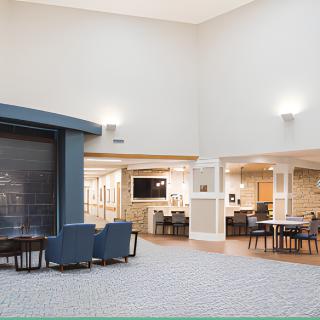
 Indoor common areas
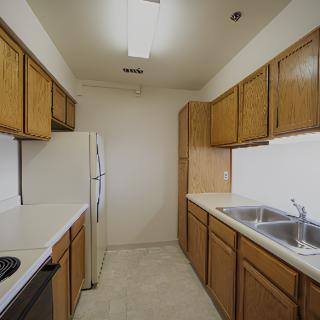
 Kitchenette
 Move-in coordination
 Outdoor space
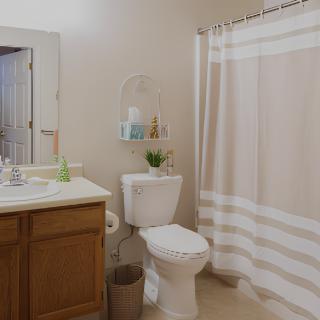
 Private bathrooms
 Restaurant-style dining
 Small library
 Telephone
 Wellness center
 Wi-Fi/high-speed internet available
 Capital City (10 miles away)
 Community operated transportation
 12-16 hour nursing
 24-hour call system
 Ambulatory care
 Assistance with bathing
 Assistance with dressing
 Assistance with transfers
 Diabetes diet
 Diabetic care
 Medication management
 Mental wellness program
 Special dietary restrictions
 Transportation arrangement (medical)
 Concierge services
 Planned day trips
 Comprehensive Guide to VA Nursing Homes: A Crucial Long-Term Care Resource for Veterans
 Estimating the Expenses of At-Home Dementia Care: A Detailed Exploration
 Comprehensive Insights on the Late Stages of Dementia: What to Expect and How to Provide Care