
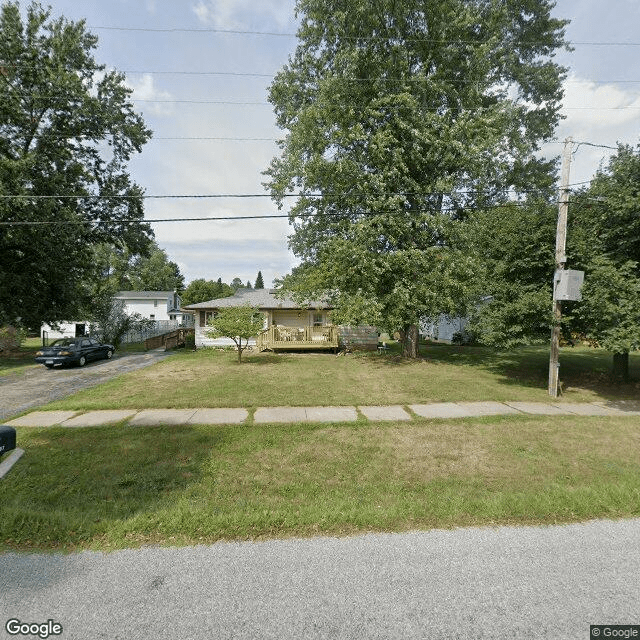
4982 Wilcox Rd, Holt, MI 48842
To contact a resident: (517) 290-8298
For more information about senior living options: (866) 208-4318
Rachel's AFC Costs & Pricing
Rachel's AFC offers competitive pricing for its accommodation options, making it an attractive choice for those seeking a supportive living environment. With a monthly cost of $2,500 for semi-private rooms and $2,900 for private rooms, Rachel's rates are notably lower than both the county average in Ingham County ($3,168 for semi-private and $3,536 for private) and the broader state figures in Michigan ($3,191 for semi-private and $3,675 for private). This pricing strategy not only demonstrates Rachel's commitment to affordability but also highlights its dedication to providing quality care without compromising on value.
| Floor plans | Rachel's AFC | Ingham County | Michigan |
|---|---|---|---|
| Semi-Private | $2,500 | $3,111 | $3,189 |
| Private | $2,900 | $3,475 | $3,674 |
Senior living communities with a similar price nearby
-
from +$300 / mo
Dragonfly Manor
$2,800 to $3,000 / month19.3 miles away -
from +$140 / mo
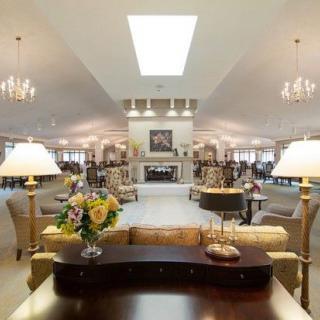
Independence Village Of East Lansing
$2,640 to $4,200 / month9.3 miles away -
from -$100 / mo
Laura Jean Care Home
$2,400 to $3,400 / month22.4 miles away -
About the same
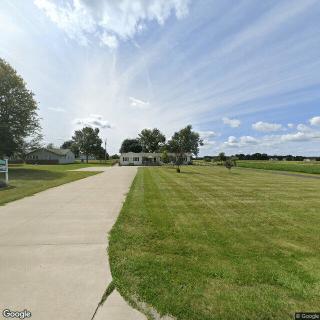
Craft Care Home
$2,500 / month5.1 miles away -
About the same
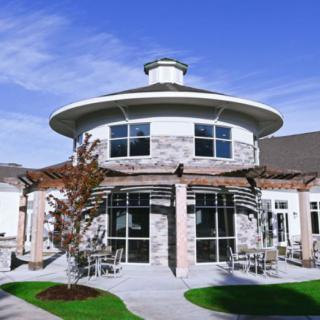
Vista Springs Timber Ridge
$2,500 to $4,000 / month11.5 miles away
Overall Review of Rachel's AFC
Cons
 The workers here are extremely inappropriate.
- One of the females could not understand what was trying to be communicated to her because she did not speak well English.
- The adults that are living there are rarely seen outside of the house because, and I quote, "they do not want to come out".
- When asked what activities the adults do the women replied, "it is none of your damn business."
Review
Rachel's AFC in Holt, Michigan is best suited for families prioritizing a low-cost, low-structure option where daily programming is light and oversight can be managed largely by family involvement. It may work for residents who are largely independent, require minimal structured activities, and can tolerate a quiet, private environment. For those with flexible expectations around social calendars and staff interaction, the setting could feel approachable. However, this is not a fit for families seeking robust programming, consistent professional communication, or proactive staff engagement with residents. In other words, the community serves as a basic residential option rather than a full-service care experience.
Alternatives should be strongly considered by families who want reliable staffing, clear communication, and meaningful daily activity for their loved ones. Facilities with multilingual staff, transparent activity schedules, regular outings, and documented care planning are often preferable when quality of life hinges on interaction and supervision. If language barriers are a concern, or if a care team is described as detached or unresponsive, exploring other AFCs or assisted living options with stronger professional standards is prudent. For residents with higher care needs, mobility assistance, memory care, or behavioral support, look elsewhere where staff training and supervision are explicit priorities.
From the available feedback, the central drawbacks are staff professionalism and resident engagement. A report describes inappropriate behavior by workers, coupled with a clear communication hurdle when a caregiver could not understand basic requests. Even more troubling is the impression that residents are rarely seen outside the house and that attempts to learn what activities are offered were met with dismissive responses. Taken together, these points signal potential safety and dignity risks, as well as a diminished quality of life. The lack of visible programming or outgoing staff presence makes the setting feel more like confinement than a place to thrive.
These cons must be weighed against any perceived advantages. If the house is quiet, private, and small, that can reduce overstimulation for some seniors. Yet those benefits evaporate quickly if caregivers are inconsistent, miscommunicate care needs, or fail to actively include residents in daily life. The language barrier compounds care coordination problems, especially for families trying to convey medical or dietary instructions. The net effect is a higher likelihood of mismanaged needs, social isolation, and erosion of trust between families and staff. In short, quality-of-life gains from a calm setting do not compensate for ongoing professional and engagement failures.
Families considering a tour should demand concrete proof of staffing, training, and engagement opportunities. Ask to meet direct caregivers and to observe interactions with residents, not just administrative staff. Request a typical weekly activity schedule, examples of current resident participation, and how care plans are updated and communicated. Inquire about language support, incident reporting, licensing history, and any prior complaints. If possible, arrange a trial period or a day pass to assess dynamics firsthand. For many families, those checks will illuminate whether the perceived quietness is a real benefit or a sign of under- or mismanaged care.
Overall, Rachel's AFC requires careful scrutiny and a clear-eyed assessment of fit. The mixed rating, one high, one low, suggests a polarized experience, but the weight of concerns in the available feedback leans toward caution. This community is rarely a first choice for families seeking active engagement, transparent communication, and respectful, professional care. If those criteria matter, alternatives with stronger staffing standards and richer programming are advisable. When proceeding, approach with a structured evaluation plan, insist on direct interaction with caregivers, and anchor decisions to concrete observations rather than promises.
 Board and Care Home
 Private
 Wheelchair accessible showers
 Capital City (10 miles away)
 Diabetic care
 Incontinence care
 Meals provided
 Premium accommodations with extensive nearby amenities and accessible care services.
 Comprehensive Guide to Blood Pressure Charts for Older Adults: Understanding Normal and High Readings by Age
 Financing Long-Term Nursing Home Care Through Social Security: A Thorough Exploration
 Essential Knowledge on Pneumonia in Older Adults