
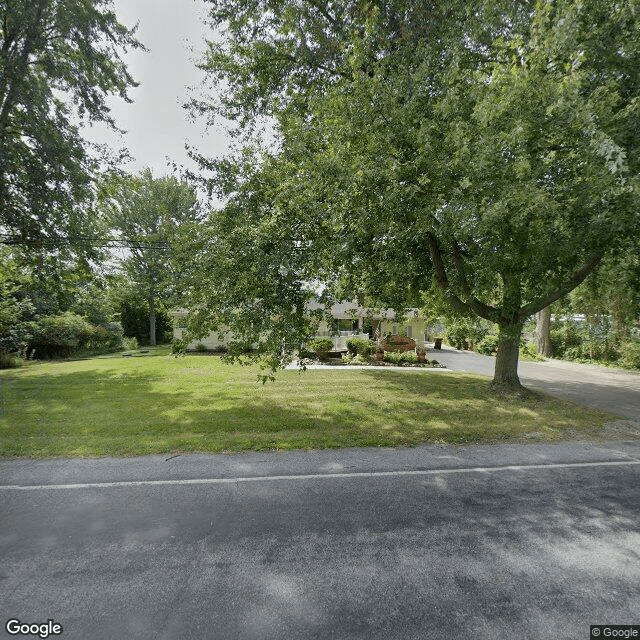
1365 Eifert Road, Holt, MI 48842
To contact a resident: (989) 666-0975
For more information about senior living options: (866) 208-4318
Holt Friendly Home Costs & Pricing
Holt Friendly Home offers competitive pricing for its residential care services, particularly when compared to the broader regional and state averages. For a semi-private room, residents pay $2,000 per month, which is significantly more affordable than the Ingham County average of $3,168 and the Michigan state average of $3,191. Similarly, the cost for a private room at Holt Friendly Home is set at $2,800, again presenting a more economical option compared to the county's average of $3,536 and the state's own average of $3,675. This pricing structure not only underscores Holt Friendly Home's commitment to providing quality care at accessible rates but also positions it as an attractive choice for families seeking long-term care solutions in a competitive market.
| Floor plans | Holt Friendly Home | Ingham County | Michigan |
|---|---|---|---|
| Semi-Private | $2,000 | $3,111 | $3,189 |
| Private | $2,800 | $3,475 | $3,674 |
Senior living communities with a similar price nearby
-
About the same

Ide Adult Foster Care Family Home
$1,950 / month8.6 miles away -
from -$200 / mo
Simple Elegance
$1,800 to $6,900 / month0.8 miles away -
About the same
Blanca's Senior Home
$2,000 / month11.2 miles away -
from +$80 / mo

Addie's Place
$2,080 to $2,700 / month15.6 miles away -
About the same
Highland Assisted Living & Memory Care
$2,030 / month25.0 miles away
Overall Review of Holt Friendly Home
Pros
 The facility is clean and the owner is fantastic, with Timi deeply invested in residents’ welfare.
- The atmosphere is extremely friendly and the staff ensure residents are well cared for.
- Holt Friendly Home, LLC is amazing.
- Timi and her staff take great pride in the home and go above and beyond to care for residents.
- The amenities make residents feel like they are cared for by family.
- The home is immaculate, with homemade meals and engaging activities like movie nights, which help residents rest at ease.
- The decorations create a welcoming, home-like environment that helps grandparents adjust.
Review
This community is best suited for families seeking a warm, home-like assisted living experience delivered by a devoted owner-operator who treats residents like family. Holt Friendly Home thrives in a small, hands-on setting where personal attention is possible and everyday routines feel less clinical than a larger campus. It is especially strong for seniors who value a tidy, well-maintained environment, home-cooked meals, and a sense of belonging that comes from a decor and rhythm reminiscent of home life. Dementia care is available, which broadens its fit for memory-impaired residents, but prospective families should verify the depth of specialized programming and staffing for ongoing cognitive needs. In short, this is a best-fit option for those who prize intimate oversight, genuine warmth, and a caregiving culture that prioritizes dignity and comfort over institutional formality.
Those considering alternatives should weigh options that offer more formal medical oversight, larger facilities, or different pricing structures. The flat $2,500 monthly fee is straightforward and inclusive in perception, but affordability must be weighed against what else is available in the market and what is included. For residents with complex medical needs requiring frequent nursing interventions or on-site physician oversight, a larger campus with dedicated medical staff may provide more comprehensive coverage. Families seeking robust, structured memory-care programming, or enhanced security features for wandering, may prefer facilities with clearly defined dementia tracks and more formal staffing schedules. Finally, those on a tighter budget should compare total cost of care across multiple homes, because even a highly rated home can become unaffordable over the long term when support needs escalate.
The strongest positives are concrete and consistently reinforced. The owner’s genuine investment translates into dependable leadership, quick responsiveness, and a willingness to tailor routines to individual preferences. Cleanliness and upkeep are foundational, not afterthoughts, creating an environment that feels meticulous and reassuring. The home atmosphere offers meaningful amenities that echo a family setting: home-cooked meals, movie nights, and decor that emphasizes comfort and familiarity. Residents typically have their own rooms, which supports privacy while still enabling companionship during shared activities. Staff are portrayed as caring and compassionate, with a capacity to adapt as care requirements evolve. Taken together, these factors cultivate a sense of security that reduces family anxiety about daily caregiving and makes the transition into assisted living smoother for both residents and their loved ones.
These advantages offset most drawbacks in practical ways. The intimate scale enables staff to notice subtle shifts in mood, appetite, or mood fluctuations early, allowing timely adjustments to care plans. The emphasis on homelike meals and a welcoming ambiance supports emotional well-being, which correlates with higher cooperation with routines and a more positive daily experience. While questions may arise about the depth of dementia programming, the explicit note that dementia care is available, paired with staff demonstrated in handling changing needs, reduces concerns for many families who value relationship-based care over clinical minutiae. For those who equate quality with a warm, reliable presence rather than a highly medical model, Holt Friendly Home delivers meaningful value. The documented cost is not trivial, but the delivered level of daily attention, personalized planning, and peace of mind often justifies the expense.
A few caveats deserve attention. One reviewer signaled a potential limitation by noting dementia care is provided, but without detail on the extent of specialized programming or staffing, which warrants direct confirmation. The flat-rate structure removes some financial ambiguity, yet families should obtain a concrete breakdown of what is included, meals, housekeeping, laundry, medication assistance, and any nursing services beyond basic support, to avoid surprises. The small footprint of the home may come with fewer on-site amenities or scheduled activities compared with larger campuses, so it matters to align calendar routines with resident interests. Finally, while the culture is clearly caregiving-forward, prospective residents with escalating medical needs should verify the presence of formal care plans reviewed by a physician and any on-call nursing support to ensure continuity through advanced stages.
Decision guidance for families centers on fit and expectations. If a resident thrives on routine, values privacy within a homelike setting, and responds well to a caregiver-led culture with a visibly engaged administrator, Holt Friendly Home should be placed high on the list. Schedule a direct tour with Timi to observe meal service, inspect living spaces, and drill into dementia-care specifics, staff training, security measures, and the availability of day-to-day nursing tasks. Request a sample care plan, a precise breakdown of what the $2,500 covers, and a realistic outline of how emergencies are handled after hours. Compare this option against others in the area that offer greater medical oversight or more flexible pricing to determine whether emotional well-being and everyday quality of life outweigh clinical amenities. In the final analysis, Holt Friendly Home stands out as an exceptionally strong match for families prioritizing warmth, dignity, and a consistent, family-like presence, provided the resident’s care level and long-term affordability align with expectations.
 Board and Care Home
 Activities on-site
 Bath tubs
 Beautician on-site
 Devotional services on-site
 Indoor common areas
 Outdoor common areas
 Private
 Capital City (11 miles away)
 Ambulatory care
 Diabetic care
 High acuity care
 Incontinence care
 Meals provided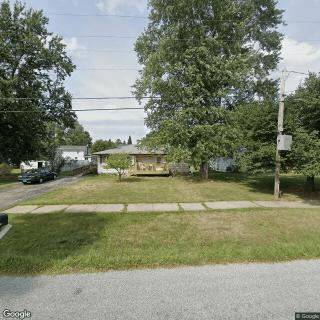

 Exploring Nonmedical Home Care: Understanding Services, Costs, and Financial Approaches
 Engaging Brain Games and Innovative Apps to Keep Senior Minds Active
 Effective Strategies for Keeping Seniors' Minds Active: A Deep Dive into Brain Games and Apps