
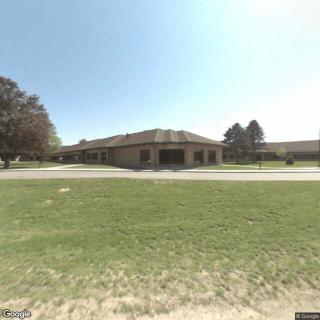
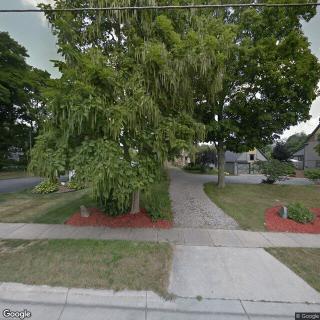
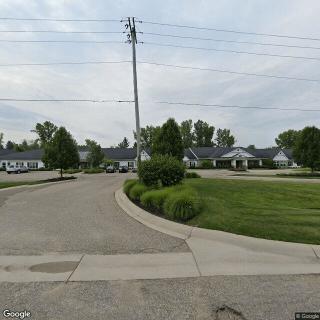
1505 North Church Street, Hastings, MI 49058
For more information about senior living options: (866) 208-4318
Overall Review of Church St Adult Foster Care.
Pros
 The organization is the bees knees.
- They are truly helping people with an assortment of needs, including toiletries and the food pantry; they are God's workers.
- They helped with the co-payment to get a furnace installed in a mobile home.
- The community's support prevented the couple from freezing.
- They care and show love; they welcome people and help in every possible way.
- They do so much for people in need, including providing propane and food from the church pantry.
- They are very helpful and always available to direct others.
Cons
 The reviewer says people must provide their entire life story in paperwork or they and their kids won’t get any form of help.
- The reviewer gave only two stars because staff told them they didn’t care, even if it was phrased politely.
- One reviewer wondered if Barry County Cares is selective about which residents it helps.
Review
Church St Adult Foster Care in Hastings, Michigan is best suited for older adults who want a faith-forward, community-based support system rather than a traditional medicalized care setting. In Hastings and the surrounding Barry County, this program functions as a hands-on safety net, leaning on church networks and volunteers to meet everyday needs. The reviews consistently showcase practical help, pantry provisions, toiletries, and assistance with heating costs, delivered with a warmth that feels personal rather than transactional. It is unmistakable that staff and volunteers treat neighbors like family, prioritizing connection and generosity over bureaucratic formality. This environment serves well those who welcome religious-inflected care and who can navigate the administrative steps required to access aid. For someone seeking round-the-clock nursing supervision, highly structured medical oversight, or guaranteed outcomes with minimal paperwork, alternatives should be pursued. The strength lies in the network, not in a traditional care ladder.
Prospective residents who require steady medical attention, medication management, or a formal, licensed living arrangement may find this program too light on clinical oversight. Church St Adult Foster Care's identity centers on neighborly aid and resource coordination, not on providing on-site nursing care or a fixed daily schedule. The program leverages Barry County's care networks to connect people with food resources, heating assistance, and basic supplies, which is a powerful stabilizer for households stretched by costs. Yet a notable caveat is the paperwork journey: several comments highlight that eligibility hinges on documenting a life history and navigating interagency processes, which can feel opaque and slow. For those who prize a straightforward path to aid with minimal friction, or who require predictable service timelines, explore alternatives that foreground licensed staff and consistent care delivery. This option shines when the goal is social integration and practical relief rather than clinical certainty.
Pros include a staffing and volunteer culture that actively welcomes new neighbors, a broad reach into essential supports, and a visible commitment to faith-based compassion. The pantry, toiletries, and energy assistance illustrate a practical, immediately useful repertoire, while connections to the broader Barry County Cares network provide a lifeline in tight months. Residents repeatedly describe experiences as “very helpful” and “the bees knees” in terms of being cared for, which translates into less isolation and more daily stability. The main drawbacks are the administrative steps required to access aid and the possibility that interactions with staff can feel uneven, with at least one reviewer recalling a downbeat message delivered politely but tersely. When those cons are weighed against the program's core strengths, the offset is decisive for seniors anchored by low income, high utility costs, or social isolation who still want dignity and belonging.
Approach this program as a partner in navigating scarce resources rather than a guaranteed service. Before visiting, assemble essential documents and be prepared to articulate personal circumstances in a concise, compelling life history. Ask staff to outline the exact steps to eligibility and the expected timeline, and request a clear point of contact for ongoing assistance. Be ready to rely on volunteers and church-based partners, as much of the support rests on community networks rather than a fixed service roster. Recognize that relief can be episodic, help with a co-pay, a tank of propane, or a pantry bag, depending on eligibility and availability. The most effective plan involves pairing this resource with broader elder-care planning and local social services to ensure gaps are covered when a single program cannot.
Candidates are seniors who want companionship, faith-based encouragement, and practical leverage against daily costs. This option works well for those who value community warmth, welcome guidance through social-service channels, and are comfortable advocating within a network of volunteers. It should be understood as supplemental to formal medical care, not a replacement. Those who insist on a fixed schedule, guaranteed service levels, or a secular environment may find this option insufficient. For families, pairing Church St Adult Foster Care with a local social worker or elder-law counselor can streamline eligibility, optimize benefits, and prevent gaps in coverage. If the objective is to reduce loneliness and stretch limited finances through neighborly aid, this program delivers.
Church St Adult Foster Care offers a compelling mix of compassion, practicality, and community leverage that can meaningfully ease daily strain for the right resident. Its strengths lie in a robust, faith-infused support network that mobilizes pantry access, utility assistance, and personal contact to deliver relief when times are tight. The corresponding caveat is a non-traditional care footprint that relies on paperwork and interagency coordination rather than on-site clinical teams; for those needing constant medical oversight, this is not a substitute. When evaluated against the backdrop of Hastings' care ecosystem, this option stands out as a trustworthy way to connect with generous neighbors and practical resources, especially for seniors who prize belonging and dignity over a clinical label. Use it as a strategic piece of the overall care plan, not the entire solution, and the decision becomes clear.
 6 resident community capacity
 Assisted Living
 Cable or satellite TV
 Dining room
 Fully furnished
 Garden
 Housekeeping services
 Move-in coordination
 Outdoor space
 Telephone
 Wi-Fi/high-speed internet available
 Kent County International (19 miles away)
 24-hour supervision
 Activities of daily living assistance
 Assistance with bathing
 Assistance with dressing
 Assistance with transfers
 Diabetes diet
 Meal preparation and service
 Medication management
 Special dietary restrictions
 Transportation arrangement (medical)
 Transportation to doctors appointments

 When to Transition from Assisted Living to Memory Care: Key Indicators, Steps, and Finding the Right Community
 Assisted Living and Memory Care: Understanding Their Core Differences
 Beyond the Bingo Hall: 50+ Enriching Activities for Seniors in Assisted Living