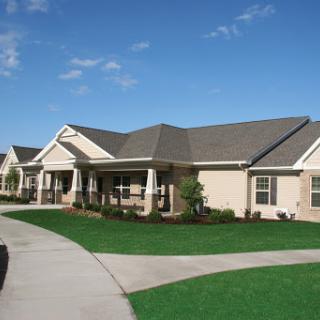
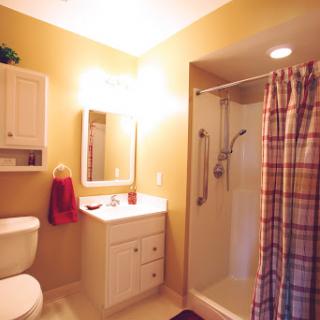
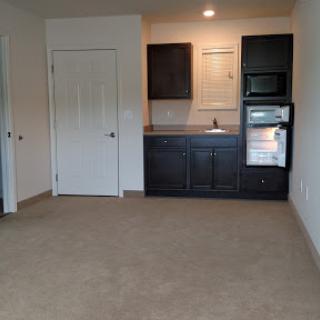
Green Acres of Lowell Costs & Pricing
Green Acres of Lowell offers competitive pricing for its one-bedroom accommodations at $3,400 per month, which closely aligns with the broader market trends seen within Kent County and Michigan. Specifically, the cost in Kent County averages around $3,483, while the state-wide average stands slightly lower at $3,384. This positioning not only reflects Green Acres' commitment to providing quality living options but also underscores its value within the local landscape. Residents can appreciate the advantages of a well-maintained facility that strikes a balance between affordability and enhanced community living experiences.
| Floor plans | Green Acres of Lowell | Kent County | Michigan |
|---|
| 1 Bedroom | $3,400 | $3,483 | $3,384 |
Memory care communities with a similar price nearby
-
from +$520 / mo
StoryPoint Rockford
$3,920 to $6,150 / month
17.0 miles away
-
About the same
Commonwealth Senior Living at Grand Rapids
$3,450 to $4,950 / month
14.1 miles away
-
About the same

Railside Living Center
$3,400 / month
18.8 miles away
-
from +$360 / mo

Rivertown Ridge
$3,760 to $4,820 / month
19.0 miles away
-
from -$400 / mo
Care Cardinal Cascade
$3,000 to $4,000 / month
6.9 miles away
Overall Review of Green Acres of Lowell
differentiator
3 reviews mention this
Memory care supports dementia
Memory care residents are described as getting tailored support as dementia progresses.
Residents in the memory unit describe help that fits changing dementia needs, including comfort and day-to-day care. Reviews also mention facility teams working with outside clinicians, which includes coordination for psychiatric and medical needs. One reviewer also raises concerns about resident rights and communication in the memory unit, so experiences can vary.
common
22 reviews mention this
Compassionate, responsive staff
Staff compassion and responsiveness are consistently brought up across reviews.
Many reviewers describe staff as compassionate, caring, and attentive, with repeated mentions of residents feeling supported and valued. Families also describe staff handling needs in a timely way and maintaining a welcoming environment. A smaller set of reviews counters that theme by criticizing management for not being supportive or for staffing problems, but the positive caregiver experience remains a recurring point.
common
10 reviews mention this
Clean, well-kept facility
The community’s cleanliness and condition are a frequent point in reviews.
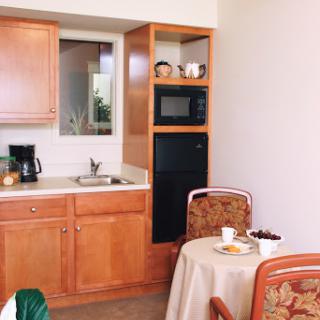
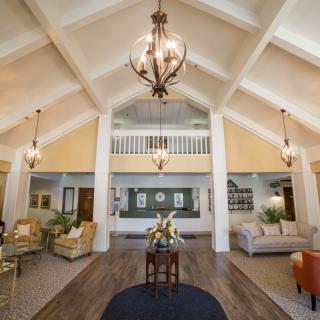
Multiple residents and families comment on how clean the facility looks and how it feels maintained. Several reviewers also note the space is modern and in good condition when they visited or when they lived there. Even among critical reviews, cleanliness is sometimes still acknowledged, suggesting it is one area that holds up for many people.
common
6 reviews mention this
Activities and community engagement
Residents are described as staying engaged with regular activities.
Several reviews mention daily or scheduled activities, including resident engagement that helps people stay active and connected. Families also point to activities being planned both inside the building and through off-site options like field trips. A few reviews focus more on the appearance of an activities calendar during a tour, but the overall presence of activities comes up repeatedly.
common
5 reviews mention this
Food quality stands out
Food quality is a recurring theme in how residents and families describe daily life.
Some reviewers highlight good or homemade-tasting food, and several mention the meal experience positively. Dining is also described as part of the everyday community routine, not just a background service. While a few reviews concentrate on staffing or management, the food comments remain notably positive in the overall set.
caveat
10 reviews mention this
Management and staffing draw criticism
Management support and staffing levels are a recurring concern in reviews.
A number of negative reviews describe staffing strain, including short staffing and high turnover, along with concerns about how management responds to those challenges. Several reviewers criticize administrative leadership for communication issues, unfair treatment, or a focus on filling rooms. At the same time, other reviews describe strong nursing and caregiver attention, so the reviews suggest uneven experiences depending on the role and timing.
caveat
2 reviews mention this
Price feels high for some families
Some families say pricing was higher than they expected or could afford.
Two reviewers report that the community was fairly expensive compared with what they were looking for. That cost concern shows up during the decision stage rather than as a complaint tied to a specific day-to-day service. Pricing for at least one unit type is shown as slightly below the county average and about even with the state level, which may help explain why affordability perceptions still vary by family.
How we summarize
Counts show how many written reviews mention each theme; a review can touch several themes, and only frequently mentioned themes are displayed.

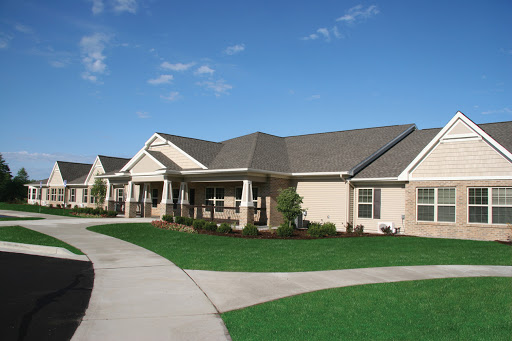
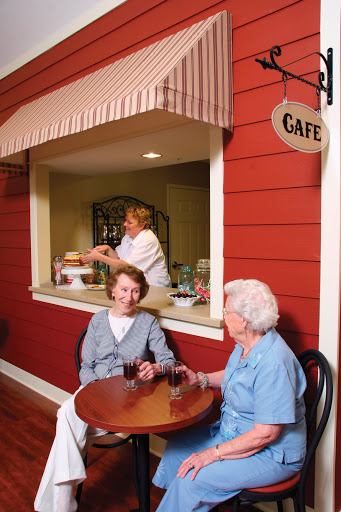
 20 resident community capacity
 Assisted Living
 Board and Care Home
 Independent Living
 Memory Care
 Cats allowed
 Dogs allowed
 Activities off-site
 Beautician on-site
 Cable or satellite TV
 Devotional services off-site
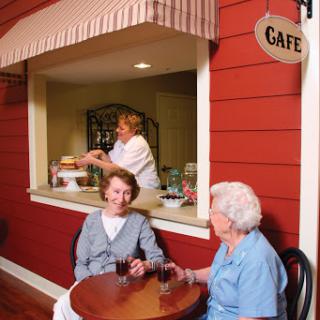
 Dining room
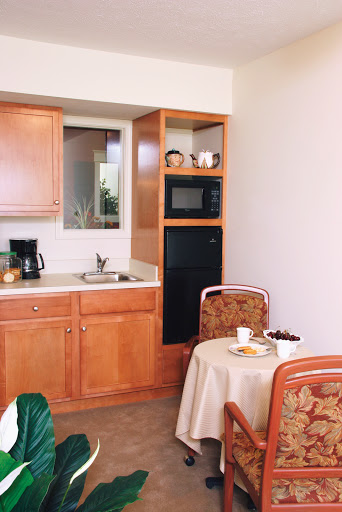
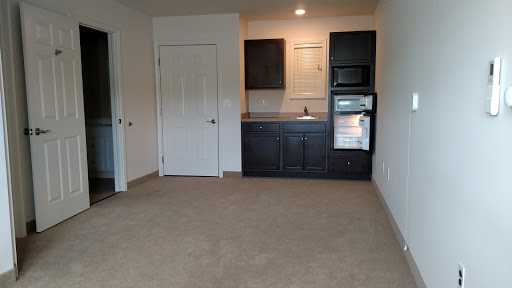
 Fully furnished
 Garden
 Housekeeping services
 Indoor common areas
 Kitchenette
 Move-in coordination
 Outdoor common areas
 Respite or short term stays offered
 Telephone
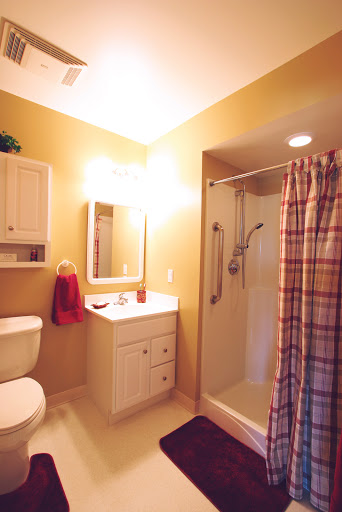
 Wheelchair accessible showers
 Wi-Fi/high-speed internet available
 Kent County International (8 miles away)
 24-hour call system
 Ambulatory care
 Assistance with bathing
 Assistance with dressing
 Assistance with transfers
 Diabetes diet
 Diabetic care
 Hospice waiver
 Incontinence care
 Meal preparation and service
 Medication management
 Mental wellness program
 Special dietary restrictions
 Transportation arrangement (medical)
 Transportation to doctors appointments
 Comprehensive memory care with 24/7 supervision and coordinated healthcare.

 A Thorough Discussion of Medications Potentially Linked to Dementia Risk
 Why Do Dementia Patients Sleep So Much? Understanding Oversleeping, Stages, and Care Approaches
 8 Key Indicators That Suggest It May Be Time to Transition from Assisted Living to Skilled Nursing Care