Care Cardinal Cascade offers competitive pricing for its accommodations compared to the broader market in Kent County and across Michigan. For a semi-private room, residents enjoy a monthly cost of $3,000, which is notably lower than the county average of $3,939 and also more affordable than the state average of $3,191. Similarly, for those opting for a studio unit at Care Cardinal Cascade, the monthly fee stands at $4,000. While this is slightly higher than the county's average of $3,661 and lower than Michigan's statewide average of $3,824, it reflects a commitment to providing quality care and amenities that enhance the living experience. Overall, Care Cardinal Cascade strikes an appealing balance between affordability and high-quality service in a supportive environment.
Floor plans
Care Cardinal Cascade
Kent County
Michigan
Semi-Private
$3,000
$3,939
$3,189
Studio
$4,000
$3,661
$3,824
Memory care communities with a similar price nearby
Many residents describe the facility as very clean and well maintained.
Cleanliness is one of the most consistent themes across the reviews. Residents and family members mention a spotless feel, updated or well-kept rooms, and a generally maintained property. A few reviewers also connect that cleanliness with feeling comfortable and confident during the move-in period.
common20 reviews mention this
Staff care and responsiveness
Reviewers repeatedly describe staff who go out of their way to help residents.
Across reviews, families describe staff as friendly, caring, and willing to meet residents where they are. Several people highlight how leadership and nursing staff communicate, check in, and make the transition feel easier. There are also mentions of staff “extra mile” support and regular updates for families.
common6 reviews mention this
Activities feel available
Residents and families report that there are activities to join.
Many reviewers mention a steady set of activities residents can take part in. Families also describe participation as a source of engagement, including day-to-day community life and resident-chosen events. One reviewer notes that dementia can limit how much a loved one wants to join, but the activities are still presented as available.
common4 reviews mention this
Meals get consistent praise
Food is frequently described as tasty and restaurant-quality.
Dining comes up often, with multiple reviewers calling the meals delicious or “restaurant” quality. Families mention a dining experience that feels more prepared than basic institutional food, and some specifically note variety. A smaller number of comments suggest some meals may feel less fresh or more reheated than ideal, but overall sentiment stays positive.
caveat3 reviews mention this
Understaffing and care breakdowns
Some reviews criticize staffing levels and delays in basic care.
A recurring negative thread is staffing shortfalls that reviewers say affect care timing and attention. Several comments describe too few aides per resident, difficulty getting help when needed, and problems with medication delivery or bathroom assistance. These reviews also include concerns about hygiene and general safety in the facility.
caveat2 reviews mention this
Memory care feels limited
Some families question how memory care is provided on-site.
Two reviews raise concerns connected to memory care access and staffing. One family describes moving to a different location when their loved one needed memory care, implying that the Cascade site may not handle every memory-care need in the same way. Another review discusses staffing coverage within the Alzheimer’s-focused portion of care, with criticism about the ability to support a higher number of residents.
How we summarize
Counts show how many written reviews mention each theme; a review can touch several themes, and only frequently mentioned themes are displayed.
Features
Types of Care
Assisted Living
Memory Care
Pets
Cats allowed
Dogs allowed
Amenities
Activities off-site
Activities on-site
Bath tubs
Beautician on-site
Devotional services on-site
Indoor common areas
Kitchenette
Outdoor common areas
Respite or short term stays offered
Wheelchair accessible showers
Transportation
Kent County International (2 miles away)
Care Services
Ambulatory care
Diabetic care
Incontinence care
Medication management
Dining
Meals provided
Activities
Activities off-site
Activities on-site
Day trips and outings
Devotional activities on-site
Nearby Places of Interest
Located in the charming neighborhood of Cascade in Grand Rapids, Michigan, this area offers a variety of amenities and services that cater to seniors. With a range of restaurants such as Leo's Coney Island and Culver's within close proximity, residents can enjoy convenient dining options. Additionally, pharmacies like D&W Fresh Market and Meijer Pharmacy provide easy access to healthcare essentials. Places of worship such as Our Daily Bread Ministries and Cascade Fellowship Christian Reformed Church offer spiritual support and community engagement opportunities. For medical needs, physicians like Papp John P MD and Cascade Pediatrics are located nearby. Transportation options include Avflight and Gerald R. Ford International Airport for convenient travel. The area also boasts parks like Seidman Park South Entrance and Frederik Meijer Gardens & Sculpture Park for outdoor recreation. Overall, this part of Grand Rapids offers a desirable mix of amenities for seniors seeking a comfortable living environment with easy access to essential services.
Restaurants
Leo's Coney Island (0.3 miles)
Culver's (0.4 miles)
First Wok Chinese Restaurant (0.8 miles)
Frosty Boy of Cascade (1 miles)
McDonald's (1.3 miles)
Osaka (1.4 miles)
Watermark Country Club (1.4 miles)
Pharmacies
Mix (0.3 miles)
D&W Fresh Market (0.4 miles)
Meijer Pharmacy (0.8 miles)
Walgreens (0.8 miles)
CVS Pharmacy (1.3 miles)
Forest Hills Foods (2.7 miles)
Walgreens (2.8 miles)
Cafes
Biggby Coffee (0.6 miles)
Panera Bread (0.6 miles)
Starbucks (0.7 miles)
Starbucks (1.3 miles)
Starbucks (3.4 miles)
Starbucks (4.5 miles)
Places of Worship
Our Daily Bread Ministries (0.7 miles)
Cascade Fellowship Christian Reformed Church (0.8 miles)
Forest Hills Presbyterian Church (2.2 miles)
St Robert Of Newminster Parish (2.4 miles)
Keystone Community Church (2.8 miles)
Church of the Servant (2.9 miles)
Christ Church-Pca (4.5 miles)
Physicians
Papp John P MD Facp MacG (0.8 miles)
Oral Surgery Assoc (2.1 miles)
Cascade Pediatrics (2.2 miles)
Shevchenko Liliya Dr Retina Specialists Of Michigan Grand Rapids (2.3 miles)
Emergency Care Specialists (2.5 miles)
True. Women's Health (2.6 miles)
Vein Solutions (2.6 miles)
Transportation
Avflight (2 miles)
Gerald R. Ford International Airport (GRR) (2.3 miles)
Theaters
Phoenix Theaters (3.5 miles)
Hospitals
Spectrum Health Lab (5.1 miles)
Spectrum Health (5.8 miles)
Blodgett Hospital (6 miles)
Parks
Seidman Park South Entrance (5.1 miles)
Frederik Meijer Gardens & Sculpture Park (5.6 miles)
Care Cardinal Cascade offers competitive pricing for its accommodations compared to the broader market in Kent County and across Michigan. For a semi-private room, residents enjoy a monthly cost of $3,000, which is notably lower than the county average of $3,939 and also more affordable than the state average of $3,191. Similarly, for those opting for a studio unit at Care Cardinal Cascade, the monthly fee stands at $4,000. While this is slightly higher than the county's average of $3,661 and lower than Michigan's statewide average of $3,824, it reflects a commitment to providing quality care and amenities that enhance the living experience. Overall, Care Cardinal Cascade strikes an appealing balance between affordability and high-quality service in a supportive environment.
Medication management at Care Cardinal Cascade ensures that residents receive their prescribed medications accurately and on schedule, which is crucial for maintaining cognitive function and overall health in those with dementia or Alzheimer's disease. This structured oversight helps to minimize the risk of medication errors that can exacerbate symptoms or cause confusion. Additionally, incontinence care offers dignity and comfort to residents who may struggle with this common issue associated with cognitive decline. By providing timely assistance and personal hygiene support, caregivers alleviate stress and anxiety for both residents and their families, allowing individuals to focus on social engagement and activities rather than the challenges posed by incontinence. Together, these features create a supportive environment that fosters well-being and enhances the quality of life for residents facing memory impairments.
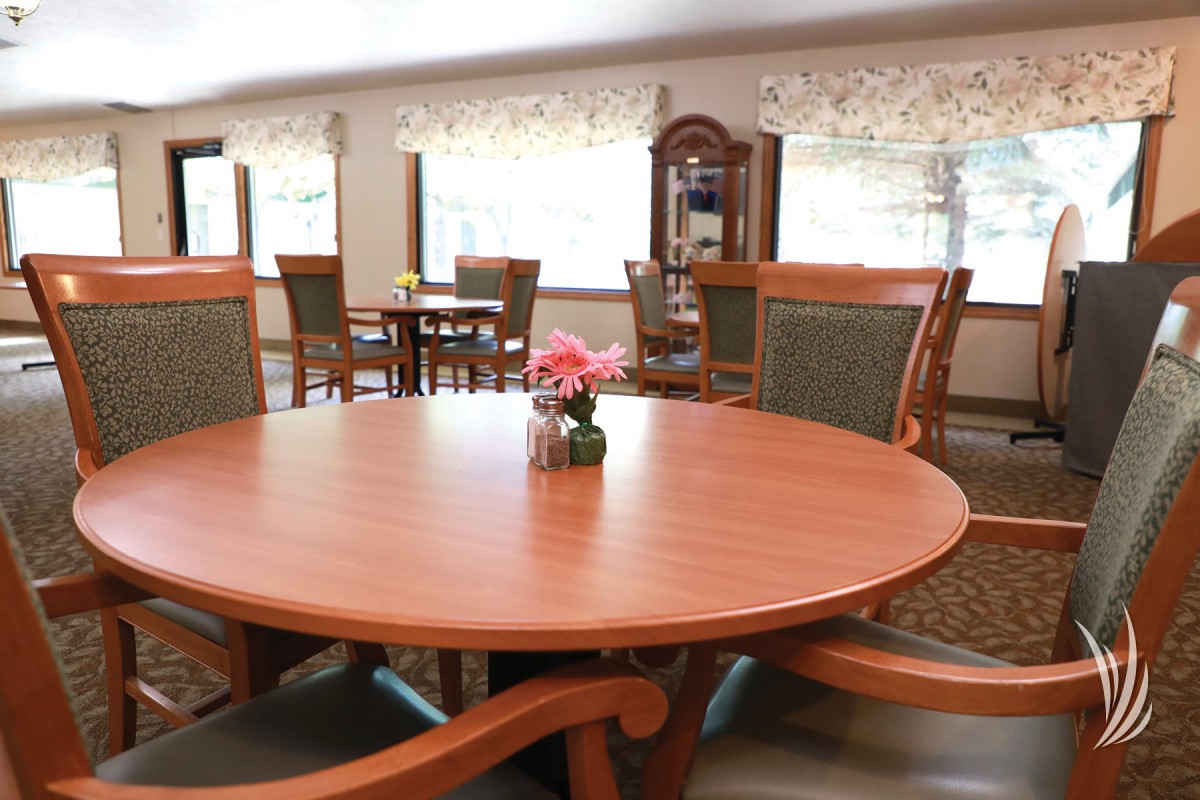
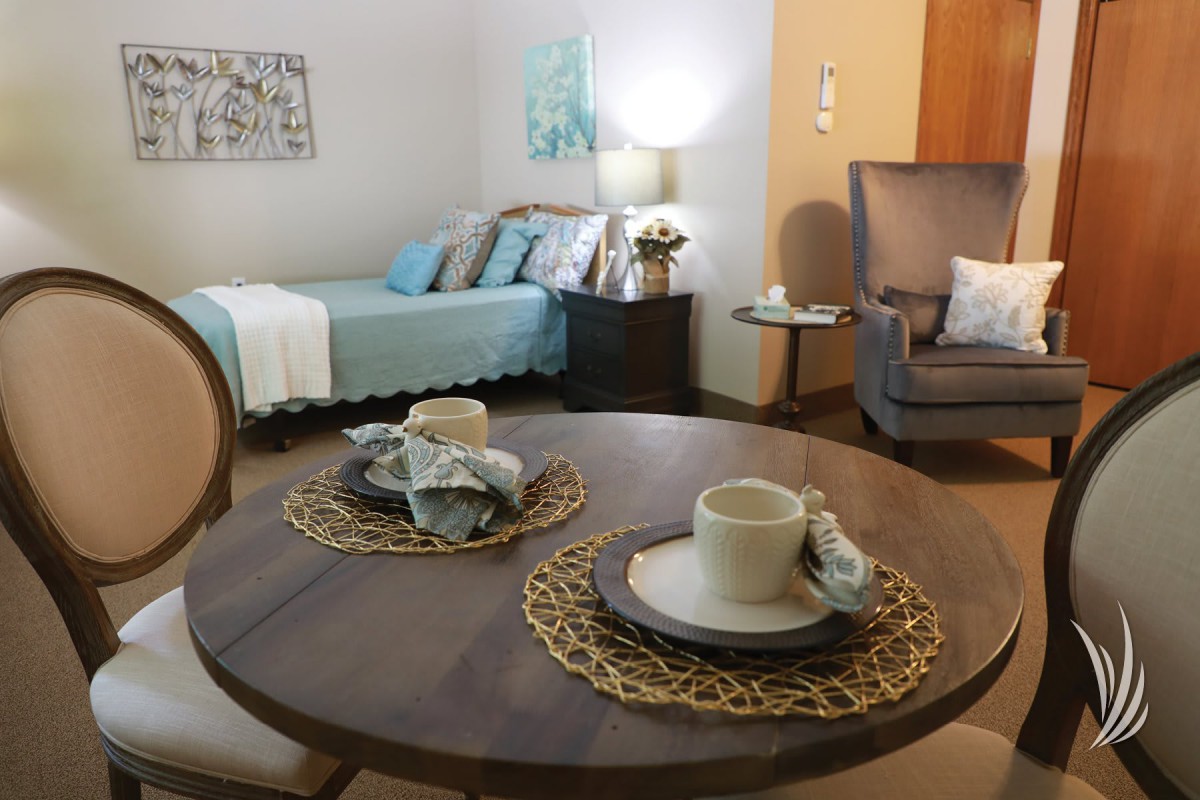
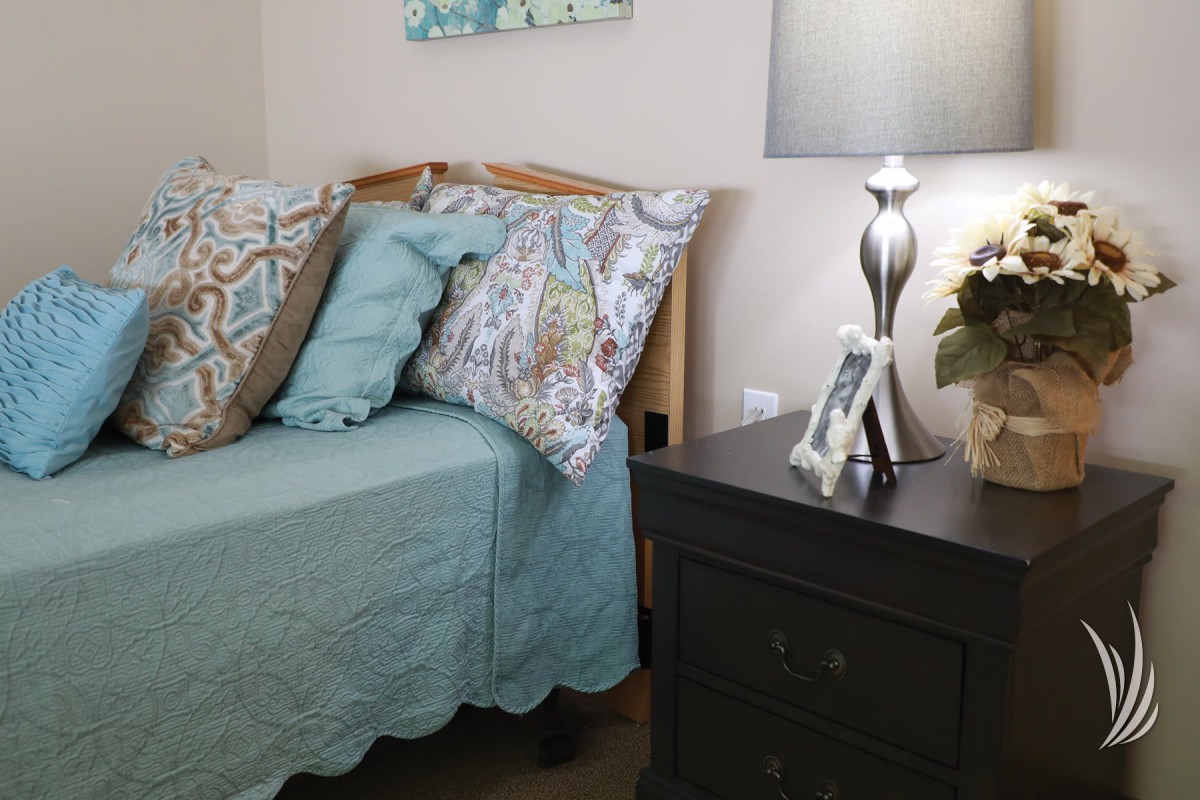
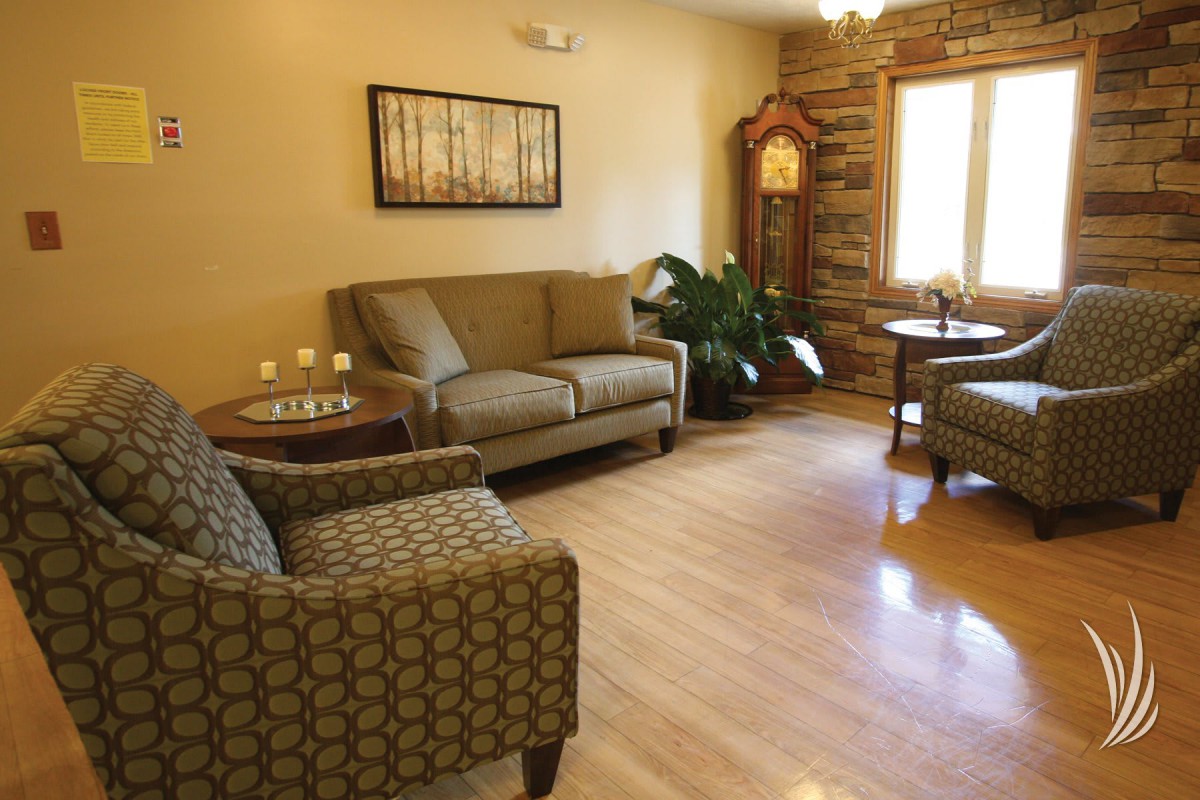
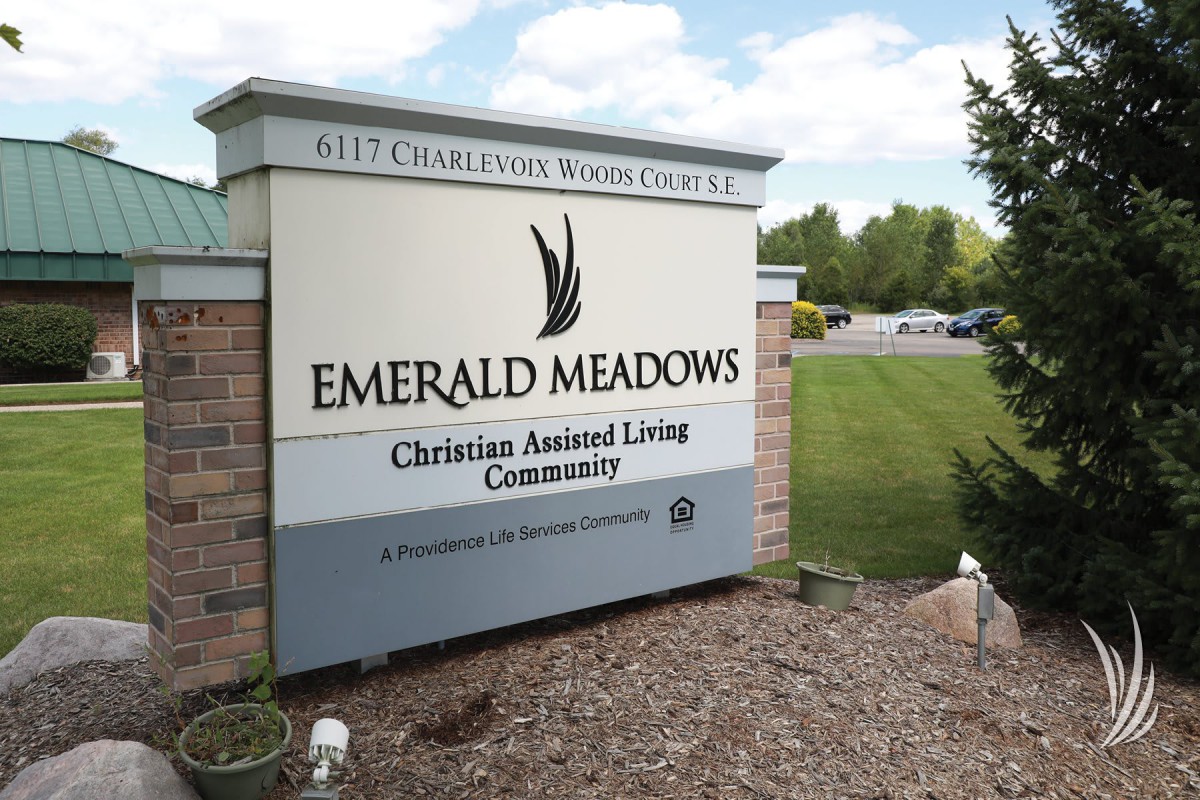
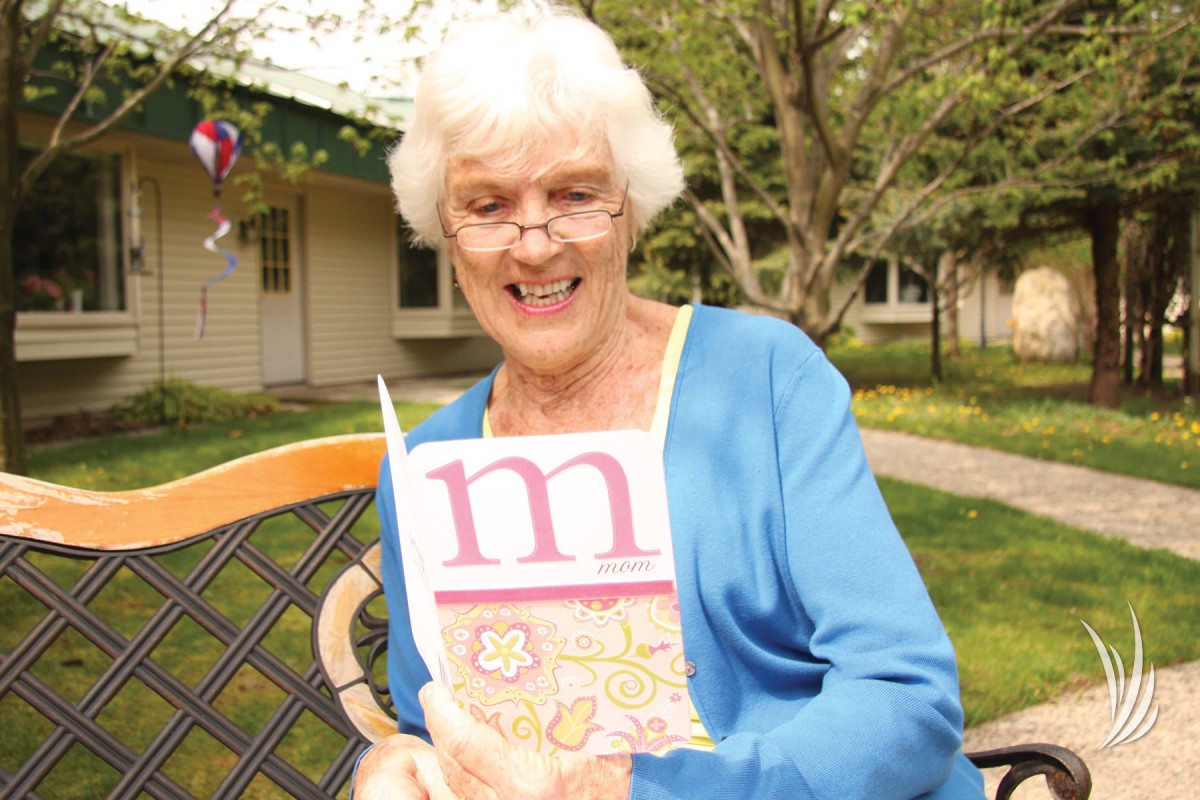
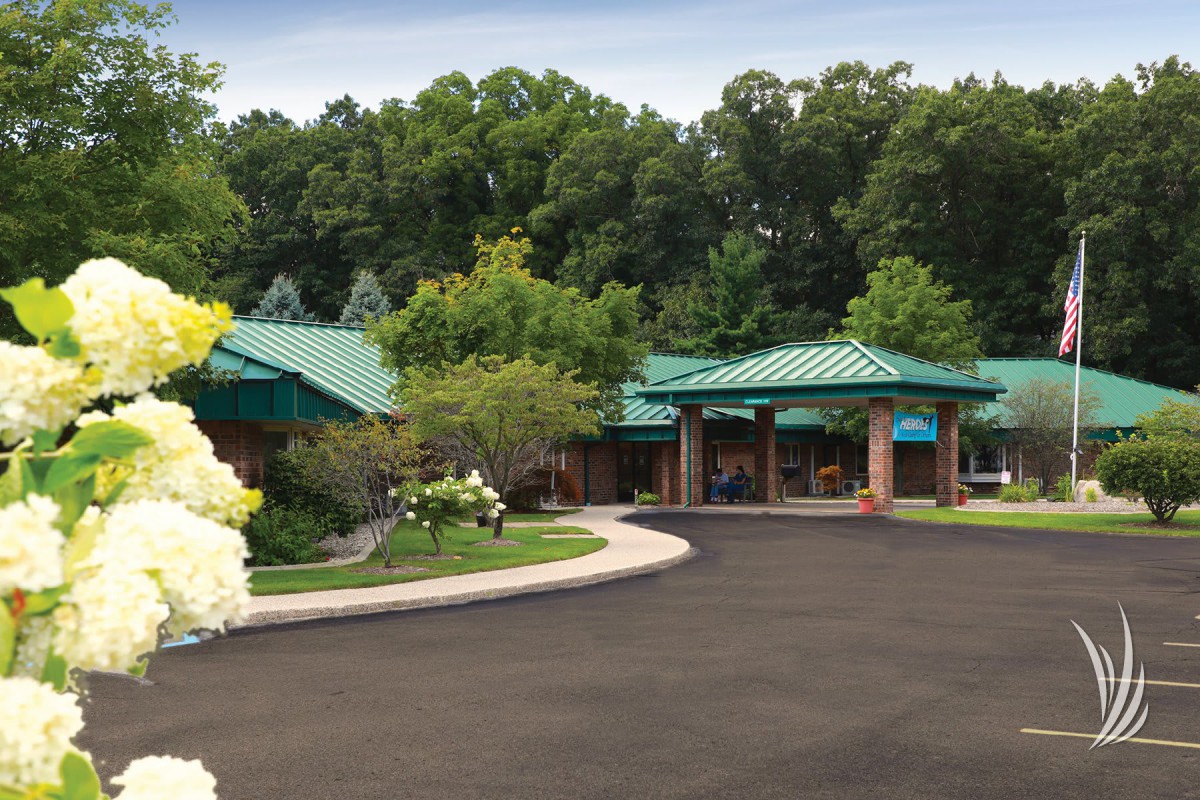
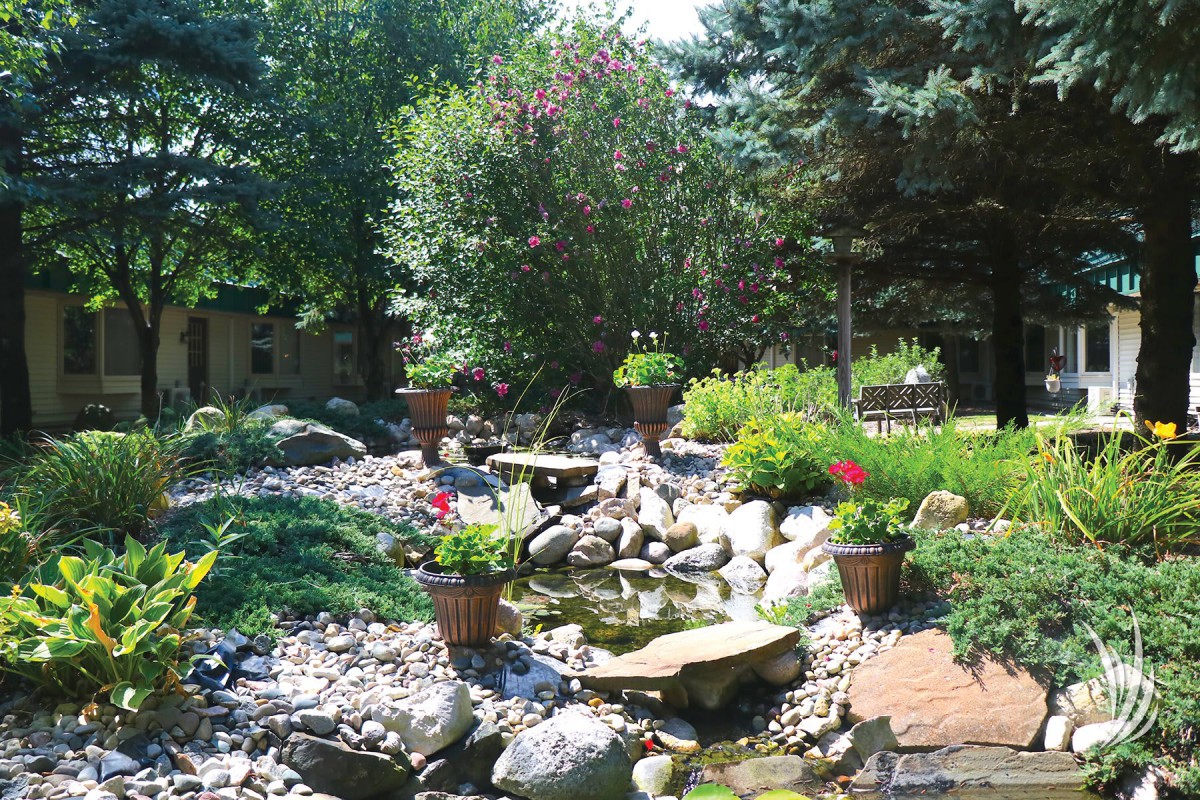
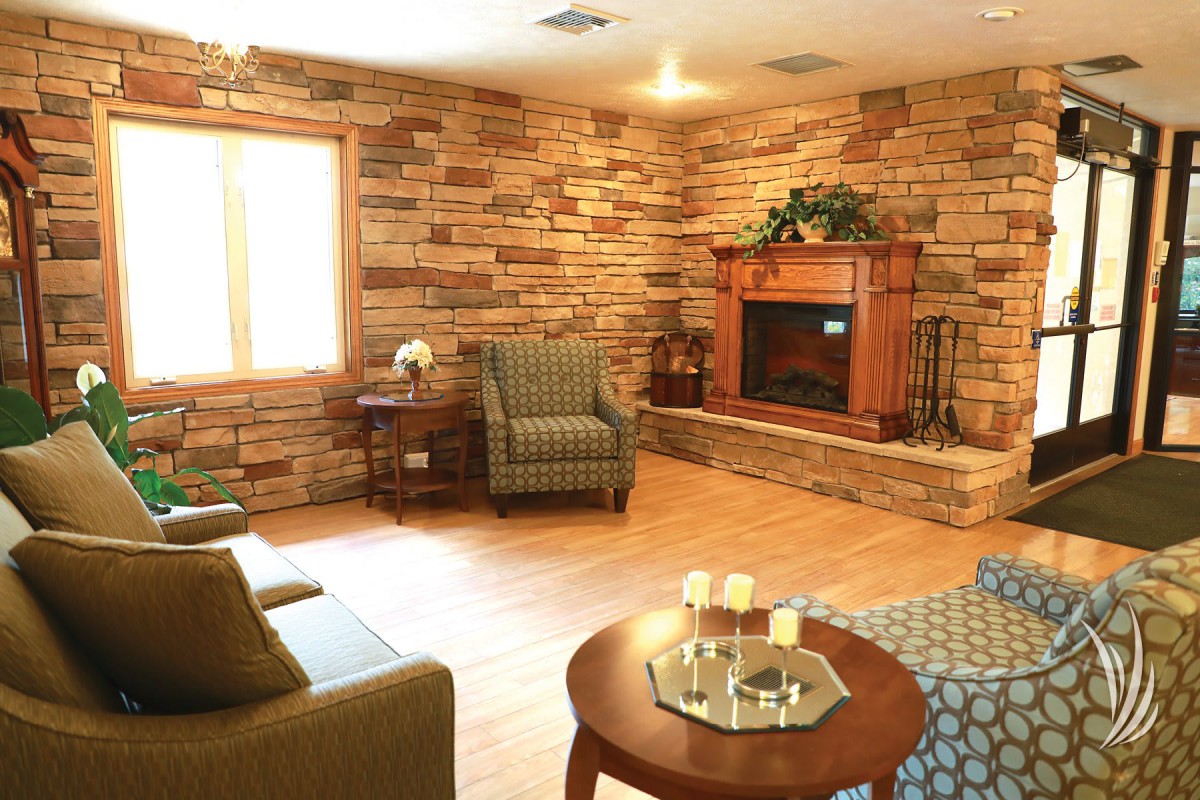
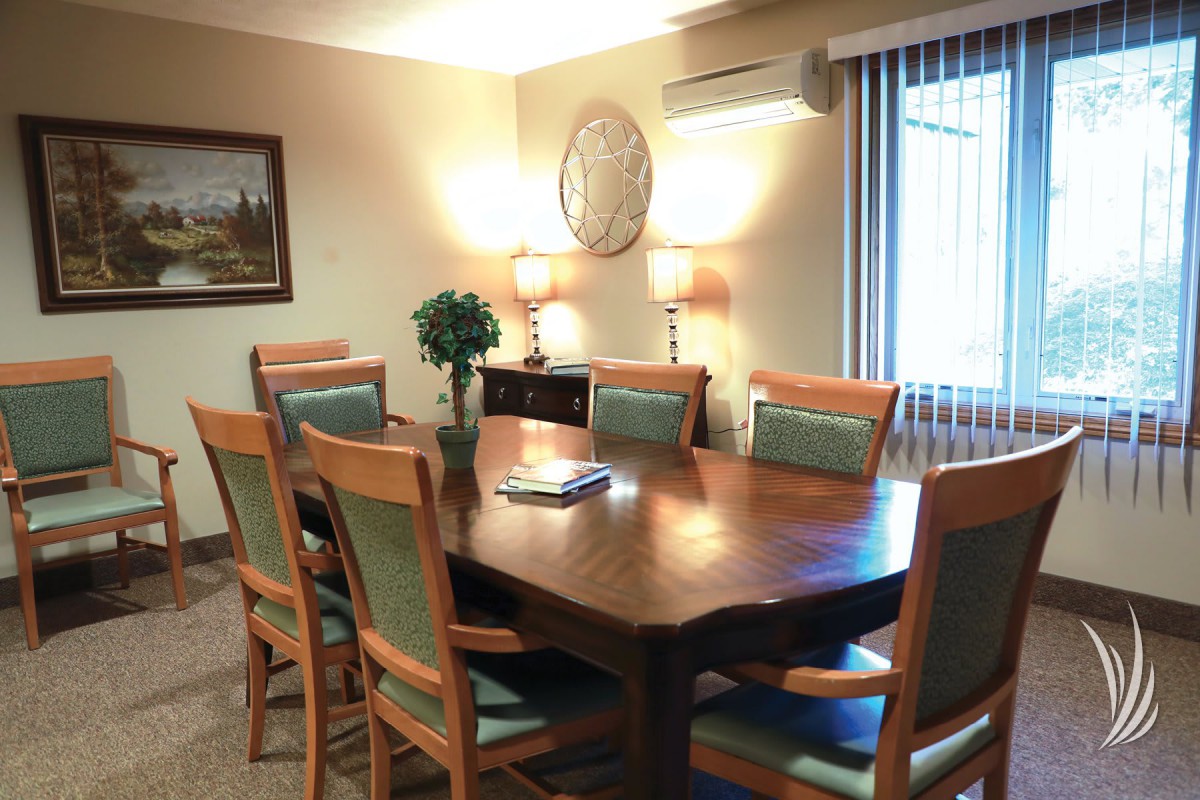
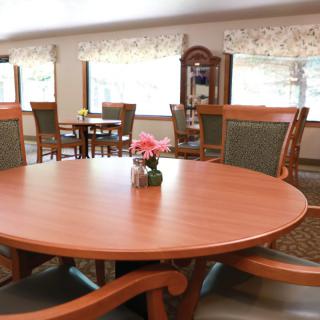
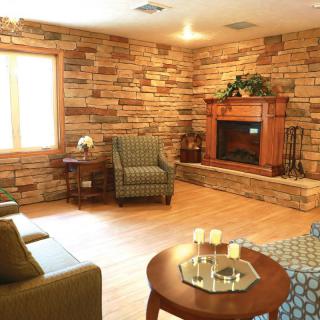
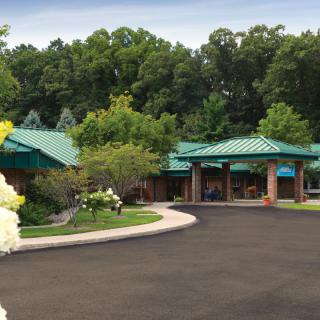
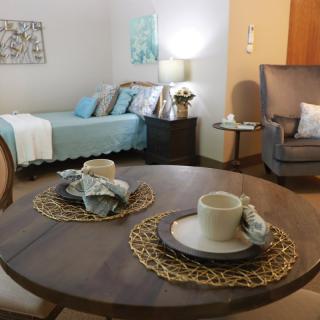
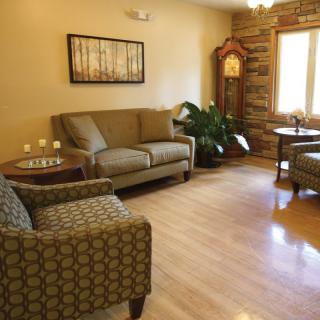
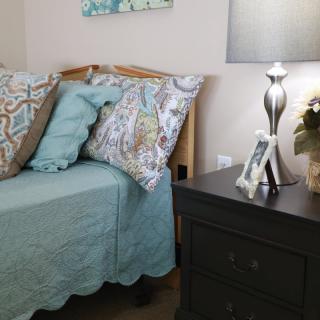
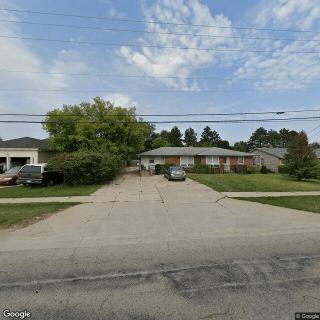
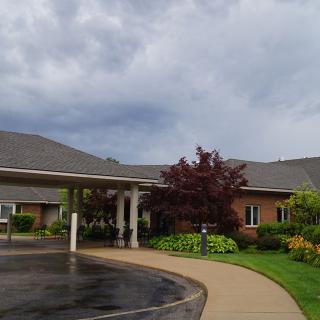
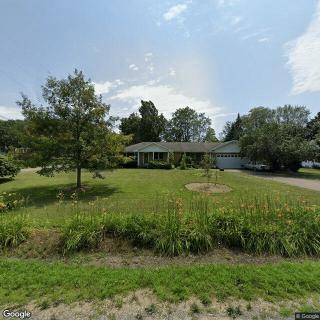
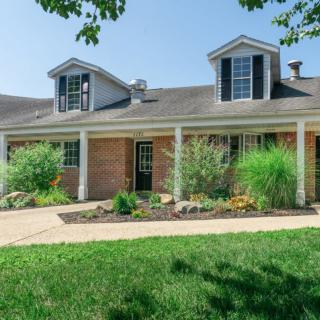
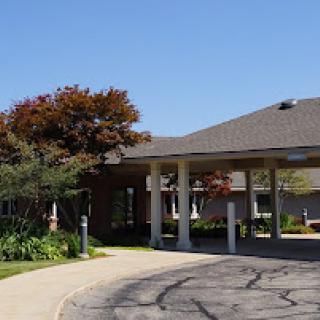
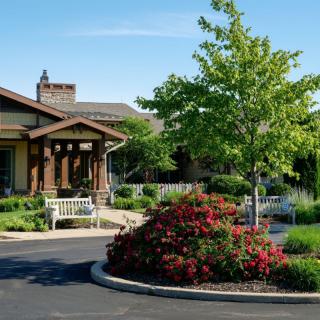
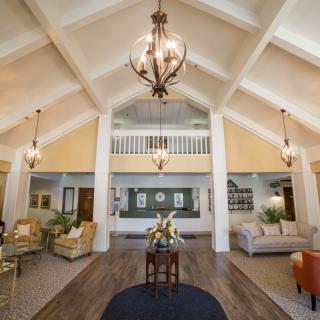
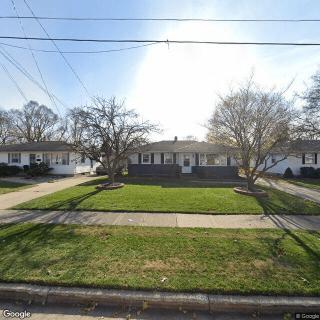
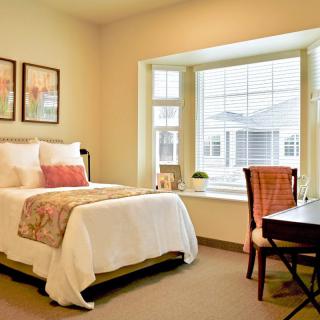
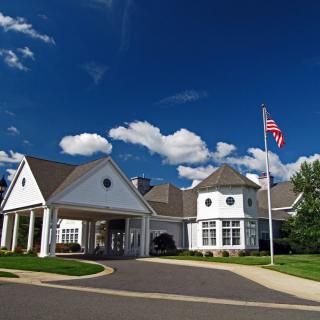
Care Cardinal Cascade on seniors.fyi includes 12 photos including images showing decor, bedroom, outdoors, living room, interior, dining, building, landscaping, and more.
Nearby Communities
Emerald Meadows
Grand Rapids, MI
4.6 from 40 reviews
Kind, attentive staff; clean, well-maintained facility with varied activities and comfortable rooms.
Always There In Home Care
Grand Rapids, MI
5 from 24 reviews
Strong care with extensive nearby amenities (health, dining, worship, entertainment).
Sunrise of Cascade
Grand Rapids, MI
3.9 from 84 reviews
$4,260 to $6,540 / month
Caring, dedicated staff in a warm, engaging, and clean environment.
Sentinel Pointe
Grand Rapids, MI
4.6 from 85 reviews
$3,100 to $4,400 / month
Friendly, caring staff and a strong sense of community with engaging activities.
Oakwood Manor Assisted Living LLC
Grand Rapids, MI
$2,500 to $3,000 / month
Specialized memory care with personalized assistance and diabetic care.
ComForCare Home Care- Greater Grand Rapids
Grand Rapids, MI
4.7 from 3 reviews
$2,685 to $5,600 / month
Caring, well-organized staff with proactive owner oversight and activity engagement.
Cascade Trails Senior Living
Grand Rapids, MI
4.7 from 97 reviews
$4,950 to $6,000 / month
Friendly, attentive staff with engaging activities and spacious, well-maintained apartments.
The Village of Heather Hills
Grand Rapids, MI
4.5 from 99 reviews
$3,550 to $3,850 / month
Beautifully remodeled facility with caring staff and engaging activities.
Cook Valley Estates
Grand Rapids, MI
4.4 from 17 reviews
Cozy, well-designed apartments with multiple dining rooms.
Assisted living provides moderate support for seniors seeking independence, while memory care offers specialized support for individuals with dementia or cognitive impairments through structured routines and trained staff. Key differences include care approaches, environment security measures, staff training levels, activity types, and cost considerations.
Choosing between assisted living and nursing homes involves evaluating emotional and financial factors, with assisted living offering independence and support for daily activities at a lower cost, while nursing homes provide intensive medical care for individuals with significant health needs. The decision is influenced by personal preferences, health status, cognitive function, and varying Medicaid coverage across states.
The article presents eight strategies for preserving cognitive health and memory in older adults, emphasizing a nutrient-rich diet, regular exercise, intellectually stimulating activities, adequate sleep, social connections, stress management techniques, limiting harmful substances, and regular medical checkups to mitigate age-related memory decline.
Get PricingAsk A QuestionSchedule A TourContact Senior Advisor
By clicking submit, you agree to our Partner's Terms of Use. You
also consent to receive calls and texts, which may be autodialed, from our Partner. Your consent is not a condition to
using our Partner's service. Please visit our Partner's Privacy Policy for information about their privacy practices.




 Assisted Living
 Memory Care
 Cats allowed
 Dogs allowed
 Activities off-site
 Bath tubs
 Beautician on-site
 Devotional services on-site
 Indoor common areas
 Kitchenette
 Outdoor common areas
 Respite or short term stays offered
 Wheelchair accessible showers
 Kent County International (2 miles away)
 Ambulatory care
 Diabetic care
 Incontinence care
 Medication management
 Meals provided
 Day trips and outings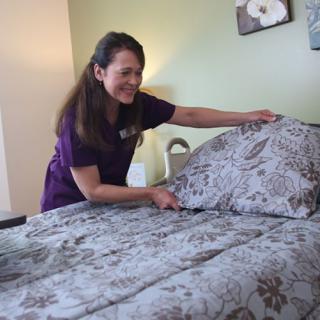
 Kind, attentive staff; clean, well-maintained facility with varied activities and comfortable rooms.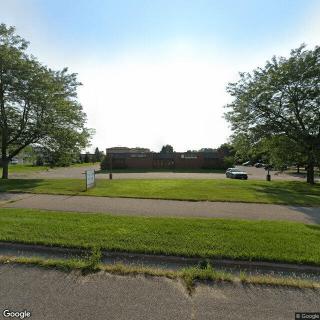

 Assisted Living and Memory Care: Understanding Their Core Differences
 Choosing the Right Senior Care: A Detailed Exploration of Assisted Living and Nursing Homes
 Safeguarding Your Memory Through the Golden Years: Eight Ways to Preserve Cognitive Health