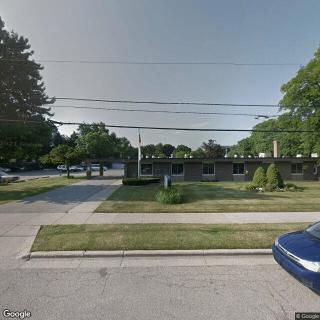
Georgetown Manor East in Grandville, MI

141 Port Sheldon Road, Grandville, MI 49418

For more information about senior living options: (844) 490-3973

4.4 from 20 reviews
5 stars
16
4 stars
1
3 stars
0
2 stars
0
1 stars
3

Assisted Living Board and Care Home Memory Care

What level of care are you interested in?

Assisted Living

Memory Care

Independent Living

Skilled Nursing Facility

Continuing Care Retirement Community (CCRC)CCRC

Other


Request a tour at Georgetown Manor East

    Overall Review of Georgetown Manor East

    Pros

    • pro He has excellent care, a caring staff, and activities to choose from.
    • pro The staff is friendly, caring, and attentive to residents' needs.
    • pro The facility is clean and well maintained.
    • pro Residents are called by name and receive individualized care.
    • pro There are multiple daily activities, including music and games, to keep residents engaged.
    • pro The meals are good and portions can be adjusted as needed.
    • pro Rooms are private and comfortable with the necessary amenities.

    Cons

    • pro The administration team prioritizes punctuality over staff training and personalized care.
    • pro Staff are overworked with no breaks or gratitude.
    • pro The dementia unit is understaffed, leading to chaos.
    • pro There have been numerous instances of only one staff member on the dementia unit.
    • pro The administration team spends more time on their phones than filling gaps in the schedule.
    • pro The facility has bed bugs and stink bugs.

    Review

    Georgetown Manor East in Grandville, MI is best suited for families seeking a warm, home-like assisted living or memory-care setting where caregivers build real relationships with residents. The campus is organized in smaller, clearly defined areas, and staff are known to residents by name, which translates into daily reassurance and quicker, more personalized responses. For loved ones who value regular social programming, outings, and meals that feel thoughtfully prepared, this community delivers a steady rhythm that can stabilize routines and reduce anxiety for someone adjusting to care.

    However, this is not a fit for every family. Those who demand near-perfect staffing stability - the kind where shifts are consistently covered and dementia-care needs are met with predictability - should consider alternatives. Several reviews flag administrative prioritization over front-line care, with concerns about overworked staff and scheduling gaps in the dementia unit when state oversight is absent. A few families describe the memory-care unit as occasionally understaffed, which can translate into slower responses during busy periods. And while cleanliness and care are a common strength, pest issues surfaced in at least one account and deserve direct investigation during tours.

    On the plus side, the strongest pro is the staff's warmth and the degree of individualized attention. Families report caregivers who know residents' preferences, hold meals for late eaters, and adjust portions; staff are described as caring and patient, proactively organizing activities and ensuring residents stay engaged. The memory-care environment, while smaller, is noted for respectful interactions and name recognition, with staff able to detect changes in mood or health. Private rooms with in-room baths, a straightforward dining setup, and easy visiting access add to a sense of autonomy and dignity. A steady stream of daily programming - games, music, and outings - helps keep residents mentally active, which many families find crucial for quality of life.

    That said, there are logistical realities that temper the strength of the positives. The building is older, and although many accounts praise cleanliness, some families perceive the setting as smaller or less modern than newer campuses. The dining area can feel modest, and common spaces may be tight for a larger group. Memory care is staffed, but not immune to pressure during peak times, so families should verify staffing patterns, response times, and escalation processes. Price discussions appear in reviews, with Georgetown Manor East described as comparatively affordable in some comparisons, though total costs can rise with private rooms or additional memory-care services.

    From a decision-making perspective, the balance favors Georgetown Manor East when the priority is a personally attentive team within a smaller, home-like environment, where routines and family involvement matter and where caregivers know residents by name. The primary offset is that strong interpersonal care can compensate for some staffing variability, delivering daily engagement, consistent medication management, and reassurance for anxious families. Visitors can come and go with ease, updates are common, and residents often participate in structured activities that support cognitive and social well-being. The caveat remains: consistency can hinge on staff levels and administrative capacity, particularly on busier days.

    The practical conclusion is clear: Georgetown Manor East is a solid fit for residents who want an intimate, engaging setting with demonstrably caring staff and straightforward family access. It is less ideal for those who cannot tolerate occasional staffing variability, scheduling gaps, or a less modern facility feel. Prospective families should plan extended tours, meet the executive director and memory-care supervisor, and review care-planning and escalation procedures. Compare closely with Cambridge Manor or similar smaller campuses to gauge staffing stability, space, and program variety. A deliberate, well-informed visit - asking about day-to-day coverage, meal service, and activity schedules - will reveal whether this community aligns with the loved one's dignity, independence, and daily engagement priorities.

    Features

    Housing

    • 20 resident community capacity 20 resident community capacity

    Types of Care

    • Assisted Living Assisted LivingAssisted living facilities provide crucial support and care for seniors who may need help with daily tasks such as medication management, bathing, and meal preparation. These communities offer a safe and comfortable environment where seniors can maintain their independence while receiving the assistance they need to thrive in their golden years.
    • Board and Care Home Board and Care HomeBoard and care homes provide a smaller, more intimate setting for seniors who require assistance with daily tasks but do not need the level of care offered by a nursing home. They offer personalized care, meals, and social activities in a homelike environment, ensuring that seniors receive individualized attention and support in their golden years.
    • Memory Care Memory CareMemory care is crucial for seniors as it provides specialized support and services for individuals with dementia or Alzheimer's disease. These programs offer a safe and secure environment where residents receive personalized care, cognitive stimulation, and help with daily activities. Memory care helps seniors maintain their independence, quality of life, and dignity while also providing peace of mind for their families.

    Amenities

    • Beauty salon Beauty salonBeauty salons are important for seniors because they provide a space for them to feel pampered, socialize, and maintain their personal grooming and hygiene. Regular visits to a beauty salon can help boost seniors' self-esteem and overall well-being.
    • Cable or satellite TV Cable or satellite TVCable or satellite TV is important for seniors because it provides entertainment, news, and companionship, helping to combat loneliness and boredom. It also offers a wide range of programming options tailored to different interests and preferences.
    • Dining room Dining roomDining rooms are important for seniors as they provide a space for socialization, connection, and nutritious meals. They offer opportunities for residents to bond over shared meals, foster a sense of community, and promote healthy eating habits. Dining rooms also ensure that seniors have access to well-balanced meals tailored to their dietary needs and preferences.
    • Fully furnished Fully furnishedFully furnished senior living communities are important for seniors because they provide convenience, comfort, and a hassle-free moving experience. Seniors can easily settle into their new living space without the stress of having to buy and move furniture. This allows them to focus on enjoying their new home and community.
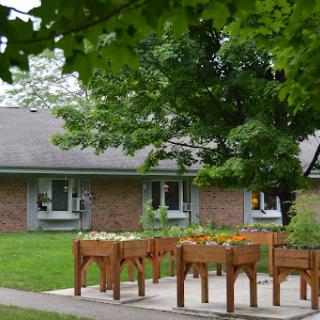
    • Garden GardenGardens are important for seniors as they provide a peaceful and therapeutic environment for relaxation, physical activity, and socialization. Being in nature has been shown to reduce stress, improve mood, and promote overall well-being. Gardens also offer opportunities for seniors to engage in gardening activities, which can improve mobility, flexibility, and cognitive function. Additionally, gardens create a sense of community and connection with others who share a passion for plants and outdoor spaces.
    • Housekeeping services Housekeeping servicesHousekeeping services are important for seniors because they help maintain a clean and safe living environment, promote independence, and reduce the risk of accidents or illnesses. Additionally, having assistance with household chores can alleviate physical strain and allow seniors to focus on other aspects of their well-being.
    • Kitchenette KitchenetteKitchenettes are important for seniors living in senior living communities because they provide the convenience and independence of being able to prepare simple meals and snacks in the comfort of their own living space. This can help promote a sense of autonomy and well-being for seniors, allowing them to maintain some level of control over their dietary choices and daily routines.
    • Move-in coordination Move-in coordinationMove-in coordination is important for seniors because it helps ease the transition into their new living environment. It ensures that all logistics, such as packing, organizing movers, and setting up utilities are taken care of, allowing seniors to focus on settling in and adjusting to their new home. Having a smooth move-in process can alleviate stress and anxiety, making the transition smoother and more enjoyable for seniors.
    • Outdoor space Outdoor spaceOutdoor spaces are important for seniors as they provide opportunities for physical activity, social interaction, exposure to natural light and fresh air, and a sense of connection to nature. Having access to outdoor spaces can improve overall well-being and quality of life for older adults living in senior communities.
    • Telephone TelephoneTelephones are important for seniors as they provide a lifeline for communication with loved ones, emergency services, and healthcare providers. They offer a sense of security and independence, enabling seniors to stay connected and access assistance when needed.
    • Wi-Fi/high-speed internet available Wi-Fi/high-speed internet availableWi-Fi/high-speed internet is important for seniors to stay connected with loved ones, access online resources, and participate in virtual activities to combat feelings of loneliness and isolation. It also allows them to easily manage healthcare needs, access entertainment, and engage in lifelong learning opportunities.

    Transportation

    • Kent County International (13 miles away) Kent County International (13 miles away)

    Care Services

    • 24-hour call system 24-hour call system24-hour call systems are important for seniors because they provide peace of mind and immediate assistance in case of emergencies. This technology ensures that help is always available, promoting safety and security for elderly individuals living alone or in assisted living facilities.
    • 24-hour supervision 24-hour supervision24-hour supervision is important for seniors to ensure their safety, well-being, and access to immediate assistance in case of emergencies or health issues. This constant support provides peace of mind for both seniors and their loved ones, allowing them to age in place with dignity and security.
    • Activities of daily living assistance Activities of daily living assistanceActivities of daily living assistance are important for seniors because they provide essential support with tasks such as eating, bathing, dressing, and mobility. This assistance helps seniors maintain their independence, dignity, and overall quality of life as they age.
    • Assistance with bathing Assistance with bathingAssistance with bathing is crucial for seniors as it helps maintain personal hygiene, prevents infections, and ensures their overall well-being and comfort. It also provides a sense of dignity and independence for seniors who may struggle with this task on their own.
    • Assistance with dressing Assistance with dressingAssistance with dressing is important for seniors because it helps maintain their independence, promotes personal hygiene, prevents accidents and injuries, and improves overall quality of life. This service ensures that seniors can continue to dress comfortably and confidently, despite any physical limitations they may have.
    • Assistance with transfers Assistance with transfersAssistance with transfers is crucial for seniors as it helps prevent falls and injuries, maintains their independence, and ensures they can safely navigate their living environment. It also provides peace of mind for both seniors and their loved ones.
    • Coordination with health care providers Coordination with health care providersCoordination with health care providers is crucial for seniors to ensure proper medical care, medication management, and overall well-being. This collaboration helps prevent overlapping treatments, track progress more effectively, and provide comprehensive support tailored to individual needs.
    • Dementia waiver Dementia waiverDementia waivers are essential for seniors as they provide critical protections and accommodations for those experiencing cognitive decline. These waivers ensure individuals with dementia receive appropriate care, support, and resources to maintain their quality of life and dignity as they navigate the challenges of this progressive condition.
    • Diabetes diet Diabetes dietA diabetes diet is crucial for seniors as it helps manage blood sugar levels, reduce risks of complications, and improve overall health and well-being. By following a balanced and nutritious diet tailored to their specific needs, seniors can better control their diabetes and enhance their quality of life.
    • Hospice waiver Hospice waiverHospice waivers are important for seniors because they allow individuals to receive specialized end-of-life care and support at home or in a hospice facility. This waiver ensures that seniors can access the necessary resources and services to maintain comfort and dignity during their final days.
    • Meal preparation and service Meal preparation and serviceMeal preparation and service are crucial for seniors as they may have limited mobility or energy to cook nutritious meals. Having access to healthy and convenient food options can ensure they are getting the proper nutrition needed to maintain their overall health and well-being.
    • Medication management Medication managementMedication management is crucial for seniors to ensure they are taking the right medications at the correct dosages and times. This helps prevent adverse drug interactions, reduces the risk of medication errors, and promotes overall health and well-being. Proactive management also allows for adjustments as needed based on changing health conditions or new prescriptions.
    • Mental wellness program Mental wellness programMental wellness programs are essential for seniors as they promote cognitive stimulation, emotional support, and social engagement. These programs help prevent isolation, depression, and cognitive decline, ultimately enhancing the overall quality of life for older adults.
    • Mild cognitive impairment Mild cognitive impairment"Mild cognitive impairment" is important for seniors because it is an early stage of cognitive decline that can potentially progress to more severe conditions such as dementia. Recognizing and addressing mild cognitive impairment can help seniors receive appropriate care and support to maintain their quality of life and independence for as long as possible.
    • Special dietary restrictions Special dietary restrictionsSpecial dietary restrictions are important for seniors because age-related changes in metabolism and health conditions can make it difficult for their bodies to process certain foods. By following a diet tailored to their specific needs, seniors can maintain their overall health and well-being, manage chronic conditions, and reduce the risk of complications such as malnutrition or food interactions with medications.
    • Specialized memory care programming Specialized memory care programmingSpecialized memory care programming is crucial for seniors with cognitive impairments such as dementia or Alzheimer's disease. These programs provide a safe and supportive environment tailored to the unique needs of individuals with memory loss, helping them maintain their independence, dignity, and quality of life.
    • Transportation arrangement (medical) Transportation arrangement (medical)Transportation arrangements for medical purposes are essential for seniors as they may have difficulty driving themselves to appointments or accessing public transportation. Having reliable and safe transportation options ensures that seniors can receive timely medical care and maintain their health and well-being.
    • Transportation to doctors appointments Transportation to doctors appointmentsTransportation to doctors' appointments is crucial for seniors as it ensures they have access to necessary medical care and support for their health needs. Without reliable transportation, seniors may struggle to attend important appointments, leading to potential delays in treatment and health complications. Providing transportation services helps seniors maintain their overall well-being and quality of life.

    Dining

    • Diabetes diet Diabetes dietA diabetes diet is crucial for seniors as it helps manage blood sugar levels, reduce risks of complications, and improve overall health and well-being. By following a balanced and nutritious diet tailored to their specific needs, seniors can better control their diabetes and enhance their quality of life.
    • Special dietary restrictions Special dietary restrictionsSpecial dietary restrictions are important for seniors because age-related changes in metabolism and health conditions can make it difficult for their bodies to process certain foods. By following a diet tailored to their specific needs, seniors can maintain their overall health and well-being, manage chronic conditions, and reduce the risk of complications such as malnutrition or food interactions with medications.

    Activities

    • Community-sponsored activities Community-sponsored activitiesCommunity-sponsored activities are important for seniors as they provide opportunities for social interaction, mental stimulation, and physical activity. These activities can help improve overall well-being, combat loneliness and isolation, and promote a sense of belonging and purpose among older adults.
    • Scheduled daily activities Scheduled daily activitiesScheduled daily activities are important for seniors because they provide structure, socialization, mental stimulation, and physical activity. Engaging in regular activities can improve overall well-being and quality of life for seniors living in a community setting.

    Description

    Georgetown Manor East is an assisted living community located in Grandville, MI. Our community offers both board and care home services as well as specialized memory care for those with dementia or mild cognitive impairment.

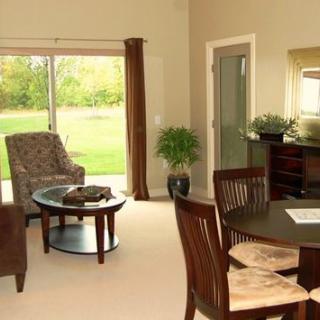
    Residents at Georgetown Manor East enjoy a variety of amenities to enhance their quality of life. Each room is fully furnished and equipped with cable or satellite TV, telephone, and Wi-Fi/high-speed internet. Our community also features a dining room where residents can enjoy delicious meals prepared by our staff. Housekeeping services are provided to ensure a clean and comfortable living environment.

    For recreation and relaxation, Georgetown Manor East provides outdoor space and gardens for residents to explore and enjoy. We also offer move-in coordination services to assist new residents in transitioning smoothly into our community.

    The well-being of our residents is our top priority, which is why we provide 24-hour supervision and assistance with activities of daily living such as bathing, dressing, and transfers. Our dedicated staff works closely with health care providers to ensure that residents receive the necessary medical care and medication management.

    At Georgetown Manor East, we understand the importance of maintaining mental wellness. That's why we offer a mental wellness program designed to support the emotional well-being of our residents.

    Dining at our community caters to special dietary restrictions, ensuring that all residents receive nutritious and delicious meals tailored to their needs. In addition, we schedule daily activities to keep residents engaged and entertained.

    Convenience is key at Georgetown Manor East, with various amenities located nearby. There are two cafes, four parks, 14 pharmacies, 13 physicians' offices, 15 restaurants, two places of worship, one theater, and two hospitals all within close proximity.

    If you're looking for an assisted living community that provides personalized care in a comfortable setting, look no further than Georgetown Manor East in Grandville, MI.

    Nearby Places of Interest

    Restaurants

    • McDonald's (0.2 miles)
    • Rush Creek Bistro (0.9 miles)
    • Cracker Barrel (1 miles)
    • Uccello's Ristorante Pizzeria & Sports Lounge (1.9 miles)
    • Olive Garden (2.1 miles)
    • Los Amigos (2.1 miles)
    • Applebee's (2.1 miles)

    Cafes

    • Starbucks (0.4 miles)
    • Starbucks (1.8 miles)
    • The Intersection (7 miles)
    • Real Food Cafe (7.1 miles)

    Pharmacies

    • Walgreens (0.5 miles)
    • Walmart Pharmacy (1.3 miles)
    • D & W Pharmacy (1.8 miles)
    • Meijer Pharmacy (2.4 miles)
    • Walgreens (2.5 miles)
    • CVS Pharmacy (3.3 miles)
    • Family Fare Supermarkets (3.4 miles)

    Physicians

    • Natural Health Improvement Center (1.2 miles)
    • Grand Rapids Ophthalmology (1.7 miles)
    • Metro Health (2.1 miles)
    • Spectrum Health Medical Group - Rivertown IM/Pediatrics (2.4 miles)
    • SVS Vision Optical Centers (2.6 miles)
    • ABC Pediatrics (2.8 miles)
    • Sonus Hearing Care Professionals (3.1 miles)

    Theaters

    • Celebration! Cinema RiverTown (2.2 miles)
    • Studio Park (7.2 miles)
    • Celebration Cinema Stu (7.2 miles)

    Parks

    • Millennium Park (3.4 miles)
    • Lemery Park (3.4 miles)
    • Hager Park (3.4 miles)
    • Hughes Park (4.5 miles)
    • Chesebro Park (7.4 miles)

    Places of Worship

    • Cornerstone Methodist (3.9 miles)
    • Chapel Pointe (4 miles)
    • Madison Square Christian Reformed Church (6.9 miles)

    Hospitals

    • Metro Health Hospital (4.6 miles)
    • Trinity Health Medical Center (4.8 miles)
    • St Marys Hospital (7.4 miles)
    • Trinity Health Birth Center - Grand Rapids Hospital (7.4 miles)
    • Richard J. Lacks Sr. Cancer Center (7.5 miles)

    Transportation

    • Amtrak - Grand Rapids Vernon J. Ehlers Station (6.9 miles)

    Frequently Asked Questions

    Where is Georgetown Manor East?
    Does Georgetown Manor East provide care for residents with dementia or Alzheimer's disease?

    Nearby Communities

    • Georgetown Manor

      Georgetown Manor

      Grandville, MI


      pro Assisted living with diabetic care and ready access to nearby pharmacies, physicians, hospitals, and dining options.

    • Georgetown & Cambridge Assisted Living

      Georgetown & Cambridge Assisted Living

      Grandville, MI

      4.1 from 13 reviews
       

      pro Homelike board-and-care with 24/7 supervision and specialized memory care.

    • Cambridge Manor

      Cambridge Manor

      Grandville, MI


      pro Personalized assisted living with on-site activities and diabetic care.

    • Grandville Friendship Home 2

      Grandville Friendship Home 2

      Grandville, MI


      pro Comprehensive assisted living with 24/7 supervision, ADL support, diabetes-friendly meals, and transportation to medical appointments.

    • Schieber Adult Foster Care

      Schieber Adult Foster Care

      Grandville, MI


      pro Intimate, home-like setting with comprehensive care.

    • Sunset Manor

      Sunset Manor

      Jenison, MI

      4.7 from 23 reviews
       

      pro Caring staff and a wide range of amenities.

    • Waterford Place

      Waterford Place

      Jenison, MI

      4.6 from 60 reviews
       

      pro New, modern apartments with a continuum of care and abundant amenities; professional, caring staff.

    • Medilodge Of Wyoming

      Medilodge Of Wyoming

      Wyoming, MI

      4.3 from 110 reviews
       

      pro Caring staff with engaging activities in a clean, well-maintained setting.

    • Laurels Of Hudsonville

      Laurels Of Hudsonville

      Hudsonville, MI

      4 from 63 reviews
       

      pro Caring staff and prompt medical attention on admission.

    Related Resources

    • assisted living vs nursing homeChoosing the Right Senior Care: A Detailed Exploration of Assisted Living and Nursing Homes

      Choosing between assisted living and nursing homes involves evaluating emotional and financial factors, with assisted living offering independence and support for daily activities at a lower cost, while nursing homes provide intensive medical care for individuals with significant health needs. The decision is influenced by personal preferences, health status, cognitive function, and varying Medicaid coverage across states.

    • how to prevent memory loss in old ageSafeguarding Your Memory Through the Golden Years: Eight Ways to Preserve Cognitive Health

      The article presents eight strategies for preserving cognitive health and memory in older adults, emphasizing a nutrient-rich diet, regular exercise, intellectually stimulating activities, adequate sleep, social connections, stress management techniques, limiting harmful substances, and regular medical checkups to mitigate age-related memory decline.

    • activities of daily livingComprehensive Insights into Activities of Daily Living (ADLs) and Their Assessment

      Activities of Daily Living (ADLs) are fundamental tasks vital for an individual's independence, particularly in older adults over 85, and include functions like bathing and dressing; assessing ADLs alongside Instrumental Activities of Daily Living (IADLs) helps determine the level of required assistance due to age-related health challenges. Tailored support plans, involving family and community resources, are essential for maintaining dignity and autonomy in assisted living environments.


    Get Pricing Ask A Question Schedule A Tour Contact Senior Advisor