
141 Port Sheldon Rd SW, Grandville, MI 49418
To contact a resident: (616) 457-3050
For more information about senior living options: (866) 208-4318
Overall Review of Georgetown Manor
Pros
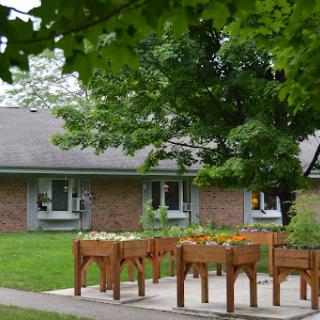
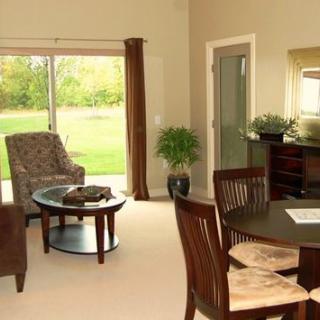
 The facility feels very warm and homey.
- It provides excellent care with a caring staff and a range of activities.
- The care quality and compassionate staff leave families very pleased.
- The staff is friendly and the food is among the best.
- There are caring people at the facility.
Cons
 The administration team values punctuality more than training its staff or personalizing each person's care.
- The administration overworks its staff uncontrollably with no breaks or gratitude.
- The dementia unit has only one regular employee, leaving everything in chaos.
- The administrative team spends more time on their phones than filling in gaps in the schedule.
- There have been numerous instances when only one person was on the dementia unit and the administrative team allowed it.
- The facility has bed bugs and stink bugs.
Review
Georgetown Manor in Grandville, Michigan is best suited for families seeking a warm, home-like atmosphere where meals are satisfying, daily routines feel predictable, and residents can participate in a robust activity calendar. It works particularly well for seniors who don’t require constant, highly specialized memory-care protocols yet still need attentive, personal care from a friendly team. The environment tends to feel grounded and personal, which can ease the emotional transition for a loved one who values familiarity and social engagement over clinical precision.
That said, serious memory-care needs or a demand for consistently staffed dementia care should steer families toward alternatives. Several reviews flag gaps on the dementia unit, sporadic staffing, chaotic scheduling, and administration that seems to prioritize punctuality over training and individualized care. Those signals translate into real risk when a resident requires steady supervision and proactive redirection. Add reports of pests and environmental maintenance concerns, and the calculus shifts toward caution for anyone with heightened safety or cleanliness expectations.
On the positive side, the strongest selling points are tangible: a welcoming, homey vibe; genuinely caring people; an appealing activity lineup; and meals that residents frequently praise as among the best around. When the non-memory-care teams are functioning well, families report high-quality care and a supportive, sociable atmosphere. The presence of attentive staff who engage residents in meaningful ways can offset some structural weaknesses, especially for those who thrive on daily companionship and routine. In practical terms, Georgetown Manor delivers meaningful comfort for residents who respond well to personal attention and a sense of community.
Yet the cons are not minor. An administrative emphasis on punctuality over staff training and personalized caregiving creates a systemic drift away from individual needs. Overworked caregivers, with limited breaks, can experience burnout that undermines the consistency of care. In the dementia unit, reported single-coverage on some shifts and limited regular staffing point to safety vulnerabilities and uneven attention to residents with complex needs. The impression that administrators spend more time on phones than filling gaps in the schedule compounds the risk of missed cues and delayed responses. When this is paired with pest concerns, bed bugs and stink bugs, the day-to-day living experience becomes unsettled and harder to trust.
Families evaluating Georgetown Manor should press beyond brochure promises and observe closely: request direct time with the dementia-unit lead or nursing supervisor, review current staffing schedules, and seek transparent pest-control records and preventive treatments. Inquire about how often memory-care staff rotate, how shifts are covered during breaks, and what level of supervision exists during nights and weekends. Ask what contingencies are in place when a caregiver is unavailable and how quickly help arrives to a call light. If these factors cannot be verified or there is doubt about sustained staffing reliability, it is prudent to consider other communities with stronger dementia-care governance and more consistent on-site oversight.
The bottom line is clear. Georgetown Manor is a compelling option for families who prize warmth, engagement, and solid general care, provided there is active family involvement and an understanding of occasional organizational rough edges. For loved ones whose memory-care needs require consistently high staffing levels and rigorous, predictable programming, or for households unwilling to tolerate pest concerns and administrative bottlenecks, exploring alternatives is the wiser course. The decision should hinge on the resident’s memory-care requirements, the family’s capacity to advocate daily, and a candid appraisal of whether the care team’s strengths can reliably outweigh the operational gaps over time.
 Assisted Living
 Activities on-site
 Devotional services off-site
 Indoor common areas
 Kent County International (13 miles away)
 Ambulatory care
 Diabetic care
 Meals provided



 Exploring the Contrasts Between Assisted Living and Skilled Nursing
 8 Key Indicators That Suggest It May Be Time to Transition from Assisted Living to Skilled Nursing Care
 Vibrant Senior Living: A Comprehensive Guide for Active Older Adults