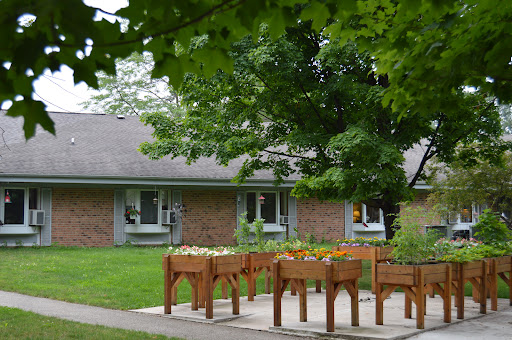
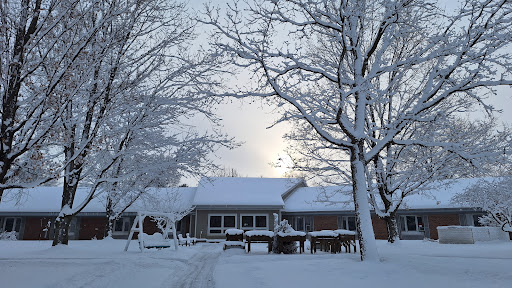
Georgetown & Cambridge Assisted Living in Grandville, MI

Save
Georgetown & Cambridge Assisted Living Georgetown & Cambridge Assisted Living

Georgetown & Cambridge Assisted Living in Grandville, MI

141-151 Port Sheldon Road, Grandville, MI 49418

For more information about senior living options: (844) 490-3973

4.1 from 13 reviews
5 stars
10
4 stars
0
3 stars
0
2 stars
0
1 stars
3

Assisted Living Board and Care Home

What level of care are you interested in?

Assisted Living

Memory Care

Independent Living

Skilled Nursing Facility

Continuing Care Retirement Community (CCRC)CCRC

Other


Request a tour at Georgetown & Cambridge Assisted Living

    Overall Review of Georgetown & Cambridge Assisted Living

    Pros

    • pro The environment is very warm and homey.
    • pro The facility provides excellent care with a caring staff and a variety of activities.
    • pro Families are very pleased with the quality of care.
    • pro There are caring people working there.
    • pro Everything is excellent here, with friendly staff and good food.

    Cons

    • pro The administration team values punctuality more than training their staff and personalizing each person's cares.
    • pro They overwork their staff uncontrollably with no breaks or gratitude.
    • pro They don't have any regular employees on the dementia unit except one person, so everything is chaos.
    • pro The administrative team spends more time on their phones than filling in gaps in the schedule (unless state comes).
    • pro There have been numerous times when only one person was on the dementia unit while the administrative team allowed it.
    • pro The facility has bed bugs and stink bugs.

    Review

    Georgetown & Cambridge Assisted Living in Grandville is best suited for seniors who want a warm, home-like environment with an active social calendar and attentive, personable caregivers. The community tends to attract families prioritizing daily warmth, meaningful interaction, and a nurturing atmosphere over clinical precision. Residents report a cozy, inviting feel and staff who genuinely engage, translating into regular help with daily routines and encouragement to participate in activities. Those who flourish here typically do not require intensive memory-care supervision or highly standardized routines. For families seeking a setting that mirrors home life with plenty of companionship, this is a strong contender; for those needing extremely predictable, dementia-focused care and ironclad safety protocols, alternatives merit serious comparison.

    However, this is not the right fit for every situation. Families with residents who need robust, highly specialized memory-care staffing may want to consider alternatives. The dementia unit has raised red flags in several accounts, with concerns about limited dedicated staffing, scheduling gaps, and a perception that administrative priorities can undermine consistent, personalized care. The descriptions include overworked aides, little relief for caregivers, and moments when a single staff member carries the weight on the memory-care floor. Such dynamics threaten safety and quality for residents requiring steady, specialized attention. Add to that pest-related cleanliness concerns that reviewers have flagged, and the calculus shifts toward caution for memory-care needs.

    On the positive side, the homey feel, welcoming demeanor, and robust activity options stand out. Multiple reviewers describe staff as caring and approachable, with residents forming meaningful connections and receiving practical assistance with daily routines. The dining program also earns praise, with residents pointing to flavorful meals and a menu that makes meals something to look forward to. These strengths translate into higher satisfaction for residents who value social engagement and predictable, enjoyable routines. In practice, that warmth and engagement can be a meaningful buffer against loneliness and a contributor to overall well-being. Yet warmth and activity offerings cannot fully compensate for systemic staffing gaps in memory care or unresolved pest issues when memory support is the core need.

    That said, the most consequential downsides lie with administrative practices and dementia-care staffing. Reports describe a focus on punctuality and schedule filling over deep, individualized care planning, with staff described as overworked and underappreciated. The dementia unit appears understaffed and inconsistently managed, sometimes leaving one caregiver to supervise residents while others are tied up elsewhere. The perception of ongoing chaos around shift changes and caregiver allocations undermines reliability and could impact safety for vulnerable residents. When such structural issues intersect with pest concerns, the environment can feel unstable, diminishing the reliability families rely on when evaluating placement for a loved one.

    For families evaluating Georgetown & Cambridge, practical diligence is essential. During visits, observe how staff interact with residents across the memory-care wing, and note whether aides appear supported and whether there are enough hands on deck during peak times. Request concrete staffing data: average ratios on the dementia unit, turnover rates, and how care plans are updated. Seek transparent pest-control history and a clear remediation plan if issues persist. Review menus and activity calendars to ensure measures align with dietary needs and cognitive levels, and assess whether the activities staff can tailor offerings to individual residents. If memory-care stability and pest-free environments are non-negotiable, exploring alternatives with stronger dementia-focused staffing and stringent cleanliness controls is prudent.

    Georgetown & Cambridge offers undeniable warmth, practical care, and a lively social fabric that can make daily life enjoyable for many seniors. For residents who prioritize companionship, consistent kindness from staff, and flavorful meals, the positives can outweigh the drawbacks. Yet the combination of memory-care staffing fragility and pest-related concerns creates meaningful risk for anyone needing steady, specialized dementia support. The community carries a 4.1 rating from a modest pool of reviews, reflecting strong enthusiasm from some families and serious reservations from others. If that balance aligns with a family's tolerance for oversight and expectations around dementia-care reliability, this option warrants serious consideration; otherwise, exploring alternatives with more consistent dementia-focused staffing and stringent cleanliness controls is a prudent move.

    Features

    Housing

    • 20 resident community capacity 20 resident community capacity

    Types of Care

    • Assisted Living Assisted LivingAssisted living facilities provide crucial support and care for seniors who may need help with daily tasks such as medication management, bathing, and meal preparation. These communities offer a safe and comfortable environment where seniors can maintain their independence while receiving the assistance they need to thrive in their golden years.
    • Board and Care Home Board and Care HomeBoard and care homes provide a smaller, more intimate setting for seniors who require assistance with daily tasks but do not need the level of care offered by a nursing home. They offer personalized care, meals, and social activities in a homelike environment, ensuring that seniors receive individualized attention and support in their golden years.

    Amenities

    • Beauty salon Beauty salonBeauty salons are important for seniors because they provide a space for them to feel pampered, socialize, and maintain their personal grooming and hygiene. Regular visits to a beauty salon can help boost seniors' self-esteem and overall well-being.
    • Cable or satellite TV Cable or satellite TVCable or satellite TV is important for seniors because it provides entertainment, news, and companionship, helping to combat loneliness and boredom. It also offers a wide range of programming options tailored to different interests and preferences.
    • Dining room Dining roomDining rooms are important for seniors as they provide a space for socialization, connection, and nutritious meals. They offer opportunities for residents to bond over shared meals, foster a sense of community, and promote healthy eating habits. Dining rooms also ensure that seniors have access to well-balanced meals tailored to their dietary needs and preferences.
    • Fully furnished Fully furnishedFully furnished senior living communities are important for seniors because they provide convenience, comfort, and a hassle-free moving experience. Seniors can easily settle into their new living space without the stress of having to buy and move furniture. This allows them to focus on enjoying their new home and community.
    • Garden GardenGardens are important for seniors as they provide a peaceful and therapeutic environment for relaxation, physical activity, and socialization. Being in nature has been shown to reduce stress, improve mood, and promote overall well-being. Gardens also offer opportunities for seniors to engage in gardening activities, which can improve mobility, flexibility, and cognitive function. Additionally, gardens create a sense of community and connection with others who share a passion for plants and outdoor spaces.
    • Housekeeping services Housekeeping servicesHousekeeping services are important for seniors because they help maintain a clean and safe living environment, promote independence, and reduce the risk of accidents or illnesses. Additionally, having assistance with household chores can alleviate physical strain and allow seniors to focus on other aspects of their well-being.
    • Kitchenette KitchenetteKitchenettes are important for seniors living in senior living communities because they provide the convenience and independence of being able to prepare simple meals and snacks in the comfort of their own living space. This can help promote a sense of autonomy and well-being for seniors, allowing them to maintain some level of control over their dietary choices and daily routines.
    • Move-in coordination Move-in coordinationMove-in coordination is important for seniors because it helps ease the transition into their new living environment. It ensures that all logistics, such as packing, organizing movers, and setting up utilities are taken care of, allowing seniors to focus on settling in and adjusting to their new home. Having a smooth move-in process can alleviate stress and anxiety, making the transition smoother and more enjoyable for seniors.
    • Outdoor space Outdoor spaceOutdoor spaces are important for seniors as they provide opportunities for physical activity, social interaction, exposure to natural light and fresh air, and a sense of connection to nature. Having access to outdoor spaces can improve overall well-being and quality of life for older adults living in senior communities.
    • Telephone TelephoneTelephones are important for seniors as they provide a lifeline for communication with loved ones, emergency services, and healthcare providers. They offer a sense of security and independence, enabling seniors to stay connected and access assistance when needed.
    • Wi-Fi/high-speed internet available Wi-Fi/high-speed internet availableWi-Fi/high-speed internet is important for seniors to stay connected with loved ones, access online resources, and participate in virtual activities to combat feelings of loneliness and isolation. It also allows them to easily manage healthcare needs, access entertainment, and engage in lifelong learning opportunities.

    Transportation

    • Kent County International (13 miles away) Kent County International (13 miles away)

    Care Services

    • 24-hour call system 24-hour call system24-hour call systems are important for seniors because they provide peace of mind and immediate assistance in case of emergencies. This technology ensures that help is always available, promoting safety and security for elderly individuals living alone or in assisted living facilities.
    • 24-hour supervision 24-hour supervision24-hour supervision is important for seniors to ensure their safety, well-being, and access to immediate assistance in case of emergencies or health issues. This constant support provides peace of mind for both seniors and their loved ones, allowing them to age in place with dignity and security.
    • Activities of daily living assistance Activities of daily living assistanceActivities of daily living assistance are important for seniors because they provide essential support with tasks such as eating, bathing, dressing, and mobility. This assistance helps seniors maintain their independence, dignity, and overall quality of life as they age.
    • Assistance with bathing Assistance with bathingAssistance with bathing is crucial for seniors as it helps maintain personal hygiene, prevents infections, and ensures their overall well-being and comfort. It also provides a sense of dignity and independence for seniors who may struggle with this task on their own.
    • Assistance with dressing Assistance with dressingAssistance with dressing is important for seniors because it helps maintain their independence, promotes personal hygiene, prevents accidents and injuries, and improves overall quality of life. This service ensures that seniors can continue to dress comfortably and confidently, despite any physical limitations they may have.
    • Assistance with transfers Assistance with transfersAssistance with transfers is crucial for seniors as it helps prevent falls and injuries, maintains their independence, and ensures they can safely navigate their living environment. It also provides peace of mind for both seniors and their loved ones.
    • Coordination with health care providers Coordination with health care providersCoordination with health care providers is crucial for seniors to ensure proper medical care, medication management, and overall well-being. This collaboration helps prevent overlapping treatments, track progress more effectively, and provide comprehensive support tailored to individual needs.
    • Dementia waiver Dementia waiverDementia waivers are essential for seniors as they provide critical protections and accommodations for those experiencing cognitive decline. These waivers ensure individuals with dementia receive appropriate care, support, and resources to maintain their quality of life and dignity as they navigate the challenges of this progressive condition.
    • Diabetes diet Diabetes dietA diabetes diet is crucial for seniors as it helps manage blood sugar levels, reduce risks of complications, and improve overall health and well-being. By following a balanced and nutritious diet tailored to their specific needs, seniors can better control their diabetes and enhance their quality of life.
    • Hospice waiver Hospice waiverHospice waivers are important for seniors because they allow individuals to receive specialized end-of-life care and support at home or in a hospice facility. This waiver ensures that seniors can access the necessary resources and services to maintain comfort and dignity during their final days.
    • Meal preparation and service Meal preparation and serviceMeal preparation and service are crucial for seniors as they may have limited mobility or energy to cook nutritious meals. Having access to healthy and convenient food options can ensure they are getting the proper nutrition needed to maintain their overall health and well-being.
    • Medication management Medication managementMedication management is crucial for seniors to ensure they are taking the right medications at the correct dosages and times. This helps prevent adverse drug interactions, reduces the risk of medication errors, and promotes overall health and well-being. Proactive management also allows for adjustments as needed based on changing health conditions or new prescriptions.
    • Mental wellness program Mental wellness programMental wellness programs are essential for seniors as they promote cognitive stimulation, emotional support, and social engagement. These programs help prevent isolation, depression, and cognitive decline, ultimately enhancing the overall quality of life for older adults.
    • Special dietary restrictions Special dietary restrictionsSpecial dietary restrictions are important for seniors because age-related changes in metabolism and health conditions can make it difficult for their bodies to process certain foods. By following a diet tailored to their specific needs, seniors can maintain their overall health and well-being, manage chronic conditions, and reduce the risk of complications such as malnutrition or food interactions with medications.
    • Specialized memory care programming Specialized memory care programmingSpecialized memory care programming is crucial for seniors with cognitive impairments such as dementia or Alzheimer's disease. These programs provide a safe and supportive environment tailored to the unique needs of individuals with memory loss, helping them maintain their independence, dignity, and quality of life.
    • Transportation arrangement (medical) Transportation arrangement (medical)Transportation arrangements for medical purposes are essential for seniors as they may have difficulty driving themselves to appointments or accessing public transportation. Having reliable and safe transportation options ensures that seniors can receive timely medical care and maintain their health and well-being.
    • Transportation to doctors appointments Transportation to doctors appointmentsTransportation to doctors' appointments is crucial for seniors as it ensures they have access to necessary medical care and support for their health needs. Without reliable transportation, seniors may struggle to attend important appointments, leading to potential delays in treatment and health complications. Providing transportation services helps seniors maintain their overall well-being and quality of life.

    Dining

    • Diabetes diet Diabetes dietA diabetes diet is crucial for seniors as it helps manage blood sugar levels, reduce risks of complications, and improve overall health and well-being. By following a balanced and nutritious diet tailored to their specific needs, seniors can better control their diabetes and enhance their quality of life.
    • Special dietary restrictions Special dietary restrictionsSpecial dietary restrictions are important for seniors because age-related changes in metabolism and health conditions can make it difficult for their bodies to process certain foods. By following a diet tailored to their specific needs, seniors can maintain their overall health and well-being, manage chronic conditions, and reduce the risk of complications such as malnutrition or food interactions with medications.

    Activities

    • Community-sponsored activities Community-sponsored activitiesCommunity-sponsored activities are important for seniors as they provide opportunities for social interaction, mental stimulation, and physical activity. These activities can help improve overall well-being, combat loneliness and isolation, and promote a sense of belonging and purpose among older adults.
    • Scheduled daily activities Scheduled daily activitiesScheduled daily activities are important for seniors because they provide structure, socialization, mental stimulation, and physical activity. Engaging in regular activities can improve overall well-being and quality of life for seniors living in a community setting.

    Description

    Georgetown & Cambridge Assisted Living in Grandville, MI is a premier board and care home that offers exceptional care services to seniors in a comfortable and welcoming environment. Our community provides 24-hour supervision and assistance with daily living activities, including bathing, dressing, and transfers. We also offer specialized memory care programming for residents with dementia.

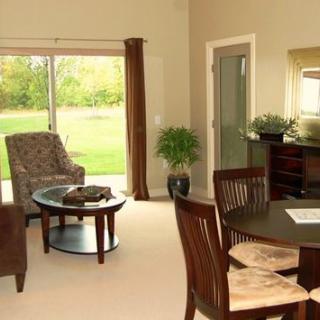
    At Georgetown & Cambridge Assisted Living, we understand the importance of creating a homelike atmosphere for our residents. Each accommodation is fully furnished and includes amenities such as cable or satellite TV, a telephone, Wi-Fi/high-speed internet access, and housekeeping services. Our residents can enjoy delicious meals prepared by our staff according to specific dietary restrictions.

    To keep our residents engaged and active, we offer scheduled daily activities that cater to their interests and abilities. They can also take advantage of the outdoor space and garden area for relaxation or socializing with other residents. Additionally, our community is conveniently located near two cafes, four parks, 14 pharmacies, 13 physicians' offices, 15 restaurants, two places of worship, one theater, and two hospitals.

    Our dedicated team at Georgetown & Cambridge Assisted Living ensures that each resident receives personalized care tailored to their needs. We coordinate with healthcare providers to ensure seamless communication and healthcare services for our residents. Transportation arrangements are available for medical appointments.

    If you or your loved one are looking for an assisted living community that prioritizes comfort, care, and convenience in Grandville, MI, Georgetown & Cambridge is the perfect choice. Contact us today to schedule a tour or to learn more about our exceptional services.

    Nearby Places of Interest

    Restaurants

    • McDonald's (0.2 miles)
    • Rush Creek Bistro (0.9 miles)
    • Cracker Barrel (1 miles)
    • Uccello's Ristorante Pizzeria & Sports Lounge (1.9 miles)
    • Olive Garden (2.1 miles)
    • Los Amigos (2.1 miles)
    • Applebee's (2.1 miles)

    Cafes

    • Starbucks (0.4 miles)
    • Starbucks (1.8 miles)
    • The Intersection (7 miles)
    • Real Food Cafe (7.1 miles)

    Pharmacies

    • Walgreens (0.5 miles)
    • Walmart Pharmacy (1.3 miles)
    • D & W Pharmacy (1.8 miles)
    • Meijer Pharmacy (2.4 miles)
    • Walgreens (2.5 miles)
    • CVS Pharmacy (3.3 miles)
    • Family Fare Supermarkets (3.4 miles)

    Physicians

    • Natural Health Improvement Center (1.2 miles)
    • Grand Rapids Ophthalmology (1.7 miles)
    • Metro Health (2.1 miles)
    • Spectrum Health Medical Group - Rivertown IM/Pediatrics (2.4 miles)
    • SVS Vision Optical Centers (2.6 miles)
    • ABC Pediatrics (2.8 miles)
    • Sonus Hearing Care Professionals (3.1 miles)

    Theaters

    • Celebration! Cinema RiverTown (2.2 miles)
    • Studio Park (7.2 miles)
    • Celebration Cinema Stu (7.2 miles)

    Parks

    • Millennium Park (3.4 miles)
    • Lemery Park (3.4 miles)
    • Hager Park (3.4 miles)
    • Hughes Park (4.5 miles)
    • Chesebro Park (7.4 miles)

    Places of Worship

    • Cornerstone Methodist (3.9 miles)
    • Chapel Pointe (4 miles)
    • Madison Square Christian Reformed Church (6.9 miles)

    Hospitals

    • Metro Health Hospital (4.6 miles)
    • Trinity Health Medical Center (4.8 miles)
    • St Marys Hospital (7.4 miles)
    • Trinity Health Birth Center - Grand Rapids Hospital (7.4 miles)
    • Richard J. Lacks Sr. Cancer Center (7.5 miles)

    Transportation

    • Amtrak - Grand Rapids Vernon J. Ehlers Station (6.9 miles)

    Frequently Asked Questions

    Where is Georgetown & Cambridge Assisted Living?

    Nearby Communities

    • Georgetown Manor

      Georgetown Manor

      Grandville, MI


      pro Assisted living with diabetic care and ready access to nearby pharmacies, physicians, hospitals, and dining options.

    • Georgetown Manor East

      Georgetown Manor East

      Grandville, MI

      4.4 from 20 reviews
       

      pro Clean, attentive staff with engaging activities and personalized dementia care.

    • Cambridge Manor

      Cambridge Manor

      Grandville, MI


      pro Personalized assisted living with on-site activities and diabetic care.

    • Grandville Friendship Home 2

      Grandville Friendship Home 2

      Grandville, MI


      pro Comprehensive assisted living with 24/7 supervision, ADL support, diabetes-friendly meals, and transportation to medical appointments.

    • Schieber Adult Foster Care

      Schieber Adult Foster Care

      Grandville, MI


      pro Intimate, home-like setting with comprehensive care.

    • Sunset Manor

      Sunset Manor

      Jenison, MI

      4.7 from 23 reviews
       

      pro Caring staff and a wide range of amenities.

    • Waterford Place

      Waterford Place

      Jenison, MI

      4.6 from 60 reviews
       

      pro New, modern apartments with a continuum of care and abundant amenities; professional, caring staff.

    • Medilodge Of Wyoming

      Medilodge Of Wyoming

      Wyoming, MI

      4.3 from 110 reviews
       

      pro Caring staff with engaging activities in a clean, well-maintained setting.

    • Laurels Of Hudsonville

      Laurels Of Hudsonville

      Hudsonville, MI

      4 from 63 reviews
       

      pro Caring staff and prompt medical attention on admission.

    Related Resources

    • activities of daily livingComprehensive Insights into Activities of Daily Living (ADLs) and Their Assessment

      Activities of Daily Living (ADLs) are fundamental tasks vital for an individual's independence, particularly in older adults over 85, and include functions like bathing and dressing; assessing ADLs alongside Instrumental Activities of Daily Living (IADLs) helps determine the level of required assistance due to age-related health challenges. Tailored support plans, involving family and community resources, are essential for maintaining dignity and autonomy in assisted living environments.

    • elderly parent refuses assisted livingGuiding Elderly Parents Who Refuse Assisted Living: 6 Practical Steps

      Family caregivers face emotional, legal, and practical challenges when elderly parents refuse assisted living, often due to fears of losing autonomy. Open conversations and professional assessments can help address these concerns while exploring alternatives and ensuring safety, potentially leading to legal guardianship if necessary.

    • luxury assisted livingYour Comprehensive Guide to Luxury Assisted Living: Elevated Facilities, Amenities, and Costs

      Luxury assisted living offers high-quality senior care in a resort-like environment that combines essential medical support, gourmet dining, and personalized services to enhance residents' independence and well-being. These upscale facilities emphasize holistic health and community-building through customized care plans and social activities, catering to the growing demand for enriched senior living experiences despite higher costs.


    Get Pricing Ask A Question Schedule A Tour Contact Senior Advisor