

151 Port Sheldon Rd SW, Grandville, MI 49418
To contact a resident: (616) 457-6010
For more information about senior living options: (866) 208-4318
Overall Review of Cambridge Manor
Pros
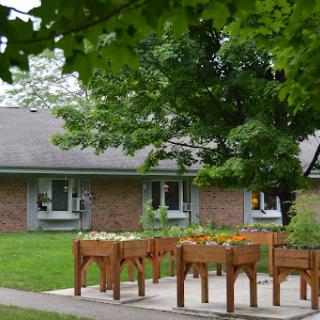
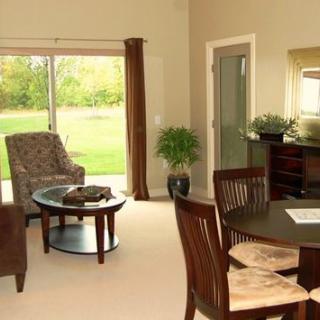
 It is very warm and homey.
- The care is excellent, with a caring staff and activities to choose from.
- The staff are caring.
- Everything is excellent here, with great, friendly staff and the best food around.
- A residentā€™s husband receives excellent care with a caring staff and activities to choose from.
Cons
 The administration team values punctuality over training staff and personalizing care.
- They overwork their staff uncontrollably with no breaks or gratitude.
- There are no regular employees on the dementia unit except one person, causing chaos.
- The administrative team spends more time on their phones than filling in gaps in the schedule.
- There have been numerous times when only one person was on the dementia unit and the administrative team let them.
- There are bed bugs and stink bugs; applicants should not apply.
Review
Cambridge Manor in Grandville, MI is best suited for families seeking a warm, homey atmosphere with solid dining and plenty of social activity, where residents respond well to personal attention from a caring staff. It works for seniors who value a welcoming, family-like environment and can tolerate some inconsistencies in specialized dementia care operations. The community shines for residents who appreciate regular programming, approachable caregivers, and meals that are repeatedly described as among the best around. Those who want a place that feels comforting and approachable, with a focus on daily warmth and interaction, will likely respond well. That said, this is not a campus with flawless memory-care governance, and families should weigh that reality carefully if a relative needs highly reliable, tightly coordinated dementia care.
The strongest positives center on ambiance, staff demeanor, and daily life. Several reviewers describe Cambridge Manor as warm and homey, with friendly, caring caregivers who show attentiveness in ordinary moments. The dining experience consistently earns praise, labeled as standout in a market where meals matter. Activities are cited as varied, giving residents options rather than leaving them idle, and one reviewer notes steady, reassuring care for a husband who is already a resident. When the emphasis is on humane, personable treatment and engaging daytime routines, Cambridge Manor delivers a comforting living environment that many families are seeking.
But significant concerns temper the appeal. The most serious red flags revolve around the dementia unit: claims of chronic understaffing, with only one regular employee reported for memory-care duties and a pattern of scheduling gaps. The administration is accused of prioritizing punctuality over comprehensive training and personalized care, resulting in periods described as chaotic on the dementia unit. Reports of staff being overworked without adequate breaks, and the administration spending time on phones instead of filling gaps in coverage, point to a governance issue that can undermine consistent, high-quality memory support. Such dynamics carry real risk for families with loved ones who require steady supervision and specialized routines.
The pest-and-sanitation note compounds the caution. A strong warning about bed bugs and stink bugs is not a minor inconvenience; it signals persistent environmental controls that may affect comfort, health confidence, and ongoing daily life. Even when the care on the general floor feels solid, infestation concerns are a deal-breaker for some families, especially those prioritizing a consistently clean, controls-driven memory-care setting. The combination of staffing instability in memory care and environmental quality concerns creates a substantial risk profile for anyone evaluating Cambridge Manor for long-term memory needs.
In choosing Cambridge Manor, the key question centers on memory care expectations. If a loved one is primarily independent or requires only light assistance with social engagement, safety, and general activities, the positives, warmth, good meals, and accessible staff, can outweigh the occasional governance hiccup. For families with someone who needs reliable, highly structured memory-care, however, alternatives should be explored. Look for communities with proven dementia-unit staffing consistency, stronger scheduling discipline, and verified pest-control history. The decision hinges on whether the homey atmosphere and broad activities suffice in light of the reported unit challenges and environmental concerns.
Practical next steps make the decision clearer. Tour Cambridge Manor with a focused eye on the dementia unit: request to meet the memory-care director, observe staffing patterns during key shifts, and ask for a transparent account of recent staffing rosters and turnover. Inquire about pest-control records, maintenance responsiveness, and any formal remediation plans. Speak with current families about how often care plans are updated, and whether staff truly tailor routines to individual needs. If these conversations reveal sustained strengths in warmth and engagement while exposing ongoing, controllable gaps in memory-care stability, Cambridge Manor remains worth considering. If not, proceed to compare with alternatives that prioritize uninterrupted memory-care governance and proven environmental cleanliness.
 Assisted Living
 Activities on-site
 Devotional services off-site
 Indoor common areas
 Kent County International (13 miles away)
 Ambulatory care
 Diabetic care
 Meals provided



 An Extensive Exploration of the VA Aid and Attendance Benefit
 Senior Transition Services: Understanding Their Role, Cost, and Importance
 Exploring the Path to Senior Living: A Comprehensive Look at Independent Living and Assisted Living