Pine Rest - Adrian Ave Home

6700 Adrian Avenue SE, Grand Rapids, MI 49548

For more information about senior living options: (844) 490-3973

2.4 from 100 reviews
5 stars
27
4 stars
6
3 stars
6
2 stars
5
1 stars
56

Assisted Living

Overall Review of Pine Rest - Adrian Ave Home

Pros

  • pro The overall service at Pine Rest campuses is good.
  • pro They accept all insurances.
  • pro They offer virtual and in-person visits.
  • pro Lifestance and Talkistry are great therapy options.
  • pro Dr. McFarren is absolutely amazing.
  • pro Micah is absolutely amazing as a group leader.
  • pro Derrick at the front desk and Ethan are absolutely amazing.

Cons

  • pro The billing is opaque and leads to large, unexpected charges that patients don't understand until they receive a big bill.
  • pro Staff promise patient assistance but patients still owe money, with treatments allegedly reclassified monthly to maximize charges.
  • pro The facility is seen as caring more about money than about patients' mental health.
  • pro In several cases, there was no improvement or the condition reportedly worsened after treatment.
  • pro Staff comments about electroshock therapy and claims that patients are faking symptoms caused fear, paranoia, and a sense of being followed.
  • pro Medications were abruptly stopped or swapped, resulting in adverse effects and perceived lack of care from staff.
  • pro Patients felt silenced and traumatized by the admission process and by not being informed about their rights (e.g., leaving during self-admission).
  • pro A psychiatrist was described as standoffish and dismissive, interrupting patients and suggesting inpatient care, with an unhelpful evaluation and poor follow-up.
  • pro Some group instructors were criticized for poor engagement, leading to negative class experiences and attendees not returning.
  • pro The overall message from reviewers is to seek care elsewhere, with claims that Pine Rest prioritizes profit over patient welfare.

Review

Pine Rest and the related networks like Lifestance and Talkistry come up repeatedly in these accounts as places where people seek help through a mix of virtual and in-person visits, with the common reassurance that they accept most insurance. The overall message, however, is that the care experience is highly uneven. Some individuals report genuine appreciation for certain clinicians and programs, while a large number of reviews focus on frustration, alarm, and financial stress. The sentiment ranges from "go elsewhere" to "thank you for the moments that helped," but the recurring themes are transparency, accountability, and the real-world consequences of administrative and clinical decisions.

A prominent thread across many experiences is a pervasive dissatisfaction with billing and cost transparency. Reviewers describe charges that feel unpredictable and opaque, with the sense that they only realize the final bill after procedures have already accumulated. They describe being under the impression that insurance would cover most costs only to be surprised by exorbitant copays, and they report being told about patient assistance programs that either do not end up helping as hoped or are not applied consistently. The impression is that treatment is reclassified or re-billed month after month to maximize what the facility can bill, leaving families feeling blindsided and financially drained even when they believed they were following the plan their insurer outlined. The frustration here is not only financial but also procedural - people expect clear, upfront numbers and a reliable path for any cost-saving programs, and what they experience instead is confusion and a sense that money drives more than patient welfare.

The accounts also reveal deeply troubling experiences involving family members, particularly a young adult with significant mental health challenges. One reviewer describes a year-long struggle with a son who experienced serious meltdowns, destructive outbursts, and intense anxiety and paranoia. The father or guardian relays that a staff member made a comment about electroshock therapy that left the son feeling pursued by staff and law enforcement, with a fear that his brain would be literally fried. The guardian believes the staff's insinuations - that the son was faking symptoms to obtain drugs - were harmful and dismissive of real needs. The overarching sense is that the son requires more than talk therapy or routine counseling; the family wants comprehensive, empathetic, and informed care that addresses a complex mental health condition rather than an environment that the reviewer interprets as punitive or stigmatizing. These narratives often end with a clear reluctance to return, framed as a plea for better understanding of and support for people with serious mental disorders.

Beyond these family stories, there are personal accounts of traumatic experiences within any setting where someone seeks care, particularly around involuntary or semi-voluntary stays. One reviewer shares that even years later, thinking about the experience still traumatizes them. They describe being told what they could sign and not being told that leaving was not possible if they had self-admitted, with the sense that nothing was done to prevent trauma from occurring again. The description includes abrupt medication changes - off one antidepressant and onto new medications with little to no tapering plan - and the introduction of gabapentin, which the reviewer links to severe drowsiness and even a dangerous motor event. The implication is that the environment and the medical management created lasting emotional damage rather than relief, and there is a strong desire to pursue legal action to address perceived mistreatment and neglect.

In another account, a person seeking a psych evaluation encountered a psychiatrist who seemed standoffish, interrupting and steering the conversation toward inpatient options instead of conducting a thorough evaluation. The reviewer felt their personal experiences were dismissed or reframed in a way that did not meet their needs, and they left with the impression that the care team prioritized institutional recommendations over individualized care. They described the prescribed approach as generic and insufficient, with little follow-up to schedule another appointment, leaving them dissatisfied and unsupported at a vulnerable moment. This experience reinforces the broader critique that some clinicians are seen as detached or overly directive, rather than collaborative partners in a patient's mental health journey.

There are also voices that underscore the financial and organizational pressures felt by guardians and family members, even when some staff members show care and dedication. One guardian recounts a different facet of the system: a family member's doctor and several nurses were involved in what they describe as a responsive, if imperfect, care process. A nurse named Brittany initially came across as rude - only to later issue a sincere apology - and the guardian acknowledges that the care team's overall support helped in moments of acute crisis. This narrative also touches on the broader fear and concern surrounding a loved one's safety, including suspicions about the adequacy of communication and the balance between safeguarding and autonomy. The guardian's praise for some clinicians stands in contrast to disappointment with discharge practices and a lack of coordinated communication with other agencies, heightening the sense of distress during times of crisis and transition.

Amid these difficult accounts, there are positive stories that remind us why people turn to Pine Rest in the first place. In one recent outpatient episode, a patient described eight days of care in March as a meaningful period of stabilization. They singled out a psychiatrist, Dr. McFarren, as exceptional - someone who listened, avoided over-prescribing addictive medications, and supported a gentler, more thoughtful approach to treatment. The program itself was described as well-structured, offering a variety of classes and activity options that allowed attendees to tailor their experience to what felt most helpful. Group therapy, too, is praised as validating and supportive, with a sense of solidarity that comes from sharing struggles with others facing similar challenges. In this review, a group leader named Micah stands out as a standout figure who helped create a safe and welcoming atmosphere, while a front-desk staffer named Derrick, along with a colleague named Ethan, are appreciated for their warmth and helpfulness. The positive experiences here show the potential for Pine Rest to be a place of recovery when clinicians and administrators align toward patient-centered care.

The mosaic of reviews ultimately paints a complex picture of care at Pine Rest and related networks. Several themes emerge repeatedly: a need for greater transparency around billing and treatment costs; a demand for more consistent and person-centered clinical care, especially for individuals with serious mental health conditions or a history of trauma; and a call for improved communication between care teams, guardians, and external services to prevent gaps that can endanger patients during transitions. It is clear that many patients and families have benefited from certain clinicians, programs, and moments of empathy, but these positives are often eclipsed by experiences that feel impersonal, financially opaque, or disjointed from the lived realities of those seeking help. The reports collectively argue for a system that respects patient autonomy, communicates clearly about treatment options and costs, and sustains a culture of ongoing, compassionate care even when the path to stability is long and uncertain.

Features

Housing

  • 12 resident community capacity 12 resident community capacity

Types of Care

  • Assisted Living Assisted LivingAssisted living facilities provide crucial support and care for seniors who may need help with daily tasks such as medication management, bathing, and meal preparation. These communities offer a safe and comfortable environment where seniors can maintain their independence while receiving the assistance they need to thrive in their golden years.

Amenities

  • Cable or satellite TV Cable or satellite TVCable or satellite TV is important for seniors because it provides entertainment, news, and companionship, helping to combat loneliness and boredom. It also offers a wide range of programming options tailored to different interests and preferences.
  • Dining room Dining roomDining rooms are important for seniors as they provide a space for socialization, connection, and nutritious meals. They offer opportunities for residents to bond over shared meals, foster a sense of community, and promote healthy eating habits. Dining rooms also ensure that seniors have access to well-balanced meals tailored to their dietary needs and preferences.
  • Fully furnished Fully furnishedFully furnished senior living communities are important for seniors because they provide convenience, comfort, and a hassle-free moving experience. Seniors can easily settle into their new living space without the stress of having to buy and move furniture. This allows them to focus on enjoying their new home and community.
  • Garden GardenGardens are important for seniors as they provide a peaceful and therapeutic environment for relaxation, physical activity, and socialization. Being in nature has been shown to reduce stress, improve mood, and promote overall well-being. Gardens also offer opportunities for seniors to engage in gardening activities, which can improve mobility, flexibility, and cognitive function. Additionally, gardens create a sense of community and connection with others who share a passion for plants and outdoor spaces.
  • Housekeeping services Housekeeping servicesHousekeeping services are important for seniors because they help maintain a clean and safe living environment, promote independence, and reduce the risk of accidents or illnesses. Additionally, having assistance with household chores can alleviate physical strain and allow seniors to focus on other aspects of their well-being.
  • Move-in coordination Move-in coordinationMove-in coordination is important for seniors because it helps ease the transition into their new living environment. It ensures that all logistics, such as packing, organizing movers, and setting up utilities are taken care of, allowing seniors to focus on settling in and adjusting to their new home. Having a smooth move-in process can alleviate stress and anxiety, making the transition smoother and more enjoyable for seniors.
  • Outdoor space Outdoor spaceOutdoor spaces are important for seniors as they provide opportunities for physical activity, social interaction, exposure to natural light and fresh air, and a sense of connection to nature. Having access to outdoor spaces can improve overall well-being and quality of life for older adults living in senior communities.
  • Telephone TelephoneTelephones are important for seniors as they provide a lifeline for communication with loved ones, emergency services, and healthcare providers. They offer a sense of security and independence, enabling seniors to stay connected and access assistance when needed.
  • Wi-Fi/high-speed internet available Wi-Fi/high-speed internet availableWi-Fi/high-speed internet is important for seniors to stay connected with loved ones, access online resources, and participate in virtual activities to combat feelings of loneliness and isolation. It also allows them to easily manage healthcare needs, access entertainment, and engage in lifelong learning opportunities.

Transportation

  • Kent County International (7 miles away) Kent County International (7 miles away)

Care Services

  • 24-hour supervision 24-hour supervision24-hour supervision is important for seniors to ensure their safety, well-being, and access to immediate assistance in case of emergencies or health issues. This constant support provides peace of mind for both seniors and their loved ones, allowing them to age in place with dignity and security.
  • Activities of daily living assistance Activities of daily living assistanceActivities of daily living assistance are important for seniors because they provide essential support with tasks such as eating, bathing, dressing, and mobility. This assistance helps seniors maintain their independence, dignity, and overall quality of life as they age.
  • Assistance with bathing Assistance with bathingAssistance with bathing is crucial for seniors as it helps maintain personal hygiene, prevents infections, and ensures their overall well-being and comfort. It also provides a sense of dignity and independence for seniors who may struggle with this task on their own.
  • Assistance with dressing Assistance with dressingAssistance with dressing is important for seniors because it helps maintain their independence, promotes personal hygiene, prevents accidents and injuries, and improves overall quality of life. This service ensures that seniors can continue to dress comfortably and confidently, despite any physical limitations they may have.
  • Assistance with transfers Assistance with transfersAssistance with transfers is crucial for seniors as it helps prevent falls and injuries, maintains their independence, and ensures they can safely navigate their living environment. It also provides peace of mind for both seniors and their loved ones.
  • Coordination with health care providers Coordination with health care providersCoordination with health care providers is crucial for seniors to ensure proper medical care, medication management, and overall well-being. This collaboration helps prevent overlapping treatments, track progress more effectively, and provide comprehensive support tailored to individual needs.
  • Diabetes diet Diabetes dietA diabetes diet is crucial for seniors as it helps manage blood sugar levels, reduce risks of complications, and improve overall health and well-being. By following a balanced and nutritious diet tailored to their specific needs, seniors can better control their diabetes and enhance their quality of life.
  • Meal preparation and service Meal preparation and serviceMeal preparation and service are crucial for seniors as they may have limited mobility or energy to cook nutritious meals. Having access to healthy and convenient food options can ensure they are getting the proper nutrition needed to maintain their overall health and well-being.
  • Medication management Medication managementMedication management is crucial for seniors to ensure they are taking the right medications at the correct dosages and times. This helps prevent adverse drug interactions, reduces the risk of medication errors, and promotes overall health and well-being. Proactive management also allows for adjustments as needed based on changing health conditions or new prescriptions.
  • Special dietary restrictions Special dietary restrictionsSpecial dietary restrictions are important for seniors because age-related changes in metabolism and health conditions can make it difficult for their bodies to process certain foods. By following a diet tailored to their specific needs, seniors can maintain their overall health and well-being, manage chronic conditions, and reduce the risk of complications such as malnutrition or food interactions with medications.
  • Transportation arrangement (medical) Transportation arrangement (medical)Transportation arrangements for medical purposes are essential for seniors as they may have difficulty driving themselves to appointments or accessing public transportation. Having reliable and safe transportation options ensures that seniors can receive timely medical care and maintain their health and well-being.
  • Transportation to doctors appointments Transportation to doctors appointmentsTransportation to doctors' appointments is crucial for seniors as it ensures they have access to necessary medical care and support for their health needs. Without reliable transportation, seniors may struggle to attend important appointments, leading to potential delays in treatment and health complications. Providing transportation services helps seniors maintain their overall well-being and quality of life.

Dining

  • Diabetes diet Diabetes dietA diabetes diet is crucial for seniors as it helps manage blood sugar levels, reduce risks of complications, and improve overall health and well-being. By following a balanced and nutritious diet tailored to their specific needs, seniors can better control their diabetes and enhance their quality of life.
  • Special dietary restrictions Special dietary restrictionsSpecial dietary restrictions are important for seniors because age-related changes in metabolism and health conditions can make it difficult for their bodies to process certain foods. By following a diet tailored to their specific needs, seniors can maintain their overall health and well-being, manage chronic conditions, and reduce the risk of complications such as malnutrition or food interactions with medications.

Activities

  • Community-sponsored activities Community-sponsored activitiesCommunity-sponsored activities are important for seniors as they provide opportunities for social interaction, mental stimulation, and physical activity. These activities can help improve overall well-being, combat loneliness and isolation, and promote a sense of belonging and purpose among older adults.
  • Scheduled daily activities Scheduled daily activitiesScheduled daily activities are important for seniors because they provide structure, socialization, mental stimulation, and physical activity. Engaging in regular activities can improve overall well-being and quality of life for seniors living in a community setting.

Description

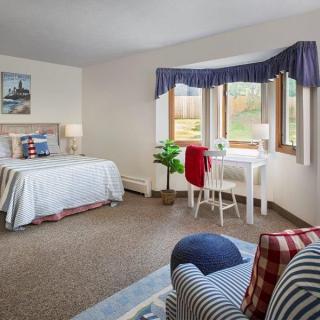
The Pine Rest - Adrian Ave Home in Grand Rapids, MI is an assisted living community that offers a comfortable and convenient living environment for seniors. The home provides a range of amenities to ensure a pleasant and hassle-free lifestyle. Residents can enjoy delicious meals in the dining room, which accommodates special dietary restrictions. The fully furnished rooms offer a cozy and welcoming atmosphere. Housekeeping services are provided to maintain cleanliness and orderliness.

The community also features outdoor spaces where residents can relax and enjoy the fresh air. Wi-Fi/high-speed internet access is available throughout the premises, allowing residents to stay connected with loved ones and browse the web.

Care services are tailored to meet individual needs, including assistance with activities of daily living such as bathing, dressing, and transfers. Coordination with health care providers ensures that residents receive necessary medical attention. Diabetes diet management and medication management are also provided.

Transportation arrangements are available for medical purposes as well as transportation to doctors' appointments. This makes it easy for residents to access healthcare services without any worries.

In terms of nearby amenities, there are two cafes, one park, 16 pharmacies, 13 physicians' offices, 17 restaurants, one transportation service, four places of worship, and five hospitals in close proximity to the community.

Additionally, residents can participate in scheduled daily activities to stay engaged and socialize with others. The Pine Rest - Adrian Ave Home offers a supportive and nurturing environment that promotes wellness and independence for its residents.

Nearby Places of Interest

Pharmacies

  • Walgreens (0.3 miles)
  • Family Fare (1.8 miles)
  • Meijer Drive Up Pharmacy (1.8 miles)
  • Rite Aid (2 miles)
  • CVS Pharmacy (2 miles)
  • Walgreens (2 miles)
  • Meijer Pharmacy (2 miles)

Hospitals

  • Pine Rest: Van Andel Center (0.6 miles)
  • Pine Rest: Mulder Therapy Center (0.6 miles)
  • Metro Health Hospital (3.1 miles)
  • Trinity Health Medical Center (3.1 miles)
  • Spectrum Health Lab (3.8 miles)

Restaurants

  • Arby's (0.7 miles)
  • McDonald's (0.8 miles)
  • 76th Street Truck Stop Diner (1.4 miles)
  • Craig's Cruisers End Zone (1.6 miles)
  • Culver's (1.8 miles)
  • Chick-Fil-A (1.8 miles)
  • Peppino's Sports Grille & Pizzeria (1.8 miles)

Transportation

  • Enterprise Rent-A-Car (1.1 miles)

Places of Worship

  • Providence Christian Reformed Church (1.5 miles)
  • Cornerstone Church (2.8 miles)
  • St Mark Lutheran Church (2.9 miles)
  • Cornerstone Methodist (3.8 miles)
  • Christ Church-Pca (5.9 miles)
  • Madison Square Christian Reformed Church (6.5 miles)

Cafes

  • Starbucks (1.8 miles)
  • Starbucks (2.2 miles)
  • Real Food Cafe (5.4 miles)
  • Starbucks (5.8 miles)
  • Starbucks (6.2 miles)
  • Starbucks (6.5 miles)

Physicians

  • Psychiatric Associates Of West Michigan (1.8 miles)
  • Battiste Family Medicine PLC (1.8 miles)
  • Mikids Pediatrics (1.9 miles)
  • SVS Vision Optical Centers (2.2 miles)
  • Wolverine Dermatology (2.6 miles)
  • Metro Health Cancer Center (2.9 miles)
  • Gastroenterology Associates of Western Michigan (3.1 miles)

Parks

  • Lemery Park (4.5 miles)
  • Chesebro Park (5.9 miles)

Theaters

  • Celebration! Cinema RiverTown (5.5 miles)
  • Phoenix Theaters (6.2 miles)

Frequently Asked Questions

Where is Pine Rest - Adrian Ave Home?

Nearby Communities

Related Resources

  • activities of daily livingComprehensive Insights into Activities of Daily Living (ADLs) and Their Assessment

    Activities of Daily Living (ADLs) are fundamental tasks vital for an individual's independence, particularly in older adults over 85, and include functions like bathing and dressing; assessing ADLs alongside Instrumental Activities of Daily Living (IADLs) helps determine the level of required assistance due to age-related health challenges. Tailored support plans, involving family and community resources, are essential for maintaining dignity and autonomy in assisted living environments.

  • does medicare pay for assisted livingMedicare Coverage for Assisted Living: An In-Depth Exploration

    Medicare does not cover assisted living costs, as it focuses on acute medical needs and short-term care, with exceptions for certain medically necessary services like physical therapy. Individuals must explore other options such as Medicaid, veterans' benefits, or long-term care insurance to manage these expenses effectively.

  • luxury assisted livingYour Comprehensive Guide to Luxury Assisted Living: Elevated Facilities, Amenities, and Costs

    Luxury assisted living offers high-quality senior care in a resort-like environment that combines essential medical support, gourmet dining, and personalized services to enhance residents' independence and well-being. These upscale facilities emphasize holistic health and community-building through customized care plans and social activities, catering to the growing demand for enriched senior living experiences despite higher costs.