
7092 Johnson Road, Flushing, MI 48433
For more information about senior living options: (866) 208-4318
Overall Review of Frances Mckay Adult Foster Care Home
Pros
 They describe Rehabitat Systems as a large, comfortable house with onsite physical therapy, activities, fresh food, and a wheelchair-safe garden path to a gazebo.
- They consider Rehabitat a great place to live for people with traumatic brain injuries.
- Country View is praised for loving and compassionate care from kind, dedicated staff.
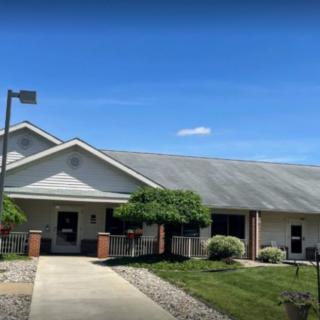
- The Country View home is clean, comfortable, and inviting.
- Rehabitat Systems is a close-knit facility where everyone is professional and caring, earning a five-star recommendation.
- It is a great place with caring staff and a beautiful outside landscape.
- Rehabitat Systems has the most caring staff and the most beautiful property of any home in the state.
- One reviewer called Rehabitat Systems a nice small business.
Review
Frances Mckay Adult Foster Care Home in Flushing is best suited for adults who face mobility challenges or traumatic brain injury and thrive in a small, home-like setting where rehabilitation and daily living blend seamlessly. This community appeals to families seeking intimate, personalized care over corporate-style amenities, with an emphasis on compassionate staff and hands-on support. Those who want robust medical oversight, extensive dementia programming, or the resources of a large campus should consider alternatives better matched to higher-acuity needs or specialized memory care.
From the available impressions, the strongest selling points are clear: a dedicated, caring staff paired with a clean, inviting residence. Residents appear to benefit from on-site rehabilitation-oriented offerings, meaningful activities, and consistent encouragement from caregivers. A sense of warmth pervades the environment, reinforcing trust and comfort for families navigating the transition. The property itself is highlighted as a highlight, beautiful landscaping, a sizable garden, and wheelchair-accessible features that invite residents to be outdoors, engage with nature, and enjoy fresh-air breaks as part of daily routine.
Yet the model does carry potential trade-offs that families should examine. The home-like setting, while highly personable, may not offer continuous, around-the-clock nursing or the depth of medical management found in larger assisted living communities or dedicated nursing homes. Availability of specialty services, such as robust dementia care, complex wound care, or highly specialized therapies, may vary and should be verified. Capacity limits and staffing consistency can also influence day-to-day continuity of care, so families should confirm exact ratios, on-site medical coverage, and how urgent medical needs are addressed after hours.
The pros most likely offset these considerations when they matter most: the rehab-forward focus and the intimate staff-resident relationships. For someone recovering from a brain injury or needing regular physical therapy, having therapy integrated into a homelike schedule can accelerate progress while preserving dignity and autonomy. The environmental design, wheelchair-friendly paths, a gazebo, and accessible outdoor spaces, supports mobility, reduces isolation, and encourages participation in activities. Fresh meals, a pleasant dining atmosphere, and opportunities for social engagement further mitigate the potential downsides of a smaller, less clinical setting.
When evaluating this option, prospective families should structure their due diligence around practical, decision-making questions. Inquire about staff qualifications and availability, especially regarding licensed therapists and any on-site nursing staff. Request a clear care plan outline, including therapy schedules, progress tracking, and how changes in condition trigger adjustments to treatment. Confirm licensing status and recent inspection results, and obtain references from current families or residents. Clarify the fee structure, what is included, and how costs may evolve with changes in care needs or therapy intensity. Finally, insist on a trial period or an observational stay if possible, and observe how staff interact with residents during routine activities.
In sum, Frances Mckay Adult Foster Care Home stands out as a strong fit for families seeking a compassionate, rehab-focused, home-like setting that emphasizes personal connection and meaningful daily activity. It is a recommended choice for residents who need structured rehabilitation within a small, warm community and who place a premium on staff attentiveness and a comfortable living environment. For those whose priorities include continuous medical oversight, complex memory care, or the breadth of services offered by larger facilities, alternatives in traditional assisted living or specialized brain-injury settings should be seriously considered to ensure all medical and cognitive needs are met with the requisite depth.
 6 resident community capacity
 Assisted Living
 Cable or satellite TV
 Dining room
 Fully furnished
 Garden
 Housekeeping services
 Move-in coordination
 Outdoor space
 Telephone
 Wi-Fi/high-speed internet available
 Bishop (11 miles away)
 24-hour supervision
 Activities of daily living assistance
 Assistance with bathing
 Assistance with dressing
 Assistance with transfers
 Diabetes diet
 Meal preparation and service
 Medication management
 Special dietary restrictions
 Transportation arrangement (medical)
 Transportation to doctors appointments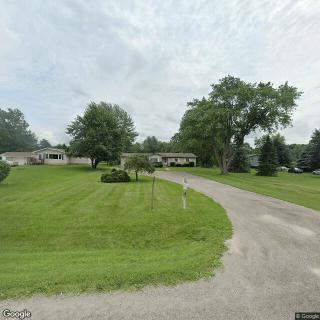


 Assisted Living Support for Veterans: A Complete and Detailed Overview
 Exploring the Contrasts Between Assisted Living and Skilled Nursing
 8 Key Indicators That Suggest It May Be Time to Transition from Assisted Living to Skilled Nursing Care