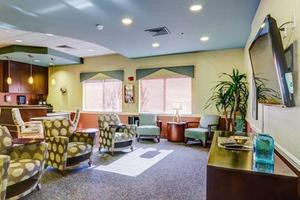
540 Sunnyside Drive, Flushing, MI 48433
For more information about senior living options: (866) 208-4318
Overall Review of Heartland Health Care Center-Fostrian
Pros
 The staff were great, answered questions, and responded to the call light quickly and cheerfully.
- Kelli, the admissions coordinator, greeted guests on arrival and helped them settle in.
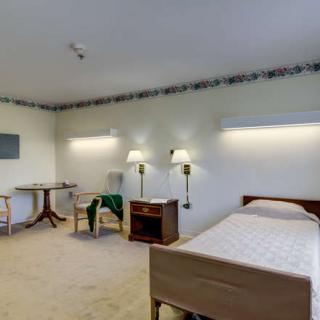
- Mom's room was very nice and kept clean.
- The food was fantastic, and breakfast and lunch were always what she ordered.
- The therapy staff provided appropriate physical and occupational therapy activities during her stay.
- The rehab program was fantastic, with an excellent exercise regimen.
Cons
 The food is inedible.
- Call lights are answered in 30+ minutes on average.
- Wrong medications were given, and staff were not familiar with correct dosages.
- The third-shift staff are rude, angry, uncaring, and unkind.
- The facility is not recommended for care.
- Staff are described as very unprofessional, with alleged theft and a focus on themselves over patient care.
- Patients are served cold food and left unattended for hours.
- There is a total lack of communication among doctors, nurses, and aides.
Review
Heartland Health Care Center-Fostrian in Flushing is best suited for families prioritizing active rehabilitation and an engaged admissions experience, while they are willing to closely monitor day-to-day care and advocate for safety. This community can deliver solid physical and occupational therapy when functioning at capacity, and it often helps to have a coordinated intake process that guides families through the transition. The emphasis on rehab, coupled with responsive front-end staff in the the admissions process, can make a short-term stay productive. That said, this is not a facility to lean on for consistent long-term custodial care where steady staffing, predictable medication management, and pristine daily operations are nonnegotiable.
Those weighing alternatives should consider where long-term stability and daily reliability truly matter. If a resident will require 24/7 attention, rigorous medication safety, and a consistently clean, well-maintained environment over months or years, this site may fall short. Several reviews flag long call-light response times, frequent hygiene gaps, and ongoing concerns about staff availability on certain shifts. For families whose priority is dependable daytime care, transparent communication, and a consistently respectful, non-chaotic atmosphere, it makes sense to explore other facilities before committing.
The strongest positives center on rehabilitation-focused strengths. The rehab staff is repeatedly praised for delivering appropriate, motivating therapy activities that support real functional progress. When the unit operates smoothly, admissions processes are handled with care and warmth, and the therapy team can drive meaningful gains for recovering patients. Some residents have benefited from well-kept rooms and genuinely tasty meals at breakfast and lunch, with attentive attention to dietary requests. In short, the rehab program can be excellent and the staff on the floor can be capable and caring when conditions permit.
However, the cons are persistent and substantive. A pattern of lengthy call-light response times erodes safety and independence, with some reviewers reporting 30 minutes or more before assistance arrives. Medication issues recur, including incorrect dosages and mismatches with allergy alerts, and several accounts describe a troubling lack of consistent nurse-physician communication. The third shift in particular is singled out as rude or uncaring, with reports of unattended needs and neglectful responses. Hygiene and cleanliness are not uniformly maintained, and odors and unwelcoming environments appear in multiple observations. Accusations of improper conduct, including theft, create a sense of insecurity that families should not ignore.
These pros and cons must be weighed with clear eyes. The rehab advantages are real and meaningful for those recovering from surgery or illness, especially when therapy goals require consistency and motivation from skilled therapists. Yet the safety and reliability gaps, medication management, timely assistance, staff attentiveness, and daily care practices, pose real risks for seniors who depend on staff for essential functions and dignity. For families considering this community, the decision hinges on whether rehab value can be harnessed without exposing a loved one to avoidable harm or frustration. If mitigation steps are not feasible through careful oversight, alternatives are warranted.
In practical terms, a decisive approach is recommended. Prospective residents should tour during peak activity to observe nurse call times, hygiene practices, and how therapies are scheduled and delivered. Request up-to-date staffing patterns, especially for the night shifts, and ask for a detailed review of medication administration processes and recent incident reports. Engage with the rehab team to understand typical outcomes and discharge planning. If those elements do not inspire confidence, it is prudent to compare nearby facilities with stronger safety records and more consistent daily care. For families seeking a sharper rehab focus with fewer red flags in daily operations, alternative communities deserve serious consideration; for others, Heartland-Fostrian may still be the right fit, provided rigorous oversight accompanies the stay.
 140 resident community capacity
 Skilled Nursing Facility
 Air-conditioning
 Beauty salon
 Cable or satellite TV
 Computer center
 Dining room
 Fitness room
 Fully furnished
 Gaming room
 Garden
 Housekeeping services
 Kitchenette
 Move-in coordination
 Outdoor space
 Private bathrooms
 Restaurant-style dining
 Small library
 Telephone
 Wellness center
 Wi-Fi/high-speed internet available
 Bishop (8 miles away)
 Community operated transportation
 12-16 hour nursing
 24-hour call system
 Activities of daily living assistance
 Assistance with bathing
 Assistance with dressing
 Assistance with transfers
 Diabetes diet
 Medication management
 Mental wellness program
 Special dietary restrictions
 Concierge services
 Planned day trips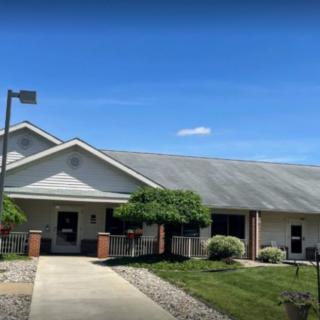

 Skilled Nursing Facilities vs. Nursing Homes: Making Sense of the Differences
 A Detailed Examination of Nursing Home Costs Across the U.S.
 Exploring Nonmedical Home Care: Understanding Services, Costs, and Financial Approaches