
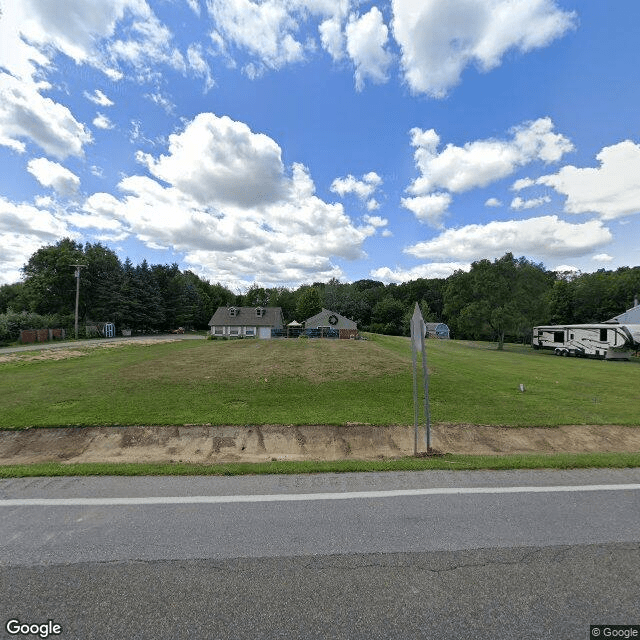
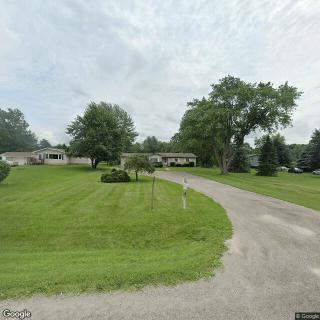
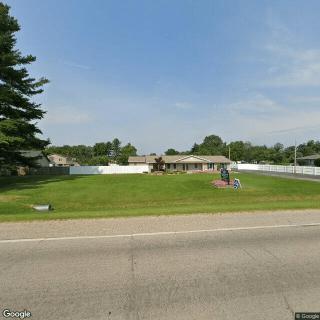
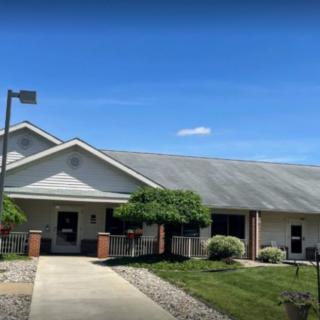
8077 North McKinley Road, Flushing, MI 48433
To contact a resident: (810) 397-4355
For more information about senior living options: (866) 208-4318
Heavenly Acres Estate Adult Foster Care Costs & Pricing
Heavenly Acres Estate Adult Foster Care offers a range of accommodation options with pricing that reflects its commitment to quality care. For a semi-private room, residents can expect to pay $3,500 per month, which is higher than the average costs in Shiawassee County at $3,098 and the state average of $3,191. The studio option is available for $4,500, again surpassing local and statewide averages of $3,835 and $3,824 respectively. Similarly, private rooms are priced at $4,500, positioning them above the county's average of $3,471 and the state's average of $3,675. While Heavenly Acres Estate may be on the higher end of the cost spectrum in comparison to both Shiawassee County and Michigan overall, this investment may reflect enhanced amenities or personalized care services that contribute to residents' well-being and comfort.
| Floor plans | Heavenly Acres Estate Adult Foster Care | Shiawassee County | Michigan |
|---|---|---|---|
| Semi-Private | $3,500 | $3,098 | $3,189 |
| Private | $4,500 | $3,471 | $3,674 |
| Studio | $4,500 | $3,835 | $3,824 |
Memory care communities with a similar price nearby
-
from -$500 / mo

Vicinia Gardens Transition
$3,000 to $4,500 / month23.5 miles away -
from +$550 / mo
Meadows of Owosso
$4,050 to $5,075 / month16.1 miles away -
from -$500 / mo
Provision Living at Fenton
$3,000 to $5,750 / month23.2 miles away -
from -$300 / mo
Edgewood Assisted Living Center
$3,200 to $3,300 / month22.0 miles away -
from +$650 / mo
Oliver Woods
$4,150 to $4,570 / month18.8 miles away
Overall Review of Heavenly Acres Estate Adult Foster Care
Pros
 The caregivers at the care home treat mom like family.
- Mom feels comfortable living there.
- There are no worries about her mental or physical well-being.
- Residents are encouraged to be social.
- Staff even do residents’ nails for them.
- She loves the food.
- The home is kept clean.
- The care home is highly recommended.
Review
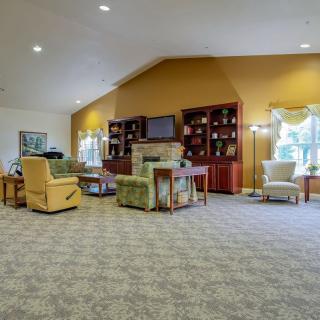
Heavenly Acres Estate Adult Foster Care in Flushing, MI is best suited for families seeking a small, home-like living environment where an elder can receive highly attentive, personalized care. The staff operate with a family-first approach, treating residents as members of a household rather than under a clinical gaze. For seniors who value real connection, daily warmth, familiar faces, and predictable routines, this setting provides comfort and security. The home is kept clean and welcoming, meals are enjoyed, and grooming needs such as nail care are attended to with care. This combination of devoted staff, a homelike atmosphere, and practical daily supports makes it an excellent fit for residents who thrive on close, regular interaction and a sense of belonging.
For seniors who require more intensive medical oversight, advanced nursing support, or a broader continuum of care, alternatives may be more appropriate. Larger assisted-living or memory-care communities often offer on-site nursing around the clock, structured therapy programs, and a wider array of activity options and social events. If transportation, rehabilitation services, or specialized memory services are priorities, families should evaluate whether this home can scale to those needs or if a campus with a bigger staff and facility footprint would reduce stress and prevent gaps in care. Those seeking a more clinical environment, or highly diversified programming, should consider other options to ensure comprehensive coverage of medical, cognitive, and mobility needs.
The strongest positives, caregivers who feel like family, a contagious sense of sociability among residents, meticulous cleanliness, and dependable daily comforts, offer substantial offset to the limits of the setting. An intimate staff-to-resident ratio translates into quick responses, reassurance during uncertain moments, and a level of accountability that is hard to match in larger facilities. Social engagement is built into the routine, not left to chance, so loneliness and withdrawal are less likely. The attention to grooming and dining signals a holistic approach to well-being, where residents are nurtured as people, not tasks. The caveat remains that medical complexity may outstrip the home’s capacity, but for many seniors this trade-off lands in the positive column, especially for those who prize consistency and warmth.
Prospective families should verify practical details during visits: staff coverage across evenings and weekends, emergency protocols, and how medications are managed. Clarify what is included in the monthly rate and what incurs extra charges, assistance with activities of daily living, transportation, and personal care services all vary in cost and scope. Ask about memory-care supports if cognitive decline progresses, and whether there is access to on-site rehabilitation or visiting clinicians. Taste-test a meal if possible and assess whether dietary accommodations are easy to implement. Finally, review visiting policies, guest rules, and how family members can participate in daily routines to preserve continuity of care.
If warmth, trust, and a steady rhythm of everyday life are top priorities, Heavenly Acres Estate delivers a compelling case. For families whose loved one demands robust clinical oversight, a broader range of therapies, or a more expansive activity calendar, alternatives with a larger footprint will likely provide greater peace of mind. The decision hinges on balancing the comfort of a home-like setting with the assurance of medical and rehabilitative resources. Use direct comparisons on staffing levels, service inclusions, and care pathways to determine which option aligns with current and anticipated needs.
In sum, this community represents a rare blend of heartfelt care, neat living spaces, and attentive daily routines that resonate with families seeking a home atmosphere for an elder who thrives on personal attention. It stands out where care feels personal and social life is woven into the day. The main caveat is the potential gap in medical services should health needs escalate, so families should align expectations accordingly and plan ahead. With thoughtful due diligence and a clear view of future requirements, Heavenly Acres Estate can be an excellent match for the right resident, delivering reassurance that care truly feels like family.
 Board and Care Home
 Memory Care
 Activities on-site
 Devotional services off-site
 Indoor common areas
 Private
 Bishop (12 miles away)
 Ambulatory care
 Diabetic care
 Meals provided
 Medications Associated with Dementia Risk: A Comprehensive Overview
 Guiding Your Journey: Understanding Power of Attorney for Elderly Parents
 22 Remarkable Caregiver Support Groups Available Online and In-Person