
2048 Belford Rd., Holly, MI 48430
To contact a resident: (810) 441-8415
For more information about senior living options: (866) 208-4318
Holly Sanctuary Costs & Pricing
Holly Sanctuary offers a compelling value proposition for those seeking care, with costs significantly lower than both Oakland County and the broader state of Michigan. For semi-private accommodations, Holly Sanctuary charges $1,000 per month, in stark contrast to the county's average of $3,204 and the state's figure of $3,191. Similarly, their private rooms are priced at $2,100 monthly, which remains well below the county's rate of $3,708 and Michigan's statewide average of $3,675. This pricing structure not only underscores Holly Sanctuary's commitment to accessibility but also illustrates its competitive positioning in the market for residential care options.
| Floor plans | Holly Sanctuary | Oakland County | Michigan |
|---|---|---|---|
| Semi-Private | $1,000 | $3,204 | $3,189 |
| Private | $2,100 | $3,708 | $3,674 |
Senior living communities with a similar price nearby
-
About the same
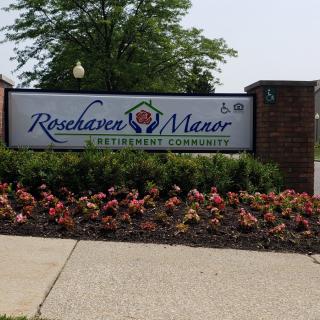
Rosehaven Manor
$999 to $1,390 / month9.3 miles away -
About the same
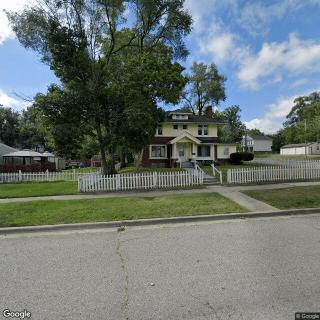
Girum Adult Foster Care Home
$1,000 / month24.7 miles away -
from -$100 / mo
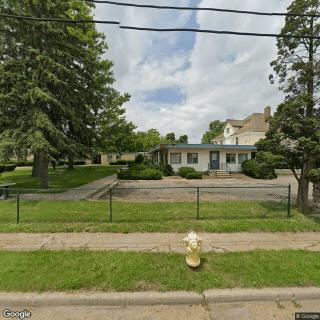
Grovecrest Assisted Living
$900 to $1,500 / month23.7 miles away -
About the same
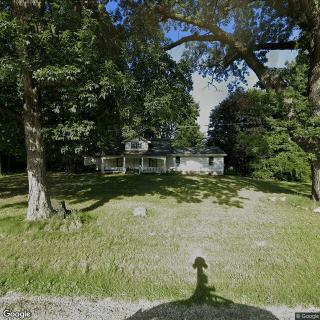
Sanctuary AFC
$1,000 to $1,500 / month10.5 miles away -
About the same
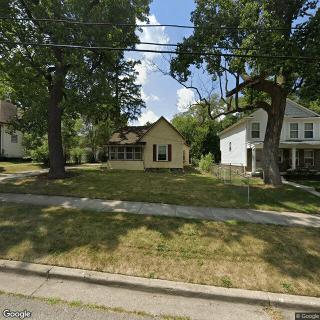
Helen AFC II
$1,000 / month24.7 miles away
Overall Review of Holly Sanctuary
Pros
 The trails are great and very quiet.
- The blue loop and the yellow loop are extremely well marked and maintained.
- It is a great place to see fall colors.
- Admission is free.
- The sanctuary is a very quiet place to walk and enjoy nature.
- It is the best place in the world to go for a walk and have a good time.
Cons
 The road west of the Sanctuary is covered in deep ruts.
- Walkers may have to balance across logs over wet spots on the trails.
- It is very out of the way, making it hard to access.
Review
Holly Sanctuary is best suited for independent seniors or couples who crave quiet, free outdoor time and want a low-traffic, nature-focused walk experience. The site delivers a peaceful, low-key setting with well-marked blue and yellow trails that are clearly maintained, offering an attractive option for fall color viewing without the bustle of more developed parks. This is not a place built around social programming or indoor amenities; it’s a retreat for solitary strolls or slow, restorative ambles in a natural environment. For elders who prize simplicity, security in solitude, and cost-free access, the sanctuary stands out as a practical choice.
Those who may want to consider alternatives are primarily individuals who require predictable, highly accessible infrastructure. The power of this sanctuary, a strong sense of seclusion, also creates limitations: the location is very out of the way, with minimal nearby services or meeting points, and the access road can be rough. Mobility challenges can be amplified by deep ruts on the approach routes and occasional wet spots that demand sturdy footwear or a willingness to balance over uneven ground. If on a broader care plan that prioritizes social interactions, indoor options, or paved, easily navigable paths, an alternative setting will likely serve better.
The principal advantages here, quiet, free access, and dependable wayfinding on the trails, offset some of the downsides in meaningful ways. For someone who values unhurried time in nature and appreciates the absence of crowds, the trails feel inviting and controllable. The maintenance on the blue and yellow loops reduces the risk of tripping over overgrowth, and the fall colors can make a simple walk feel like an enriching, scenic outing. The lack of entrance fees plus the chance to experience solitude without competition for space can be a compelling fit for budget-conscious elders who still want a dignified outdoor experience.
Yet the same strengths illuminate the main drawbacks. The sanctuary’s appeal hinges on its solitude, which also means limited company, guidance, or companionship for those who rely on built-in social routines. The remote setting translates into practical drawbacks: the area is not saturated with services, and the approach road’s roughness requires careful planning. The absence of benches, restrooms, or shaded rest areas means longer stretches without convenience features, and the uneven terrain may challenge walkers with limited balance or stamina. In a senior living decision, these factors can erode the appeal if a daily routine depends on predictable amenities or frequent human interaction.
For families weighing options, Holly Sanctuary functions best as a complementary component to a broader plan rather than a stand-alone solution. It suits residents who can safely navigate uneven surfaces, manage occasional wet conditions, and appreciate a fee-free outdoor option that rewards patience with quiet beauty. To optimize a visit, use the formal entry via Dewey Road rather than Jabevy Drive, and go with the expectation of a tranquil, lightly populated environment. Pair the outing with a nearby indoor activity or social engagement to preserve balance between solitude and interaction.
Ultimately, Holly Sanctuary emerges as a strong candidate for independent seniors who want a cost-free, nature-forward escape and can tolerate a degree of remoteness and minimal amenities. It is less appropriate for those who require daily social structure, accessible paved paths, or guaranteed facilities during outings. When a decision hinges on balancing cost, peace, and outdoor simplicity against mobility constraints and limited services, the sanctuary’s trails can be a wise, rewarding choice, provided realism about terrain and access is kept front and center.
 Board and Care Home
 Private
 Bishop (9 miles away)
 Diabetic care
 Navigating the Financial Road to Nursing Home Care: In-Depth Guidance and Resources
 Supportive Employee Benefits That Help Caregivers Attain Better Work-Life Harmony
 Top Cars for Senior Drivers and Essential Safety Innovations