Overall Review of Wellbridge Of Grand Blanc
common
13 reviews mention this
Food and the bistro stand out
Restaurant-style dining and the on-site bistro are frequently mentioned by residents and families.
Many reviewers describe the food as a highlight, including praise for made-in-the-moment items and the bistro’s staff and drinks. Several comments also call out meals as a strength of the overall stay. A smaller set of reviews, however, describe food as bland, served cold, or otherwise disappointing. Taken together, dining seems to be a major part of people’s day-to-day experience, for better or worse.
common
14 reviews mention this
Facility cleanliness is a recurring theme
Residents and families repeatedly describe the building as clean and well kept.
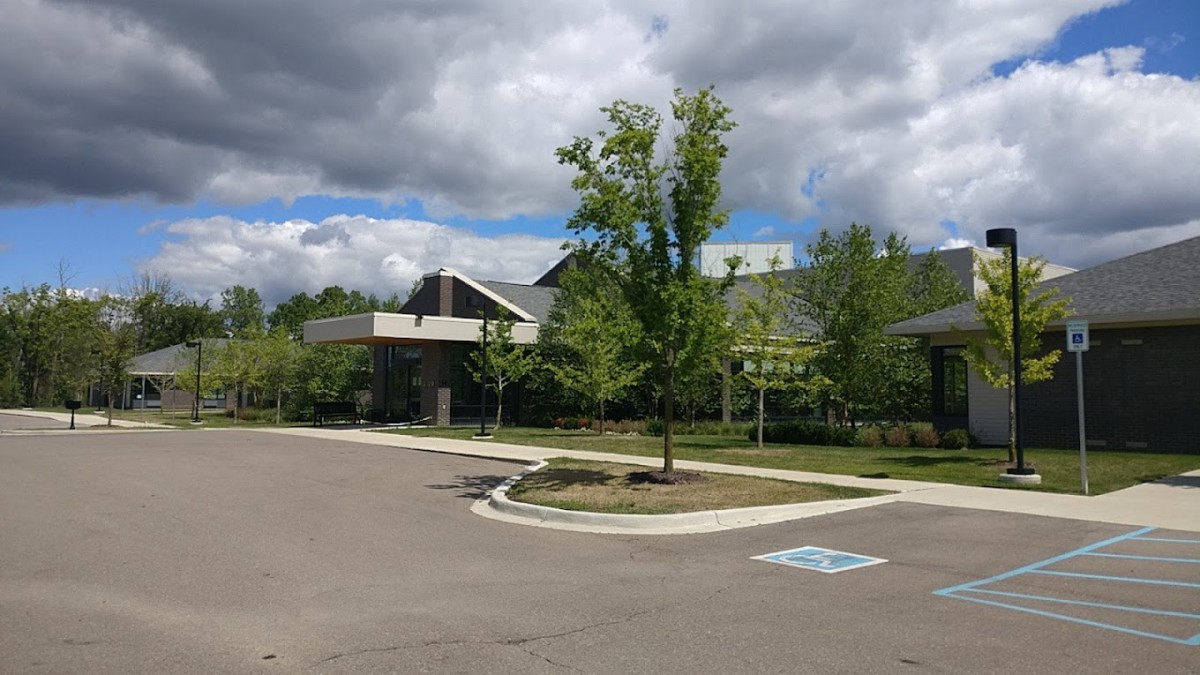
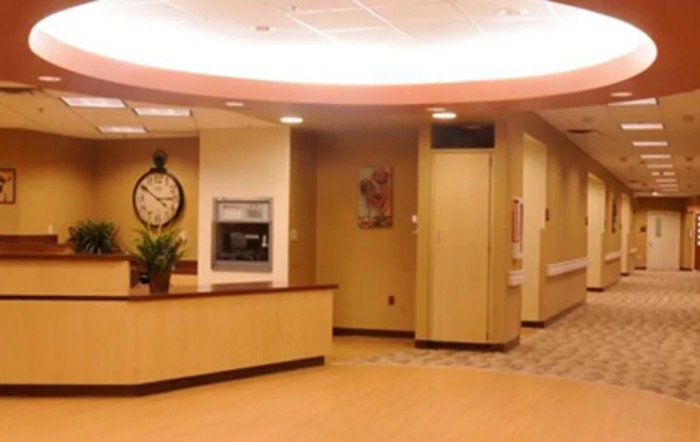
A large number of reviews say the facility is spotless, well maintained, and cared for inside and out. Some also mention housekeeping directly, including the idea that the environment stays clean during longer stays. That said, there are negative reviews that reference unsanitary conditions and dirty clothing, suggesting cleanliness can vary by situation. Overall, cleanliness comes up often in both positive and critical feedback.
caveat
19 reviews mention this
Calls and staffing can feel unreliable
Several reviews describe delays in help, including unanswered call lights or phone calls.
Many reviewers raise concerns about response times for call buttons and getting staff assistance when needed. Some describe having to wait a long time for nurses or aides, and a few specifically mention phones not being answered after certain hours or during weekends. At the same time, other reviews say nursing and aides are helpful and go above and beyond. This mix suggests staffing and responsiveness may be inconsistent depending on the shift and situation.
caveat
16 reviews mention this
Care quality varies across nursing
Reviews include both strong praise and serious complaints about medical care and supervision.
Some families describe the nurses and aides as knowledgeable, kind, and providing strong support, including good rehabilitation progress and overall comfort. Other reviews are much more critical, describing problems such as medication delays or errors, falls, inadequate follow-through, and situations where family had to push repeatedly to get needed attention. There are also complaints about safety and hygiene details, including bed-related concerns and pressure-related issues. Based on the reviews, nursing care is the area with the widest gap between positive and negative experiences.
common
11 reviews mention this
Therapy support is often praised
Physical and occupational therapy are frequently cited as helping residents make progress.
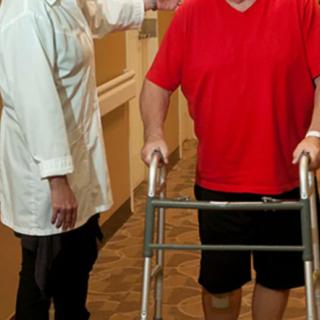
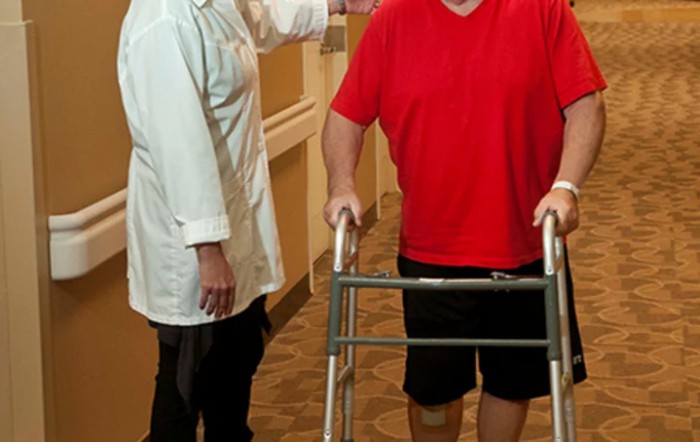
A number of reviews praise physical therapy as attentive and encouraging, with therapists working residents through exercises and supporting recovery after surgery or health setbacks. Some families mention therapists specifically by name and credit them for improvements. However, there are also reviews claiming therapy was delayed or not frequent enough, or that residents did not receive the rehab support they expected. Overall, therapy shows up as a meaningful part of the experience, though not everyone reports the same level of consistency.
caveat
9 reviews mention this
Families describe mixed communication
Family communication is a point of friction in multiple reviews.
Several reviewers mention problems with communication—such as not getting timely answers, not being informed clearly, or having to advocate repeatedly for care. A few comments also describe difficulties with documentation and discharge instructions, or concerns about how situations were handled when families raised questions. On the positive side, other reviews say administrators and staff listened and responded. Taken together, communication seems uneven, and the reviews suggest families may need to be persistent to get updates and follow-through.
How we summarize
Counts show how many written reviews mention each theme; a review can touch several themes, and only frequently mentioned themes are displayed.


 128 resident community capacity
 Memory Care
 Skilled Nursing Facility
 Air-conditioning
 Beauty salon
 Cable or satellite TV
 Computer center
 Dining room
 Fitness room
 Fully furnished
 Gaming room
 Garden
 Housekeeping services
 Kitchenette
 Move-in coordination
 Outdoor space
 Private bathrooms
 Restaurant-style dining
 Small library
 Telephone
 Wellness center
 Wi-Fi/high-speed internet available
 Bishop (7 miles away)
 Community operated transportation
 12-16 hour nursing
 24-hour call system
 Activities of daily living assistance
 Assistance with bathing
 Assistance with dressing
 Assistance with transfers
 Diabetes diet
 High acuity care
 Medication management
 Mental wellness program
 Special dietary restrictions
 Concierge services
 Planned day trips
 Friendly staff, clean facilities, and a variety of engaging amenities.

 8 Key Indicators That Suggest It May Be Time to Transition from Assisted Living to Skilled Nursing Care
 Nourishing the Mind: Essential Dietary Approaches for Dementia
 Understanding Dementia Behaviors: Practical Insights and Strategies for Caregivers