
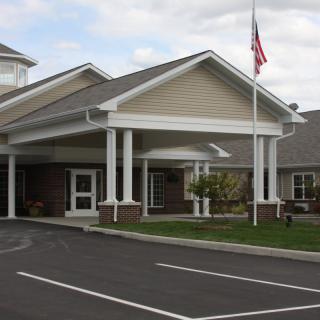
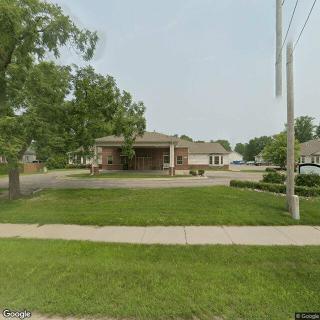
8481 Holly Rd, Grand Blanc, MI 48439
To contact a resident: (810) 694-1711
For more information about senior living options: (866) 208-4318
Overall Review of Genesys Convalescent Ctr
Pros
 The staff are professional and caring.
- The nursing staff and CNAs are absolutely wonderful.
- The husband on the Hospice Wing is treated like family.
- The nursing and support staff were more than accommodating, showing love and caring.
- The facility offers wonderful activities for residents.
- The staff are really nice and very sweet.
- The reviewer would recommend this care facility to anyone and everyone.
Cons
 The reviewer regrets moving her mother to a private-pay facility that does not help its seniors.
- The facility was not a 4-star facility; the dad was soaked daily and had to wait for bathroom changes due to short CNAs, with blankets visibly stained by urine.
- There was prejudice and favoritism at the facility.
- The physical therapy department was untouchable regarding proper service and humanity.
- The nurses were mostly nice, but their urgency and knowledge seemed limited.
- The back halls had the worst smell the reviewer had encountered in nursing homes.
Review
Genesys Convalescent Center in Grand Blanc is best suited for families prioritizing compassionate, hands-on skilled nursing and rehab supports, especially when the plan centers on short-term recovery or hospice care where staff warmth and personal attention can meaningfully influence outcomes. The strongest argument in its favor is the nursing and CNA team, consistently described as professional, caring, and welcoming, attributes that translate into real reassurance for families facing the stress of a loved one’s rehab or end-of-life care. The facility’s rehab pathway has produced tangible gains in therapy, and the hospice wing is repeatedly noted for making patients feel cared for as if they were part of a family. For families who value a warm, person-centered approach and a robust activity program to keep residents engaged, Genesys can deliver meaningful daily quality of life.
That said, potential residents should seriously weigh the downsides raised in multiple encounters. A recurring theme across reviews is uneven reliability in basic care tasks and incontinence management, with several accounts of delays or failures in timely assistance and even episodes of patients being left in soiled conditions. These incidents point to staffing pressures that can surface on certain shifts, challenging the consistency families expect of a facility handling vulnerable, high-need populations. Other concerns include reports of odor or smell in back hall areas and perceptions of favoritism or prejudice by some staff or management. Taken together, these issues do not negate the positive care experiences described, but they do complicate the decision for families who require flawless day-to-day operations and uniformly quick responses.
The key pros, genuine nursing attentiveness, a hospice-friendly environment, and effective physical therapy, partly offset the cons by delivering reliable, compassionate care where it matters most. For someone recovering from major surgery or embarking on structured rehab, the collaborative teamwork between nurses, CNAs, and therapists can translate into meaningful progress and sustained morale for the patient. The social and recreational programming adds a vital layer of quality-of-life support that can keep a resident engaged and emotionally supported during a difficult transition. In short, when the care plan centers on skilled nursing, rehabilitation milestones, and a family-like atmosphere, the positives are credible and impactful enough to outweigh several notable risks, provided there is ongoing attention to day-to-day reliability.
However, the facility’s drawbacks are not trivial and should influence the decision process. Incontinence management lapses, visible cleanliness concerns on certain shifts, and a sense that staffing adequacy can vary from one wing to another all signal potential gaps in daily operations. These gaps matter profoundly to families weighing whether a loved one will receive prompt assistance at urgent moments, or whether a chronic pattern of under-resourcing could undermine recovery or comfort. If choosing Genesys, prospective residents will want to actively verify current staffing levels, ramp-up plans for busy periods, and if possible, observe a shift change to assess consistency in response times and handoffs. A candid discussion with administration about standards, accountability, and how issues are tracked and resolved would be essential.
Practical next steps for families visiting or evaluating Genesys include asking targeted questions and organizing a careful tour that extends beyond a glossy brochure. Inquire about nurse-to-resident ratios by shift, the process for urgent requests, and how aides are assigned to minimize delays in bathroom assistance and mobility needs. Seek specifics on the rehab program’s track record for your loved one’s condition, including typical timelines and how therapy goals align with discharge plans. Request to meet with a front-line manager or director of nursing to understand how concerns have been addressed in the past year and what changes have been implemented in response to feedback. Finally, observe the environment during mealtimes and hallway transitions to gauge cleanliness, odor control, and the real-world pace of care.
Bottom line: Genesys Convalescent Center offers a compelling choice for families seeking compassionate, capable nursing and rehab with a hospitable, almost familial atmosphere. It represents a practical fit for those with strong rehab needs, hospice considerations, and a preference for engaged activities that keep residents meaningfully involved. Yet the decision hinges on tolerance for variability in basic care delivery and cleanliness, issues that can tip the balance for families who demand unwavering consistency and spotless daily operations. For those who can navigate these tensions, Genesys stands as a solid, experienced option; for others, exploring alternatives with a track record of consistent performance across all shifts may be the wiser path.
 Skilled Nursing Facility
 Bishop (7 miles away)

 Weight Training for Seniors: Building Strength and Vitality
 Understanding the Sandwich Generation: Stress and Responsibilities for Multigenerational Caregivers
 8 Essential Assistive Devices for Older Adults