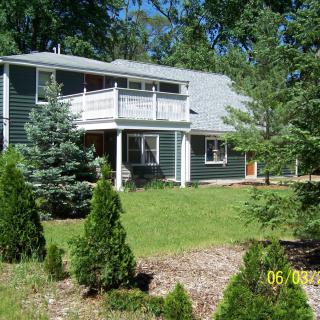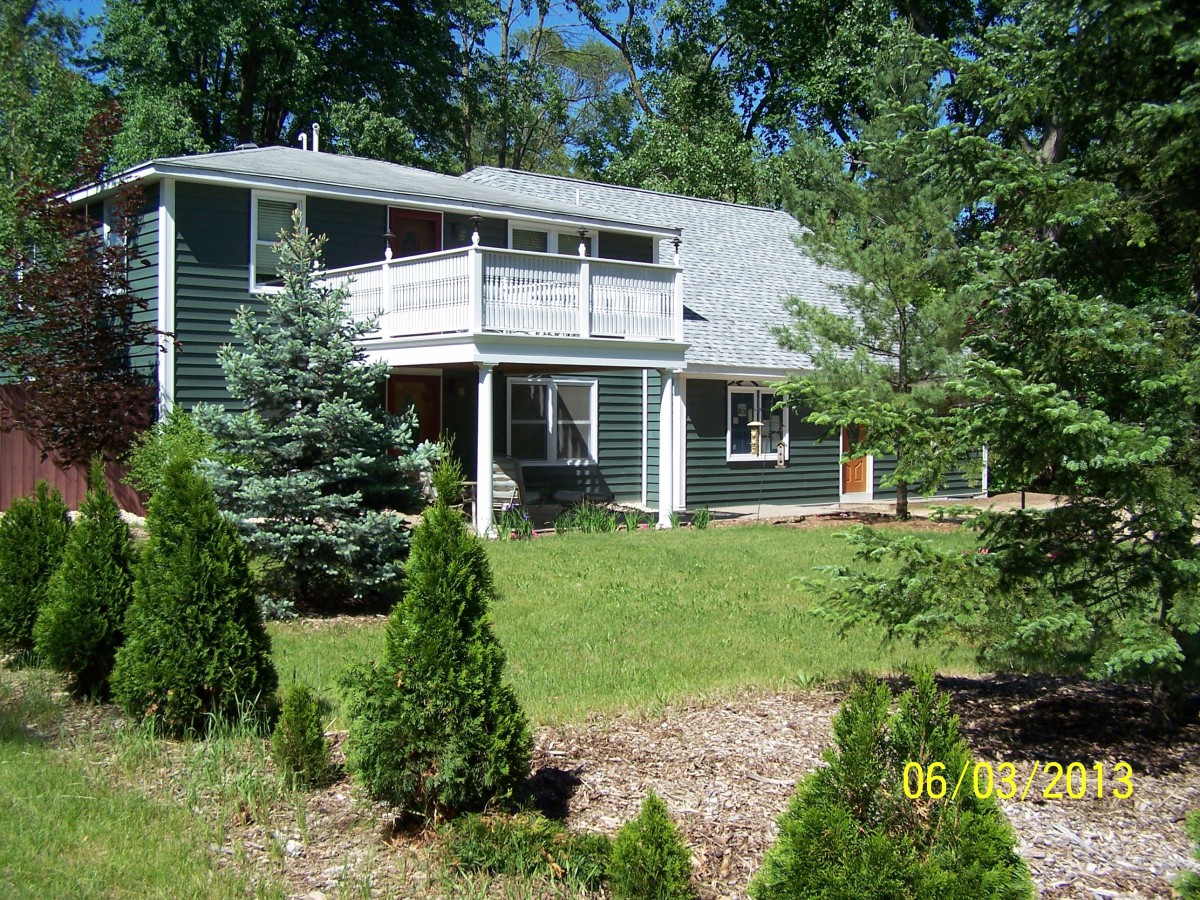
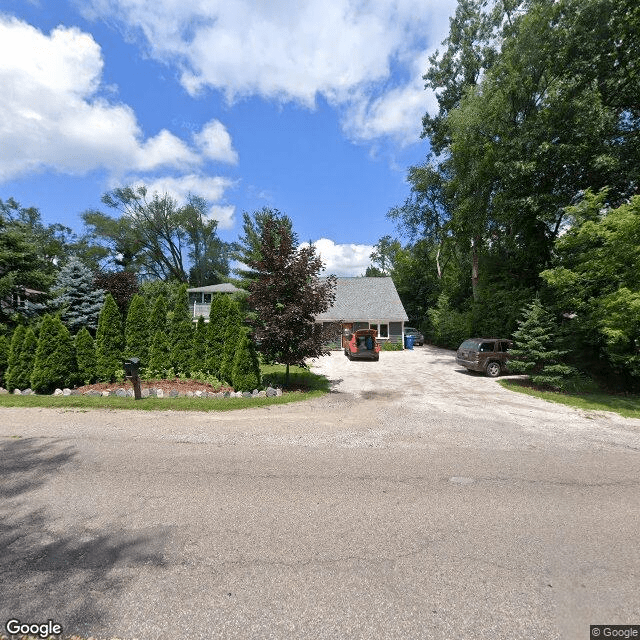
2376 South Long Lake Road, Fenton, MI 48430
For more information about senior living options: (866) 208-4318
A Touch Of Home Costs & Pricing
A Touch Of Home offers competitive pricing for its private rooms at $3,500 per month, positioning itself as a more economical choice compared to the average costs in Oakland County and across the state of Michigan. In Oakland County, similar accommodations come in at approximately $3,708 monthly, while the statewide average is around $3,675. This reflects a commitment to providing quality care at an accessible price point, ensuring that residents receive excellent service without straining their budgets. By choosing A Touch Of Home, families can enjoy peace of mind knowing they have found a financially sensible option that does not compromise on comfort or quality of care.
| Floor plans | A Touch Of Home | Oakland County | Michigan |
|---|---|---|---|
| Private | $3,500 | $3,708 | $3,674 |
Assisted Living communities with a similar price nearby
-
About the same

Pineview Manor
$3,600 / month21.6 miles away -
About the same
Green Valley Place
$3,500 to $4,000 / month18.8 miles away -
from -$500 / mo

Vicinia Gardens Transition
$3,000 to $4,500 / month1.5 miles away -
from -$200 / mo
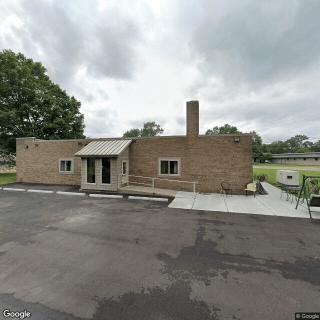
Sandyside Senior Living
$3,300 / month18.0 miles away -
from +$550 / mo
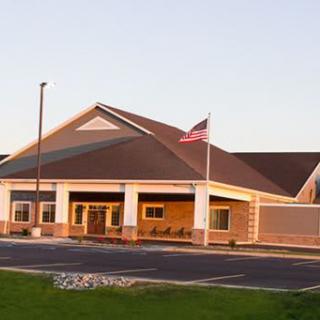
Meadows of Owosso
$4,050 to $5,075 / month24.2 miles away
Overall Review of A Touch Of Home
Pros
 The family-operated facility is caring and supportive.
- Three generations care for the mom, creating a warm family atmosphere.
- The staffing is consistently dependable.
- A Touch of Home provides loving care and personal relationships.
- Visitors are welcome at any time to see their loved one.
- The mother-in-law felt like family and enjoyed all activities.
- The atmosphere is homey, with home-cooked, delicious, and healthy meals.
- There is always someone available to assist residents.
- The staff are kind, caring, helpful, loving, and proficient.
- The place is clean and well maintained.
Cons
 The reviewer felt the tour was a good experience, but not the best fit for their loved one.
Review
A Touch Of Home in Fenton, Michigan is best suited for families seeking a small, home-like assisted living experience where care feels personal, consistent, and deeply family-driven. The community is run by a caring, multi-generational family, with three generations devoted to daily operations. This setup delivers a rare continuity of staffing and a remarkably stable caregiving environment, which translates into predictable routines and relationships residents can rely on. For families who want their loved one to be treated as part of a close-knit extended family, this setting excels.
Those who require more intensive clinical oversight, specialized memory care, or rehab-focused programming may want to consider alternatives. A smaller, intimate environment can sometimes lag behind larger campuses in offering a broader slate of structured activities, hospital-grade supervision, or advanced therapeutic services. Families facing complex medical needs or seeking highly formalized care plans may find the fit less than ideal, and should weigh options that emphasize greater clinical resources, equipment, and higher levels of medical coordination.
The strongest positives wed tightly to the community’s core strengths: a consistently staffed, family-owned culture, a genuine sense of welcome, and a true home atmosphere. Residents enjoy a homey environment that feels less like an institution and more like living with relatives. Visitors are welcomed at any time, and the calendar of daily life tends to emphasize familiar routines, gentle supervision, and ready assistance. The emphasis on connection means staff members know residents well, which reduces confusion and anxiety for both residents and families.
Nutrition and daily self-care are clearly prioritized, with attention to wholesome, home-cooked meals, daily bathing and dressing, and accessible hydration. The anecdotes about meals being delicious and healthy, and about a resident losing weight healthily under this care, illustrate how the setting supports ongoing wellness through daily meals and attentive monitoring. Cleanliness and upkeep are repeatedly cited, reinforcing the sense that the environment is both comfortable and well managed. The combination of warmth, regular contact, and practical support creates stability that many families value highly.
One notable caveat emerges from the feedback: the smaller scale and intimate staff structure can mean fewer opportunities for highly structured programs or specialized services. In at least one visit, a tour-industry observer acknowledged a strong impression but felt it might not be the best fit for their particular loved one. This underscores a trade-off inherent in a family-run, home-like model: the emotional resonance and individualized attention are outstanding, but residents who require a broader array of activities, advanced therapies, or more formal medical oversight may prefer a facility with more resources at the ready.
Overall, the decision points are clear. A Touch Of Home stands out for families prioritizing trust, continuity, and a living-room atmosphere where staff know residents by name and respond with a gentle hand. It delivers on the basics with grace: consistent staffing, 24-hour care, clean and well-maintained spaces, and a rhythm of meals and daily routines that reinforce independence while ensuring safety. For households seeking a warm, personal option in the Fenton area, this community earns strong consideration. For those whose loved ones require more clinical intensity or expansive programming, alternatives with larger medical teams and broader activity schedules are worth exploring.
 6 resident community capacity
 Assisted Living
 Board and Care Home
 Activities off-site
 Air-conditioning
 Cable or satellite TV
 Devotional services off-site
 Dining room
 Fully furnished
 Garden
 Ground floor units
 Housekeeping services
 Indoor common areas
 Move-in coordination
 Outdoor common areas
 Private
 Respite or short term stays offered
 Telephone
 Wi-Fi/high-speed internet available
 Bishop (10 miles away)
 24-hour supervision
 Ambulatory care
 Assistance with bathing
 Assistance with dressing
 Assistance with transfers
 Diabetes diet
 Diabetic care
 High acuity care
 Incontinence care
 Meal preparation and service
 Medication management
 Special dietary restrictions
 Transportation arrangement (medical)
 Transportation to doctors appointments
 Birthday parties
 Reminiscence programs
 Resident band or musicians

 Senior Transition Services: Understanding Their Role, Cost, and Importance
 Exploring the Path to Senior Living: A Comprehensive Look at Independent Living and Assisted Living
 Is Assisted Living Deductible on Your Taxes? Understanding the Complexities of Assisted Living Expenses and Deductions