For more information about senior living options: (866) 208-4318
4 from 101 reviews
5 stars
68
4 stars
6
3 stars
2
2 stars
4
1 stars
21
Overall Review of Fenton Healthcare
common30 reviews mention this
Staff care and responsiveness stand out
Residents and families frequently describe caring, welcoming staff who respond quickly to concerns.
Across many reviews, families and residents describe staff as friendly, attentive, and compassionate, with multiple mentions of nurses, CNAs, and therapists being supportive day to day. Several reviewers also call out responsiveness when issues come up, alongside communication that helps families feel informed. Even among critical reviews, there are some individual comments that nurses or aides were nice or cordial, suggesting the experience can vary by department or shift.
differentiator10 reviews mention this
Rehab therapy helps residents improve
Physical and occupational therapy are repeatedly described as effective and motivating for recovery.
Multiple reviewers describe PT/OT staff pushing them toward mobility goals, teaching safe transfers, and helping with progress after injuries or surgery. Reviews mention consistent therapy focus, including getting patients up using walkers and improving walking distance or strength. A smaller set of comments raises concerns about therapy intensity and equipment, so the rehab experience appears to depend on expectations and the specific stay.
common14 reviews mention this
Food quality is a recurring topic
Dining is often discussed, with many reviews praising meals and a few noting misses or delays.
Many residents and family members describe the food as good and even “excellent,” including regular meal service and nutrition support for specific needs. Several reviewers specifically mention dining quality, portion experience, or that residents still get food if hungry after scheduled meals. Others describe the food as hit or miss, sometimes late, not hot, or with attention-to-detail issues like forgetting milk or incomplete meal components.
caveat12 reviews mention this
Building condition and odor concerns
Some reviews describe the facility as dated and cite odor concerns that affect comfort.
A number of reviews mention the building looks old or dated and discuss room setups that feel cramped or not modernized. Several critical comments specifically cite strong urine odors, including on certain floors or throughout the facility, which some reviewers found concerning. At the same time, other reviews counter that the building is clean or has no noticeable smell, so impressions are mixed rather than uniform.
How we summarize
Counts show how many written reviews mention each theme; a review can touch several themes, and only frequently mentioned themes are displayed.
Features
Housing
92 resident community capacity
Types of Care
Skilled Nursing Facility
Amenities
Air-conditioning
Beauty salon
Cable or satellite TV
Computer center
Dining room
Fitness room
Fully furnished
Gaming room
Garden
Housekeeping services
Kitchenette
Move-in coordination
Outdoor space
Private bathrooms
Restaurant-style dining
Small library
Telephone
Wellness center
Wi-Fi/high-speed internet available
Transportation
Bishop (11 miles away)
Community operated transportation
Transportation arrangement
Transportation arrangement (non-medical)
Transportation to doctors appointments
Care Services
12-16 hour nursing
24-hour call system
24-hour supervision
Activities of daily living assistance
Assistance with bathing
Assistance with dressing
Assistance with transfers
Diabetes diet
Meal preparation and service
Medication management
Mental wellness program
Special dietary restrictions
Dining
Diabetes diet
Special dietary restrictions
Activities
Community-sponsored activities
Concierge services
Fitness programs
Planned day trips
Resident-run activities
Scheduled daily activities
Nearby Places of Interest
Cafes
Tim Hortons (0.3 miles)
Biggby Coffee (0.4 miles)
Starbucks (1.6 miles)
Panera Bread (1.7 miles)
Starbucks (9.7 miles)
Starbucks (9.9 miles)
Panera Bread (10.1 miles)
Restaurants
Crust (0.5 miles)
Moy Kong Express (0.5 miles)
Fenton Fire Hall (0.6 miles)
The Laundry (0.7 miles)
Fenton House (0.7 miles)
Rally's (1 miles)
Jimmy John's (1.1 miles)
Places of Worship
First Presbyterian Church (0.7 miles)
The Freedom Center (1.3 miles)
Holy Spirit Lutheran Church (8.5 miles)
Holy Family Church (9.6 miles)
Physicians
Benford Donna DO (0.8 miles)
Ziccardi, Michael, Do - Mc Laren Community Med Center (0.9 miles)
Ortho Michigan (1.2 miles)
James Garfield, DO (1.3 miles)
Michigan Vision Institute (1.3 miles)
Fenton Creative Health Care (3.5 miles)
Genesys Integrated Group Practice (4.5 miles)
Pharmacies
Walgreens (1.1 miles)
VG's Food Center & Pharmacy (1.2 miles)
Vg's Grocery (1.4 miles)
Walmart Pharmacy (1.7 miles)
CVS Pharmacy (4.4 miles)
American Die Cast Releasants (4.5 miles)
Hugs & Kisslings (6.2 miles)
Hospitals
Rybar Group (1.2 miles)
Genesys Hospital (7.3 miles)
Cardiology - Ascension Genesys Heart Institute (7.3 miles)
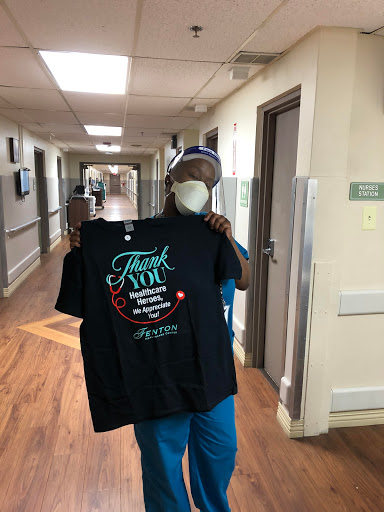
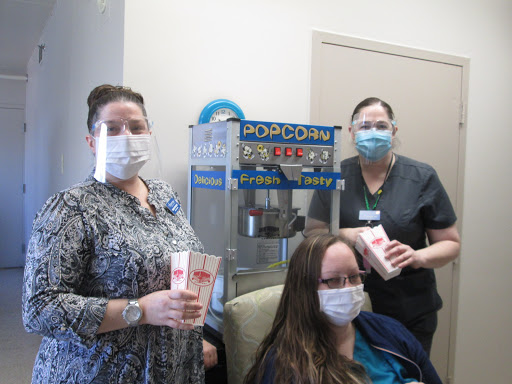
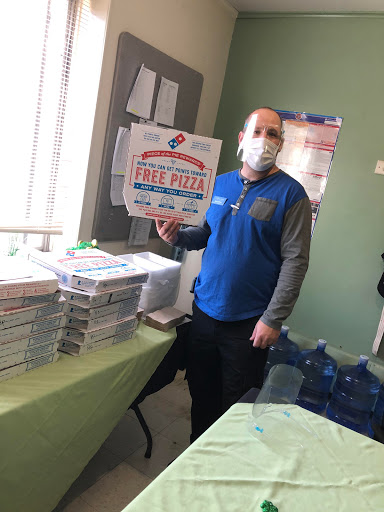
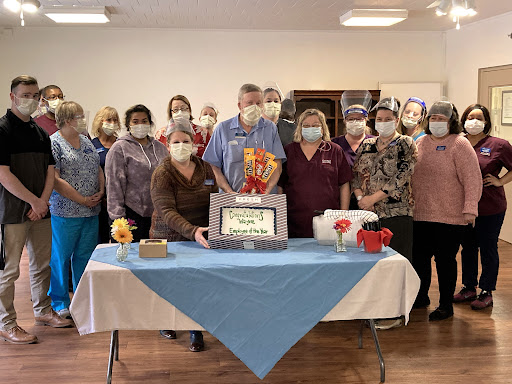
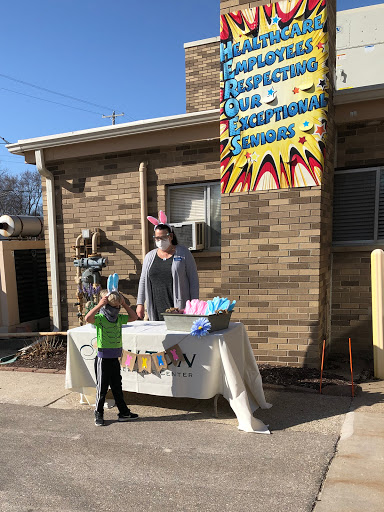
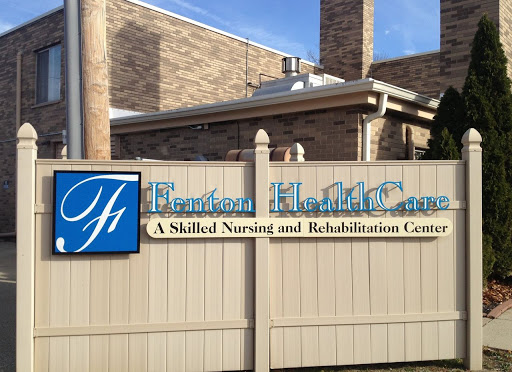
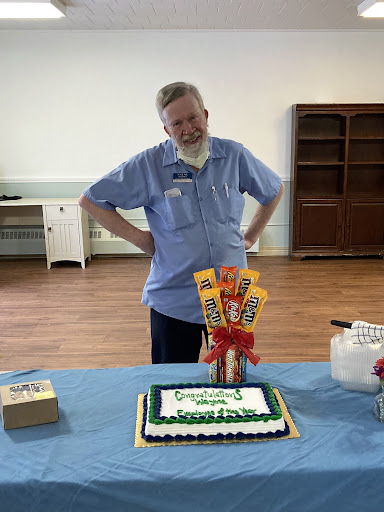
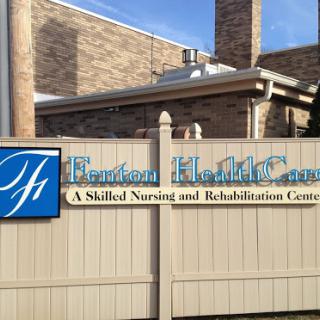
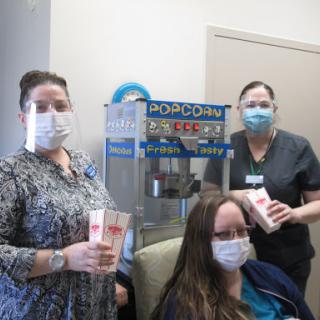
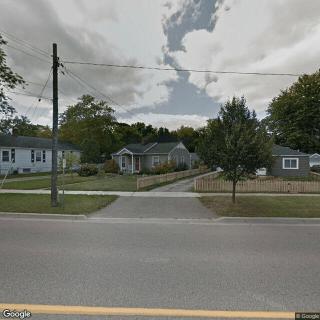
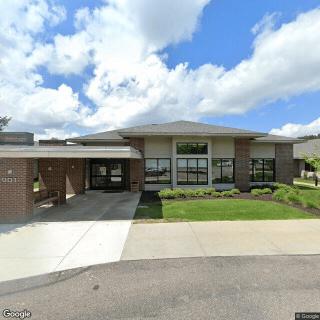
Fenton Healthcare on seniors.fyi includes 9 photos including images showing healthcare, outdoor, rehabilitation, interior, outdoors, nurse, popcorn machine, and more.
Nearby Communities
Vicinia Gardens Memory Of Fenton
Fenton, MI
4.7 from 22 reviews
$4,800 / month
Caring staff with engaging resident interactions; clean, well-maintained facility.
Vicinia Gardens Assisted Living Of Fenton
Fenton, MI
4.3 from 91 reviews
$4,400 / month
Clean, amenity-rich with engaging activities and memory-care options.
Vicinia Gardens Transition
Fenton, MI
4.8 from 43 reviews
$3,000 to $4,500 / month
Safe, homey environment with friendly, attentive staff.
Almost Home Afc
Fenton, MI
5 from 1 review
Homelike board-and-care with 24/7 supervision, ADL assistance, meals (diabetes-friendly), activities, and transportation.
Almost Home Assisted Living
Fenton, MI
5 from 1 review
Vibrant community with convenient access to healthcare, pharmacies, dining, and social venues nearby.
Rockwell Assisted Living
Fenton, MI
3.8 from 34 reviews
Lower-cost option with restaurant-style dining and on-site activities.
Wellbridge Of Fenton
Fenton, MI
3.7 from 89 reviews
Extensive amenities and 24/7 care, including restaurant-style dining, beauty salon, transportation, fitness/wellness facilities, and activity programs.
A Touch Of Home
Fenton, MI
4.9 from 9 reviews
$3,500 / month
Family-oriented atmosphere with consistent staff and home-cooked meals.
Abbey Park
Grand Blanc, MI
4.4 from 43 reviews
$1,350 to $2,075 / month
Friendly staff, clean facilities, and a variety of engaging amenities.
The guide outlines the rising costs of 24/7 in-home care, ranging from $10,000 to over $20,000 monthly, driven by factors such as location and caregiver qualifications. It discusses the limited coverage by Medicare and private insurance, potential Medicaid support, and the emotional and living condition considerations influencing families' decisions on care arrangements.
Home health nursing is an expanding field where licensed professionals provide specialized medical care in patients' homes, addressing the needs of an aging population through personalized services like assessments and medication management. Effective collaboration with healthcare teams, cultural sensitivity, and quality assurance measures are essential for fostering trust and ensuring positive patient outcomes.
Medicare covers in-home health care services, which are medical and provided by licensed professionals under a physician's supervision, whereas non-medical personal assistance is generally not covered unless part of a broader skilled care plan. Eligibility for benefits depends on being homebound and needing intermittent skilled services from a Medicare-certified agency, with specific coverage limitations and additional resources available for navigating options.
Get PricingAsk A QuestionSchedule A TourContact Senior Advisor
By clicking submit, you agree to our Partner's Terms of Use. You
also consent to receive calls and texts, which may be autodialed, from our Partner. Your consent is not a condition to
using our Partner's service. Please visit our Partner's Privacy Policy for information about their privacy practices.





 92 resident community capacity
 Skilled Nursing Facility
 Air-conditioning
 Beauty salon
 Cable or satellite TV
 Computer center
 Dining room
 Fitness room
 Fully furnished
 Gaming room
 Garden
 Housekeeping services
 Kitchenette
 Move-in coordination
 Outdoor space
 Private bathrooms
 Restaurant-style dining
 Small library
 Telephone
 Wellness center
 Wi-Fi/high-speed internet available
 Bishop (11 miles away)
 Community operated transportation
 12-16 hour nursing
 24-hour call system
 Activities of daily living assistance
 Assistance with bathing
 Assistance with dressing
 Assistance with transfers
 Diabetes diet
 Medication management
 Mental wellness program
 Special dietary restrictions
 Concierge services
 Planned day trips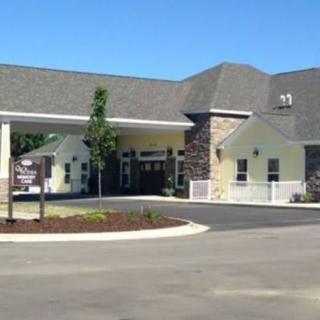
 Caring staff with engaging resident interactions; clean, well-maintained facility.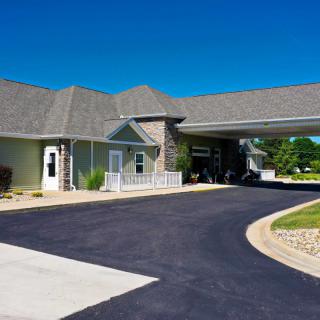


 Understanding the Full Cost of 24/7 In-Home Care: A Detailed Overview
 Exploring the World of Home Health Nurses: Qualifications, Roles, and Hiring Tips
 Navigating Medicare Coverage for In-Home Care Services