At Vicinia Gardens Transition, the monthly costs reflect a competitive pricing structure when compared to both Oakland County and the broader state of Michigan. For a semi-private room, residents can expect a fee of $3,000 per month, which is notably lower than the county average of $3,204 and the state average of $3,191. This provides an appealing option for those seeking affordability without compromising on quality care. Meanwhile, the studio units are priced at $4,500 per month; though this is slightly above Oakland County's average of $4,577, it remains considerably higher than the statewide average of $3,824. Ultimately, Vicinia Gardens Transition offers an attractive balance between cost and quality across its various accommodation options.
Floor plans
Vicinia Gardens Transition
Oakland County
Michigan
Semi-Private
$3,000
$3,204
$3,189
Studio
$4,500
$4,577
$3,824
Memory care communities with a similar price nearby
Residents and families repeatedly describe staff who are friendly and responsive.
Many reviewers say staff are welcoming and make an effort to accommodate residents, from day-to-day needs to special help when health situations become more complex. Others highlight how supportive the team is across services like dining and maintenance, and mention good communication about residents’ needs. Even the one negative review focuses on employee treatment, underscoring how strongly staff quality figures into overall impressions.
common8 reviews mention this
Dining quality shows up often
Food quality is a frequent bright spot in reviews.
Several residents and visitors comment on good food, including positive notes about the dining room and meal experience. A few also mention room-service style dining. At the same time, at least one reviewer says the food can be hit or miss.
common10 reviews mention this
Activities and social life stand out
Reviews describe an active community with plenty to do.
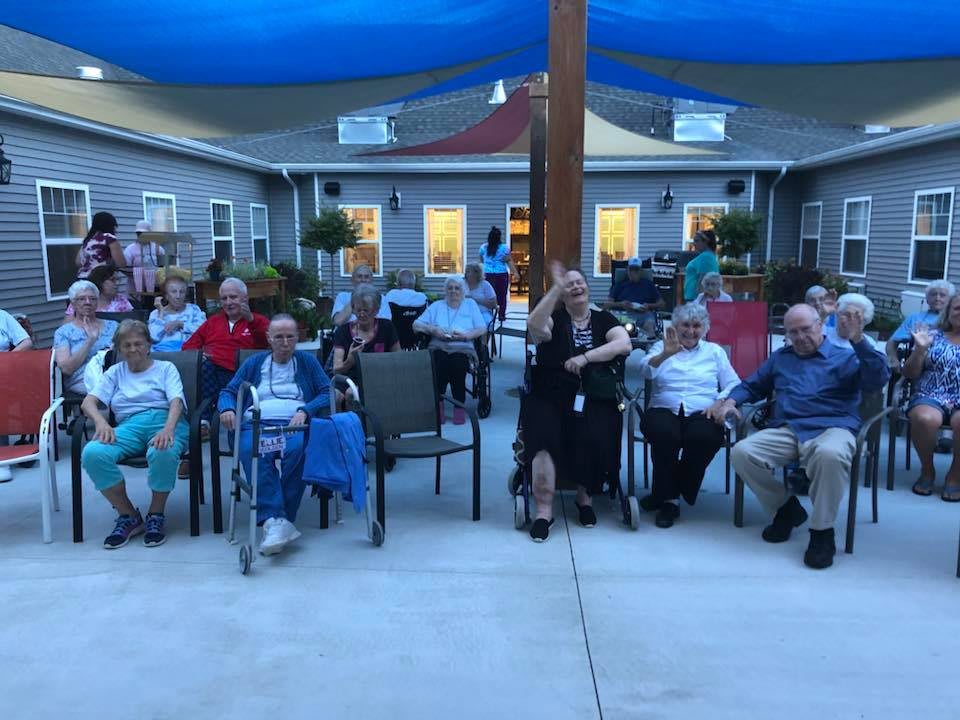
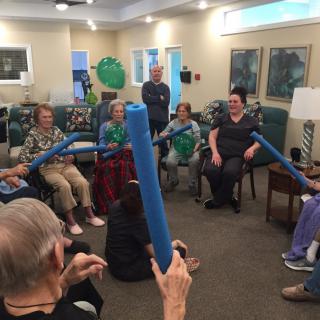
Multiple reviewers mention scheduled activities, outings, and opportunities to meet people, which they say helped residents adjust and feel at home. Families also describe social routines such as enjoying the pub and taking part in events and celebrations. Even visitors who focus on tours still point to an active, busy day-to-day feel rather than a quiet setting.
differentiator4 reviews mention this
Care support includes memory care
Residents can transition within the campus as needs change.
One family describes a robust range of help as health needs evolve, including medication services and support tied to medical appointments and hospice. They also note that their loved ones transitioned to memory care and assisted living on the same campus, with familiar staff continuing the care. Other reviewers echo that residents have access to personal resources and ongoing service support when needed.
caveat2 reviews mention this
Food can be inconsistent
Some reviewers report that meals aren’t always consistent.
While many people describe delicious or good meals, one reviewer says the food is hit or miss. This contrast suggests that meal satisfaction may vary depending on what’s being served during a resident’s time there.
How we summarize
Counts show how many written reviews mention each theme; a review can touch several themes, and only frequently mentioned themes are displayed.
Features
Housing
28 resident community capacity
Types of Care
Assisted Living
Memory Care
Pets
Cats allowed
Amenities
Activities on-site
Air-conditioning
Beautician on-site
Beauty salon
Cable or satellite TV
Devotional services off-site
Dining room
Fully furnished
Garden
Ground floor units
Handicap accessible
Housekeeping services
Indoor common areas
Kitchenette
Move-in coordination
Outdoor common areas
Outdoor space
Respite or short term stays offered
Restaurant-style dining
Small library
Telephone
Wheelchair accessible showers
Wi-Fi/high-speed internet available
Transportation
Bishop (12 miles away)
Care Services
24-hour call system
24-hour supervision
Activities of daily living assistance
Ambulatory care
Assistance with bathing
Assistance with dressing
Assistance with transfers
Diabetes diet
Diabetic care
Incontinence care
Meal preparation and service
Medication management
Mental wellness program
Special dietary restrictions
Dining
Diabetes diet
Gluten-free
Guest meals
Low / no sodium
Meals provided
No Sugar
Room service
Special dietary restrictions
Special dining programs
Vegetarian
Activities
Activities on-site
Art classes
BBQs or picnics
Birthday parties
Community-sponsored activities
Day trips and outings
Devotional activities offsite
Gardening club
Happy hour
Live dance or theater performances
Live musical performances
Resident-run activities
Scheduled daily activities
Trivia games
Wii bowling
Yoga / chair yoga
Nearby Places of Interest
Located in Fenton, Michigan, this area boasts a variety of amenities that cater to the needs and interests of seniors. With multiple cafes such as Biggby Coffee and Tim Hortons within close proximity, residents can enjoy a cup of coffee or light meal with ease. Nearby restaurants like Crust and Fenton Fire Hall offer delicious dining options for those who prefer dining out. Places of worship like First Presbyterian Church and The Freedom Center provide opportunities for spiritual growth and community engagement. Medical services are also conveniently located, with physicians' offices like Ziccardi, Michael, Do - Mc Laren Community Med Center and pharmacies such as Walgreens nearby for easy access to healthcare needs. Additionally, the presence of parks like Silver Lake Park and recreational facilities like Highest Hope Dog Sports offer opportunities for outdoor activities and leisure. Overall, this part of Fenton provides a well-rounded living environment with a good balance of amenities suitable for seniors looking for a comfortable and convenient lifestyle.
Cafes
Biggby Coffee (0.1 miles)
Tim Hortons (0.1 miles)
Starbucks (1.8 miles)
Panera Bread (2 miles)
Starbucks (9.8 miles)
Starbucks (10.1 miles)
Panera Bread (10.2 miles)
Restaurants
Crust (0.1 miles)
Fenton Fire Hall (0.2 miles)
Fenton House (0.3 miles)
The Laundry (0.4 miles)
Moy Kong Express (0.6 miles)
Uncle Ray's Dairyland (1.3 miles)
Rally's (1.5 miles)
Places of Worship
First Presbyterian Church (0.3 miles)
The Freedom Center (1.4 miles)
Holy Spirit Lutheran Church (8.7 miles)
Holy Family Church (9.6 miles)
Physicians
Ziccardi, Michael, Do - Mc Laren Community Med Center (1.1 miles)
Benford Donna DO (1.3 miles)
Ortho Michigan (1.6 miles)
James Garfield, DO (1.7 miles)
Michigan Vision Institute (1.7 miles)
Fenton Creative Health Care (3.7 miles)
Genesys Integrated Group Practice (4.9 miles)
Hospitals
Rybar Group (1.5 miles)
Genesys Hospital (7.3 miles)
Cardiology - Ascension Genesys Heart Institute (7.3 miles)
At Vicinia Gardens Transition, the monthly costs reflect a competitive pricing structure when compared to both Oakland County and the broader state of Michigan. For a semi-private room, residents can expect a fee of $3,000 per month, which is notably lower than the county average of $3,204 and the state average of $3,191. This provides an appealing option for those seeking affordability without compromising on quality care. Meanwhile, the studio units are priced at $4,500 per month; though this is slightly above Oakland County's average of $4,577, it remains considerably higher than the statewide average of $3,824. Ultimately, Vicinia Gardens Transition offers an attractive balance between cost and quality across its various accommodation options.
Vicinia Gardens Transition's comprehensive features are designed to address the unique challenges faced by residents with dementia or Alzheimer's disease. The 24-hour supervision ensures a safe and secure environment, allowing residents to navigate their daily lives with confidence, while assistance with activities of daily living--such as bathing, dressing, and transfers--promotes dignity and independence. Incontinence care provides comfort and respect for individuals' needs, further enhancing their quality of life. The meal preparation and service cater to nutritional requirements, ensuring that residents enjoy meals suited to their tastes and dietary restrictions. Medication management is critical in maintaining health stability, preventing confusion around dosages and schedules. Lastly, the mental wellness program engages cognitive function through tailored activities that stimulate memory recall and promote social interactions, fostering a sense of community and connection among residents.
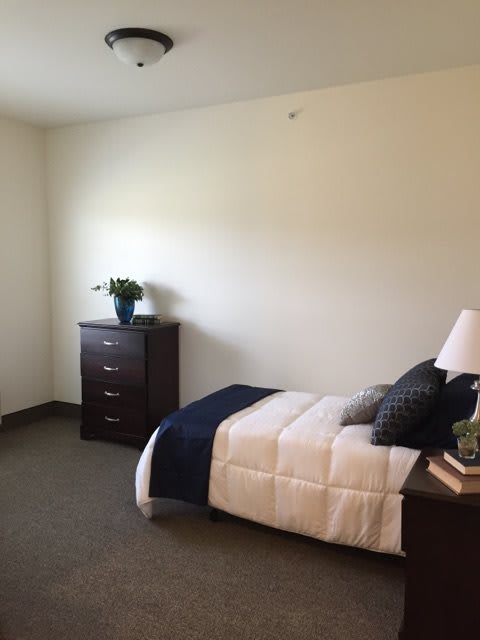
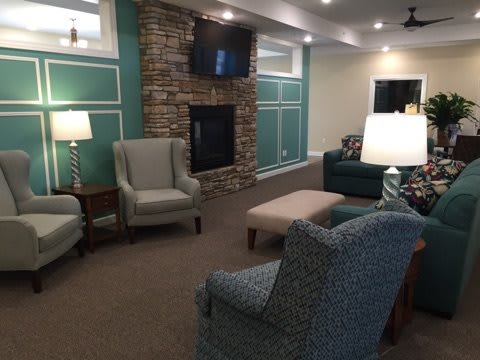
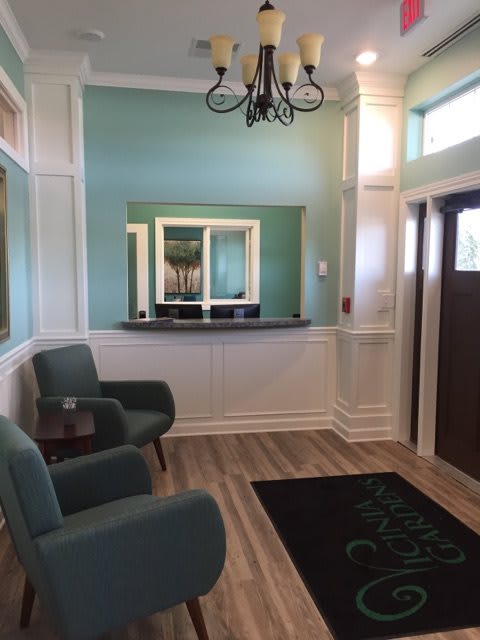
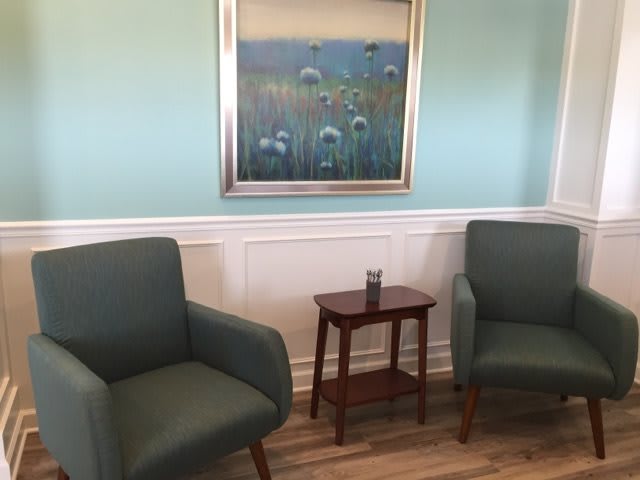
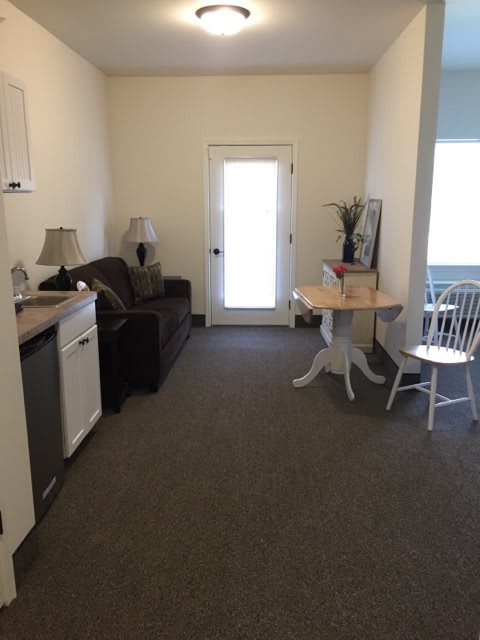
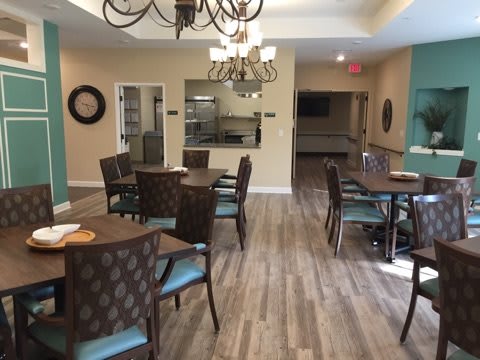
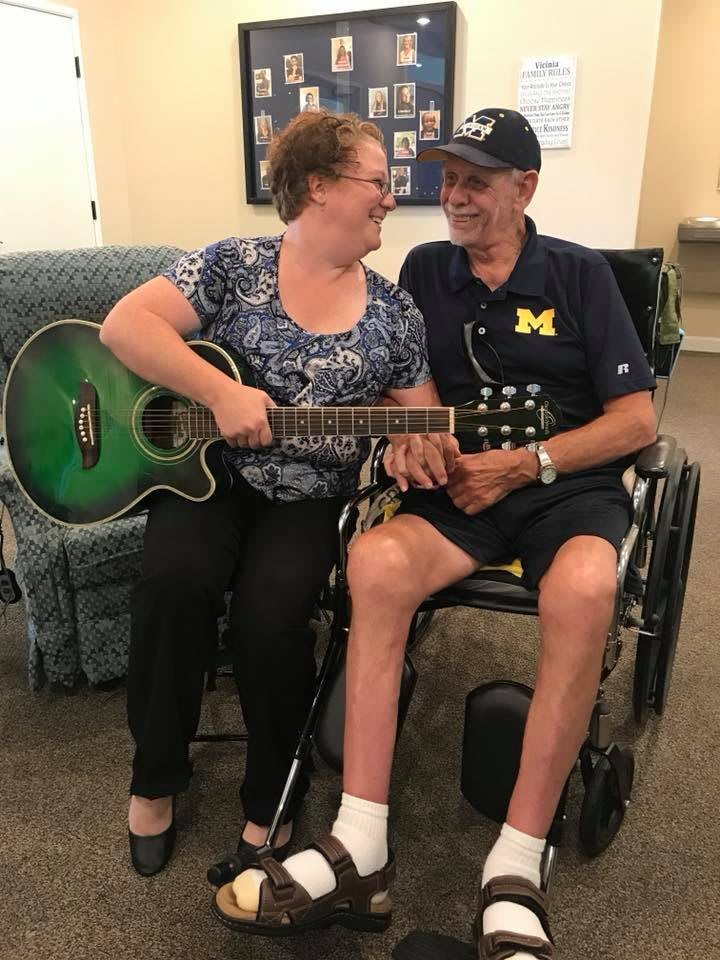
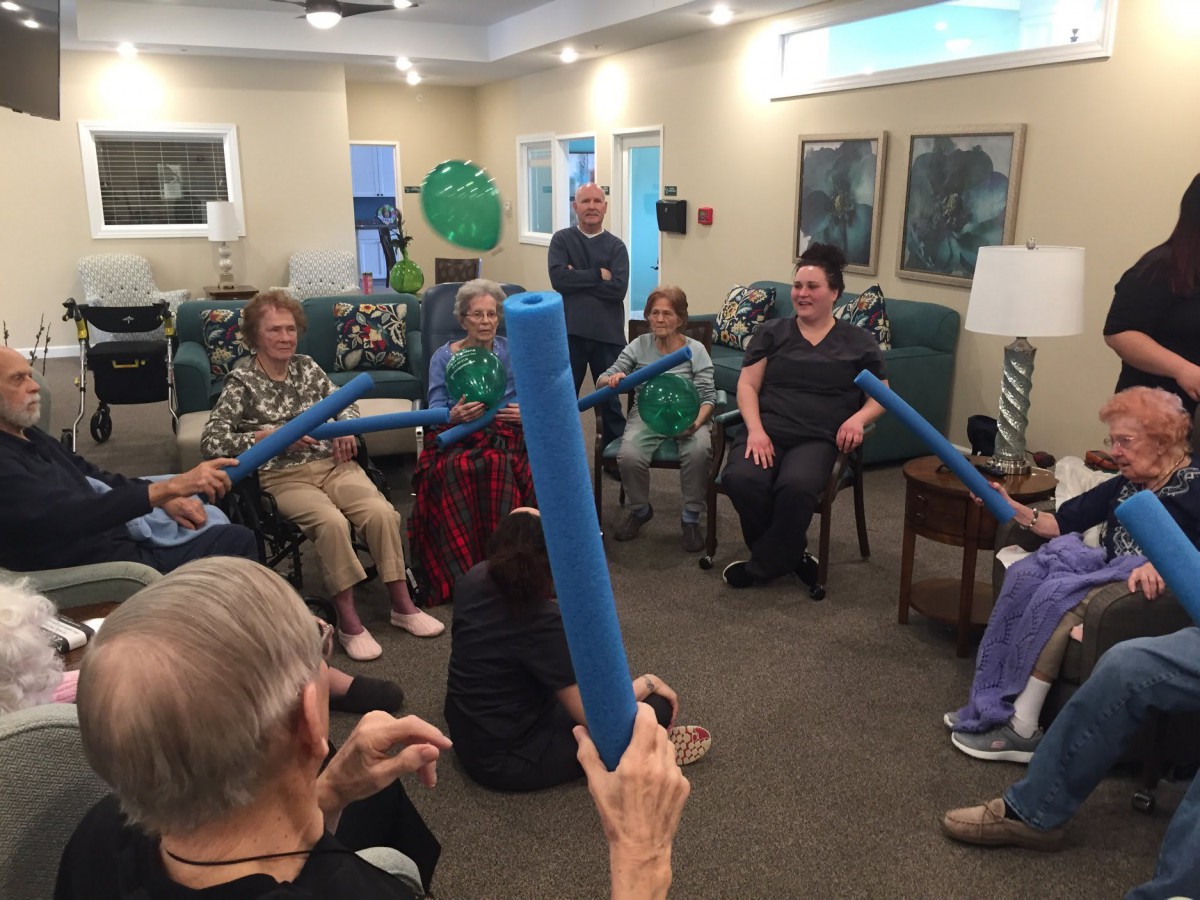
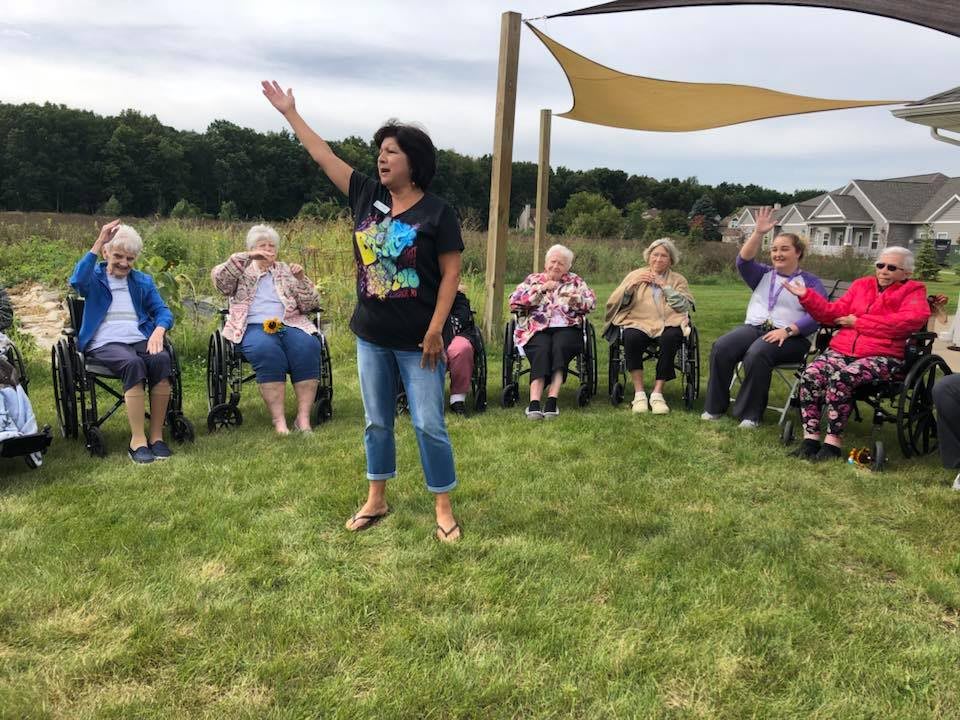
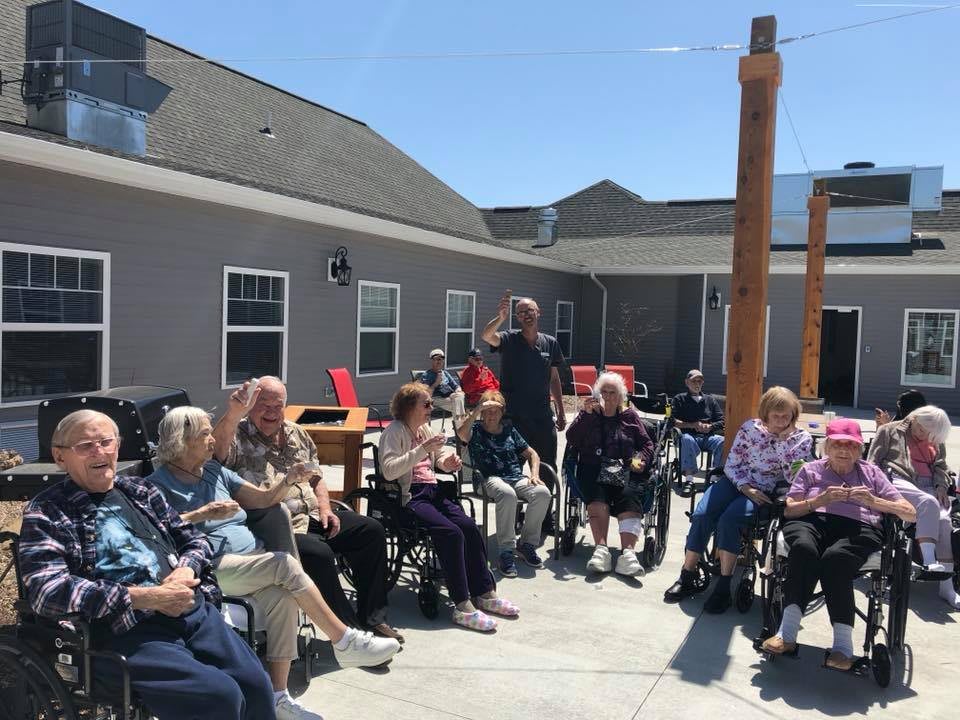
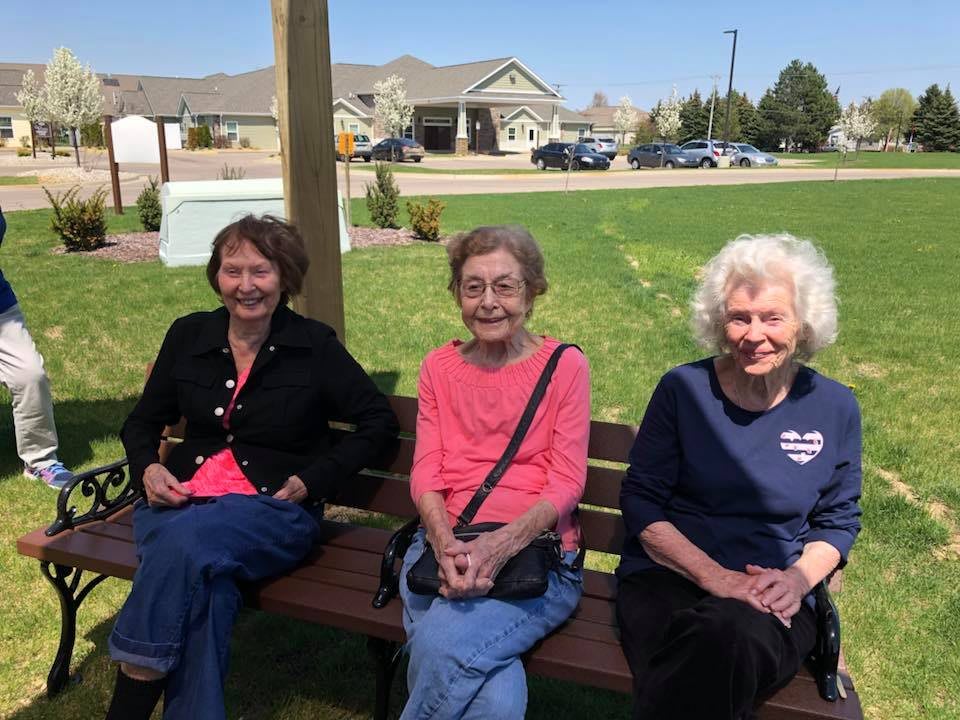
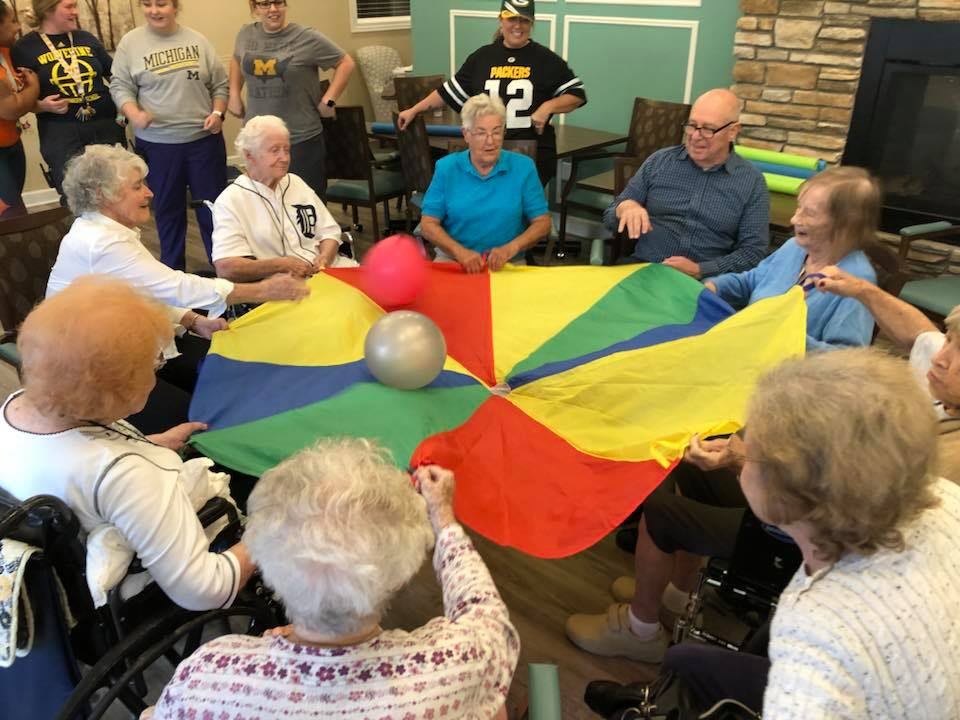
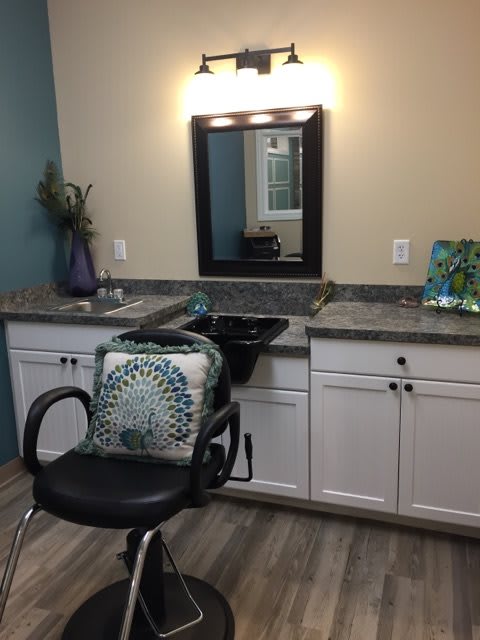
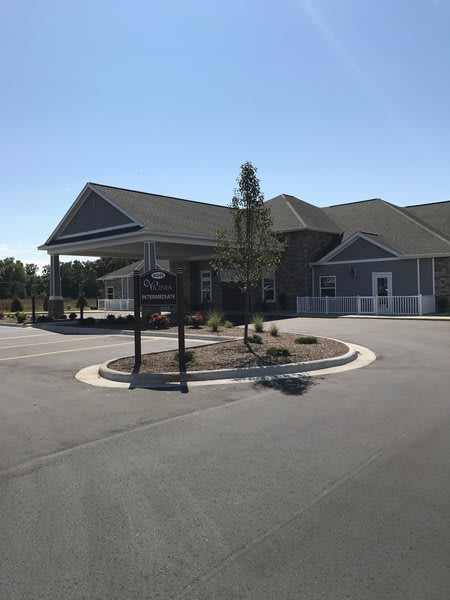
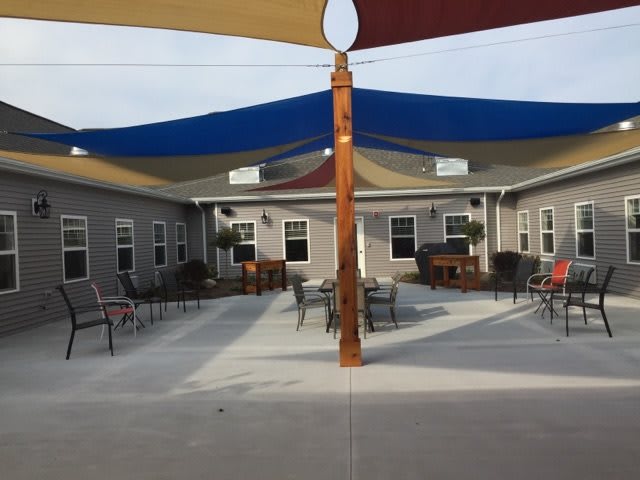
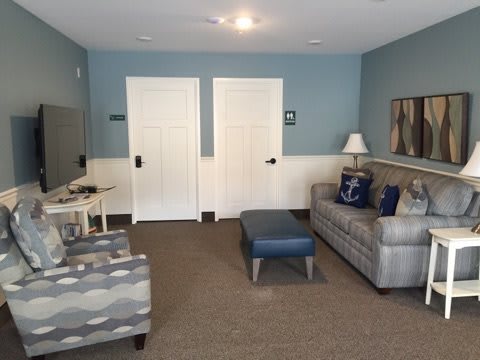
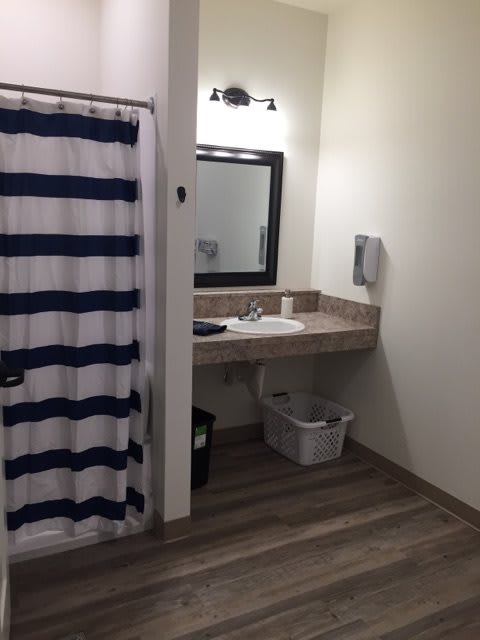
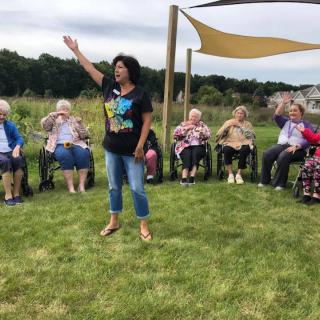
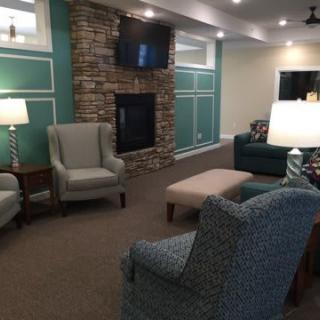
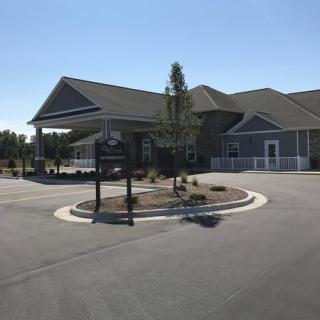
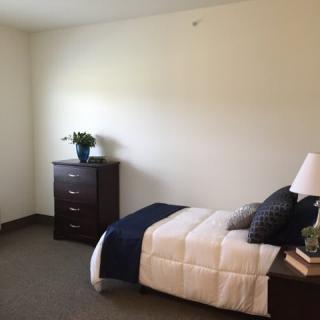
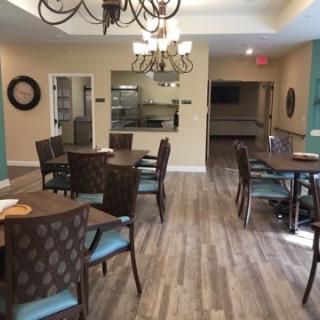
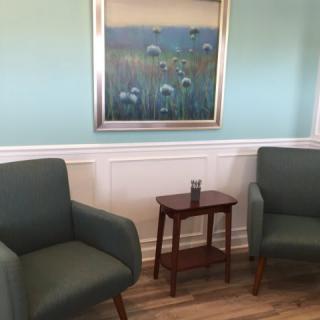
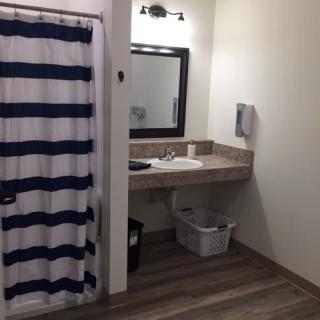
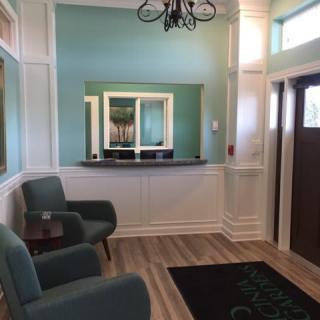
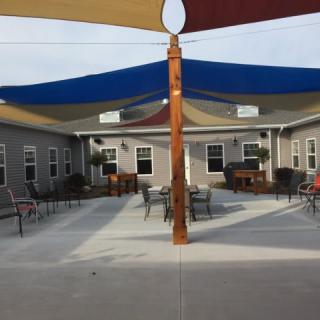
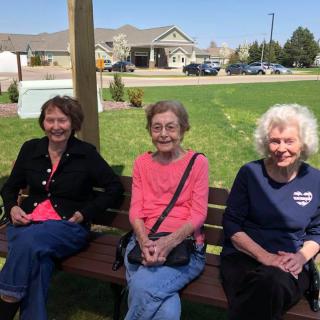
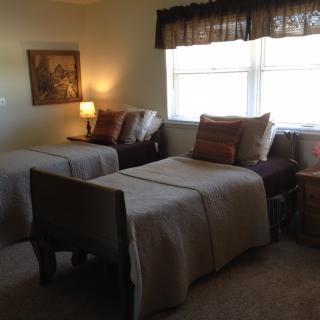
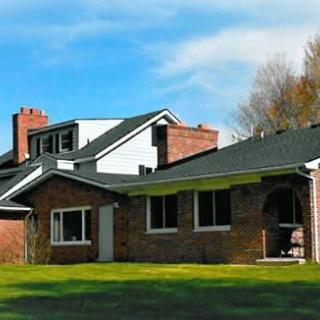
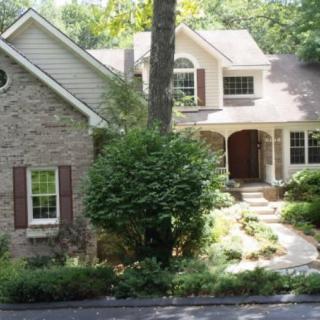
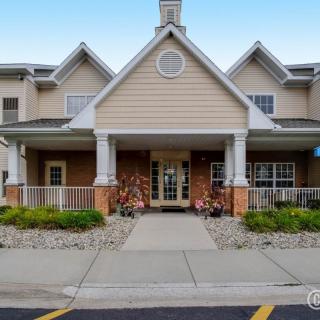
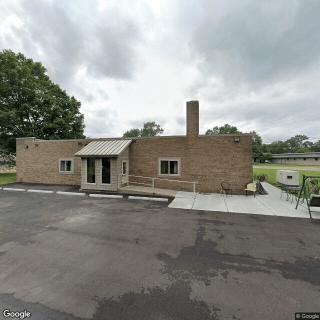
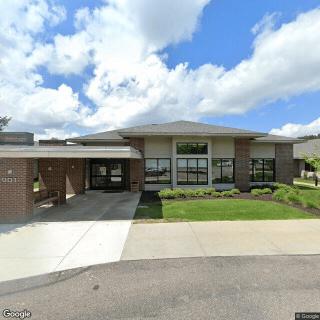
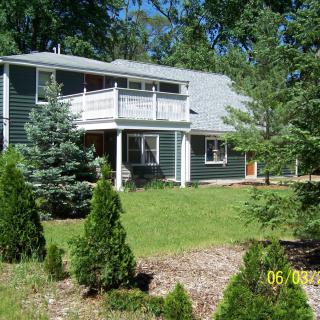
Vicinia Gardens Transition on seniors.fyi includes 19 photos including images showing interior, decor, outdoors, living room, salon, chandelier, bathroom, minimalist, and more.
Nearby Communities
Vicinia Gardens Memory Of Fenton
Fenton, MI
4.7 from 22 reviews
$4,800 / month
Caring staff with engaging resident interactions; clean, well-maintained facility.
Vicinia Gardens Assisted Living Of Fenton
Fenton, MI
4.3 from 91 reviews
$4,400 / month
Clean, amenity-rich with engaging activities and memory-care options.
Almost Home Afc
Fenton, MI
5 from 1 review
Homelike board-and-care with 24/7 supervision, ADL assistance, meals (diabetes-friendly), activities, and transportation.
Almost Home Assisted Living
Fenton, MI
5 from 1 review
Vibrant community with convenient access to healthcare, pharmacies, dining, and social venues nearby.
Rockwell Assisted Living
Fenton, MI
3.8 from 34 reviews
Lower-cost option with restaurant-style dining and on-site activities.
Fenton Healthcare
Fenton, MI
4 from 101 reviews
Caring staff with noted improvement in resident well-being and medication management.
Wellbridge Of Fenton
Fenton, MI
3.7 from 89 reviews
Extensive amenities and 24/7 care, including restaurant-style dining, beauty salon, transportation, fitness/wellness facilities, and activity programs.
A Touch Of Home
Fenton, MI
4.9 from 9 reviews
$3,500 / month
Family-oriented atmosphere with consistent staff and home-cooked meals.
Abbey Park
Grand Blanc, MI
4.4 from 43 reviews
$1,350 to $2,075 / month
Friendly staff, clean facilities, and a variety of engaging amenities.
"Memory Care Pathways: A Holistic Guide to Dementia Support" outlines the complexities of dementia and its various types, emphasizing early detection, patient-centered care strategies, caregiver support, and long-term care options while addressing legal and financial considerations to enhance the quality of life for individuals with dementia and their families.
Sundown syndrome, or sundowning, is a phenomenon in dementia patients characterized by increased confusion and agitation during late afternoon and evening, influenced by factors like disrupted circadian rhythms and fatigue. Effective caregiver strategies include establishing routines and managing environmental light while addressing caregiver stress through support services.
Delirium is a rapidly onset, reversible cognitive disturbance often caused by acute medical issues, while dementia is a gradual and irreversible decline due to chronic neurodegenerative diseases. Accurate differentiation between the two is essential for appropriate treatment and management in older adults.
Landscaping, Building, Architecture, Entrance, and Exterior
Bathroom
Kitchen
Television and Fireplace
Chandelier
Seating Area and Painting
Outdoors
Outdoor Seating, Courtyard, and Patio Furniture
Salon
Minimalist
Reception Area
Park
Wheelchair
Exercise
Additional Photos
Get PricingAsk A QuestionSchedule A TourContact Senior Advisor
By clicking submit, you agree to our Partner's Terms of Use. You
also consent to receive calls and texts, which may be autodialed, from our Partner. Your consent is not a condition to
using our Partner's service. Please visit our Partner's Privacy Policy for information about their privacy practices.



 28 resident community capacity
 Assisted Living
 Memory Care
 Cats allowed
 Activities on-site
 Air-conditioning
 Beautician on-site
 Cable or satellite TV
 Devotional services off-site
 Dining room
 Fully furnished
 Garden
 Ground floor units
 Handicap accessible
 Housekeeping services
 Indoor common areas
 Kitchenette
 Move-in coordination
 Outdoor common areas
 Respite or short term stays offered
 Restaurant-style dining
 Small library
 Telephone
 Wheelchair accessible showers
 Wi-Fi/high-speed internet available
 Bishop (12 miles away)
 24-hour call system
 Ambulatory care
 Assistance with bathing
 Assistance with dressing
 Assistance with transfers
 Diabetes diet
 Diabetic care
 Incontinence care
 Medication management
 Mental wellness program
 Special dietary restrictions
 Art classes
 BBQs or picnics
 Birthday parties
 Day trips and outings
 Happy hour
 Live dance or theater performances
 Live musical performances
 Trivia games
 Wii bowling
 Yoga / chair yoga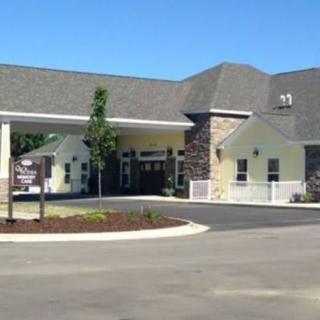
 Caring staff with engaging resident interactions; clean, well-maintained facility.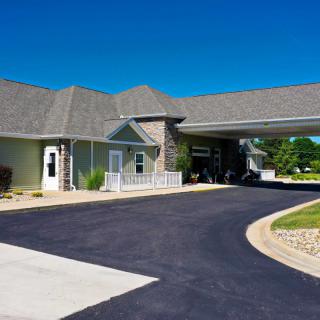


 Memory Care Pathways: A Holistic Guide to Dementia Support
 Comprehending Evening Confusion in Dementia: Causes, Manifestations, and Support
 Delirium and Dementia: Unraveling the Key Differences