Malta House offers a private room option at $4,500 per month, positioning itself slightly above both Oakland County and the broader Michigan average, which stand at $3,708 and $3,675 respectively. This pricing reflects Malta House's commitment to providing high-quality accommodations and personalized care tailored to individual needs. While its costs are higher than local and state averages, prospective residents may find value in the comprehensive services and supportive environment that Malta House strives to create, ensuring not only comfort but also a holistic approach to well-being.
Floor plans
Malta House
Oakland County
Michigan
Private
$4,500
$3,708
$3,674
Assisted Living communities with a similar price nearby
Residents describe structured mental health treatment with specialized therapy and medication support.
Multiple residents describe mental health support that goes beyond talk, including specific therapies and medication management as part of treatment. Several reviews mention customized programming for needs like autism and DBT, and others describe psychiatric treatment aimed at stabilizing symptoms. Some residents credit the program with improved outcomes like fewer hospitalizations and better functioning over time.
common20 reviews mention this
Staff care is a consistent theme
Residents repeatedly describe staff members as professional, compassionate, and supportive.
Across reviews, residents praise social workers, case managers, therapists, and other support staff as caring and dedicated during daily life in the program. Several reviewers call out specific people for being warm, rational, and helpful, while others describe a team approach to coordinating care. A smaller number of reviews express frustration with management or organization, but even then some residents single out individual staff members they respected.
common8 reviews mention this
Independence and structure
Residents describe a program that balances personal freedom with structured routines.
Many reviews emphasize independence within the program, including staying in contact with personal routines and going on outings and day passes. Several residents also describe skill-building expectations—such as engaging in groups, appointments, and structured activities—to get the most out of the treatment. Other reviews link the structure to long-term progress, including stable work and improved daily functioning.
caveat8 reviews mention this
Cost and affordability concerns
Cost and insurance affordability come up as a recurring concern in reviews.
Some residents and families describe the program as expensive or not affordable for most people, including mentions of day rates and monthly totals. Several reviews also raise insurance-related concerns, while others characterize the business model as profit-focused or overly restrictive about admissions. One positive review counters this by noting the administration’s focus on keeping costs low, but the affordability complaints remain a visible theme overall.
How we summarize
Counts show how many written reviews mention each theme; a review can touch several themes, and only frequently mentioned themes are displayed.
Features
Housing
12 resident community capacity
Types of Care
Assisted Living
Amenities
Cable or satellite TV
Dining room
Fully furnished
Garden
Housekeeping services
Move-in coordination
Outdoor space
Telephone
Wi-Fi/high-speed internet available
Transportation
Bishop (11 miles away)
Care Services
24-hour supervision
Activities of daily living assistance
Assistance with bathing
Assistance with dressing
Assistance with transfers
Coordination with health care providers
Diabetes diet
Meal preparation and service
Medication management
Special dietary restrictions
Transportation arrangement (medical)
Transportation to doctors appointments
Dining
Diabetes diet
Special dietary restrictions
Activities
Community-sponsored activities
Scheduled daily activities
Nearby Places of Interest
Restaurants
Escamilla Amigos Cantina (2.6 miles)
McDonald's (3 miles)
McDonald's (3.2 miles)
Arby's (3.3 miles)
Culver's (3.6 miles)
Taco Bell (3.7 miles)
El Potrero (4.2 miles)
Physicians
Jean L Nelson (2.9 miles)
Genesys, Genesys Regional Medical Center, Genesys Perinatal Diagnostic Center (3 miles)
Michigan Neurosurgical Institute PC (3.1 miles)
Genesys (3.3 miles)
Regional Cardiology Associates (3.4 miles)
Colon & Rectal Surgery of Flint (3.4 miles)
Integrated Vascular Vein Center Of Michigan (3.4 miles)
Pharmacies
CVS Pharmacy (3.1 miles)
Rite Aid (4.1 miles)
Genesee County Pharmacists Association (4.9 miles)
American Die Cast Releasants (5.3 miles)
Rite Aid (6.6 miles)
Walgreens (6.9 miles)
Walgreens (7.1 miles)
Hospitals
Cardiology - Ascension Genesys Heart Institute (3.4 miles)
Malta House offers a private room option at $4,500 per month, positioning itself slightly above both Oakland County and the broader Michigan average, which stand at $3,708 and $3,675 respectively. This pricing reflects Malta House's commitment to providing high-quality accommodations and personalized care tailored to individual needs. While its costs are higher than local and state averages, prospective residents may find value in the comprehensive services and supportive environment that Malta House strives to create, ensuring not only comfort but also a holistic approach to well-being.
Assisted living facilities provide support for older adults needing help with daily activities without extensive medical care, but their costs can be high and vary by location and services offered. Families often seek various funding options and financial strategies to manage these expenses effectively while considering future needs and potential price increases.
The article discusses assisted living expenses, the importance of long-term care insurance in covering these costs, and various financing options, highlighting the need for careful policy review and early planning to address potential needs. It also clarifies common misconceptions about Medicare and private health insurance limitations regarding long-term care coverage.
Assisted living facilities offer crucial support for older adults needing help with daily activities but come with varying and significant costs, which can be financed through personal savings, government assistance programs, long-term care insurance, and home equity options. Professional guidance from experts can aid families in navigating these financial complexities to establish a sustainable budgeting approach for assisted living services.
Get PricingAsk A QuestionSchedule A TourContact Senior Advisor
By clicking submit, you agree to our Partner's Terms of Use. You
also consent to receive calls and texts, which may be autodialed, from our Partner. Your consent is not a condition to
using our Partner's service. Please visit our Partner's Privacy Policy for information about their privacy practices.

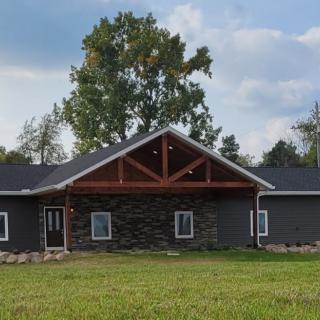
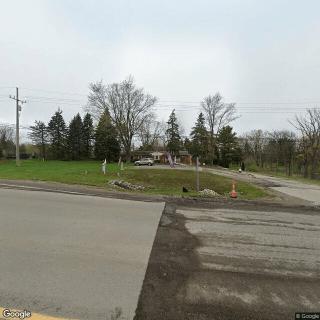
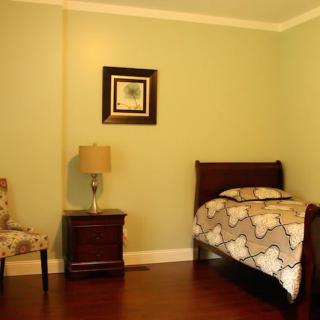
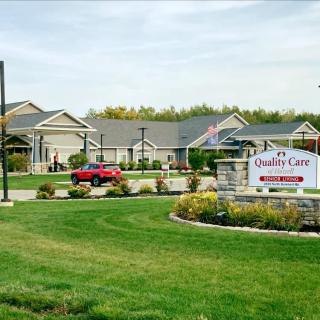
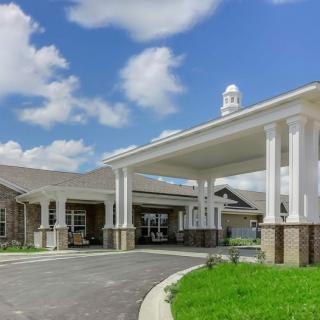
 12 resident community capacity
 Assisted Living
 Cable or satellite TV
 Dining room
 Fully furnished
 Garden
 Housekeeping services
 Move-in coordination
 Outdoor space
 Telephone
 Wi-Fi/high-speed internet available
 Bishop (11 miles away)
 24-hour supervision
 Activities of daily living assistance
 Assistance with bathing
 Assistance with dressing
 Assistance with transfers
 Diabetes diet
 Meal preparation and service
 Medication management
 Special dietary restrictions
 Transportation arrangement (medical)
 Transportation to doctors appointments
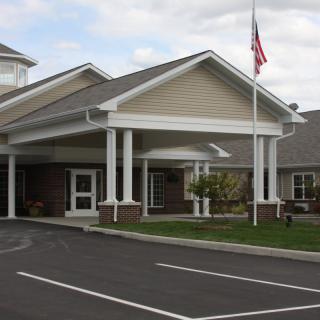
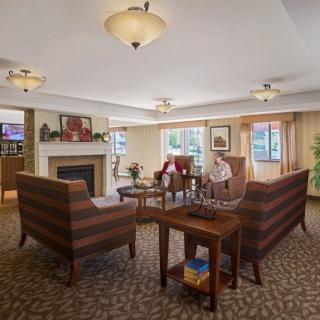
 Small, intimate community with comprehensive care: 24-hour supervision, ADL assistance, medication management, and medical transportation.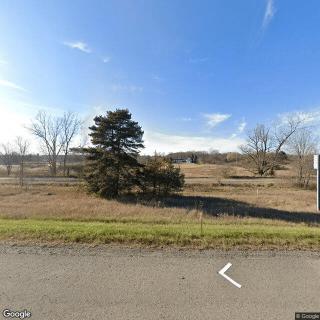
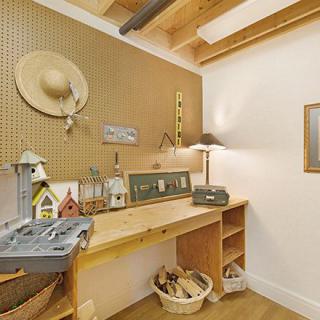
 Funding and Affording Assisted Living: A Thorough Overview
 Assisted Living Expenses and Long-Term Care Insurance: A Comprehensive Exploration
 Securing Financial Support for Assisted Living: A Comprehensive Overview