
21207 Parker Street, Farmington Hills, MI 48336
For more information about senior living options: (866) 208-4318
Overall Review of The Fox Creek
Pros
 The experience with Alba Christian Home is excellent.
- The facility is very clean.
- The home is very family oriented.
- The food is good.
- The meals are all home cooked.
- The care is very good.
Review
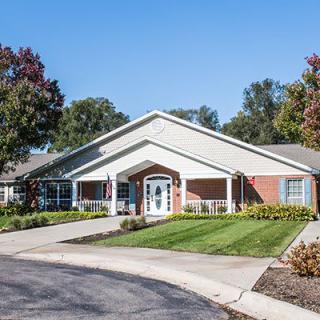
The Fox Creek in Farmington Hills is best suited for seniors who want a small, home-like setting where care feels intimate and personalized. This community appears to thrive on a family-friendly atmosphere, with cleanliness and a sense of hominess that can reduce the clinical stiffness often found in larger campuses. Residents who prize on-site, home-cooked meals and direct, attentive caregiving will likely feel at home here. The environment lends itself to clearer communication with staff, easier family involvement, and a rhythm of daily life that resembles a well-run private home more than a hospital-like facility. For families seeking strong daily oversight, a reassuring sense of warmth, and meals that feel familiar, The Fox Creek aligns with those priorities.
This community also makes sense for families who want to avoid impersonal, one-size-fits-all care models. The available materials and feedback suggest a setting where staff know residents by name, respond promptly, and foster a sense of stability. Prospective residents who place a premium on cleanliness, a supportive, close-knit staff, and the comfort of familiar routines will gravitate toward this option. The strength of the care in a home-oriented framework often translates into better morale for residents who may resist institutional environments, as well as more consistent caregiver-resident relationships that reduce anxiety and confusion. In short, for someone who values warmth and continuity above grand programming, The Fox Creek checks many of the right boxes.
The two strongest positives from the limited reviews point to core, practical advantages: cleanliness and a home cook ethos around meals. A clean environment is foundational to daily comfort and safety, and in a private-home model that emphasis is magnified by smaller footprints and direct oversight. Home-style cooking can improve appetite, support better nutrition, and offer sensory familiarity that reassures residents who may be anxious in unfamiliar dining halls. The family-oriented vibe likely means families stay closely connected to care plans, with opportunities for participation in daily activities or decision-making. Taken together, these elements contribute to a sense of well-being that often reduces irritability and elicits cooperative behavior from residents who might otherwise feel overwhelmed in larger, more impersonal settings.
Yet, the intimate, home-based model carries practical trade-offs that should be weighed. The main caveat, inferred rather than stated outright, is that a smaller footprint may limit the breadth of clinical services, therapy options, and program variety found in larger assisted living campuses. For residents who require frequent, specialized therapies, or who need round-the-clock medical oversight, the available options may be more constrained. Staffing stability and coverage can also hinge on a smaller team, which occasionally leads to variability across shifts. Additionally, families should verify the facility’s capacity for dementia or memory-care needs, emergency procedures, and the exact level of medical support available on site. These are legitimate questions when evaluating whether this setting can sustain shifting or escalating care demands.
Despite these potential limitations, the pro-side dynamics can significantly offset concerns for the right resident. The personal attention that accompanies a smaller team often means quicker anomaly detection, more rapid responses to needs, and fewer miscommunications, a real value for anyone managing chronic conditions or complex schedules at home. The comfort of a stable, nurturing environment, combined with reliable cleanliness and good meals, translates into better daily satisfaction and fewer distress signals that complicate care transitions. When staff know residents well, they are better positioned to tailor activities, monitor mood, and adapt routines, which can reduce the likelihood of hospital visits or medication mishaps. The consistent, positive impressions reflected in the favorable reviews reinforce the practical takeaway: warmth and attentiveness can compensate for fewer bells and whistles.
For families evaluating options, practical next steps are clear. Schedule direct visits to observe staffing interactions, discuss 24/7 nursing availability, and ask for a transparent snapshot of care levels, medication management, and any ancillary services (rehab, memory care, respite options). Inquire about licensing, recent inspections, and staffing ratios, and request an annual calendar of activities to gauge whether programming aligns with the resident’s interests. Compare total costs, including meals, care planning, and potential add-ons, across similarly sized homes versus larger communities. Proximity to relatives and ease of access for family involvement are tangible benefits that should factor into the decision. If warmth, cleanliness, and a homelike daily rhythm are the priorities, The Fox Creek presents a compelling, credible option that deserves serious consideration. For families prioritizing expansive clinical services or dementia-specific programs, exploring alternatives alongside this option is prudent.
 6 resident community capacity
 Assisted Living
 Cable or satellite TV
 Dining room
 Fully furnished
 Garden
 Housekeeping services
 Move-in coordination
 Outdoor space
 Telephone
 Wi-Fi/high-speed internet available
 Detroit Metropolitan-Wayne County (16 miles away)
 24-hour supervision
 Activities of daily living assistance
 Assistance with bathing
 Assistance with dressing
 Assistance with transfers
 Diabetes diet
 Meal preparation and service
 Medication management
 Special dietary restrictions
 Transportation arrangement (medical)
 Transportation to doctors appointments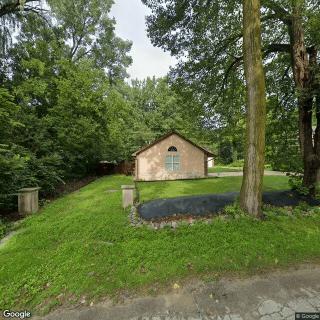




 Senior Transition Services: Understanding Their Role, Cost, and Importance
 Exploring the Path to Senior Living: A Comprehensive Look at Independent Living and Assisted Living
 Is Assisted Living Deductible on Your Taxes? Understanding the Complexities of Assisted Living Expenses and Deductions