
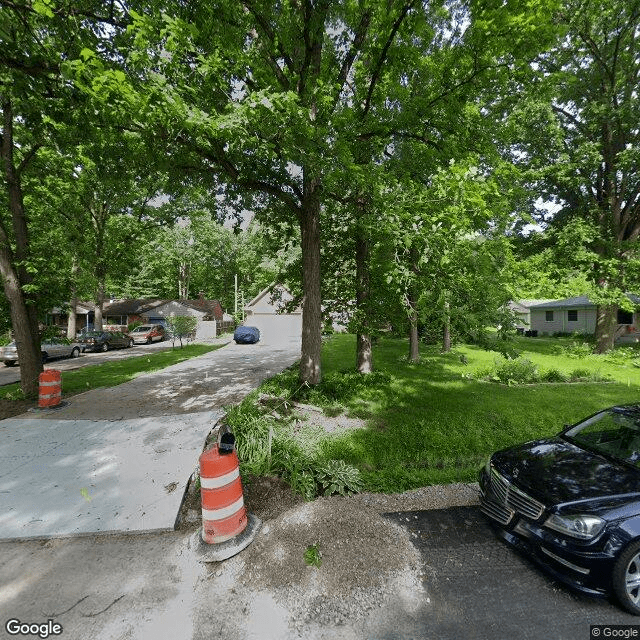
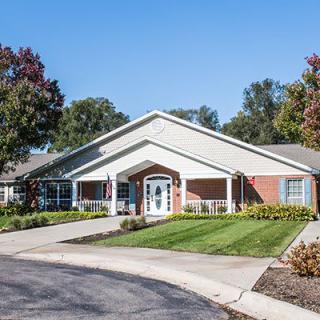
21535 Lundy Drive, Farmington Hills, MI 48336
For more information about senior living options: (866) 208-4318
New Hope Family Care I Costs & Pricing
New Hope Family Care I offers competitive pricing for its care services within the broader context of Wayne County and Michigan. The monthly cost for a semi-private room at New Hope Family Care I is $4,500, which is significantly higher than both the county average of $2,860 and the state average of $3,191. In terms of private accommodations, New Hope Family Care I charges $5,000 per month, again exceeding the local figure of $3,335 and the statewide average of $3,675. While these costs reflect a premium over local and state options, they may also indicate a commitment to enhanced care quality or specialized services that potential clients could find beneficial when considering their long-term care needs.
| Floor plans | New Hope Family Care I | Wayne County | Michigan |
|---|---|---|---|
| Semi-Private | $4,500 | $2,860 | $3,189 |
| Private | $5,000 | $3,335 | $3,674 |
Assisted Living communities with a similar price nearby
-
from +$500 / mo
Greencastle Family Care
$5,000 / month3.4 miles away -
from -$700 / mo
Silverbell Manor
$3,800 / month20.3 miles away -
from -$700 / mo
22nd Street Senior Care
$3,800 to $4,300 / month19.3 miles away -
from -$500 / mo
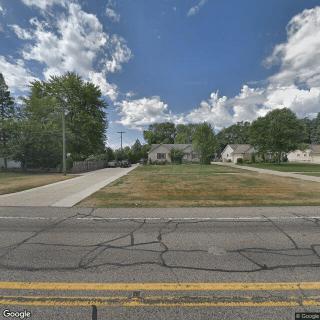
Grace Homecare
$4,000 to $4,500 / month6.6 miles away -
from -$250 / mo
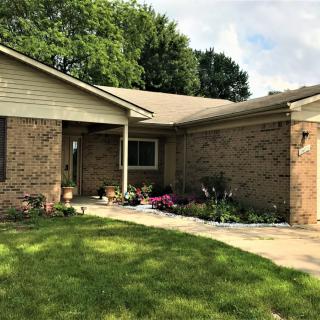
Aiello Adult Foster Care
$4,250 to $4,500 / month23.2 miles away
Overall Review of New Hope Family Care I
Pros
 New Hope Adult Foster Care is absolutely wonderful, with spotless, welcoming surroundings and excellent care.
- The staff are caring, attentive, and genuinely devoted to residents.
- Families report peace of mind and describe New Hope as a second family for their loved ones.
- The facility is consistently clean, tidy, and home-like for residents and visitors alike.
- Fresh, homemade meals are prepared daily for every resident.
- Communication with families is proactive and clear, with no surprises.
- Residents are treated with compassion, respect, and personalized attention.
- The team at New Hope is highly regarded and strongly recommended by families.
Cons
 They had horrible experiences at three other assisted living facilities.
- They did not feel that moving their sister again would be an option.
Review
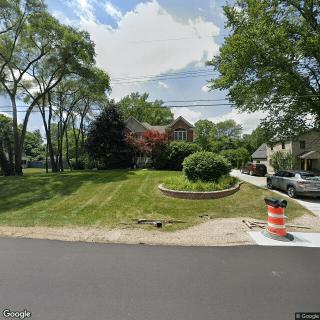
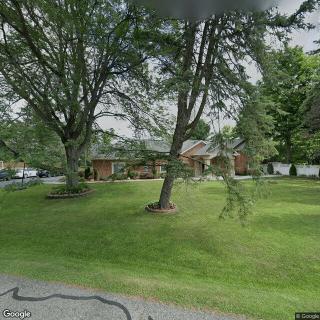
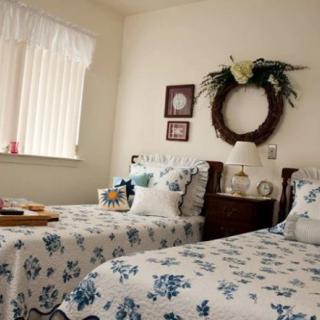
New Hope Family Care I in Farmington Hills is best suited for families seeking a small, home-like care option where daily assistance blends with deep personal attention, consistent routines, and a peerless sense of belonging. The reviews consistently describe a warm, immaculate residence that operates like an extended family, not a clinical facility. Residents are treated with dignity, kindness, and responsiveness, and families report that their loved ones feel cherished, safe, and genuinely cared for. This is the kind of setting where staff become trusted companions and the care team feels accessible to relatives, not distant administrators.
Those weighing alternatives should consider the realities of a smaller, intimate model. For seniors requiring intensive medical management, complex medication oversight, or dementia-specific programming, a larger assisted living community with formal memory-care services may be a better fit. Families who want a broader menu of on-site therapies, more structured daily programming, or guaranteed scale and coverage during peak demand may find a bigger campus provides the assurance they expect. If independence needs extend beyond what a home-like setting typically offers, explore options with more pronounced clinical infrastructure.
The strongest positives here are unmistakable. The facility’s cleanliness and homey atmosphere are consistently highlighted, with meals described as homemade and prepared with care. Staff are repeatedly praised for attentiveness, gentleness, and genuine concern for residents’ well-being, and the leadership, particularly the owner-family, reads as highly invested and personally engaged. Families report that communication is prioritized, with no surprises, which translates into trust and peace of mind during what can be emotionally stressful times. The sense that the staff treat residents as family members, not just patients, drives the standout value.
Still, the model carries potential trade-offs. A notable point from a reviewer was the anticipated transition risk tied to ownership plans, one owner indicated plans to move in, with uncertainty about what would follow. In a small, family-run operation, that kind of continuity is legitimate concern for families looking for long-term stability. However, the same intimate setup that raises questions about future leadership also delivers remarkable continuity of care today: a tight-knit team that knows each resident personally, consistent routines, and transparent, frequent family updates. The practical effects are that today’s caregivers feel more accountable to families than to a distant corporate policy.
From a decision-making perspective, this option excels for families prioritizing emotional warmth, a strong sense of belonging, and meticulous daily care delivered in a home environment. If that combination matters most, where the goal is not just “care” but a feeling of being welcomed into a caring extended family, New Hope stands out. Those who place a premium on formal medical services, dementia-specific programming, or a broad, campus-like array of amenities should candidly compare what a larger facility can provide and whether it can meet future, evolving needs.
In the end, New Hope Family Care I offers a rare mix of cleanliness, personal attention, and heartfelt care that translates into genuine peace of mind for families. It is a strong recommendation for seniors who thrive on intimate, home-based caregiving and appreciate proactive, compassionate staff who treat residents as if they were their own loved ones. Prospective movers should arrange a focused tour, meet Donna and Dan, and ask pointed questions about future plans and staffing stability. If those conversations confirm a durable, family-centered approach, this is precisely the kind of community that can deliver not just assistance, but a true sense of home.
 6 resident community capacity
 Assisted Living
 Board and Care Home
 Day Program
 Bath tubs
 Cable or satellite TV
 Devotional services on-site
 Dining room
 Fully furnished
 Garden
 Housekeeping services
 Indoor common areas
 Move-in coordination
 Outdoor common areas
 Private
 Respite or short term stays offered
 Telephone
 Wi-Fi/high-speed internet available
 Detroit Metropolitan-Wayne County (16 miles away)
 24-hour supervision
 Assistance with bathing
 Assistance with dressing
 Assistance with transfers
 Diabetes diet
 Diabetic care
 High acuity care
 Incontinence care
 Meal preparation and service
 Medication management
 Special dietary restrictions
 Transportation arrangement (medical)
 Transportation to doctors appointments
 Art classes
 BBQs or picnics
 Birthday parties
 Day trips and outings
 Live dance or theater performances
 Live musical performances
 Trivia games
 Visiting chaplain or priest
 Wii bowling

 Understanding Medicaid Coverage for Assisted Living: A Comprehensive Guide
 How and When Medicaid May Cover Assisted Living Costs
 A Detailed Exploration of Assisted Living Medicaid Waivers Across the United States