Burcham Hills offers a distinctive living experience with its monthly costs reflecting the quality and amenities provided. For a studio apartment, residents can expect to pay $3,835, slightly above the average for Ingham County at $3,783 and the state average of $3,824. The one-bedroom option is significantly higher at $5,495, which contrasts sharply with both Ingham County's average of $2,987 and Michigan's state average of $3,384. This pricing structure indicates Burcham Hills positions itself as a premium choice within the local market, catering to those seeking exceptional care and services in a vibrant community atmosphere.
Floor plans
Burcham Hills
Ingham County
Michigan
Studio
$3,835
$3,783
$3,824
1 Bedroom
$5,495
$2,987
$3,384
Assisted Living communities with a similar price nearby
Residents and families frequently describe staff as kind and responsive.
Across many reviews, families and residents describe staff as compassionate, knowledgeable, and helpful when needs come up. Some reviewers also mention communication and care coordination, including regular check-ins and prompt answers to questions. A smaller set of reviews, though, raises concerns about staffing levels and delayed responses at times.
common22 reviews mention this
Clean, well kept environment
Many reviews emphasize a clean, well-maintained facility.
Multiple reviews note the building is clean and in good condition, with some describing rooms and bathrooms as spotless. Visitors also comment on the overall upkeep of common areas and outdoor spaces. A few reviews report problems they noticed during specific stays, but cleanliness is still a repeated positive theme overall.
common24 reviews mention this
Activities and quality of life
Residents describe a steady flow of activities and engagement.
Reviews repeatedly mention community-sponsored activities and resident opportunities to stay active, including fitness, outings, and group events. Several describe programs that help residents connect socially and keep days structured. This aligns with the community offering on-site and scheduled daily activities, along with transportation and off-site options.
caveat11 reviews mention this
Care continuity depends on staffing
Some reviewers report understaffing that affected care timing.
A recurring concern in a subset of reviews is short staffing, with mentions of delayed call responses and rushed or incomplete care during certain periods. Some reviewers describe safety or follow-through issues during rehab or inpatient stays, while others contrast that with positive experiences when staffing felt adequate. Because staffing appears to vary by situation and unit, experiences may be uneven across visits.
caveat6 reviews mention this
Pricing feels high for some families
Several reviews describe the cost as high relative to the care received.
A number of reviews comment that Burcham Hills is expensive, especially when compared with what families felt they got during rehab or other short-term stays. Others still describe value in the overall lifestyle and care, but cost concerns show up often enough to be a theme. This lines up with the community being priced above county averages across unit types, with higher premiums noted on certain apartment sizes.
How we summarize
Counts show how many written reviews mention each theme; a review can touch several themes, and only frequently mentioned themes are displayed.
Features
Housing
276 resident community capacity
1-bedroom apartments
Condos / townhomes
Studio apartments
Types of Care
Assisted Living
Continuing Care Retirement Community (CCRC)
Independent Living
Memory Care
Respite Care
Skilled Nursing Facility
Pets
Cats allowed
Dogs allowed
Amenities
Activities on-site
Air-conditioning
Beautician on-site
Beauty salon
Cable or satellite TV
Computer center
Devotional services off-site
Dining room
Fitness room
Fully furnished
Gaming room
Garden
Housekeeping services
Indoor common areas
Kitchenette
Laundry
Move-in coordination
Outdoor space
Party space
Private bathrooms
Respite or short term stays offered
Restaurant-style dining
Small library
Telephone
Wellness center
Wi-Fi/high-speed internet available
Transportation
Capital City (7 miles away)
Community operated transportation
Transportation & parking
Transportation arrangement
Transportation arrangement (non-medical)
Transportation to doctors appointments
Care Services
12-16 hour nursing
24-hour call system
24-hour supervision
Activities of daily living assistance
Ambulatory care
Assistance with bathing
Assistance with dressing
Assistance with transfers
Coordination with health care providers
Dementia waiver
Diabetes diet
Diabetic care
Hospice waiver
Incontinence care
Meal preparation and service
Medication management
Mental wellness program
Physical therapy
Special dietary restrictions
Specialized memory care programming
Transportation arrangement (medical)
Transportation to doctors appointments
Dining
Diabetes diet
Meals provided
Special dietary restrictions
Special dining programs
Activities
Activities off-site
Activities on-site
Community-sponsored activities
Concierge services
Devotional activities offsite
Fitness programs
Planned day trips
Religious services
Resident-run activities
Scheduled daily activities
Languages Spoken
English
Nearby Places of Interest
This part of East Lansing, Michigan, offers a diverse range of amenities that make it a convenient and comfortable place for senior living. With multiple places of worship nearby such as Ascension Lutheran Church and University Reformed Church, residents have access to spiritual support and community engagement. The area also features a variety of dining options including Red Cedar Spirits, Fiesta Charra, and Tasty Twist, catering to different culinary preferences. Parks like Hidden River Park and Patriarche Park provide opportunities for outdoor recreation and relaxation. Additionally, there are several healthcare providers in the vicinity such as Katranji Hand Center and MSU Urology, ensuring easy access to medical services. Cafes like Starbucks and Koi Tea offer social settings for enjoying a cup of coffee with friends or family. Pharmacies like Health Mart Pharmacy and CVS Pharmacy are easily accessible for medication needs. Overall, this part of East Lansing is well-equipped with essential facilities that cater to the needs of seniors looking for a vibrant community to call home.
Places of Worship
Ascension Lutheran Church (0.2 miles)
University Reformed Church (1.4 miles)
Faith Lutheran Church (2.9 miles)
Restaurants
Red Cedar Spirits (0.3 miles)
Fiesta Charra (0.5 miles)
Tasty Twist (1.3 miles)
Five Guys Burgers & Fries (1.5 miles)
Peanut Barrel Restaurant (1.6 miles)
Leo's Coney Island (1.7 miles)
Pizza House (1.7 miles)
Parks
Hidden River Park (0.4 miles)
Patriarche Park (1.1 miles)
Lake Lansing Park South (2.3 miles)
Physicians
Katranji Hand Center (0.5 miles)
Katranji Reconstructive Surgery Institute (0.5 miles)
Ralph A. Harvey, MD (1.1 miles)
Neurofeedback of East Lansing (1.2 miles)
Orthopedic Surgery and Sports Medicine (1.7 miles)
Burcham Hills offers a distinctive living experience with its monthly costs reflecting the quality and amenities provided. For a studio apartment, residents can expect to pay $3,835, slightly above the average for Ingham County at $3,783 and the state average of $3,824. The one-bedroom option is significantly higher at $5,495, which contrasts sharply with both Ingham County's average of $2,987 and Michigan's state average of $3,384. This pricing structure indicates Burcham Hills positions itself as a premium choice within the local market, catering to those seeking exceptional care and services in a vibrant community atmosphere.
Burcham Hills offers a comprehensive suite of features designed to support residents with dementia or Alzheimer's disease, ensuring that their unique needs are addressed throughout their daily lives. The 24-hour supervision provides peace of mind and safety, while assistance with activities of daily living--such as bathing, dressing, and transfers--promotes dignity and comfort. Coordination with health care providers enhances personalized care through tailored medical oversight. The dementia waiver ensures that services meet specific regulatory requirements for this population, while incontinence care maintains hygiene and respect for individual privacy. Nutritional needs are met through meal preparation and service, which is crucial for maintaining physical health. Medication management helps residents adhere to their prescribed regimens effectively, which is vital for cognitive stability. Additionally, the mental wellness program and specialized memory care programming foster engagement and stimulate cognitive function, while physical therapy supports mobility and overall physical well-being. Transportation arrangements facilitate access to necessary medical appointments, further ensuring continuity of care that addresses the holistic needs of each resident.
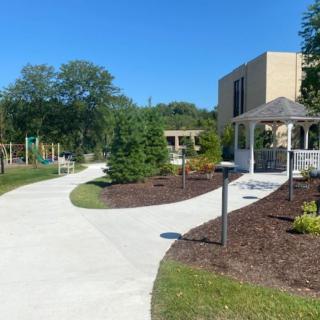
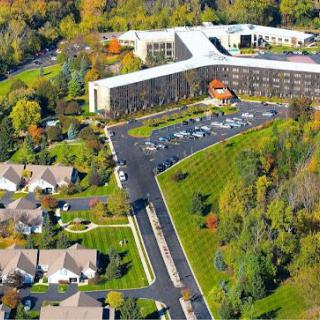
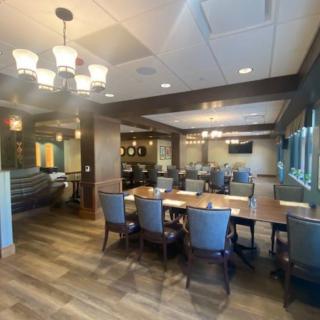
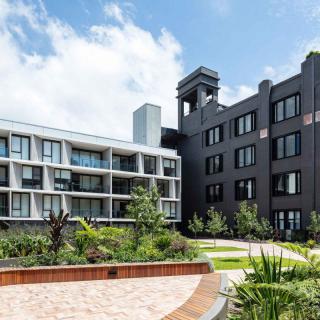
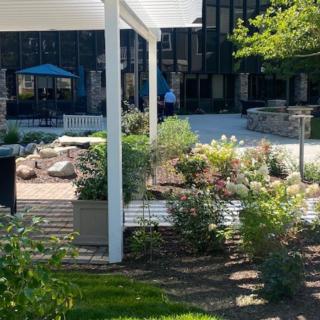
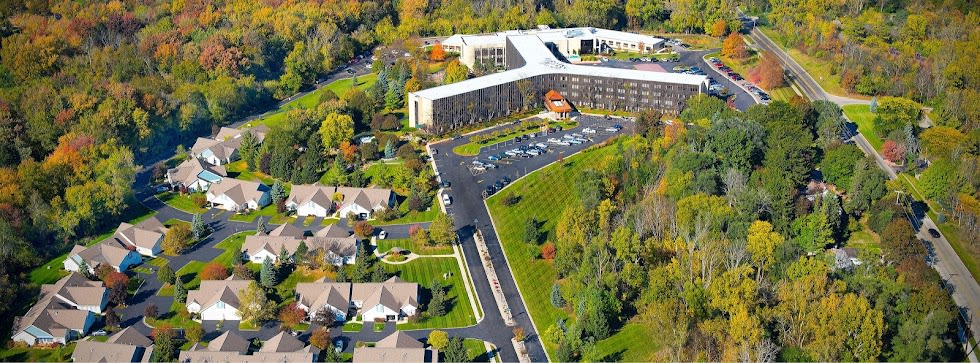
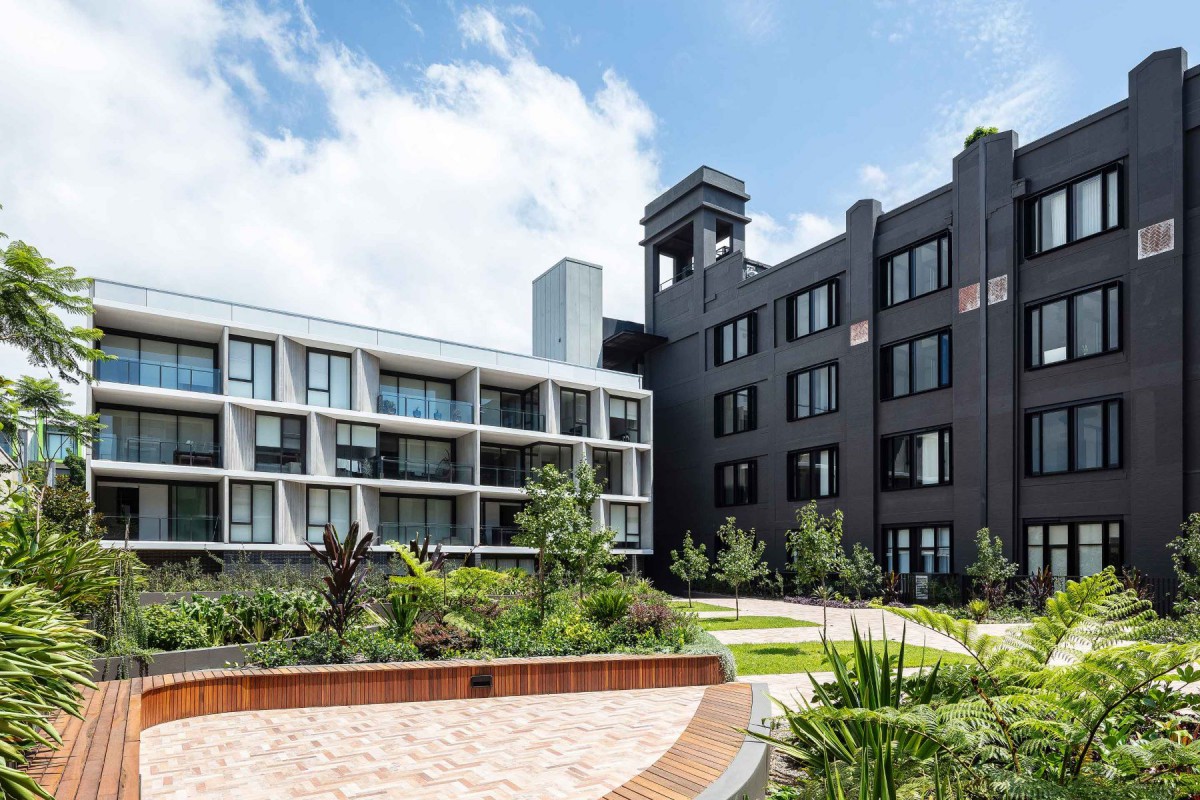
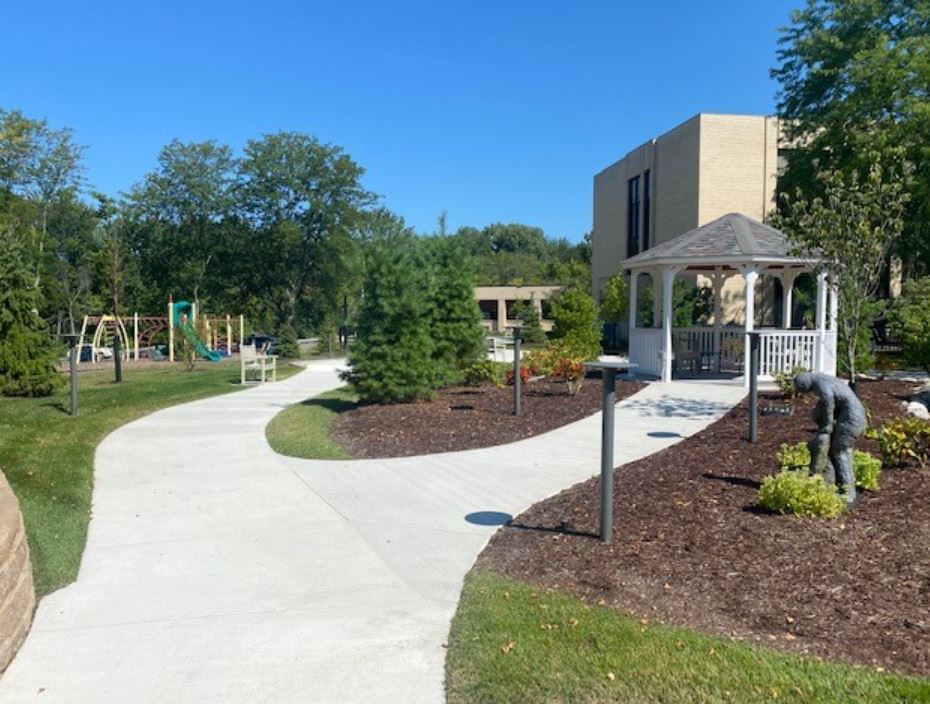
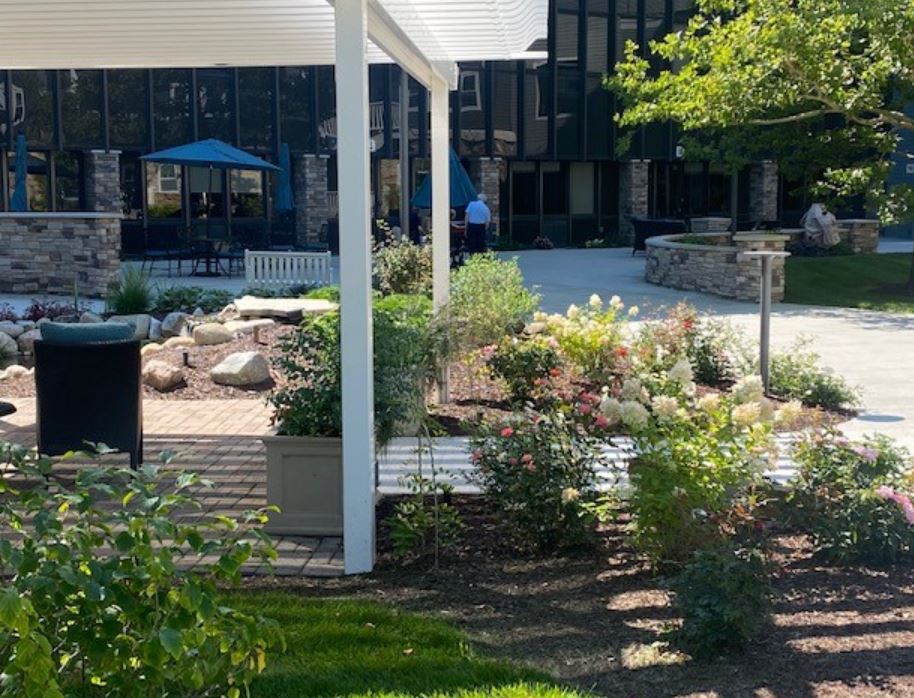
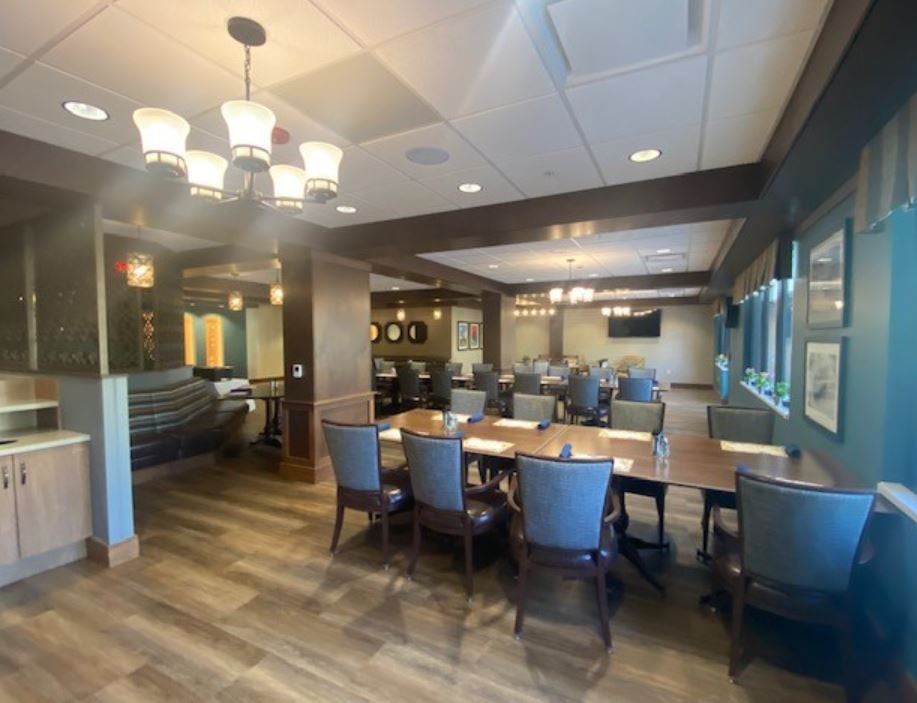
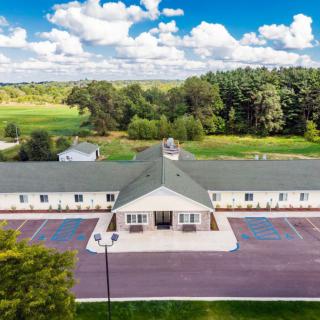
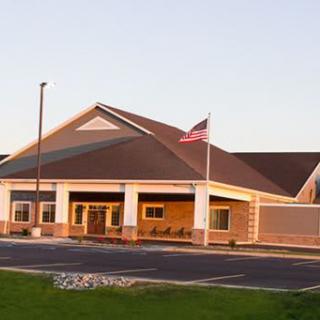
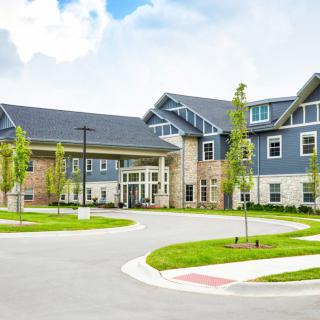
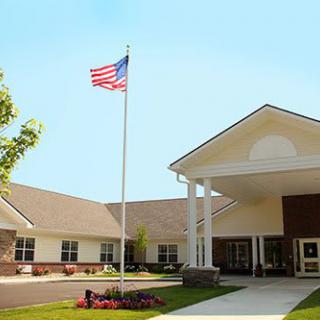
Burcham Hills on seniors.fyi includes 6 photos including images showing landscaping, trees, building, modern architecture, apartment complex, exterior, urban, residential building, and more.
Nearby Communities
Sparrow House System Dimondale
Lansing, MI
2.3 from 119 reviews
Hope Network E Lansing Dr
East Lansing, MI
4.2 from 13 reviews
Small, personalized setting with comprehensive care and on-site amenities.
Wellsbrooke Premium Home Health Care
East Lansing, MI
Excellent healthcare access and nearby amenities (cafes, parks, restaurants).
Cedarwood Residential Services
East Lansing, MI
4.7 from 3 reviews
Fully furnished apartments with 24/7 supervision, comprehensive care (ADLs, medication management) and mental wellness program.
Hope Network Oakwood Residential Services
East Lansing, MI
4.4 from 16 reviews
Fully furnished apartments with comprehensive care, diabetes-friendly meals, and transportation to medical appointments.
1777 Haslett Road Apt.
East Lansing, MI
3 from 4 reviews
$817 to $989 / month
Affordable pricing with good value.
Provision Living at East Lansing
East Lansing, MI
4.6 from 66 reviews
$4,000 to $5,750 / month
Clean, airy, and welcoming environment with friendly staff, active resident engagement, and restaurant-style dining.
The Willows At Okemos
Okemos, MI
4 from 46 reviews
$4,380 / month
Knowledgeable consultant and friendly staff; high-quality dining in a serene, intimate setting.
Friendship Manor
Lansing, MI
4.1 from 17 reviews
$740 to $830 / month
Friendly staff and a clean, well-maintained building with a convenient location.
VA nursing homes, or Community Living Centers (CLCs), offer tailored long-term care for veterans, featuring medical attention and rehabilitation in a supportive environment. The guide covers facility types, eligibility criteria, financial assistance options, quality of care standards, and alternatives to full-time nursing home placement.
At-home dementia care expenses vary widely based on care levels, location, and caregiver expertise, with monthly costs for home health aides exceeding $4,500 and specialized care potentially surpassing $100,000 annually. While families favor in-home care for its comfort and personalized attention, they must consider financial planning and the challenges of caregiver fatigue.
The article discusses the late stages of dementia, detailing the progression from mild to severe impairment and highlighting key characteristics such as profound cognitive decline and dependency in daily activities. It emphasizes care strategies focused on comfort and dignity, the importance of advance directives, and the emotional support needed for family caregivers facing this challenging journey.
Exterior, Modern Architecture, Urban, Apartment Complex, and Residential Building
Parking and Aerial View
Get PricingAsk A QuestionSchedule A TourContact Senior Advisor
By clicking submit, you agree to our Partner's Terms of Use. You
also consent to receive calls and texts, which may be autodialed, from our Partner. Your consent is not a condition to
using our Partner's service. Please visit our Partner's Privacy Policy for information about their privacy practices.



 276 resident community capacity
 1-bedroom apartments
 Condos / townhomes
 Assisted Living
 Continuing Care Retirement Community (CCRC)
 Independent Living
 Memory Care
 Respite Care
 Skilled Nursing Facility
 Cats allowed
 Dogs allowed
 Activities on-site
 Air-conditioning
 Beautician on-site
 Cable or satellite TV
 Computer center
 Devotional services off-site
 Dining room
 Fitness room
 Fully furnished
 Gaming room
 Garden
 Housekeeping services
 Indoor common areas
 Kitchenette
 Laundry
 Move-in coordination
 Outdoor space
 Party space
 Private bathrooms
 Restaurant-style dining
 Small library
 Telephone
 Wellness center
 Wi-Fi/high-speed internet available
 Capital City (7 miles away)
 Community operated transportation
 12-16 hour nursing
 24-hour call system
 Ambulatory care
 Assistance with bathing
 Assistance with dressing
 Assistance with transfers
 Diabetes diet
 Diabetic care
 Hospice waiver
 Incontinence care
 Medication management
 Mental wellness program
 Physical therapy
 Special dietary restrictions
 Transportation arrangement (medical)
 Concierge services
 Planned day trips
 English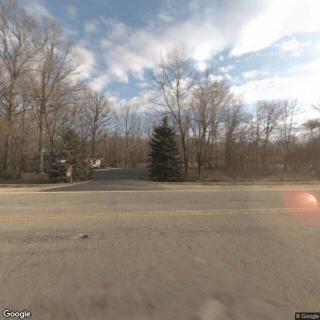
 Small, personalized setting with comprehensive care and on-site amenities.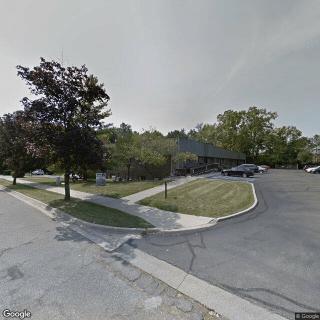


 Comprehensive Guide to VA Nursing Homes: A Crucial Long-Term Care Resource for Veterans
 Estimating the Expenses of At-Home Dementia Care: A Detailed Exploration
 Comprehensive Insights on the Late Stages of Dementia: What to Expect and How to Provide Care