

11525 Wood Road, Dewitt, MI 48820
To contact a resident: (517) 669-5200
For more information about senior living options: (866) 208-4318
Addie's Place Costs & Pricing
Addie's Place offers competitive pricing for its accommodations compared to both Clinton County and the broader state of Michigan. For a semi-private room, residents can expect to pay $2,080 monthly, which significantly undercuts the county's average cost of $2,993 and the state's average of $3,191. Similarly, private rooms at Addie's Place are priced at $2,700, well below the Clinton County average of $3,350 and the state's figure of $3,675. These appealing rates not only reflect Addie's commitment to affordability but also position it as an attractive option for those seeking quality care without the financial strain often associated with similar facilities in the region.
| Floor plans | Addie's Place | Clinton County | Michigan |
|---|---|---|---|
| Semi-Private | $2,080 | $2,993 | $3,189 |
| Private | $2,700 | $3,350 | $3,674 |
Senior living communities with a similar price nearby
-
from -$130 / mo

Ide Adult Foster Care Family Home
$1,950 / month22.1 miles away -
from -$280 / mo
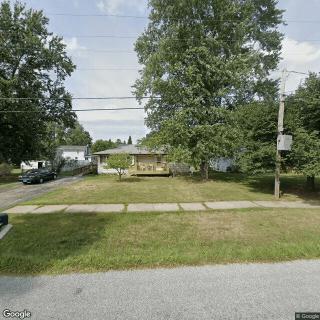
Simple Elegance
$1,800 to $6,900 / month14.9 miles away -
from -$355 / mo
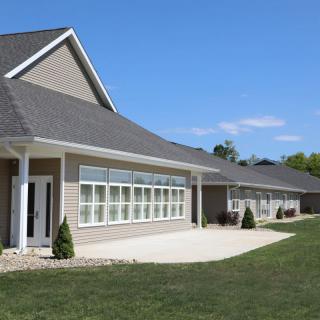
The Brook of Portland
$1,725 to $2,504 / month19.7 miles away -
from +$320 / mo
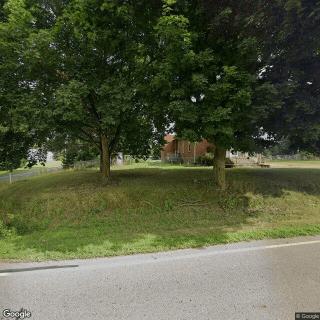
Laura Jean Care Home
$2,400 to $3,400 / month7.8 miles away -
from -$80 / mo
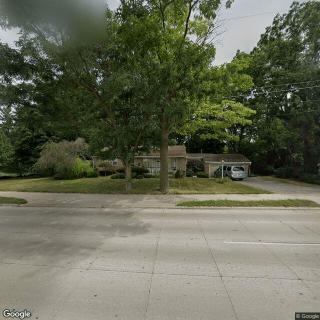
Blanca's Senior Home
$2,000 / month8.9 miles away
Overall Review of Addie's Place
Pros
 The staff and everyone were kind and comforting.
- The home is amazingly clean.
- The staff are kind and professional and invaluable in answering questions.
- They go above and beyond in helping with residents’ daily living needs.
- Addie’s Acres felt like home to a resident, and was the best year of her life.
- They were able to take a loved one on short notice, and they made it quick and easy.
- The facility is clean and well maintained.
- It is a wonderful place.
Cons
 The facility is not designed nor capable of handling individuals with moderate to advanced Alzheimer’s/dementia.
- It is not a locked facility and they aren’t equipped for the care needed.
- They are understaffed.
- There is one caregiver per shift, and the owner often works double shifts to cover vacancies.
- The food menu is quite limited with minimal variation.
- There are virtually no activities for the residents.
- The loved one’s care requirements exceeded their abilities, and they were given a one-week notice to find another facility.
- The facility is more appropriate for those who are generally independent.
Review
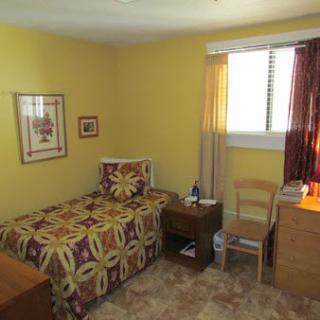
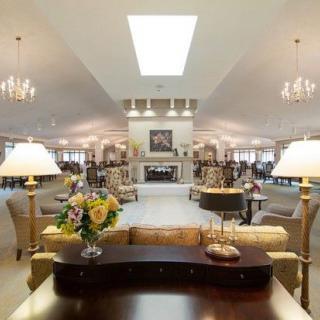
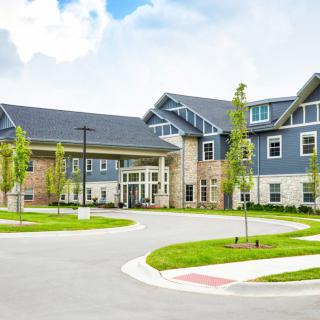
Addie’s Place in Dewitt, Michigan is best suited for seniors who want a warm, home-like atmosphere and can manage with light daily assistance rather than intensive medical or memory-care needs. The facility presents as clean, comfortable, and unhurried, with a small-town, residential feel that makes residents and visiting families feel welcomed from the first moment. Staff are consistently described as kind, professional, and responsive to questions, which is a tangible comfort when family members are navigating transitions. Admissions can be arranged with notable flexibility, including short-notice placements, a practical advantage for families facing urgent care needs. The setting, however, is not designed for moderate to advanced Alzheimer’s or dementia, and it is not a locked campus. That gap matters profoundly when memory impairment is a central concern or when a higher level of security and supervision is required.
This community is a sensible fit for residents who are generally independent or need only light daily living support, and for families who prioritize a homey, non-clinical environment over a medically oriented campus. For seniors who want warmth, personal touches, and steady staff involvement, Addie’s Place can deliver comfort and continuity. The upside for families includes a sense of ease around admissions and ongoing care that feels more personal than impersonal, plus the perception that staff genuinely treats residents like extended family. Yet this is a setting where care plans should be calibrated to current needs with the expectation that dementia or high-acuity needs will necessitate a different level of specialization elsewhere. Those scenarios should prompt preparation to transition when care requirements outstrip the facility’s capabilities.
On the plus side, the most compelling pros are the staff’s kindness and professionalism, and the way teams seem to “go above and beyond” to support residents and their families. Families repeatedly highlight how staff answer questions, facilitate daily living tasks, and make visits easy and comfortable. The environment is described as homey and even cluttered with friendly dogs, a detail that reinforces a sense of normal life rather than institutional routine. For families seeking peace of mind during a transitional period, whether the resident is new to assisted living or stepping down from more intensive care, these factors can substantially reduce stress. The strength of staff hospitality and a clean, well-maintained living space can offset some lower-end concerns about programming and culinary variety, at least in the short term and for residents who do not require structured activities or diverse meal options to stay engaged.
Still, the downsides are substantive for a segment of potential residents. Understaffing is a consistently cited challenge; the reality of one caregiver per shift, with the owner occasionally covering gaps, translates into slower responses during busy periods and less robust, real-time supervision. This staffing reality pairs with a lack of locked memory-care security and a facility design not suited to moderate or advanced dementia. Activities for residents tend to be limited, and the menu is described as limited with little variation. These operational realities place a ceiling on the level of support available, especially for individuals who crave regular programming, meaningful cognitive engagement, or more complex dietary needs. The most consequential risk, though, is a documented instance where a resident’s care requirements exceeded what Addie’s Place could safely provide, resulting in notice to relocate within a short timeframe. That risk is not theoretical here; it reflects a real boundary to care that families must acknowledge.
For families weighing options, a practical plan is essential. Start with a candid assessment of current and anticipated care needs: Is memory support ever required, and would a locked unit or enhanced supervision be indispensable? Inquire about caregiver-to-resident ratios across day and night shifts, request a tour during peak activity times to observe staff responsiveness, and verify what medical oversight is available on site (nurse presence, med tech support, and referral pathways for emergency care). Also probe culinary variety and activity calendars, because meaningful daily engagement matters as independence decreases. Finally, discuss contingencies: what is the process if needs evolve, what benchmarks would trigger a transition, and what assistance does staff provide during such a move. The goal is clarity on both present capabilities and future trajectories.
The verdict is clear: Addie’s Place is a solid choice for a senior who values a home-like, welcoming environment, where staff kindness and a clean, comfortable living space can support happy days and strong family involvement. It works best for those who require light assistance and who do not anticipate needing locked memory-care services or high-acuity medical support in the near term. For families with loved ones who have or will develop moderate to severe dementia, or who need robust programming, specialized memory-care staffing, or greater daily activity diversity, alternatives with dedicated memory-care wings, higher staff-to-resident ratios, and secured access will likely deliver more consistent peace of mind. The key to a confident decision is aligning current needs with the facility’s strengths while planning for the potential, and sometimes inevitable, shifts in care that may occur as health circumstances evolve. In the right circumstances, Addie’s Place can be a home that families cherish, not just for the convenience of admission, but for the everyday warmth and responsive, compassionate care it appears to deliver.
 Board and Care Home
 Private
 Capital City (6 miles away)
 Ambulatory care
 Diabetic care
 Incontinence care

 Comprehensive Guide to Blood Pressure Charts for Older Adults: Understanding Normal and High Readings by Age
 Financing Long-Term Nursing Home Care Through Social Security: A Thorough Exploration
 Essential Knowledge on Pneumonia in Older Adults