
1188 South Gunnell Road, Eaton Rapids, MI 48827
For more information about senior living options: (866) 208-4318
Ide Adult Foster Care Family Home Costs & Pricing
Ide Adult Foster Care Family Home offers a competitive rate for private rooms at $1,950 per month. When comparing this cost to the averages in Jackson County and the broader state of Michigan, which are approximately $3,755 and $3,675 respectively, it becomes evident that Ide provides significant savings for residents seeking personalized care in a family-style environment. This affordability makes Ide Adult Foster Care an attractive option for families looking for quality care without the financial strain often associated with similar facilities in the region.
| Floor plans | Ide Adult Foster Care Family Home | Jackson County | Michigan |
|---|---|---|---|
| Private | $1,950 | $3,755 | $3,674 |
Assisted Living communities with a similar price nearby
-
from -$225 / mo
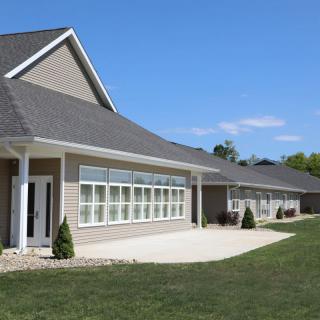
The Brook of Portland
$1,725 to $2,504 / month24.8 miles away -
from +$80 / mo
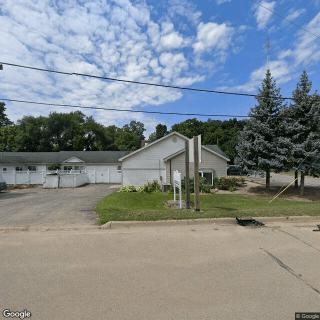
Highland Assisted Living & Memory Care
$2,030 / month23.7 miles away -
from -$260 / mo

Vista Grande Villa
$1,690 to $2,143 / month22.6 miles away -
from -$350 / mo
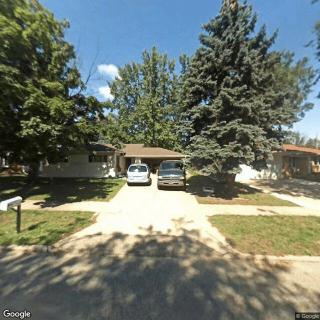
Evergreen Place II
$1,600 to $2,000 / month10.5 miles away -
from -$150 / mo
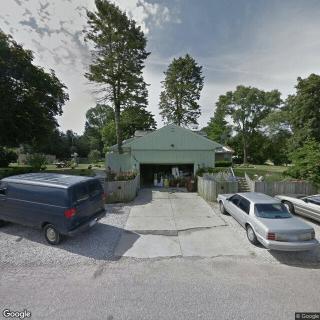
Simple Elegance II
$1,800 to $2,200 / month12.9 miles away
Overall Review of Ide Adult Foster Care Family Home
Pros
 The staff and owners are friendly and incredibly helpful.
- The atmosphere is warm and family-like, making residents feel at home.
- Residents appear content and happy with the care they receive.
- The care for dementia and medical needs is attentive and excellent.
- The meals are delicious and home-cooked.
- Rooms are comfortable and personalized with family photos and belongings.
- Jagroop, the owner, is compassionate, involved, and genuinely cares about each resident.
- Families feel peace of mind and would trust Country Acres to care for their loved ones.
Cons
 She was adamant on not being "put away," and was upset about the decision at first.
- She was a handful.
- My grandmother was a handful.
Review
Country Acres is best suited for families seeking a truly intimate, home-like setting for a loved one who benefits from dementia-focused, person-centered care. This community operates at a small scale, about a dozen residents, where care feels hands-on, not transactional. It excels when the priority is warm, individualized attention, open access to the owners, and a living-room atmosphere rather than a clinical corridor. For a resident who thrives on familiar routines, personal rooms decorated with family photos, home-cooked meals, and daily social engagement, this is the kind of environment that consistently delivers calm, contentment, and a sense of belonging.
Those who may want to consider alternatives are the ones facing higher medical acuity or requiring more formal, hospital-like supports. If 24/7 on-site nursing, on-demand therapies, or highly structured activity programming are non-negotiable, a larger facility with a broader clinical team may better meet those needs. Families balancing complex medical schedules, intensive rehabilitation, or strict safety protocols tied to more institutional settings may find a higher-capacity option preferable. In short, when the plan demands more medical infrastructure than a small foster-care home can provide, other models deserve consideration.
The strongest pros, intimate size, demonstrable staff continuity, and an owner-led, family-first culture, materially offset the lack of a traditional, large-scale care setting. Residents benefit from a low-stress, neighborly milieu where staff know their histories, preferences, and daily rhythms. The ability to personalize a room, keep beloved furnishings, and enjoy family-style meals contributes to stability and happiness that can hard-to-replace in larger communities. The visibility and accessibility of the owners translate into quick problem-solving, transparent communication with families, and a sense that residents are genuinely valued rather than processed.
That same personal touch is reinforced by the staff’s reputation for dignity, patience, and dependable communication. Families repeatedly describe a level of attentiveness and warmth that makes transitions smoother and daily care more predictable. The facility’s small size fosters a continuous relationship between caregivers, residents, and visiting family, which reduces anxiety for loved ones and supports a peaceful daily routine. While this model shines for dementia care and end-of-life needs, it also means care plans are designed around a tightly knit team rather than a broad cadre of specialists, which is an important trade-off to acknowledge.
Practical guidance for families evaluating this option is clear. Observe how staff interact with residents beyond brief introductions, note whether conversations feel respectful, whether residents’ preferences are remembered, and how meals and activities are tailored to individual histories. Ask about staffing patterns, emergency protocols, and how respiratory or mobility concerns are managed within the home setting. Plan a multi-hour visit to experience the atmosphere during different times of day, and discuss with the owners how transitions are handled if a move is anticipated. Bring up personal home routines, dietary needs, and the resident’s usual evening quiet time to gauge compatibility with the community’s rhythm.
Ultimately, this is a highly compelling choice for families prioritizing warmth, continuity, and meaningful connections over institutional breadth. The owners’ involvement and the home-like environment consistently translate into a sense of safety and belonging for residents with dementia and related needs. For someone who values the comfort of a private room, the freedom to decorate, and the reassurance of immediate, compassionate attention, Country Acres stands out as a trusted, dependable option. If the goal is to preserve dignity, maintain adjacency to family and familiar routines, and favor a community where residents are treated as members of a close-knit family, this is the setting to choose. For those whose loved one requires more extensive medical programming or a larger support network, explore alternatives with broader clinical resources, but for many families this small, devoted home will prove to be the right fit.
 6 resident community capacity
 Assisted Living
 Cable or satellite TV
 Dining room
 Fully furnished
 Garden
 Housekeeping services
 Move-in coordination
 Outdoor space
 Telephone
 Wi-Fi/high-speed internet available
 Capital City (17 miles away)
 24-hour supervision
 Activities of daily living assistance
 Assistance with bathing
 Assistance with dressing
 Assistance with transfers
 Diabetes diet
 Meal preparation and service
 Medication management
 Special dietary restrictions
 Transportation arrangement (medical)
 Transportation to doctors appointments
 Is Assisted Living Deductible on Your Taxes? Understanding the Complexities of Assisted Living Expenses and Deductions
 Assisted Living Support for Veterans: A Complete and Detailed Overview
 Exploring the Contrasts Between Assisted Living and Skilled Nursing