
11633 Wood Road, Dewitt, MI 48820
For more information about senior living options: (866) 208-4318
Overall Review of Addie's Acres
Pros
 The staff are kind and professional and were invaluable in answering questions.
- They go above and beyond in helping with residents’ daily living needs.
- The aunt considered Addie’s Acres to be home.
- For her, Addie’s Acres was the best year of life, with friends to talk to and caring staff to help.
- The place is wonderful.
- The environment is homey and welcoming, complete with dogs.
- Carole was happy there.
Cons
 The facility is not designed nor capable of handling individuals with moderate to advanced Alzheimer’s/dementia.
- It is not a locked facility and they aren’t equipped for the care needed.
- They are understaffed.
- They have one caregiver per shift, and often the owner works double shifts to cover vacancies.
- The food menu is quite limited with minimal variation.
- There are virtually no activities for the residents.
- The loved one’s care requirements exceeded their abilities, and they were given a one-week notice to find another facility.
- The facility is not adequately staffed to support their census.
- The facility is more appropriate for those who are generally independent.
Review
Addie’s Acres in Dewitt, MI sits best as a home-like option for seniors who want warmth, approachable staff, and steady assistance with daily living, without needing high-acuity or secure memory-care features. The community earns solid marks (4.3 average from seven reviews), driven by a consistently kind and professional staff, a sense of companionship, and a housekeeping standard that keeps the environment tidy and comfortable. It is particularly appealing for families seeking an easy admission experience, including short-notice placements, when a relative can benefit from company and help with routine tasks. In short, Addie’s Acres is well-suited for residents who are generally independent but want supportive staff close at hand and a living space that feels like home.
What stands out most are the staff-driven strengths. Reviewers repeatedly highlight staff warmth, responsiveness, and a willingness to go “above and beyond” to address daily needs and questions from families. A resident’s family can feel reassured by the approachable leadership and the impression that staff treat residents with genuine care. The homey atmosphere, complete with dogs and a familiar, residential vibe, helps prevent the sterile feel that can come with larger facilities. While the pace and tone are affectionate and reassuring, the care remains practical: staff handle routine tasks, help with everyday living, and provide a sense of companionship that many families prize.
However, the strongest cautions center on care capacity and cognitive needs. A persistent theme is that Addie’s Acres is not equipped for moderate to advanced Alzheimer’s disease or other significant dementia care. The facility is not a locked memory-care environment, and care plans can become strained when needs escalate. Staffing levels are cited as insufficient for higher care demands, with reports of a single caregiver per shift and owners sometimes covering vacancies. This combination translates into limited specialized support, fewer structured activities, and a more constrained menu, all of which can leave residents needing more intensive supervision or stimulation underserved.
Those advantages and drawbacks interact in a clear way: for residents with mild-to-moderate needs who thrive on companionship and responsive helpers, the pros can offset the cons. The homey setting, attentive staff, and abundant opportunities for social interaction can compensate for a simpler activity calendar and restricted culinary variety. Yet for anyone whose loved one requires secure dementia oversight, frequent redirection, or a robust program of meaningful activities, the negatives quickly accumulate. In such cases, the risk of wandering, safety gaps, or unmet cognitive-stimulation needs weighs against the otherwise comforting atmosphere.
Families evaluating Addie’s Acres should verify how a potential resident’s care plan would evolve if needs increase. Important questions include whether there is access to staff trained in dementia care, whether there is a locked or secure area for memory-impaired residents, and how care plans adapt when medical or behavioral needs intensify. It is prudent to inquire about daily activity scheduling, dietary variety, and how quickly staff can respond to wandering or safety concerns. Prospective residents should also meet with current residents and staff to gauge whether the day-to-day rhythm matches expectations for meaningful engagement and supervision.
The bottom-line recommendation is practical and targeted: Addie’s Acres suits seniors who want a warm, home-like residence with responsive, caring staff and manageable levels of daily support. It is less appropriate for those with moderate-to-severe dementia or high-acuity needs who require secure memory care, robust staffing coverage, and a full slate of structured activities. For families prioritizing companionship, a friendly milieu, and quick admission when appropriate, this community delivers. For those needing enhanced cognitive-care capabilities or a more comprehensive activity program, exploring other options with dedicated memory-care services will likely yield a better balance of safety, stimulation, and day-to-day assurance.
 20 resident community capacity
 Assisted Living
 Board and Care Home
 Memory Care
 Respite Care
 Beauty salon
 Cable or satellite TV
 Dining room
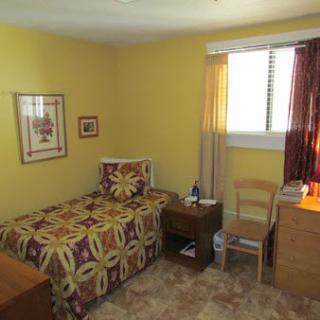
 Fully furnished
 Garden
 Housekeeping services
 Kitchenette
 Move-in coordination
 Outdoor space
 Telephone
 Wi-Fi/high-speed internet available
 Capital City (6 miles away)
 24-hour call system
 Activities of daily living assistance
 Assistance with bathing
 Assistance with dressing
 Assistance with transfers
 Diabetes diet
 Hospice waiver
 Meal preparation and service
 Medication management
 Mental wellness program
 Special dietary restrictions
 Transportation arrangement (medical)
 Transportation to doctors appointments



 A Holistic Dementia Care Guide: Effective Strategies for Memory Support
 Memory Care Pathways: A Holistic Guide to Dementia Support
 Comprehending Evening Confusion in Dementia: Causes, Manifestations, and Support