For more information about senior living options: (866) 208-4318
4.4 from 118 reviews
5 stars
89
4 stars
14
3 stars
2
2 stars
4
1 stars
9
Ambassador Nursing and Rehab Costs & Pricing
At Ambassador Nursing and Rehab, the monthly costs for care reflect a commitment to quality services that cater to individual needs. The rates vary by room type, with semi-private accommodations priced at $3,434, which is notably higher than the Wayne County average of $2,860 and the state average of $3,191. For those seeking more privacy, the private rooms are available for $4,120, surpassing both local and state benchmarks where the averages stand at $3,335 and $3,675 respectively. Additionally, the studio option is offered at $4,464 - considerably above Wayne County's average of $3,495 and Michigan's average of $3,824. These costs highlight Ambassador Nursing and Rehab's positioning as a provider focused on delivering exceptional care in a comfortable environment while recognizing that it falls on the higher end compared to its regional counterparts.
Floor plans
Ambassador Nursing and Rehab
Wayne County
Michigan
Semi-Private
$3,434
$2,860
$3,189
Private
$4,120
$3,335
$3,674
Studio
$4,464
$3,495
$3,824
Senior living communities with a similar price nearby
from -$434 / mo
Hutcheson Manor
5 from 70 reviews
$3,000 to $4,500 / month
18.7 miles away
from +$261 / mo
Sarah Care Adult Day Care
5 from 35 reviews
$3,695 to $4,295 / month
17.8 miles away
from -$234 / mo
Vicky's Place
5 from 25 reviews
$3,200 to $6,000 / month
20.7 miles away
About the same
Christman Adult Foster Care Home
5 from 13 reviews
$3,495 to $6,395 / month
13.3 miles away
About the same
Briar Hill Assisted Living
5 from 12 reviews
$3,500 to $4,500 / month
18.9 miles away
Overall Review of Ambassador Nursing and Rehab
common30 reviews mention this
Staff attentiveness is frequently praised
Residents and families frequently describe attentive, responsive staff throughout the stay.
Many reviewers say staff check in, respond to questions, and are available when concerns come up. Several mentions describe a friendly, supportive environment where nurses, CNA’s, and other team members help with day-to-day needs. A few reviewers also contrast that responsiveness with negative experiences, so expectations are not uniform for everyone.
common26 reviews mention this
Cleanliness and odor control stand out
Multiple reviewers highlight cleanliness and a generally pleasant smell.
A recurring theme is that the building looks clean, rooms are well kept, and reviewers often report no unpleasant odors. Some families also mention the facility being clean enough that it feels comfortable during visits. At the same time, a smaller set of reviews report strong negative cleanliness issues such as urine odors or unclean conditions.
caveat10 reviews mention this
Communication and follow-through vary
Reviewers report mixed experiences with communication and timely follow-through.
Some families describe being able to reach staff, getting responses in a reasonable time, and having professionals who answer questions promptly. Others report problems reaching the facility by phone or receiving acknowledgment when concerns are raised. There are also mentions of care concerns that were not addressed quickly enough from the reviewer’s perspective.
caveat4 reviews mention this
Rehab therapy can feel slow
Some reviews say rehab therapy is not frequent enough.
A few reviewers specifically comment that rehab therapy happens too slowly, including mentions of physical therapy being limited or delayed. One reviewer says therapy workers appeared present but without patients, while another says rehab therapy was slow at times. These comments are separate from broader praise of overall cleanliness and caring staff.
caveat4 reviews mention this
Serious care and capability concerns
Some residents’ situations raise concerns about care readiness and escalation.
One review describes a case involving severe pain and worsening symptoms before hospitalization, with the reviewer questioning whether requests for emergency care were taken seriously enough. Another review warns that the facility is not equipped for tracheotomy rehabilitation and reports a death shortly after arrival. A separate review also describes serious dissatisfaction about resident safety and day-to-day attention.
How we summarize
Counts show how many written reviews mention each theme; a review can touch several themes, and only frequently mentioned themes are displayed.
Features
Transportation
Detroit Metropolitan-Wayne County (21 miles away)
Nearby Places of Interest
This part of Detroit, Michigan, offers a variety of amenities that may appeal to seniors looking for a vibrant community to call home. With several pharmacies in close proximity, accessing medication and healthcare services is convenient. The presence of multiple places of worship provides opportunities for spiritual fulfillment and social connections. The abundance of parks allows residents to enjoy nature and outdoor activities, promoting overall well-being. A selection of restaurants and cafes cater to diverse culinary preferences, offering dining options for every occasion. Additionally, the availability of reputable hospitals and physicians ensures quality healthcare services are easily accessible. Overall, this area provides a well-rounded living environment with a mix of essential services and recreational opportunities for seniors looking to settle in Detroit.
Pharmacies
Indian Village Market (0.2 miles)
Walgreens (1 miles)
Shoppers Drug Mart (2 miles)
CVS Pharmacy (2.4 miles)
Shoppers Drug Mart (2.6 miles)
CVS Pharmacy (3 miles)
CVS Pharmacy (3.4 miles)
Places of Worship
St Charles Church (0.3 miles)
St John's Presbyterian Church (2 miles)
Grosse Pointe United Methodist Church (6.4 miles)
St Joan Of Arc Church (8.4 miles)
Heritage Park Alliance Church (8.5 miles)
Parks
Belle Isle Park (1.1 miles)
Valade Park (1.7 miles)
William G. Milliken State Park and Harbor (2.1 miles)
Matthew C Patterson Park (3.3 miles)
Windmill Pointe Park (3.4 miles)
Lakewood Park (6.8 miles)
Palmer Park (7.8 miles)
Restaurants
Atwater Block Brewery (1.6 miles)
Joseph's Coney Island (2.2 miles)
McDonald's (2.6 miles)
Elwood Bar & Grill (2.8 miles)
Detroit Athletic Club (2.9 miles)
The Skip (2.9 miles)
Detroit Opera House (3 miles)
Physicians
Childrens Hospital Of Michigan Specialty Center - Detroit (2.9 miles)
At Ambassador Nursing and Rehab, the monthly costs for care reflect a commitment to quality services that cater to individual needs. The rates vary by room type, with semi-private accommodations priced at $3,434, which is notably higher than the Wayne County average of $2,860 and the state average of $3,191. For those seeking more privacy, the private rooms are available for $4,120, surpassing both local and state benchmarks where the averages stand at $3,335 and $3,675 respectively. Additionally, the studio option is offered at $4,464 - considerably above Wayne County's average of $3,495 and Michigan's average of $3,824. These costs highlight Ambassador Nursing and Rehab's positioning as a provider focused on delivering exceptional care in a comfortable environment while recognizing that it falls on the higher end compared to its regional counterparts.
Home health care aides provide vital medical and non-medical support to individuals at home, assisting with daily living activities and promoting emotional well-being, while the demand for these services increases due to an aging population. Families benefit from in-home care's flexibility and cost-effectiveness but face challenges like scheduling consistency and caregiver turnover.
Older adults with urinary tract infections (UTIs) often present atypical symptoms, complicating diagnosis due to factors like incomplete bladder emptying and chronic health conditions that increase their susceptibility. Effective management involves prompt treatment with antibiotics, hydration, and preventive strategies while minimizing antibiotic resistance and focusing on holistic care approaches.
California's Form 602A is a vital tool for evaluating the health needs of seniors seeking residential care, detailing their medical conditions and daily living requirements to ensure proper service alignment. This standardized form enhances communication among physicians, families, and facilities, serving as a regulatory measure for admissions and ongoing care while adapting to changing healthcare practices.
Get PricingAsk A QuestionSchedule A TourContact Senior Advisor
By clicking submit, you agree to our Partner's Terms of Use. You
also consent to receive calls and texts, which may be autodialed, from our Partner. Your consent is not a condition to
using our Partner's service. Please visit our Partner's Privacy Policy for information about their privacy practices.


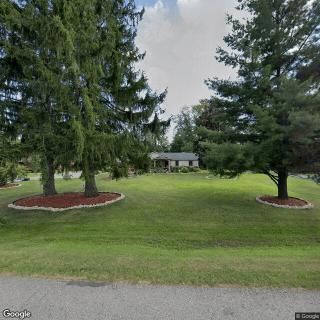
 Detroit Metropolitan-Wayne County (21 miles away)
 Extensive amenities and 24/7 care, including dining, transport, wellness, and activities.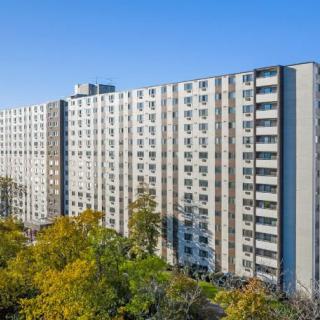

 Home Health Care Aides: Understanding Their Role and Supporting Your Family
 Urinary Tract Infections in Older Adults: Comprehensive Insights on Symptoms, Treatment, and Prevention
 California's Form 602A: An In-Depth Examination of Senior Care Assessment