
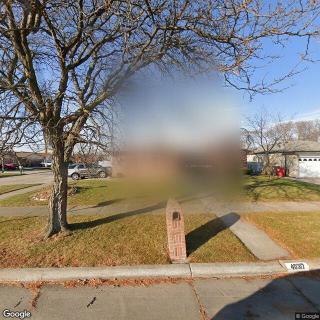
38952 Bramham Street, Clinton Township, MI 48038
For more information about senior living options: (866) 208-4318
Overall Review of Bramham Foster Home
Pros
 Integrity Care Home is a beautiful, spotless group home with very caring staff.
- The staff make every effort to keep residents happy and ease families during difficult seasons.
- Communication is excellent, and the team is experienced, capable, and loving.
- The care is excellent with personable staff and individualized attention in a small-group setting.
- There is joy and laughter in the house, with regular outings and well-celebrated birthdays and holidays.
- They manage medications and doctor visits and provide visiting nurse services.
- It is run by a beautiful family, and residents are cared for like family.
- A Nurse Practitioner notes the high level of care and holistic, personalized approach, and reviewers consider the home highly recommended.
Cons
 Dad was not an easy resident.
- He was surly at times.
- He argued that he didn’t want to go to the hospital for his final days, saying, "This is my HOME!"
Review
The Bramham Foster Home in Clinton Township is best suited for seniors who want a warm, home-like environment where caregivers know residents by name and attend to daily needs with a steady, personal touch. This setting is ideal for families that prize intimate attention, reliable communication, and a lifestyle that feels more like a well-run household than an institution. Residents who enjoy regular social engagement, planned outings, birthdays, and seasonal celebrations, will find the rhythms here comforting and predictable. The culture centers on respect, gentleness, and consistent routines, which translates into real reassurance for family members navigating the care transition.
Those who should consider alternatives include individuals with high medical acuity or those requiring 24/7 on-site nursing and specialized memory care programs. The small-group home format naturally supports close attention, but it also has limits when a resident needs intensive skilled care or rapid emergency response. Private rooms may not be universally available since bedrooms are commonly shared (one or two per room), which could be a drawback for residents who value maximum privacy. Additionally, families hoping for a campus-scale environment with a wide range of on-site medical services may prefer a larger facility.
Yet the strongest positives directly address common care challenges and often outweigh the modest trade-offs. The staff are described as exceptionally caring, experienced, and hands-on, delivering holistic care that considers medical, emotional, and social well-being. Communication is repeatedly highlighted as excellent, ensuring families stay informed without being overwhelmed. The small group setting means residents receive individualized attention, minimizing the risk of neglect and enhancing safety. A well-coordinated continuum of care, medication management, doctor visits, and even visiting nurse services, means essential medical touchpoints are integrated into daily life rather than outsourced to far-flung agencies.
Beyond the logistics, the environment cultivates a family-like atmosphere. Moments of warmth and laughter are reported as commonplace, and staff are described as loving and invested, qualities that positively shape mood, engagement, and resilience. Family members repeatedly note that loved ones feel cared for as if they were at home, with staff going the extra mile during challenging days. The narrative of a resident calling the house “home” in his final days is a powerful reminder that this is more than care; it is a setting designed to preserve dignity, comfort, and identity in later life.
Nevertheless, one should enter with clear expectations. If a resident requires aggressive medical management, high-acuity monitoring, or structured dementia programming beyond casual activities, the home’s size can limit responsiveness. Prospective families should verify the current staff-to-resident ratio, confirm the availability of private rooms, and understand exactly what on-site medical resources exist versus what requires outside providers. Questions about emergency transfer procedures, ongoing memory-care supports, and any additional fees for visiting nurse or pharmacy services will clarify how the model scales as needs grow.
Bottom line: Bramham Foster Home offers a compelling blend of home-like comfort, attentive staff, and a lively, socially engaged environment that can significantly ease the transition into assisted living. It is especially well-suited for seniors who value intimate, compassionate care and a strong sense of community over sheer size or high-tech medical infrastructure. Those who anticipate escalating medical needs or privacy-first preferences should evaluate alternatives with similar care quality but larger capacities. A visit to observe daily routines, meet the caregiving team, and sample the atmosphere will reveal whether this intimate, family-driven model aligns with the resident’s health trajectory and personality.
 6 resident community capacity
 Assisted Living
 Board and Care Home
 Memory Care
 Respite Care
 Cable or satellite TV
 Dining room
 Fully furnished
 Garden
 Housekeeping services
 Move-in coordination
 Outdoor space
 Telephone
 Wi-Fi/high-speed internet available
 24-hour supervision
 Activities of daily living assistance
 Assistance with bathing
 Assistance with dressing
 Assistance with transfers
 Diabetes diet
 Hospice waiver
 Meal preparation and service
 Medication management
 Mental wellness program
 Special dietary restrictions
 Transportation arrangement (medical)
 Transportation to doctors appointments



 Dementia Behaviors: In-Depth Understanding and Effective Coping Strategies
 5 Early Indicators of Dementia and What You Can Do
 8 Important Indicators That Memory Care May Be Necessary