
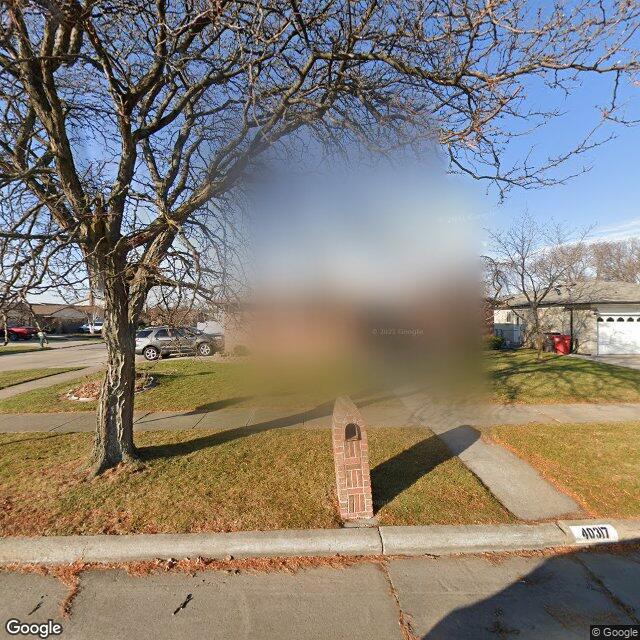
40317 Pritts Court, Clinton Township, MI 48038
For more information about senior living options: (866) 208-4318
Golden Care Group Home Costs & Pricing
At Golden Care Group Home, the monthly costs reflect a commitment to quality care and comfort, with semi-private rooms priced at $3,500 and private rooms at $4,500. When compared to average rates in Macomb County, which stand at approximately $3,232 for semi-private accommodations and $3,567 for private ones, Golden Care's fees are slightly above the local market. In the broader context of Michigan, where semi-private rooms average around $3,191 and private options are about $3,675, Golden Care positions itself as a premium option. This pricing structure underscores the home's dedication to providing enhanced services and personalized attention that often accompany a higher cost of living in such facilities.
| Floor plans | Golden Care Group Home | Macomb County | Michigan |
|---|---|---|---|
| Semi-Private | $3,500 | $3,232 | $3,189 |
| Private | $4,500 | $3,567 | $3,674 |
Assisted Living communities with a similar price nearby
-
from -$500 / mo
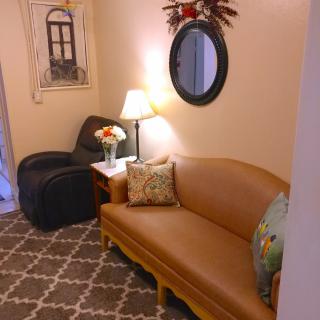
Hutcheson Manor
$3,000 to $4,500 / month21.1 miles away -
from +$300 / mo
Silverbell Manor
$3,800 / month15.6 miles away -
from -$300 / mo
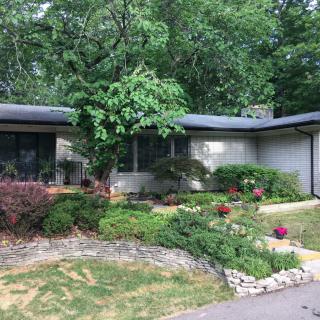
Vicky's Place
$3,200 to $6,000 / month19.3 miles away -
from +$500 / mo
Oakland View Senior Living
$4,000 to $5,000 / month15.8 miles away -
About the same

Pineview Manor
$3,600 / month20.0 miles away
Overall Review of Golden Care Group Home
Pros
 Golden Care provides a wonderful experience for families.
- The staff at Golden Care provides high-quality care to residents.
- This level of care is unmatched anywhere else.
- Golden Care earns nothing but praise.
- Safety and comfort are prioritized at Golden Care.
- Golden Care comes highly recommended.
Review
Golden Care Group Home in Clinton Township, Michigan is best suited for families seeking a small, intimate assisted living option where a devoted staff delivers high-touch, compassionate care in a warm, home-like setting. It is particularly strong for seniors who value personalized attention, predictable routines, and a strong emphasis on safety and emotional well-being. Residents who want consistent, respectful interaction with caregivers and a culture of genuine kindness will find this community a natural fit. The approach tends toward careful, individualized pacing, making it an especially good match for someone transitioning from family care who needs help with daily activities but does not require heavy medical interventions.
Those evaluating options should consider whether the resident requires advanced medical oversight, memory-care specifics, or a broader menu of on-site therapies. If 24/7 skilled nursing, intensive wound care, or specialized dementia programming is essential, other communities with larger medical teams may be more appropriate. Families seeking a more bustling activity calendar, more formal structured programming, or a campus with extensive rehabilitation services might prefer a bigger operation. Budget dynamics also matter; while the care is described as high-quality, pricing structures vary, and some families may find different models that better align with monthly budgets or insurance coverage.
Across the board, the standout asset is the staff. The care team is described as wonderful, caring, and compassionate, with a clear focus on meeting each resident’s needs. This translates into a safety- and comfort-forward environment where caregivers respond attentively to daily questions and concerns. The resulting peace of mind for families is palpable: loved ones are tended to with dignity, and the consistency of interaction helps reduce anxiety about care quality. The overarching impression is one of exceptional, people-centered service that makes the daily experience of aging at home-like settings feel secure and respected.
Given these strengths, the main trade-offs lie in the inherent limits of a smaller home setting. The very intimacy that yields rapid staff responsiveness can coincide with a tighter slate of activities or fewer on-site resources than larger campuses. For residents who crave a richer, more diversified activity calendar or require frequent access to embedded rehabilitation services, it’s prudent to verify the scope of offerings and the cadence of programming. Prospective families should ask about meal planning, outings, and social opportunities, and whether there are partnerships with nearby therapists or clinics to supplement care. In short, the positives offset typical gaps when expectations align with what a compact, home-style community reliably provides.
Practical steps for decision-making are straightforward. Schedule informal visits with a clear set of questions tailored to the resident’s needs. Inquire about staff-to-resident ratios across shifts, how care plans are developed and updated, and how resident preferences are documented and honored. Request real-world examples of safety measures, fall prevention, medication management, and responsiveness to alarms. Speak with current families to gauge consistency of care and continuity of caregivers. Finally, clarify pricing, what is included, and what costs might arise for additional services, and confirm a clear transition plan should a move to higher care levels be needed later.
For families prioritizing a highly compassionate, individualized, and safety-forward living arrangement, Golden Care Group Home offers a standout option in Clinton Township. It delivers a level of personal attention and family-oriented care that’s rare in larger facilities, making it an excellent pick for residents who value dignity and everyday comfort over breadth of services. Those needing robust medical management or memory-care specialization, or who require a more expansive activity program and larger community amenities, should compare alternatives to ensure the chosen path aligns with long-term care goals and financial considerations.
 6 resident community capacity
 Assisted Living
 Board and Care Home
 Cable or satellite TV
 Dining room
 Fully furnished
 Garden
 Housekeeping services
 Move-in coordination
 Outdoor space
 Private
 Telephone
 Wi-Fi/high-speed internet available
 24-hour supervision
 Activities of daily living assistance
 Assistance with bathing
 Assistance with dressing
 Assistance with transfers
 Diabetes diet
 Meal preparation and service
 Medication management
 Special dietary restrictions
 Transportation arrangement (medical)
 Transportation to doctors appointments



 Is Assisted Living Deductible on Your Taxes? Understanding the Complexities of Assisted Living Expenses and Deductions
 Assisted Living Support for Veterans: A Complete and Detailed Overview
 Exploring the Contrasts Between Assisted Living and Skilled Nursing