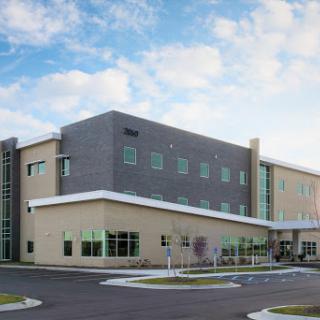
The Oaks At Byron Center

Save

The Oaks At Byron Center

2280 Byron View Drive SW, Byron Center, MI 49315

For more information about senior living options: (844) 490-3973

4.2 from 56 reviews
5 stars
43
4 stars
0
3 stars
3
2 stars
0
1 stars
10

Assisted Living Independent Living Memory Care Skilled Nursing Facility

Overall Review of The Oaks At Byron Center

Pros

  • pro The Oaks team was incredibly accommodating, providing a private dining space and checking on the family throughout the celebration.
  • pro The Oaks is a beautiful facility with caring and knowledgeable staff.
  • pro The Oaks treats residents with dignity and respect every day.
  • pro The staff at The Oaks are friendly, professional, and genuinely dedicated to quality care.
  • pro The Oaks offers a wide range of activities and a warm, family-like atmosphere.
  • pro The food and dining at The Oaks are good, with attentive kitchen and service staff.
  • pro The executive director and leadership at The Oaks are described as caring and responsive, making residents feel safe and at home.
  • pro The facility is well maintained, clean, and updated.
  • pro Families express gratitude for The Oaks and would recommend it for elder care with heart.
  • pro The Oaks is praised for excellent care and positive experiences in memory care, skilled nursing, and rehab.

Cons

  • pro The Oaks is described as a terrible facility that is very neglectful of its patients.
  • pro It is severely understaffed and fails to answer call bells, leaving residents waiting for help.
  • pro The facility seems more focused on making money than on caring for residents.
  • pro Care is insufficient, with delays in medications, meals, and basic assistance.
  • pro There are reports of sanitation failures, including a patient being left with waste and inadequate ostomy care.
  • pro Management and leadership are unresponsive to concerns and fail to implement improvements.
  • pro For patients who cannot advocate for themselves, the experience is described as a nightmare.

Review

The Oaks at Byron Center is best suited for families seeking an inviting, community-focused environment where residents can thrive with purposeful programming, strong social connection, and attentive but personable care. It shines for seniors who appreciate a beautiful, well-maintained setting, a solid menu, and an activity calendar that keeps people engaged. This is especially true for independent living residents who eventually need escalating services and for those in memory care or short-term rehab who respond well to a warm, family-like atmosphere and hands-on staff who genuinely seem to care. Families that can be actively involved - visiting, monitoring call lights, and coordinating with therapists - will extract the most value from this community.

Those considering alternatives should note that this is not the right match for every care need. Residents with high, continuous nursing requirements or complex medical needs that demand near-constant monitoring may encounter uneven staffing levels and slower response times, which can become critical in moments of acute need. Families facing persistent medication-management challenges, frequent urgent needs, or whose loved one requires constant assistance may find other facilities with more predictable nurse-to-resident ratios and tighter clinical oversight a safer choice. In short, if dependable 24/7 nursing coverage is non-negotiable, explore options with demonstrated consistency across shifts and units.

The major positives here - beautiful, clean surroundings; a warm, caring staff; and a culture that emphasizes dignity and resident-focused activities - often offset the downsides in day-to-day life. Reviewers repeatedly praise the facility's atmosphere, the quality of meals, and the friendliness and competence of many caregivers. Activities are described as inclusive and creative, with memory care and rehab residents benefiting from structured programs, therapy teams, and opportunities to participate in social events. When staff are aligned, residents appear engaged, well cared for, and connected to family and peers, which can markedly improve quality of life and overall well-being.

Yet, the strongest caveat is the variability in staffing and execution across shifts and units. Several reviews recount delays in basic needs, missed medication administration, and struggles with call-light response times, sometimes lasting well beyond practical expectations. Reports of understaffing, especially in the hallways, and inconsistent follow-through on medical orders create real risk for residents who cannot advocate for themselves. These conditions erode trust and can negate the facility's aesthetic appeal and programmatic strengths if they persist. For families weighing this community, assessing the reliability of daily care - through conversations with current families, touring during different times, and asking for specifics on staffing on evenings and weekends - becomes essential.

In translating pros and cons into a decision, the Oaks proves most compelling when care goals align with its strengths and when family involvement is realistic and ongoing. If a resident benefits from social programming, engaging dining experiences, and a therapeutic milieu that feels personal rather than institutional, and if a family can actively monitor care, communicate with clinicians, and intervene when gaps appear, the positives may far outweigh the risks. Conversely, if a loved one requires unwavering, 24/7 clinical reliability, or if previous experiences with understaffing have caused serious harm or fear, it may be prudent to compare other options that emphasize consistent nurse coverage and rapid response.

The bottom line is clear: The Oaks at Byron Center can be a superb home for the right resident - the kind of place where warmth, community, and thoughtful programming enhance daily life. It is not universally ideal, however, and caution is warranted for those with high medical dependency or a history of care gaps. Families should prioritize a candid dialogue about staffing levels, medication processes, and real-time responsiveness, then pair that with a campus visit that probes how care flows across shifts. When alignment exists, this community can deliver a genuinely heart-centered experience; when it does not, alternatives with steadier clinical oversight are likely to serve better.

Features

Housing

  • 21 resident community capacity 21 resident community capacity

Types of Care

  • Assisted Living Assisted LivingAssisted living facilities provide crucial support and care for seniors who may need help with daily tasks such as medication management, bathing, and meal preparation. These communities offer a safe and comfortable environment where seniors can maintain their independence while receiving the assistance they need to thrive in their golden years.
  • Independent Living Independent LivingIndependent living communities are important for seniors because they offer a safe and supportive environment where older adults can live independently while still having access to amenities and services that enhance their quality of life. These communities provide social opportunities, recreational activities, and assistance with daily tasks, promoting overall well-being and allowing seniors to maintain their independence for as long as possible.
  • Memory Care Memory CareMemory care is crucial for seniors as it provides specialized support and services for individuals with dementia or Alzheimer's disease. These programs offer a safe and secure environment where residents receive personalized care, cognitive stimulation, and help with daily activities. Memory care helps seniors maintain their independence, quality of life, and dignity while also providing peace of mind for their families.
  • Skilled Nursing Facility Skilled Nursing FacilitySkilled Nursing Facilities are crucial for seniors as they provide round-the-clock medical care, rehabilitation services, and assistance with daily activities. These facilities ensure that seniors receive the specialized care they need to maintain their health and well-being as they age.

Amenities

  • Beauty salon Beauty salonBeauty salons are important for seniors because they provide a space for them to feel pampered, socialize, and maintain their personal grooming and hygiene. Regular visits to a beauty salon can help boost seniors' self-esteem and overall well-being.
  • Cable or satellite TV Cable or satellite TVCable or satellite TV is important for seniors because it provides entertainment, news, and companionship, helping to combat loneliness and boredom. It also offers a wide range of programming options tailored to different interests and preferences.
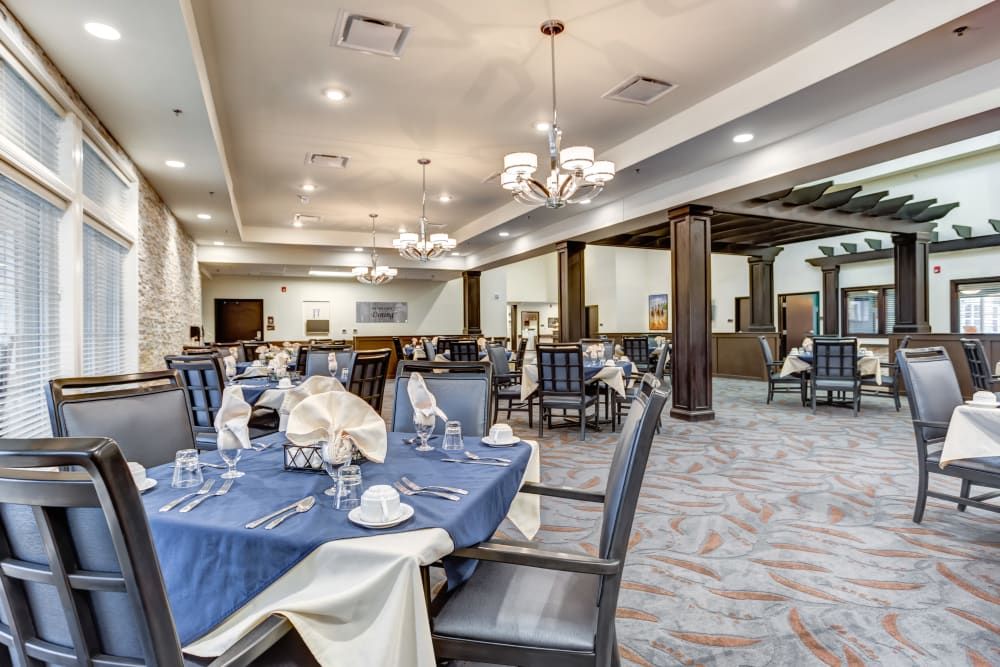
  • Dining room Dining roomDining rooms are important for seniors as they provide a space for socialization, connection, and nutritious meals. They offer opportunities for residents to bond over shared meals, foster a sense of community, and promote healthy eating habits. Dining rooms also ensure that seniors have access to well-balanced meals tailored to their dietary needs and preferences.
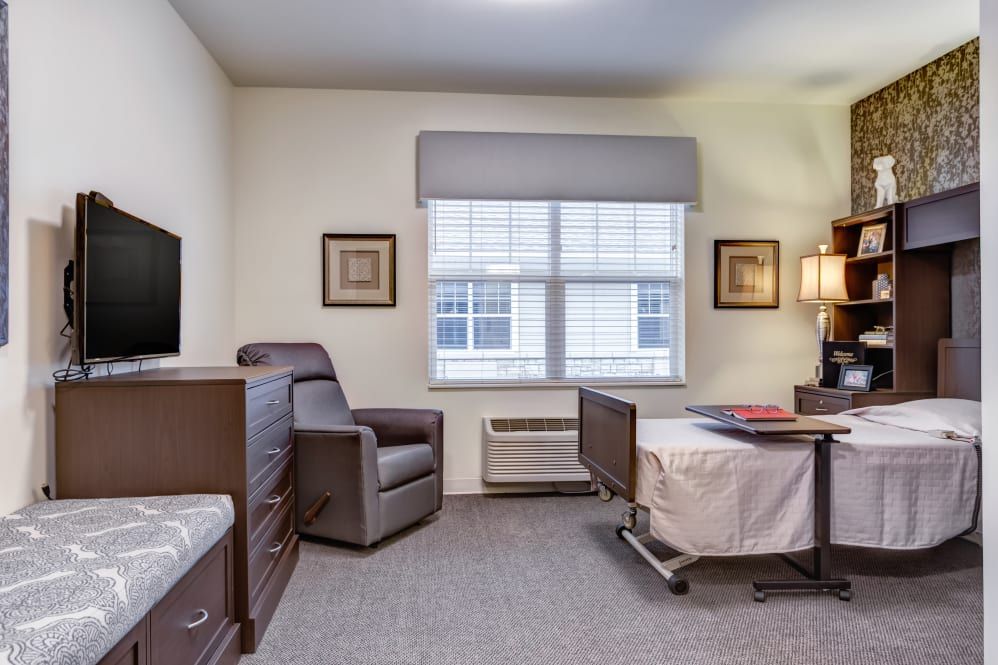
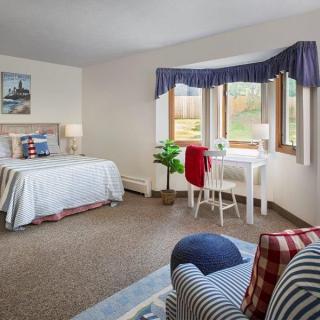
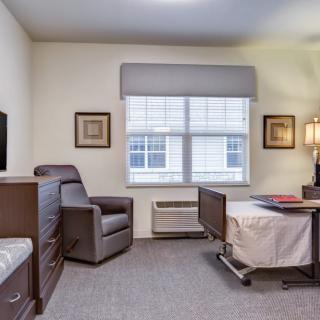
  • Fully furnished Fully furnishedFully furnished senior living communities are important for seniors because they provide convenience, comfort, and a hassle-free moving experience. Seniors can easily settle into their new living space without the stress of having to buy and move furniture. This allows them to focus on enjoying their new home and community.
  • Garden GardenGardens are important for seniors as they provide a peaceful and therapeutic environment for relaxation, physical activity, and socialization. Being in nature has been shown to reduce stress, improve mood, and promote overall well-being. Gardens also offer opportunities for seniors to engage in gardening activities, which can improve mobility, flexibility, and cognitive function. Additionally, gardens create a sense of community and connection with others who share a passion for plants and outdoor spaces.
  • Housekeeping services Housekeeping servicesHousekeeping services are important for seniors because they help maintain a clean and safe living environment, promote independence, and reduce the risk of accidents or illnesses. Additionally, having assistance with household chores can alleviate physical strain and allow seniors to focus on other aspects of their well-being.
  • Kitchenette KitchenetteKitchenettes are important for seniors living in senior living communities because they provide the convenience and independence of being able to prepare simple meals and snacks in the comfort of their own living space. This can help promote a sense of autonomy and well-being for seniors, allowing them to maintain some level of control over their dietary choices and daily routines.
  • Move-in coordination Move-in coordinationMove-in coordination is important for seniors because it helps ease the transition into their new living environment. It ensures that all logistics, such as packing, organizing movers, and setting up utilities are taken care of, allowing seniors to focus on settling in and adjusting to their new home. Having a smooth move-in process can alleviate stress and anxiety, making the transition smoother and more enjoyable for seniors.
  • Outdoor patio Outdoor patioOutdoor patios are essential for seniors as they provide a safe and peaceful space for them to enjoy the outdoors, socialize with friends and family, engage in physical activity, and soak up natural sunlight which promotes overall well-being and mental health.
  • Outdoor space Outdoor spaceOutdoor spaces are important for seniors as they provide opportunities for physical activity, social interaction, exposure to natural light and fresh air, and a sense of connection to nature. Having access to outdoor spaces can improve overall well-being and quality of life for older adults living in senior communities.
  • Small library Small librarySmall libraries are important for seniors as they provide access to a variety of reading materials, including books, newspapers, and magazines. This can help stimulate their minds, keep them engaged, and provide a sense of community through book clubs and other social activities. Additionally, reading has been shown to improve cognitive function and overall mental well-being in older adults.
  • Telephone TelephoneTelephones are important for seniors as they provide a lifeline for communication with loved ones, emergency services, and healthcare providers. They offer a sense of security and independence, enabling seniors to stay connected and access assistance when needed.
  • Wi-Fi/high-speed internet available Wi-Fi/high-speed internet availableWi-Fi/high-speed internet is important for seniors to stay connected with loved ones, access online resources, and participate in virtual activities to combat feelings of loneliness and isolation. It also allows them to easily manage healthcare needs, access entertainment, and engage in lifelong learning opportunities.

Transportation

  • Kent County International (10 miles away) Kent County International (10 miles away)

Care Services

  • 24-hour call system 24-hour call system24-hour call systems are important for seniors because they provide peace of mind and immediate assistance in case of emergencies. This technology ensures that help is always available, promoting safety and security for elderly individuals living alone or in assisted living facilities.
  • 24-hour supervision 24-hour supervision24-hour supervision is important for seniors to ensure their safety, well-being, and access to immediate assistance in case of emergencies or health issues. This constant support provides peace of mind for both seniors and their loved ones, allowing them to age in place with dignity and security.
  • Activities of daily living assistance Activities of daily living assistanceActivities of daily living assistance are important for seniors because they provide essential support with tasks such as eating, bathing, dressing, and mobility. This assistance helps seniors maintain their independence, dignity, and overall quality of life as they age.
  • Assistance with bathing Assistance with bathingAssistance with bathing is crucial for seniors as it helps maintain personal hygiene, prevents infections, and ensures their overall well-being and comfort. It also provides a sense of dignity and independence for seniors who may struggle with this task on their own.
  • Assistance with dressing Assistance with dressingAssistance with dressing is important for seniors because it helps maintain their independence, promotes personal hygiene, prevents accidents and injuries, and improves overall quality of life. This service ensures that seniors can continue to dress comfortably and confidently, despite any physical limitations they may have.
  • Assistance with transfers Assistance with transfersAssistance with transfers is crucial for seniors as it helps prevent falls and injuries, maintains their independence, and ensures they can safely navigate their living environment. It also provides peace of mind for both seniors and their loved ones.
  • Coordination with health care providers Coordination with health care providersCoordination with health care providers is crucial for seniors to ensure proper medical care, medication management, and overall well-being. This collaboration helps prevent overlapping treatments, track progress more effectively, and provide comprehensive support tailored to individual needs.
  • Dementia waiver Dementia waiverDementia waivers are essential for seniors as they provide critical protections and accommodations for those experiencing cognitive decline. These waivers ensure individuals with dementia receive appropriate care, support, and resources to maintain their quality of life and dignity as they navigate the challenges of this progressive condition.
  • Diabetes diet Diabetes dietA diabetes diet is crucial for seniors as it helps manage blood sugar levels, reduce risks of complications, and improve overall health and well-being. By following a balanced and nutritious diet tailored to their specific needs, seniors can better control their diabetes and enhance their quality of life.
  • Hospice waiver Hospice waiverHospice waivers are important for seniors because they allow individuals to receive specialized end-of-life care and support at home or in a hospice facility. This waiver ensures that seniors can access the necessary resources and services to maintain comfort and dignity during their final days.
  • Meal preparation and service Meal preparation and serviceMeal preparation and service are crucial for seniors as they may have limited mobility or energy to cook nutritious meals. Having access to healthy and convenient food options can ensure they are getting the proper nutrition needed to maintain their overall health and well-being.
  • Medication management Medication managementMedication management is crucial for seniors to ensure they are taking the right medications at the correct dosages and times. This helps prevent adverse drug interactions, reduces the risk of medication errors, and promotes overall health and well-being. Proactive management also allows for adjustments as needed based on changing health conditions or new prescriptions.
  • Mental wellness program Mental wellness programMental wellness programs are essential for seniors as they promote cognitive stimulation, emotional support, and social engagement. These programs help prevent isolation, depression, and cognitive decline, ultimately enhancing the overall quality of life for older adults.
  • Mild cognitive impairment Mild cognitive impairment"Mild cognitive impairment" is important for seniors because it is an early stage of cognitive decline that can potentially progress to more severe conditions such as dementia. Recognizing and addressing mild cognitive impairment can help seniors receive appropriate care and support to maintain their quality of life and independence for as long as possible.
  • Special dietary restrictions Special dietary restrictionsSpecial dietary restrictions are important for seniors because age-related changes in metabolism and health conditions can make it difficult for their bodies to process certain foods. By following a diet tailored to their specific needs, seniors can maintain their overall health and well-being, manage chronic conditions, and reduce the risk of complications such as malnutrition or food interactions with medications.
  • Specialized memory care programming Specialized memory care programmingSpecialized memory care programming is crucial for seniors with cognitive impairments such as dementia or Alzheimer's disease. These programs provide a safe and supportive environment tailored to the unique needs of individuals with memory loss, helping them maintain their independence, dignity, and quality of life.
  • Transportation arrangement (medical) Transportation arrangement (medical)Transportation arrangements for medical purposes are essential for seniors as they may have difficulty driving themselves to appointments or accessing public transportation. Having reliable and safe transportation options ensures that seniors can receive timely medical care and maintain their health and well-being.
  • Transportation to doctors appointments Transportation to doctors appointmentsTransportation to doctors' appointments is crucial for seniors as it ensures they have access to necessary medical care and support for their health needs. Without reliable transportation, seniors may struggle to attend important appointments, leading to potential delays in treatment and health complications. Providing transportation services helps seniors maintain their overall well-being and quality of life.

Dining

  • Diabetes diet Diabetes dietA diabetes diet is crucial for seniors as it helps manage blood sugar levels, reduce risks of complications, and improve overall health and well-being. By following a balanced and nutritious diet tailored to their specific needs, seniors can better control their diabetes and enhance their quality of life.
  • Special dietary restrictions Special dietary restrictionsSpecial dietary restrictions are important for seniors because age-related changes in metabolism and health conditions can make it difficult for their bodies to process certain foods. By following a diet tailored to their specific needs, seniors can maintain their overall health and well-being, manage chronic conditions, and reduce the risk of complications such as malnutrition or food interactions with medications.

Activities

  • Community-sponsored activities Community-sponsored activitiesCommunity-sponsored activities are important for seniors as they provide opportunities for social interaction, mental stimulation, and physical activity. These activities can help improve overall well-being, combat loneliness and isolation, and promote a sense of belonging and purpose among older adults.
  • Resident-run activities Resident-run activitiesResident-run activities are important for seniors as they encourage social interaction, creativity, and a sense of autonomy. These activities empower seniors to stay engaged and active in their community while fostering meaningful connections with their peers.
  • Scheduled daily activities Scheduled daily activitiesScheduled daily activities are important for seniors because they provide structure, socialization, mental stimulation, and physical activity. Engaging in regular activities can improve overall well-being and quality of life for seniors living in a community setting.

Description

The Oaks At Byron Center in Byron Center, MI is a vibrant assisted living community that offers a range of care services to cater to the unique needs of each resident. With options for independent living, memory care, and skilled nursing facility services, individuals can find the level of care that best suits their requirements.

Residents at The Oaks At Byron Center enjoy a variety of amenities designed to enhance their comfort and convenience. Each living space comes fully furnished and includes cable or satellite TV, Wi-Fi/ high-speed internet, and a telephone for staying connected with loved ones. The community also features a dining room where nutritious meals are prepared and served to accommodate special dietary restrictions. For relaxation and socializing, there is an outdoor patio and small library available for use.

Care services at The Oaks At Byron Center are provided around the clock by attentive staff members. Residents receive assistance with activities of daily living such as bathing, dressing, and transfers as needed. Medication management ensures that medications are taken correctly and on time. Additionally, the community offers coordination with health care providers to ensure residents receive necessary medical attention. Specialized memory care programming is available for those with dementia or mild cognitive impairment.

The community also prioritizes mental wellness through its mental wellness program which provides opportunities for personal growth and engagement. Move-in coordination services help residents settle into their new home seamlessly while transportation arrangements are made for medical appointments.

Located in close proximity to various amenities, residents have access to 3 cafes, 1 park, 17 pharmacies, 16 physicians' offices nearby. They can also explore diverse dining options at 18 nearby restaurants or attend religious services at 2 places of worship. For entertainment purposes, there is a theater close by where residents can enjoy shows or movies. In case of any medical emergencies or regular healthcare needs residents have access to four hospitals nearby.

At The Oaks At Byron Center, residents benefit from personalized care in a warm and welcoming environment where their overall well-being is prioritized.

Nearby Places of Interest

Hospitals

  • Trinity Health Medical Center (0.9 miles)
  • Metro Health Hospital (1.3 miles)
  • Pine Rest: Van Andel Center (3 miles)
  • Pine Rest: Mulder Therapy Center (3 miles)
  • Spectrum Health Lab (6.4 miles)

Physicians

  • Spectrum Health (1 miles)
  • Metro Health Cancer Center (1.2 miles)
  • Gastroenterology Associates of Western Michigan (1.5 miles)
  • Metro Health Pulmonology (1.5 miles)
  • Healthpark Medical Specialists (1.5 miles)
  • Wolverine Dermatology (1.7 miles)
  • West Michigan Heart (2.6 miles)

Pharmacies

  • Family Fare Supermarkets (1.6 miles)
  • Walgreens (1.7 miles)
  • Walgreens (1.8 miles)
  • Meijer Drive Up Pharmacy (2.6 miles)
  • Walgreens (2.7 miles)
  • Meijer Pharmacy (3.3 miles)
  • Walgreens (3.5 miles)

Restaurants

  • McDonald's (1.7 miles)
  • McDonald's (2 miles)
  • Arby's (2.2 miles)
  • 76th Street Truck Stop Diner (2.3 miles)
  • Craig's Cruisers End Zone (2.4 miles)
  • Sonic Drive-In (2.4 miles)
  • Chick-Fil-A (2.6 miles)

Places of Worship

  • Cornerstone Methodist (1.8 miles)
  • Providence Christian Reformed Church (3.9 miles)
  • Cornerstone Church (5.1 miles)
  • St Mark Lutheran Church (5.5 miles)
  • Madison Square Christian Reformed Church (7.4 miles)

Transportation

  • Enterprise Rent-A-Car (2.6 miles)

Cafes

  • Starbucks (2.9 miles)
  • Starbucks (3.8 miles)
  • Starbucks (4.7 miles)
  • Starbucks (5.9 miles)
  • Real Food Cafe (6.6 miles)

Theaters

  • Celebration! Cinema RiverTown (3.4 miles)

Parks

  • Lemery Park (3.6 miles)
  • Millennium Park (7.1 miles)
  • Chesebro Park (7.1 miles)
  • Hughes Park (7.7 miles)

Frequently Asked Questions

Where is The Oaks At Byron Center?
Does The Oaks At Byron Center provide care for residents with dementia or Alzheimer's disease?
What photos are available for The Oaks At Byron Center in Byron Center, Michigan?

Nearby Communities

  • Platinum Living - Byron

    Platinum Living - Byron

    Byron Center, MI

    4.5 from 42 reviews
     

    pro Comprehensive care with 24/7 supervision, furnished apartments, meals, and transportation for medical appointments.


  • Platinum Living of Michigan - Byron Center

    Platinum Living of Michigan - Byron Center

    Byron Center, MI

    4.5 from 44 reviews
    $2,500 / month

    pro Caring, attentive staff with strong engagement in activities and home-style meals, plus dedicated memory care.

  • Railside Assisted Living Center

    Railside Assisted Living Center

    Byron Center, MI

    4.6 from 76 reviews
     

    pro Strong memory care with 24/7 supervision and wellness programs.

  • Railside Living Center

    Railside Living Center

    Byron Center, MI

    4.4 from 88 reviews
    $3,400 / month

    pro Family-owned with dedicated staff and well-maintained facilities delivering quality care.

  • American House Wyoming

    American House Wyoming

    Wyoming, MI

    3.4 from 30 reviews
    $4,605 to $6,340 / month

    pro Clean, safe facility with spacious, well-appointed apartments and engaging activities.

  • Healthbridge Post-Acute Rehabilitation

    Healthbridge Post-Acute Rehabilitation

    Wyoming, MI

    3.1 from 101 reviews
     

    pro Strong rehabilitation therapy with proactive staff communication.

  • Medilodge Of Wyoming

    Medilodge Of Wyoming

    Wyoming, MI

    4.3 from 110 reviews
     

    pro Caring staff with engaging activities in a clean, well-maintained setting.

  • American House Kentwood

    American House Kentwood

    Kentwood, MI

    4.1 from 62 reviews
    $4,250 to $5,050 / month

    pro Homey feel with friendly, attentive staff and clean facilities.

  • Georgetown Manor East

    Georgetown Manor East

    Grandville, MI

    4.4 from 20 reviews
     

    pro Clean, attentive staff with engaging activities and personalized dementia care.

Related Resources

  • does my mom have dementia quiz5 Early Indicators of Dementia and What You Can Do

    The content outlines five key early indicators of dementia, including significant memory loss and confusion about time and place, while emphasizing the need for professional evaluation and emotional support for both individuals showing symptoms and their caregivers. It encourages family members to monitor these signs closely and use online quizzes for initial awareness.

  • when should someone with dementia go into a care home8 Important Indicators That Memory Care May Be Necessary

    The article highlights eight indicators that a loved one with dementia may require specialized memory care, emphasizing the emotional and logistical challenges families encounter in this decision. It discusses signs such as difficulties with daily tasks, safety concerns, and caregiver burnout, suggesting that memory care facilities can provide the necessary support and structured environments for those experiencing cognitive decline.

  • what do dementia patients think aboutDelving into the Inner World of Dementia: Insights into Thoughts and Awareness
    Dementia, primarily caused by Alzheimer's disease but also linked to other conditions, leads to cognitive decline impacting memory and daily functioning, with individuals experiencing varied awareness of their impairments. Despite memory loss, emotional connections persist, enabling responses to familiar stimuli, highlighting the need for caregivers to provide compassionate support that recognizes both limitations and retained emotional depth.