
4294 Pine Tree Trail, Bloomfield Hills, MI 48302
For more information about senior living options: (866) 208-4318
Overall Review of Alta First Care & Rehab
Pros
 Ashia was a great instructor.
- The whole Care First Team is amazing.
- Ashia is extremely sweet and helpful.
- What a great program.
- They take seriously that you have to help residents move to independence.
- There is a speech therapist named Fred who is very people-oriented.
- It is an impressive place for the catastrophically injured.
Cons
 An employee was terminated without any notice, no verbal warning, and no write-ups, which was very unprofessional.
- The reviewer claims the company does not care about employees’ families and should be called Careless.
- The staff and clients are described as unprofessional, making it not a place to put loved ones.
- A recruiter from Indeed is described as unresponsive, with a phone ring and then a hang-up.
- The place is said to allow physical and emotional abuse, with owners more concerned about revenue than safety.
- The reviewer characterizes the company as a “black company” and states it is not recommended.
Review
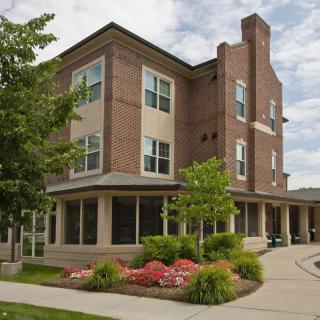
Alta First Care & Rehab in Bloomfield Hills, MI is best suited for adults who enter with substantial rehabilitation needs and a clear path toward greater independence within a home-like environment. The program emphasizes moving residents from intensive therapy to daily living skills, with a long-house layout designed to reduce the sense of confinement and support gradual autonomy. The presence of ongoing therapy, including a noticeable speech therapy component, and a staff culture that emphasizes personal warmth at the point of care can make the experience feel less clinical than a typical rehabilitation setting. For catastrophically injured residents who want a practical rehab track within a familiar, non-institutional atmosphere, Alta offers a concrete pathway forward rather than a traditional assisted-living checklist.
That said, Alta is not the right fit for every family. A substantial portion of the feedback centers on concerns about professionalism and governance, including reports of termination of staff without notice and questions about how policies are communicated. Several reviewers allege that owners are more focused on revenue than resident welfare, with serious implications for safety and day-to-day care. For families prioritizing transparent leadership, predictable staffing, and robust safeguarding measures, alternatives that demonstrate consistent governance and verified safety protocols should be seriously considered. While some residents and staff receive praise for warmth and attentiveness, the mixed reviews create a warning sign about reliability and consistency across shifts and departments.
The most compelling positives are tangible and actionable. Clean, welcoming spaces and a culture of friendliness among frontline staff help residents feel cared for day in and day out. Ashia stands out as a consistently praised instructor and touchpoint, with additional team members reinforcing a client-centered approach. The rehab framework, especially for individuals working to regain independence from dependence, comes through in practical terms: a non-institutional ambiance, accessible therapy, and a pathway that values progress toward functional autonomy. The inclusion of a dedicated speech therapist and a rehabilitative focus that accommodates complex injury profiles signals genuine value for residents targeting meaningful recovery milestones.
Yet the downsides carry significant weight. The most serious concerns revolve around professional lapses and governance questions, the sense that leadership may deprioritize safety in favor of revenue, and that staff experiences can reflect broader organizational instability. Accusations of abuse or unsafe interactions, even if not universally echoed, create a climate of concern for families entrusting a loved one to daily care. Turnover and inconsistent staffing patterns threaten continuity of care, complicating medication management, therapy scheduling, and daily routines. In aggregate, the positive impressions of warmth and therapy access are undermined by governance and conduct issues that directly impact resident welfare and trust.
To navigate a decision about Alta, families should approach the site with a focused, investigative mindset. Request face-to-face time with the therapy and care teams, observe therapy sessions across different times of day, and tour living spaces with attention to how consistently staff engage residents. Ask candid questions about staff retention, onboarding procedures, and how grievances are handled, including any active safety or compliance investigations. Seek a detailed, written care plan that outlines goals, timelines, and accountability for progress toward independence, alongside full transparency on pricing, billing practices, and any ancillary charges. Crucially, verify licensure and consult current residents or their families about day-to-day experiences beyond promotional materials.
Bottom line: Alta First Care & Rehab offers a rehab-forward pathway in a home-like setting, with potential for meaningful gains in independence when residents respond well to hands-on therapy and consistent frontline attention. The strongest fit appears to be individuals who prize practical rehab delivery, accessible therapy, and a long-house environment that mitigates clinical stiffness. For families unwilling to tolerate questions about staff consistency, governance, or potential safety concerns, pursuing alternatives with proven governance, steady staffing, and verifiable safeguarding practices is a prudent course. The final decision hinges on weighing the concrete rehabilitative benefits against the risk signals in the reviews, and ensuring a care plan that emphasizes safety, transparency, and reliable, trust-based care.
 6 resident community capacity
 Assisted Living
 Cable or satellite TV
 Dining room
 Fully furnished
 Garden
 Housekeeping services
 Move-in coordination
 Outdoor space
 Telephone
 Wi-Fi/high-speed internet available
 24-hour supervision
 Activities of daily living assistance
 Assistance with bathing
 Assistance with dressing
 Assistance with transfers
 Diabetes diet
 Meal preparation and service
 Medication management
 Special dietary restrictions
 Transportation arrangement (medical)
 Transportation to doctors appointments



 How and When Medicaid May Cover Assisted Living Costs
 A Detailed Exploration of Assisted Living Medicaid Waivers Across the United States
 Comprehensive Residential Support and Assisted Living Solutions for Individuals with Disabilities