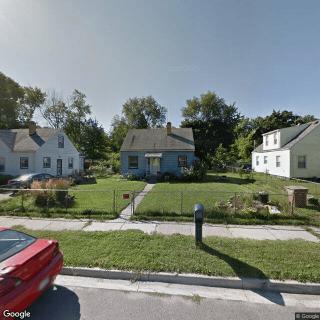
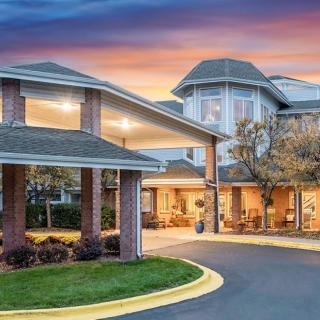
Hickory Grove Respite Home is an assisted living community in Bloomfield, MI.
Information last verified:
2666 Hickory Grove, Bloomfield, MI 48302
For more information about senior living options: (866) 208-4318
4.4 from 36 reviews
5 stars
30
4 stars
1
3 stars
0
2 stars
0
1 stars
5
Overall Review of Hickory Grove Respite Home
differentiator3 reviews mention this
Care staff support complex conditions
Residents describe caregivers who support serious, medically involved needs.
Multiple reviewers mention care during complex health situations, including ALS and Alzheimer’s, with caregivers helping with day-to-day support while families navigated difficult changes. One review also describes evening care that included medication help, incontinence care, and nebulizer treatments. Others emphasize that the team conducted thorough assessments to match caregivers to the situation.
common4 reviews mention this
Scheduling and coordination feel reliable
Families report clear scheduling and responsive coordination when needs change.
Several reviews highlight dependable scheduling and coordination, including cases where caregivers were organized quickly after needs were assessed. Reviewers also mention coordinators and schedulers who were accommodating and available, and one specifically calls out a scheduling team operating around the clock. A few reviewers describe reassurances during transitions, with the office team helping guide what to expect next.
common20 reviews mention this
Caregivers are consistently described as kind
Caregivers are repeatedly described as compassionate, attentive, and dependable.
Across the reviews, families describe caregivers who are kind, thoughtful, and focused on comfort and respect. Multiple reviewers say their caregiver was dependable and professional, arriving on time and following through on daily help. Several also mention communication and responsiveness that reduced stress for both clients and family members.
common3 reviews mention this
Daily help with personal routines
Residents describe help with everyday tasks and personal routines.
Reviewers describe assistance that goes beyond supervision, including help with cleaning up, getting dressed, and doing activities. One caregiver is described helping with grocery shopping and tidying the home, while another review mentions evening support that included incontinence care. Several reviews connect this practical help with feeling safer and more supported at home.
How we summarize
Counts show how many written reviews mention each theme; a review can touch several themes, and only frequently mentioned themes are displayed.
Features
Housing
6 resident community capacity
Types of Care
Assisted Living
Amenities
Cable or satellite TV
Dining room
Fully furnished
Garden
Housekeeping services
Move-in coordination
Outdoor space
Telephone
Wi-Fi/high-speed internet available
Care Services
24-hour supervision
Activities of daily living assistance
Assistance with bathing
Assistance with dressing
Assistance with transfers
Coordination with health care providers
Diabetes diet
Meal preparation and service
Medication management
Special dietary restrictions
Transportation arrangement (medical)
Transportation to doctors appointments
Dining
Diabetes diet
Special dietary restrictions
Activities
Community-sponsored activities
Scheduled daily activities
Nearby Places of Interest
This part of Bloomfield, Michigan offers a range of amenities and services that cater to seniors looking for a convenient and comfortable living environment. With several pharmacies nearby such as Rite Aid and CVS Pharmacy, accessing medication and healthcare supplies is easily accessible. The area also boasts a variety of dining options including Kerby's Koney Island and Little Daddy's, providing convenient options for meals. For those seeking spiritual fulfillment, there are places of worship like St Hugo of the Hills Church and Church Of The Holy Redeemer within close proximity. Additionally, hospitals like McLaren Oakland and Henry Ford West Bloomfield Hospital are readily available for any medical needs. Parks like Dodge #4 State Park and Shain Park offer opportunities for outdoor recreation and relaxation. With numerous physicians' offices in the vicinity including Beaumont Medical Center - West Bloomfield and Providence Medical Center, residents can access quality healthcare services with ease. Overall, this part of Bloomfield provides a well-rounded environment suitable for senior living.
Restaurants
Kerby's Koney Island (1.4 miles)
Little Daddy's (2.8 miles)
The HUB Stadium (4.9 miles)
Hunter House Hamburgers (5.4 miles)
Grand Tavern (5.6 miles)
Bob E's Super Chief (5.6 miles)
Carnival Market (5.7 miles)
Pharmacies
Rite Aid (1.5 miles)
CVS Pharmacy (1.5 miles)
CVS Pharmacy (1.6 miles)
CVS Pharmacy (2.1 miles)
Rite Aid (2.9 miles)
Walgreens (3 miles)
Rite Aid (3.6 miles)
Cafes
Avon Donuts (1.7 miles)
Starbucks Reserve (5.4 miles)
Panera Bread (5.6 miles)
Starbucks (6.3 miles)
Panera Bread (6.4 miles)
Panera Bread (6.5 miles)
Antonio's Cafe & Grill (6.7 miles)
Places of Worship
St Hugo of the Hills Church (2.3 miles)
Church Of The Holy Redeemer (6.5 miles)
Hospitals
McLaren Oakland (2.7 miles)
Henry Ford West Bloomfield Hospital (7.2 miles)
Parks
Dodge #4 State Park (4.1 miles)
Riverside Park (4.3 miles)
River Woods Park (4.8 miles)
Shain Park (5.4 miles)
Firefighters Park (5.6 miles)
Avondale Park (5.7 miles)
Innovation Hills (6.5 miles)
Physicians
Beaumont Medical Center - West Bloomfield (5.6 miles)
Oral & Facial Surgeons of Michigan PC (5.6 miles)
Beverly Hills Orthopedists (5.9 miles)
Millenium Diagnostic Center (6 miles)
Coleman, Stephanie Mclaren Oakland Waterford Medical Associates (6.5 miles)
Hickory Grove Respite Home is located at 2666 Hickory Grove, Bloomfield, MI 48302 in Oakland County, Michigan
Nearby Communities
ComForcare Senior Services
Bloomfield Hills, MI
3.6 from 5 reviews
Excellent care with compassionate, dedicated caregivers (Lisa).
Sunrise Assisted Living of Bloomfield
Bloomfield Hills, MI
4.4 from 30 reviews
$2,250 to $4,714 / month
Caring staff with engaging activities in a well-maintained, welcoming environment.
Pine Lake
Bloomfield, MI
Comprehensive care and amenities (24-hour supervision, meals, medication management, transportation for medical appointments, daily activities) in a small, fully furnished setting.
A & T Private Care Services
Pontiac, MI
3.9 from 45 reviews
Caring, reliable caregivers with personalized, on-time service.
American House Village At Bloomfield
Pontiac, MI
4.5 from 78 reviews
Well-maintained facility with friendly staff and restaurant-style dining in a convenient location.
American House Village at Bloomfield
Bloomfield Hills, MI
4.5 from 95 reviews
$3,295 to $3,500 / month
Strong sense of community with friendly staff and engaging activities.
Cedarbrook
Bloomfield Hills, MI
4.4 from 114 reviews
$6,800 / month
Caring, engaged staff with well-maintained facilities and strong Memory Care.
Townehall Place of West Bloomfield
West Bloomfield, MI
4.3 from 124 reviews
$3,200 to $5,495 / month
Caring, attentive staff in a clean, welcoming community with engaging activities and solid on-site care.
The Inn At Cass Lake
Waterford, MI
4.4 from 122 reviews
$2,299 to $4,119 / month
Comfortable, clean and welcoming community with friendly staff, good dining and engaging activities.
The article discusses assisted living expenses, the importance of long-term care insurance in covering these costs, and various financing options, highlighting the need for careful policy review and early planning to address potential needs. It also clarifies common misconceptions about Medicare and private health insurance limitations regarding long-term care coverage.
Assisted living facilities offer crucial support for older adults needing help with daily activities but come with varying and significant costs, which can be financed through personal savings, government assistance programs, long-term care insurance, and home equity options. Professional guidance from experts can aid families in navigating these financial complexities to establish a sustainable budgeting approach for assisted living services.
Assisted living costs often exceed Social Security benefits, necessitating a combination of funding sources like state aid and Medicaid. Understanding the interaction between Social Security programs and available financial support is essential for affording such care.
Get PricingAsk A QuestionSchedule A TourContact Senior Advisor
By clicking submit, you agree to our Partner's Terms of Use. You
also consent to receive calls and texts, which may be autodialed, from our Partner. Your consent is not a condition to
using our Partner's service. Please visit our Partner's Privacy Policy for information about their privacy practices.

 6 resident community capacity
 Assisted Living
 Cable or satellite TV
 Dining room
 Fully furnished
 Garden
 Housekeeping services
 Move-in coordination
 Outdoor space
 Telephone
 Wi-Fi/high-speed internet available
 24-hour supervision
 Activities of daily living assistance
 Assistance with bathing
 Assistance with dressing
 Assistance with transfers
 Diabetes diet
 Meal preparation and service
 Medication management
 Special dietary restrictions
 Transportation arrangement (medical)
 Transportation to doctors appointments
 Excellent care with compassionate, dedicated caregivers (Lisa).


 Assisted Living Expenses and Long-Term Care Insurance: A Comprehensive Exploration
 Securing Financial Support for Assisted Living: A Comprehensive Overview
 Social Security Benefits and Assisted Living: Navigating Options Across the U.S.