Shady Acres Assisted Living offers a range of accommodation options at competitive rates compared to both Huron County and the broader state of Michigan. For semi-private rooms, Shady Acres charges $7,245 per month, which is significantly higher than the Huron County average of $3,932 and the state average of $3,191. Private rooms at Shady Acres are priced at $8,195, again exceeding local and state averages - $5,373 in Huron County and $3,675 statewide. The studio accommodations are available for $8,645 per month, placing them above the county's average of $5,243 and the state's average of $3,824. While these costs reflect a premium for services and amenities that Shady Acres may provide, they underscore a notable disparity when compared to nearby pricing structures.
Floor plans
Shady Acres Assisted Living
Huron County
Michigan
Semi-Private
$7,245
$3,932
$3,189
Private
$8,195
$5,373
$3,674
Studio
$8,645
$5,243
$3,824
Overall Review of Shady Acres Assisted Living
common10 reviews mention this
Activities keep residents engaged
Residents are consistently described as staying busy with daily activities.
Many reviewers describe an activities program that keeps residents engaged and entertained, not limited to basic routines. Several mention staff posts or planned events, and a few point to variety beyond typical bingo. The community also lists scheduled daily activities and community-sponsored activities, which aligns with what families report seeing day to day.
common19 reviews mention this
Staff are kind and responsive
Families repeatedly describe the staff as kind, professional, and quick to respond.
Across reviews, residents are described as well cared for by staff members who are attentive and compassionate. Multiple families mention being able to ask questions and receiving timely responses, including during the move-in period. Reviewers also describe everyday interactions with leadership and caregivers as supportive, with several highlighting comfort and peace of mind for family members.
common3 reviews mention this
Memory care earns mixed reviews
Memory care is a standout for some families and a concern for others.
A few reviewers specifically mention the memory care unit exceeding expectations, including describing residents smiling, laughing, and receiving compassionate care. Others describe gaps in feeding and engagement for memory care residents compared with assisted living residents. Taken together, reviewers’ experiences in the memory care wing vary widely.
common2 reviews mention this
Food and dining moments stand out
Reviewers mention enjoyable dining experiences and attention to meal preferences.
Some families point to kitchen staff and meal planning, including a head chef meeting with residents about preferences. Another reviewer describes residents gathering in the dining room to celebrate birthdays, reflecting that dining is part of community life rather than purely a routine. The community also offers meal preparation and service and provides special dietary restrictions in care services.
caveat2 reviews mention this
Medical communication is a concern
A couple of reviews raise serious concerns about medical decision-making and emergency communication.
Two negative reviews describe situations where families felt urgent medical help or communication was not provided. One also alleges changes to medical routines without notification and questions whether the appropriate medical input was involved. These concerns stand in contrast to the many positive mentions of attentive care and staff responsiveness elsewhere in the reviews.
How we summarize
Counts show how many written reviews mention each theme; a review can touch several themes, and only frequently mentioned themes are displayed.
Features
Housing
12 resident community capacity
Types of Care
Assisted Living
Board and Care Home
Amenities
Cable or satellite TV
Dining room
Fully furnished
Garden
Housekeeping services
Move-in coordination
Outdoor space
Telephone
Wi-Fi/high-speed internet available
Care Services
24-hour supervision
Activities of daily living assistance
Assistance with bathing
Assistance with dressing
Assistance with transfers
Coordination with health care providers
Diabetes diet
Meal preparation and service
Medication management
Special dietary restrictions
Transportation arrangement (medical)
Transportation to doctors appointments
Dining
Diabetes diet
Special dietary restrictions
Activities
Community-sponsored activities
Scheduled daily activities
Nearby Places of Interest
Restaurants
Verona Tavern (2.7 miles)
Big Boy Restaurant (5 miles)
Taco Bell (5 miles)
Little Caesars Pizza (5.1 miles)
Bad Axe Mini Market (5.1 miles)
Wing Street (5.1 miles)
McDonald's (5.1 miles)
Places of Worship
Bad Axe Church of Christ (4.5 miles)
Victory In Christ Community Church (5 miles)
Victory In Christ Community Church (5.1 miles)
Roman Catholic Diocese Saginaw (5.1 miles)
Free Methodist Church (5.2 miles)
United Methodist Church (5.4 miles)
Our Savior Lutheran Church (5.4 miles)
Physicians
Dr Keith & Rita Messing Family Eye Care (4.6 miles)
Shady Acres Assisted Living offers a range of accommodation options at competitive rates compared to both Huron County and the broader state of Michigan. For semi-private rooms, Shady Acres charges $7,245 per month, which is significantly higher than the Huron County average of $3,932 and the state average of $3,191. Private rooms at Shady Acres are priced at $8,195, again exceeding local and state averages - $5,373 in Huron County and $3,675 statewide. The studio accommodations are available for $8,645 per month, placing them above the county's average of $5,243 and the state's average of $3,824. While these costs reflect a premium for services and amenities that Shady Acres may provide, they underscore a notable disparity when compared to nearby pricing structures.
The article examines senior housing options, detailing the distinctions between independent living and assisted living, along with the emerging "independent assisted living" model that blends both approaches. It highlights the importance of assessing individual needs, preferences, and financial factors in making informed decisions about suitable living arrangements for seniors.
The deductibility of assisted living expenses on taxes hinges on factors like the individual's medical condition and service nature, typically requiring the resident to be "chronically ill" per IRS definitions. Taxpayers may deduct eligible medical expenses related to personal care services but generally not rent unless primarily for medical care, and they should maintain thorough documentation to support claims while considering itemizing versus standard deductions.
The guide highlights the importance of assisted living facilities for aging veterans needing daily support, discusses unique challenges they face, and outlines available financial assistance from the VA, including the Aid and Attendance program. It emphasizes understanding eligibility criteria and navigating the VA system to access necessary benefits effectively.
Get PricingAsk A QuestionSchedule A TourContact Senior Advisor
By clicking submit, you agree to our Partner's Terms of Use. You
also consent to receive calls and texts, which may be autodialed, from our Partner. Your consent is not a condition to
using our Partner's service. Please visit our Partner's Privacy Policy for information about their privacy practices.

 12 resident community capacity
 Assisted Living
 Board and Care Home
 Cable or satellite TV
 Dining room
 Fully furnished
 Garden
 Housekeeping services
 Move-in coordination
 Outdoor space
 Telephone
 Wi-Fi/high-speed internet available
 24-hour supervision
 Activities of daily living assistance
 Assistance with bathing
 Assistance with dressing
 Assistance with transfers
 Diabetes diet
 Meal preparation and service
 Medication management
 Special dietary restrictions
 Transportation arrangement (medical)
 Transportation to doctors appointments
 Homelike setting with personalized care and nutritious meals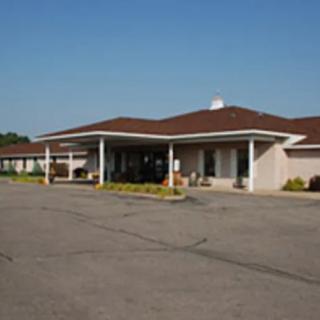



 Exploring the Path to Senior Living: A Comprehensive Look at Independent Living and Assisted Living
 Is Assisted Living Deductible on Your Taxes? Understanding the Complexities of Assisted Living Expenses and Deductions
 Assisted Living Support for Veterans: A Complete and Detailed Overview