Medallion Village in Sebewaing, MI

Save
Medallion Village

Medallion Village in Sebewaing, MI

628 E Main St, Sebewaing, MI 48759

For more information about senior living options: (844) 490-3973

2.3 from 6 reviews
5 stars
2
4 stars
0
3 stars
0
2 stars
0
1 stars
4

Assisted Living Independent Living

Medallion Village Costs & Pricing

Medallion Village offers competitive pricing for its accommodations compared to both Tuscola County and the broader Michigan market. For instance, a studio at Medallion Village is available for $1,500 per month, significantly lower than the average of $3,622 in Tuscola County and $3,824 statewide. Similarly, the one-bedroom option at Medallion Village is priced at $2,100, which again provides substantial savings compared to Tuscola County's average of $3,329 and Michigan's $3,384. Even for those seeking two-bedroom units, Medallion Village remains appealing at $2,400 per month - more affordable than the county average of $2,509 and considerably less than the state average of $3,523. This pricing structure highlights Medallion Village as a valuable choice for individuals and families looking for quality housing without overstretching their budgets.

Floor plansMedallion VillageTuscola CountyMichigan
Studio$1,500$3,622$3,824
1 Bedroom$2,100$3,329$3,384
2 Bedrooms$2,400$2,509$3,523

Overall Review of Medallion Village

Pros

  • pro The staff member is very personable and easy to talk to.
  • pro He answered every question the reviewer had, including those the reviewer didn't know to ask.
  • pro Tending to the dying is recognized as a blessing.
  • pro The reviewer, a hospice volunteer and chaplain for ten years, highlights the importance of compassionate care in hospice settings.

Cons

  • pro The reviewer was deeply disappointed by a staff member's lack of compassion and tenderness in tending to their family member.
  • pro The staff member's statements to the reviewer were hurtful and showed no tenderness.
  • pro The reviewer believes this staff member should never be employed to tend to anyone in assisted living, let alone Hospice care.
  • pro The reviewer felt compelled to address the staff member's behavior to protect future residents.
  • pro The reviewer warned that living in the building attached to the assisted living would be for those willing to live with aggressive, violent, mentally ill individuals.

Review

Medallion Village in Sebewaing, Michigan is best suited for families seeking a modest, hometown assisted living option where proximity to loved ones and budget considerations take precedence over flawless, consistently delivered end-of-life care. The community appears workable for residents who can tolerate variability in staff attentiveness and who have strong family or external hospice oversight to fill gaps. It works best when care coordination is supplemented by an involved family that can monitor daily interactions and advocate for a dying loved one during sensitive stages. In short, this is not a place to rely on uniform exemplary bedside manners; it is a local, budget-conscious option where advocacy and oversight drive the experience more than institutional culture.

Those for whom consistent compassion, patient communication, and a serene environment with tightly managed behavior are essential should consider alternatives. The most decisive reason to look elsewhere is a pattern of reported lack of empathy from staff toward residents in their final weeks, including hurtful remarks. Families should also evaluate other facilities if safety and behavioral management are a top priority, given mentions of aggressive, mentally ill individuals in the building. If the priority is reliable, comforting end-of-life care delivered with tenderness, this community may fall short. In such cases, exploring nearby facilities with strong hospice partnerships and staff training could yield a more reliable experience.

On the positive side, there are signs that some staff members can be personable, accessible, and responsive. At least one employee was described as easy to talk to, answering questions thoroughly and proactively. That level of engagement matters when families need reassurance about daily routines, care plans, and the handling of sensitive moments. The presence of a staff member who demonstrates clear communication can offset some concerns, especially when families lack direct oversight. While not a guarantee, these instances show that capable, compassionate caregiving can exist within the community, suggesting that a well-managed shift or a stable caregiver team could improve the overall experience.

However, the dominant narrative across several reviews centers on a troubling lack of compassion. Reported episodes describe staff tending to a dying relative with cold comments and a perceived absence of tenderness during critical weeks. End-of-life care rests on empathy, patience, and emotional support; when caregivers fail to provide that baseline, the emotional and psychological toll on families surges. Such incidents are not simply discomforts but substantive risks to the resident's sense of dignity and comfort. The consistency of this concern, rather than occasional missteps, signals a cultural issue that neither a one-off staff member highlight nor a single tour can fully dispel. Prospective residents should weigh how much empathic care they can tolerate before choosing this community.

A separate, serious caveat is the claim that the building houses aggressive, mentally ill individuals, creating a potentially volatile environment. The mention of violence and challenging behavior raises legitimate safety concerns for residents, visitors, and staff. Without transparent reporting on staffing levels, training, de-escalation protocols, and room assignments, such a claim cannot be dismissed outright, and it demands careful due diligence. Families should request concrete information about how behavioral health needs are managed, what safeguards exist, and whether there is a plan for separating high-risk residents from others when needed. If safety and predictable daily life are non-negotiable, this factor alone may steer the decision toward stronger-structured communities with clear behavioral policies.

Decision-makers should approach Medallion Village with a concrete due-diligence plan: tour with a focus on how hospice and end-of-life care are actually delivered; request to meet the administrator and frontline caregivers; review care plans, supervision protocols, and incident reporting; probe staff turnover and training in compassion and de-escalation. If possible, speak with multiple families currently served to gauge consistency. Given the mixed signals, this community is best for those who can actively oversee care and tolerate variability, while being prepared to switch plans if the demonstrated empathy and safety do not meet expectations. For others, a short list of nearby alternatives with stronger hospice alignment and tighter safety controls is advisable.

Features

Types of Care

  • Assisted Living Assisted LivingAssisted living facilities provide crucial support and care for seniors who may need help with daily tasks such as medication management, bathing, and meal preparation. These communities offer a safe and comfortable environment where seniors can maintain their independence while receiving the assistance they need to thrive in their golden years.
  • Independent Living Independent LivingIndependent living communities are important for seniors because they offer a safe and supportive environment where older adults can live independently while still having access to amenities and services that enhance their quality of life. These communities provide social opportunities, recreational activities, and assistance with daily tasks, promoting overall well-being and allowing seniors to maintain their independence for as long as possible.

Amenities

  • Activities on-site Activities on-siteActivities on-site are important for seniors because they provide opportunities for socialization, mental stimulation, physical activity, and overall well-being. Engaging in activities can help seniors stay active, maintain their independence, and improve their quality of life.
  • Air-conditioning Air-conditioningAir conditioning is important for seniors as they are more vulnerable to heat-related illnesses and may have underlying health conditions that make it difficult for them to regulate their body temperature. It helps to keep them comfortable, safe, and healthy in hot weather.
  • Beautician on-site Beautician on-siteHaving a beautician on-site at a senior living community is important for seniors as it allows them to easily access grooming and personal care services, boosting their self-esteem and overall well-being. It also provides convenience and helps seniors maintain their sense of independence and personal style.
  • Cable or satellite TV Cable or satellite TVCable or satellite TV is important for seniors because it provides entertainment, news, and companionship, helping to combat loneliness and boredom. It also offers a wide range of programming options tailored to different interests and preferences.
  • Devotional services off-site Devotional services off-siteDevotional services off-site are important for seniors as they provide spiritual nourishment, social engagement, and a sense of community outside of the senior living facility. This can enhance overall well-being and help combat feelings of isolation and loneliness often experienced by older adults.
  • Devotional services on-site Devotional services on-siteDevotional services on-site provide seniors with spiritual support and a sense of community, as well as an opportunity for reflection and guidance during their senior living experience. This can promote emotional well-being and connection to others, leading to a more fulfilling and enriching lifestyle in their later years.
  • Full kitchen Full kitchenHaving a full kitchen in a senior living facility is important for seniors because it allows them to maintain their independence and prepare their own meals. This promotes healthy eating habits, saves money on dining out, and provides a sense of familiarity and comfort for residents.
  • Ground floor units Ground floor unitsGround floor units are important for seniors because they provide easy accessibility, reduced risk of falls and injuries, and convenience for those with mobility issues. Seniors can avoid climbing stairs or using elevators, making daily tasks and activities more manageable and enjoyable.
  • Handicap accessible Handicap accessible"Handicap accessible" amenities are crucial for seniors to ensure they can easily navigate and access facilities, services, and activities without barriers or limitations due to physical impairments. This promotes independence, safety, and inclusivity for seniors in senior living communities.
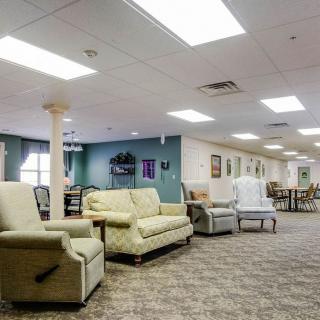
  • Indoor common areas Indoor common areasIndoor common areas are crucial for seniors as they provide a space for socialization, recreation, and community engagement, promoting overall well-being and reducing feelings of isolation and loneliness.
  • Kitchenette KitchenetteKitchenettes are important for seniors living in senior living communities because they provide the convenience and independence of being able to prepare simple meals and snacks in the comfort of their own living space. This can help promote a sense of autonomy and well-being for seniors, allowing them to maintain some level of control over their dietary choices and daily routines.
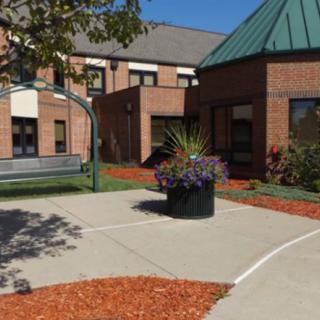
  • Outdoor common areas Outdoor common areasOutdoor common areas are important for seniors as they provide a space for socialization, physical activity, and relaxation. Being outside in nature can improve mood and overall well-being, while also encouraging movement and engagement with others. These spaces can help combat feelings of isolation and promote a sense of community among residents.
  • Respite or short term stays offered Respite or short term stays offeredRespite or short term stays provide seniors with a temporary solution when their regular caregiver is unavailable, offering them the opportunity to receive additional care and support during times of need, while also giving caregivers a chance to rest and recharge.
  • Wheelchair accessible showers Wheelchair accessible showersWheelchair accessible showers are crucial for seniors as they provide a safe and independent bathing option for those with mobility challenges. These showers help prevent falls and allow seniors to maintain their dignity and autonomy while ensuring they can bathe comfortably.
  • Wi-Fi/high-speed internet available Wi-Fi/high-speed internet availableWi-Fi/high-speed internet is important for seniors to stay connected with loved ones, access online resources, and participate in virtual activities to combat feelings of loneliness and isolation. It also allows them to easily manage healthcare needs, access entertainment, and engage in lifelong learning opportunities.

Care Services

  • Ambulatory care Ambulatory care"Ambulatory care services provide essential medical support and treatment to seniors without requiring hospitalization, allowing them to maintain their independence and quality of life while managing chronic conditions or receiving routine medical care."
  • Diabetic care Diabetic careDiabetic care is crucial for seniors as they are more susceptible to developing diabetes due to aging and other health conditions. Proper management of diabetes can help prevent complications such as heart disease, vision loss, and nerve damage, improving the overall quality of life for seniors in senior living communities.
  • Incontinence care Incontinence careIncontinence care is essential for seniors to maintain their dignity, hygiene, and overall quality of life. By addressing incontinence issues promptly and effectively, seniors can enjoy a sense of independence and comfort in their daily activities.
  • Medication management Medication managementMedication management is crucial for seniors to ensure they are taking the right medications at the correct dosages and times. This helps prevent adverse drug interactions, reduces the risk of medication errors, and promotes overall health and well-being. Proactive management also allows for adjustments as needed based on changing health conditions or new prescriptions.

Dining

  • Low / no sodium Low / no sodiumLow/no sodium options are important for seniors because excessive sodium intake can lead to high blood pressure, heart disease, and other health issues commonly experienced by older adults. By choosing low/no sodium foods, seniors can better manage their health and reduce their risk of developing these conditions.
  • Meals provided Meals provided"Meals provided" are crucial for seniors in assisted living communities as it ensures they have access to nutritious, balanced meals without the stress of meal planning and preparation. This can help promote overall health and well-being for seniors who may have limited mobility or cognitive abilities.
  • Professional chef Professional chefProfessional chefs are important for seniors living in senior living communities because they provide nutritious and delicious meals that cater to their dietary needs and preferences. A professional chef can ensure that seniors are receiving balanced, flavorful meals that support their overall health and well-being.
  • Restaurant style dining Restaurant style diningRestaurant style dining is important for seniors as it offers them a social and enjoyable dining experience, promotes healthy eating habits, and provides personalized menu options to cater to their dietary needs and preferences. This type of dining setting can enhance their overall quality of life and create a sense of community within the senior living facility.
  • Room service Room serviceRoom service is important for seniors in a senior living community because it provides convenience and allows them to have their meals delivered directly to their room. This can be especially beneficial for seniors who may have mobility issues or difficulty accessing the dining area. Room service ensures that seniors are able to receive nutritious meals without having to navigate through the facility, allowing them to maintain their independence and overall well-being.
  • Special dining programs Special dining programsSpecial dining programs are important for seniors because they provide nutritious meals tailored to their dietary needs and preferences. These programs also offer socialization opportunities, promote overall health and well-being, and can help prevent malnutrition.

Activities

  • Activities on-site Activities on-siteActivities on-site are important for seniors because they provide opportunities for socialization, mental stimulation, physical activity, and overall well-being. Engaging in activities can help seniors stay active, maintain their independence, and improve their quality of life.
  • BBQs or picnics BBQs or picnicsBBQs or picnics provide seniors with social interaction, enjoyment of the outdoors, and a sense of community, contributing to their overall well-being and quality of life.
  • Birthday parties Birthday partiesBirthday parties are important for seniors as they provide an opportunity for celebration, socialization, and joy. They allow seniors to feel special and appreciated, boosting their mood and overall well-being. Additionally, birthday parties can help combat feelings of isolation and loneliness by fostering connections with friends, family, and community members.
  • Devotional activities offsite Devotional activities offsiteDevotional activities offsite are important for seniors because they provide social engagement, spiritual growth, and a sense of community outside of their living environment. This can improve overall well-being, mental health, and combat feelings of isolation or loneliness.
  • Devotional activities on-site Devotional activities on-siteDevotional activities on-site provide seniors with a sense of community, spiritual fulfillment, and emotional support, promoting overall well-being and a positive sense of purpose in their lives.
  • Light therapy programs Light therapy programsLight therapy programs are important for seniors because they can help improve mood, regulate sleep patterns, and reduce symptoms of depression and anxiety. Exposure to natural light can also have positive effects on cognitive function and overall well-being in older adults.

Description

Medallion Village in Sebewaing, MI is an exceptional independent living community offering a range of care services and amenities to enhance the lives of its residents. Situated in a peaceful and friendly neighborhood, Medallion Village provides a comfortable and secure environment for seniors seeking a vibrant and engaging lifestyle.

The spacious apartments at Medallion Village feature air-conditioning and are designed with the needs of seniors in mind, offering ground floor units and wheelchair accessible showers. Residents can enjoy the convenience of having a full kitchen or kitchenette in their apartment, allowing for easy meal preparation if desired.

This community is committed to providing exceptional care services tailored to each individual's needs. The dedicated staff at Medallion Village offers diabetic care, medication management, and assistance with incontinence if required. Resident's well-being is always a priority.

Meals at Medallion Village are prepared by professional chefs who create delicious and nutritious dishes served in a restaurant-style dining setting. Room service is available for those who prefer to dine in the comfort of their own apartment. Special dining programs add variety and excitement to mealtimes, ensuring residents have memorable dining experiences.

Residents at Medallion Village have access to an array of activities designed to foster social engagement and personal growth. From BBQs and picnics to birthday parties, there are plenty of opportunities for fun gatherings with fellow residents. Devotional activities both on-site and off-site cater to residents' spiritual needs while light therapy programs promote wellness.

Conveniently located near parks, pharmacies, physicians' offices, restaurants, transportation services, places of worship, and hospitals, Medallion Village ensures that residents have easy access to essential amenities outside the community.

Overall, Medallion Village in Sebewaing, MI offers seniors an independent living experience filled with comfort, care, and enriching opportunities for an active lifestyle.

Nearby Places of Interest

Sebewaing, Michigan offers a peaceful and convenient environment for senior living. With easy access to healthcare facilities such as Saginaw Bay Dermatology and Sebewaing Family Medicine, residents can rest assured that their medical needs will be met. The area also boasts a variety of dining options, including The Pigeon Inn and Sugar Shack, perfect for enjoying meals with friends and family. Nearby parks like South Main Park provide opportunities for outdoor recreation and relaxation. Additionally, pharmacies like Scheurer Family Pharmacy are conveniently located for easy access to medications. Places of worship such as Holy Family Church offer spiritual support within the community. Overall, Sebewaing presents an ideal setting for seniors seeking a comfortable and welcoming neighborhood to call home.

Physicians

  • Saginaw Bay Dermatology (0.3 miles)
  • Scheurer Professional Center (10.8 miles)
  • Cass City Family Practice (15.7 miles)
  • Thumb Pediatrics (15.7 miles)
  • Cass City Family Health Care (15.8 miles)
  • Jafferany Psychiatric Service (16.1 miles)
  • North View Medical House Calls (16.1 miles)

Restaurants

  • The Pigeon Inn (0.3 miles)
  • McDonald's (0.3 miles)
  • Dairy Barn (0.4 miles)
  • Subway (0.4 miles)
  • Peking City (0.6 miles)
  • Sugar Shack (0.7 miles)
  • Leftys Drive In (9.6 miles)

Hospitals

  • Sebewaing Family Medicine (0.4 miles)
  • Scheurer Hospital (11 miles)
  • Tuscola County Medical Care Facility (15.9 miles)
  • Caseville Family Medicine (16.4 miles)
  • Thumb Area Dialysis Center (16.5 miles)

Parks

  • South Main Park (0.4 miles)
  • Elkton Park (14.9 miles)
  • Wooden Park (16.1 miles)
  • Darby Park (16.2 miles)
  • Cass City Park (16.4 miles)
  • Chippewa Landing Park (16.5 miles)

Pharmacies

  • Scheurer Family Pharmacy (0.9 miles)
  • Scheurer Family Pharmacy (10.8 miles)
  • Orr's Drug Store (11.1 miles)
  • Scheurer Family Pharmacy (14.6 miles)
  • Coach Light Pharmacy (16.2 miles)
  • Hometown Pharmacy (16.2 miles)

Places of Worship

  • Bay Shore Camp (0.9 miles)
  • Holy Family Church (1.6 miles)
  • St John's Lutheran Church (4.8 miles)
  • Seventh (5.6 miles)
  • Colling Nazarene Church (8.3 miles)
  • United Methodist Church (8.7 miles)
  • Community of Christ (8.8 miles)

Transportation

  • One Lucky Shot Taxidermy (5 miles)
  • U-Haul Neighborhood Dealer (10.8 miles)
  • Unique Wildlife Designs (12.9 miles)
  • U-Haul Neighborhood Dealer (15.7 miles)

Cafes

  • The Lunch Bucket, Elkton 375-4494 (14.7 miles)
  • Petal N Bean Comp (16.1 miles)
  • Chuck's Coffee (16.5 miles)

Theaters

  • Cass Theatre (16.2 miles)

Frequently Asked Questions

How much does it cost to live at Medallion Village in Sebewaing, MI?
Where is Medallion Village?

Nearby Communities

  • Medallion Village Afc

    Medallion Village Afc

    Sebewaing, MI


    pro Comprehensive assisted living with dedicated memory care and 24/7 supervision

  • Abbe Acre

    Abbe Acre

    Owendale, MI


    pro Fully furnished apartments with comprehensive care, nutritious meals, engaging activities, and transportation to medical appointments.

  • Vadavilla Afc Home

    Vadavilla Afc Home

    Unionville, MI


    pro Small, personalized board-and-care with diabetes support and transportation.

  • Whispering Pines

    Whispering Pines

    Bay Port, MI


    pro Small, fully furnished assisted living with 24-hour supervision, meals, housekeeping, and coordinated care.

  • Birchview Ranch Clf

    Birchview Ranch Clf

    Pigeon, MI


    pro Small, home-like board and care with personalized assistance and meals.

  • Rockefeller Afc Home

    Rockefeller Afc Home

    Gagetown, MI


    pro Personalized care in a home-like setting with ADL support, meals, activities, and medical transport.

  • Tuscola County Medical Care Facility

    Tuscola County Medical Care Facility

    Caro, MI

    4.4 from 26 reviews
     

    pro Compassionate, attentive staff in a secure, clean facility with nutrition-focused meals.

  • Meadow Lane

    Meadow Lane

    Bad Axe, MI

    4.6 from 73 reviews
    $4,085 to $4,500 / month

    pro Clean, modern facility with friendly staff and engaging activities

  • Bay City Comfort Care

    Bay City Comfort Care

    Bay City, MI

    4 from 98 reviews
    $4,000 to $6,000 / month

    pro Engaging activities and attentive staff in a welcoming environment.

Assisted Living in Nearby Cities

Related Resources

  • assisted living waiver programA Detailed Exploration of Assisted Living Medicaid Waivers Across the United States

    Medicaid waivers for assisted living services provide vital support for seniors and individuals with disabilities in need of long-term care, with varying state-specific eligibility criteria and benefits. These waivers cover personal care and case management but often do not fully cover room and board, leading to waiting lists for many applicants.

  • assisted living for disabled adultsComprehensive Residential Support and Assisted Living Solutions for Individuals with Disabilities

    The article examines the complexities of assisted living for individuals with disabilities, emphasizing the need for tailored care solutions that enhance quality of life and social inclusion, while addressing financial challenges and advocating for community integration. It discusses various housing options, the importance of financial assistance through public benefits, and highlights trends towards integrated and technology-driven solutions in disability-focused housing.

  • assisted living for disabled adultsComprehensive Supportive Living Arrangements for Adults with Disabilities

    Assisted living for adults with disabilities has transformed to provide personalized care and support services aimed at improving residents' quality of life while balancing independence and assistance. However, low-income individuals often face challenges in affording these services, requiring navigation of various financial resources and advocacy for better policies and solutions.