
7852 Huron Line Road, Gagetown, MI 48735
For more information about senior living options: (866) 208-4318
Overall Review of Rockefeller Afc Home
Pros
 The AFC home is amazing for self-sufficient residents.
- It is a private country home with amazing owners and staff.
- The staff are always busy helping someone or cleaning.
- The home always smells fresh.
- Rockwood Home is a family where everyone is family.
- They treat each other like brothers from another mother.
- There is a great group of guys and an amazing staff of women.
Review
Rockefeller AFC Home in Gagetown, MI is best suited for families seeking a small, private, country setting that feels more like a family than a facility. This community seems tailored for self-sufficient men with mental challenges who still require daily oversight, companionship, and help with routine tasks. The environment emphasizes familiarity, routine, and a sense of belonging, with a home-like rhythm that can reduce anxiety for residents who thrive on predictability and close, consistent caregiver interactions. For families prioritizing warmth, personal attention, and a non-institutional atmosphere, this setting stands out as a strong fit.
Those considering alternatives should weigh the needs of residents who require higher medical monitoring, complex dementia programming, or secure, highly structured environments. If a loved one demands frequent medical interventions, specialized memory care, or 24/7 professional coverage across multiple disciplines, larger facilities with formal clinical teams may deliver more comprehensive coverage. Additionally, families seeking a wide array of active, scheduled enrichment programs or highly regulated safety protocols might find a larger, more clinical setting better aligned with those expectations. In short, this option excels in intimacy and caregiver closeness, while alternatives often deliver broader clinical capacity and formal program structures.
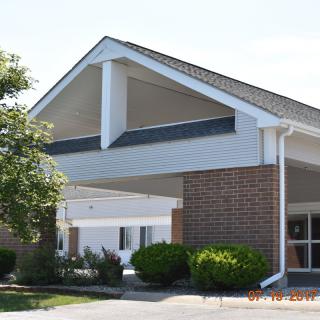
The core advantages of Rockefeller AFC Home align closely with its intimate scale. The private, country home setting supports a calm, homelike daily rhythm that many residents, and the families who care for them, value deeply. Staff appear to be continually engaged in practical, day-to-day support, whether assisting residents directly or handling housekeeping and upkeep, which translates into a visibly clean and orderly environment. The sense that “everyone is family” permeates the atmosphere, with relationships that feel genuine and long-tenured. This creates a stabilizing backdrop where residents can be known personally, rather than as anonymous cases in a larger facility. Those factors can meaningfully offset the absence of a formal medical ecosystem by delivering reliable, compassionate hands-on care and predictable routines.
Where the positives meet potential constraints, the balance tilts toward a practical evaluation of risk and fit. The most obvious constraint is capacity and scope: a private home inherently has fewer residents, which can limit social variety and the breadth of activities. For families prioritizing extensive programming, diverse peer interaction, or robust on-site clinical services, this environment may feel limited. The rural, private-home model can also introduce logistical frictions, transportation to appointments, access to specialized care, and volatility in staff coverage if the home cannot sustain a larger team. Yet each of these is largely mitigated by the strength of the caregiving relationships, the consistent housekeeping standards, and the ongoing, attentive presence of staff who treat residents with dignity and respect.
Prospective families should visit with a concrete checklist: observe daily routines, listen to how staff communicate with residents, and assess whether the pace feels right for the loved one’s needs. Inquire about staff-to-resident ratios, emergency response practices, and how changes in care needs are managed. Ask about meal structure, safety protocols, and how residents participate in decision-making about activities or preferences. Clarify transportation options, community integration, and whether there are planned opportunities for independent moments within a supervised framework. A candid visit will reveal whether the home’s strengths align with the resident’s temperament, medical needs, and family expectations.
Bottom line: Rockefeller AFC Home is a compelling match for families seeking a small, homelike setting where self-sufficient men with mental challenges receive intimate, hands-on caregiving within a warm, family-like culture. The combination of a clean, welcoming environment and a devoted staff can deliver meaningful quality of life that larger institutions sometimes struggle to reproduce. However, for residents requiring intensive medical oversight, extensive memory-care programming, or a larger social ecosystem, more formal alternatives will likely provide better alignment. The decision hinges on balancing the resident’s current care needs and the family’s priorities for atmosphere, familiarity, and caregiver availability. In the right match, this community offers steadiness, kindness, and a compelling sense of belonging that can be difficult to find in bigger settings.
 12 resident community capacity
 Assisted Living
 Board and Care Home
 Cable or satellite TV
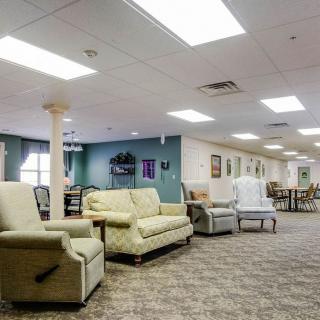
 Dining room
 Fully furnished
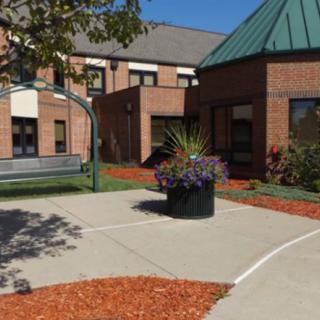
 Garden
 Housekeeping services
 Move-in coordination
 Outdoor space
 Telephone
 Wi-Fi/high-speed internet available
 24-hour supervision
 Activities of daily living assistance
 Assistance with bathing
 Assistance with dressing
 Assistance with transfers
 Diabetes diet
 Meal preparation and service
 Medication management
 Special dietary restrictions
 Transportation arrangement (medical)
 Transportation to doctors appointments


 Understanding the Distinctions: Assisted Living and Memory Care Explained
 Guiding Elderly Parents Who Refuse Assisted Living: 6 Practical Steps
 Your Comprehensive Guide to Luxury Assisted Living: Elevated Facilities, Amenities, and Costs