

5750 Sheridan Road, Unionville, MI 48767
For more information about senior living options: (866) 208-4318
Overall Review of Vadavilla Afc Home
Pros
 The facility is a good place to be for older adults who need care.
Cons
 The establishment is very poorly run.
- The management is terrible.
- There is a reason they are always hiring.
- The reviewer would not trust their own family there.
Review
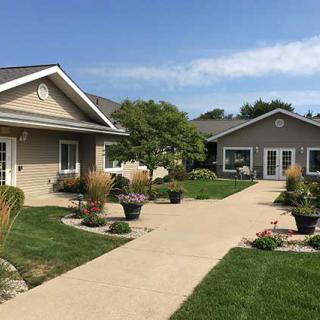
Vadavilla AFC Home in Unionville, Michigan is best suited for seniors who want a small, homey environment where personal attention feels closer to family than to a large facility. It works well for aging adults who don’t require advanced medical interventions but do need help with daily activities, meals, and companionship. The setting favors a non-institutional vibe, where routines feel familiar and staff interactions can be more informal and approachable. For families prioritizing warmth, accessibility, and straightforward support over clinical polish and campus-scale services, this community represents a practical, down-to-earth choice.
The strongest, recurring positives center on the sense that residents are cared for in a comfortable, home-like environment. Reviewers consistently describe a place that can function effectively as a stepping stone for aging in place, with daily routines tended to and a focus on basic needs being met. The intimate scale often translates into easier access to help with dressing, bathing, meals, and social interaction, which many families value when a loved one wants regular human contact and predictable days. In short, for seniors who value companionship and a straightforward care plan, Vadavilla offers a dependable, low-key home setting.
Yet the story is not without a sharp caveat. The most glaring drawback cited is management quality: “very poorly run” and “terrible management” are strong terms that recur in the feedback. The implication is persistent staffing instability and turnover, which raises questions about continuity of care, policy consistency, and reliable communication. Those concerns hint at potential gaps in organization, accountability, and the ability to respond swiftly to problems. For families that require steady leadership, transparent processes, and predictable procedures, this is a signal to scrutinize the administrative framework closely before committing.
How the positives stack up against the negatives depends on the family’s tolerance for risk and their capacity to supervise care at the ground level. In a small, intimate setting, attentive staff can still deliver meaningful daily support even when management is imperfect, provided daily care remains consistent, caregivers are genuinely compassionate, and there is an effective line of day-to-day oversight. If the owner or manager is accessible and staff operate under reasonably stable routines, families may find that the warmth and immediacy compensate for broader organizational flaws. However, if management malaise bleeds into scheduling, care planning, or escalation of concerns, the drawbacks are likely to overwhelm the benefits.
Prospective residents who need strong professional nursing oversight, complex medication management, or highly structured memory-care services should seriously consider alternatives. Larger assisted living communities or licensed facilities with documented governance, formal complaint channels, and reliable staffing models generally provide greater predictability and safer escalation paths. For families weighing options, even smaller homes deserve evaluation against a clearly defined service package: staffing ratios, shift coverage, on-call medical support, emergency procedures, and what happens when a caregiver is unavailable. Hybrid arrangements, such as engaging home health aides in conjunction with a licensed AFC setting, may offer a balance, but require careful coordination.
For those who decide to move forward with Vadavilla, a disciplined, fact-based due-diligence plan is essential. Schedule a thorough tour and observe caregiver interactions with residents, then ask for current staffing schedules, turnover rates, and who is responsible for day-to-day supervision. Request copies of licensing and inspection results, and review the resident agreement for service scopes, fee structures, and termination terms. Speak with current residents’ families if possible to gauge consistency of care and responsiveness to concerns. Establish a clear point of contact for airing issues and a schedule for regular updates on any care changes. When approached with clear expectations, this community can deliver a welcome, home-like living experience for the right resident; when leadership clarity is lacking, the same factors can erode trust and stability in short order.
 15 resident community capacity
 Assisted Living
 Board and Care Home
 Activities on-site
 Cable or satellite TV
 Devotional services off-site
 Dining room
 Fully furnished
 Garden
 Housekeeping services
 Indoor common areas
 Move-in coordination
 Outdoor space
 Telephone
 Wi-Fi/high-speed internet available
 24-hour supervision
 Ambulatory care
 Assistance with bathing
 Assistance with dressing
 Assistance with transfers
 Diabetes diet
 Diabetic care
 Meal preparation and service
 Medication management
 Special dietary restrictions
 Transportation arrangement (medical)
 Transportation to doctors appointments




 Comprehensive Insights into Activities of Daily Living (ADLs) and Their Assessment
 Medicare Coverage for Assisted Living: An In-Depth Exploration
 Choosing the Right Senior Care: A Detailed Exploration of Assisted Living and Nursing Homes