
1315 South Seventh, Ann Arbor, MI 48103
For more information about senior living options: (866) 208-4318
Overall Review of Synod House
Pros
 The facility is a very loving and kind place blessed by its parishioners.
- The new pastor is down-to-earth and approachable.
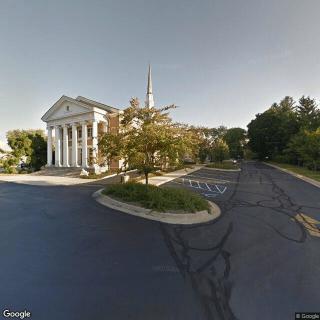
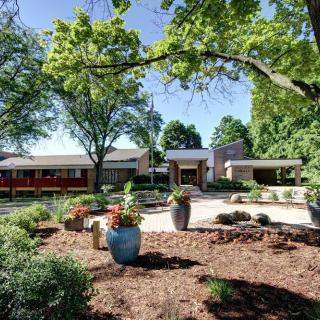
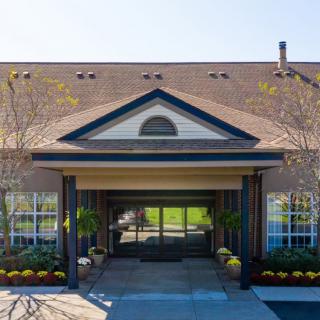
- The church is beautiful and its gardens are inviting.
- The church is very accommodating for AA meetings.
- Parking for game days is convenient, and contributions support the church.
- The hospitality shown by the church is warm and welcoming.
- It is a small church with a big heart that welcomes everyone and supports a strong youth program.
- The church hosts family-friendly events like an Easter egg hunt and is kid-friendly.
- The community is loving and fully accepting of all people.
- It hosts one of the best AA meetings in Ann Arbor.
Cons
 The parking lot is difficult to drive.
Review
Synod House in Ann Arbor is best suited for seniors who want a faith-centered, socially active living environment anchored by a welcoming congregation. It fits elders who value regular worship, spiritual companionship, and informal, volunteer-driven support from a community that prioritizes inclusivity and service. The setting offers a dignified, garden-filled ambiance, approachable leadership, and flexible scheduling for visits, meetings, and events, making it a compelling anchor for someone seeking belonging and purpose beyond traditional at-home living. Those who rely on ongoing medical oversight, extensive daily living assistance, or memory care would be placing too much expectation on a faith-based space that is not described as a full-service senior residence.
The standout strengths lie in the warmth and intentional hospitality of the community. A small church with a big heart, it benefits from a pastor who is described as down-to-earth and approachable, fostering open dialogue and trust. The culture is explicitly welcoming to diverse groups, including LGBT individuals, and the church emphasizes mission, service, and community engagement. The grounds, beautiful church and gardens, offer a serene backdrop for reflection or casual strolls, enhancing daily life with a sense of calm and beauty. Regular, real-world social touchpoints like AA meetings and family-oriented events (egg hunts, community gatherings) help mitigate isolation and create a sense of ongoing belonging.
Yet there are clear limitations to consider. The environment reads as a church hub rather than a dedicated assisted living facility, with little emphasis in the material on formal caregiving infrastructure such as nursing oversight, medication management, or on-site meals. Parking logistics can be awkward for those with mobility concerns, particularly during busy events, and the overall footprint is oriented toward worship and community programming rather than daily living support. For families seeking guaranteed caregiving services or memory care, these factors suggest the need to pair the church community with external care arrangements rather than rely on on-site professional care.
The positives offset many potential downsides for the right resident by delivering social liquidity, spiritual continuity, and emotional nourishment. The inclusive, welcoming culture reduces social barriers and invites regular participation in service, study, and social activities, which can preserve cognitive engagement and reduce isolation. An approachable pastoral presence and flexible scheduling can accommodate varied routines and family involvement, making it easier to coordinate visits, prayer, or participation in church-led programs. The combination of meaningful relationships, purposeful activity, and a supportive faith community can meaningfully enhance quality of life for seniors who value meaning and connection over formal care on site.
Families weighing options should be clear on when alternatives are prudent. If daily living assistance is essential, such as help with dressing, bathing, medication administration, or 24/7 monitoring, traditional assisted living or memory-care communities remain the more appropriate choice. Synod House may serve best as a supplementary living arrangement, a social and spiritual anchor, or a respite-like option during transitions, rather than as a stand-alone care residence. Prospective residents should inquire about partnerships with local home-health agencies, visiting caregivers, and opportunities to integrate faith-based support with formal care plans to ensure a seamless continuum of care.
In the final assessment, Synod House offers a compelling value proposition for seniors who prioritize faith, community, and social engagement within a welcoming, inclusive church setting. It provides meaningful purpose, companionship, and spiritual routines that can enrich daily life and reduce isolation. However, it is not a substitute for structured senior care, medical oversight, or memory support. The decision hinges on whether the resident’s needs align with a vibrant church-based community that can complement, rather than replace, formal caregiving arrangements. For families comfortable with that alignment, Synod House stands out as a practical, purpose-driven choice that honors both spiritual life and social connectedness.
 6 resident community capacity
 Assisted Living
 Board and Care Home
 Cable or satellite TV
 Dining room
 Fully furnished
 Garden
 Housekeeping services
 Move-in coordination
 Outdoor space
 Telephone
 Wi-Fi/high-speed internet available
 Detroit Metropolitan-Wayne County (21 miles away)
 24-hour supervision
 Activities of daily living assistance
 Assistance with bathing
 Assistance with dressing
 Assistance with transfers
 Diabetes diet
 Meal preparation and service
 Medication management
 Special dietary restrictions
 Transportation arrangement (medical)
 Transportation to doctors appointments



 Beyond the Bingo Hall: 50+ Enriching Activities for Seniors in Assisted Living
 Understanding the Distinctions: Assisted Living and Memory Care Explained
 Guiding Elderly Parents Who Refuse Assisted Living: 6 Practical Steps