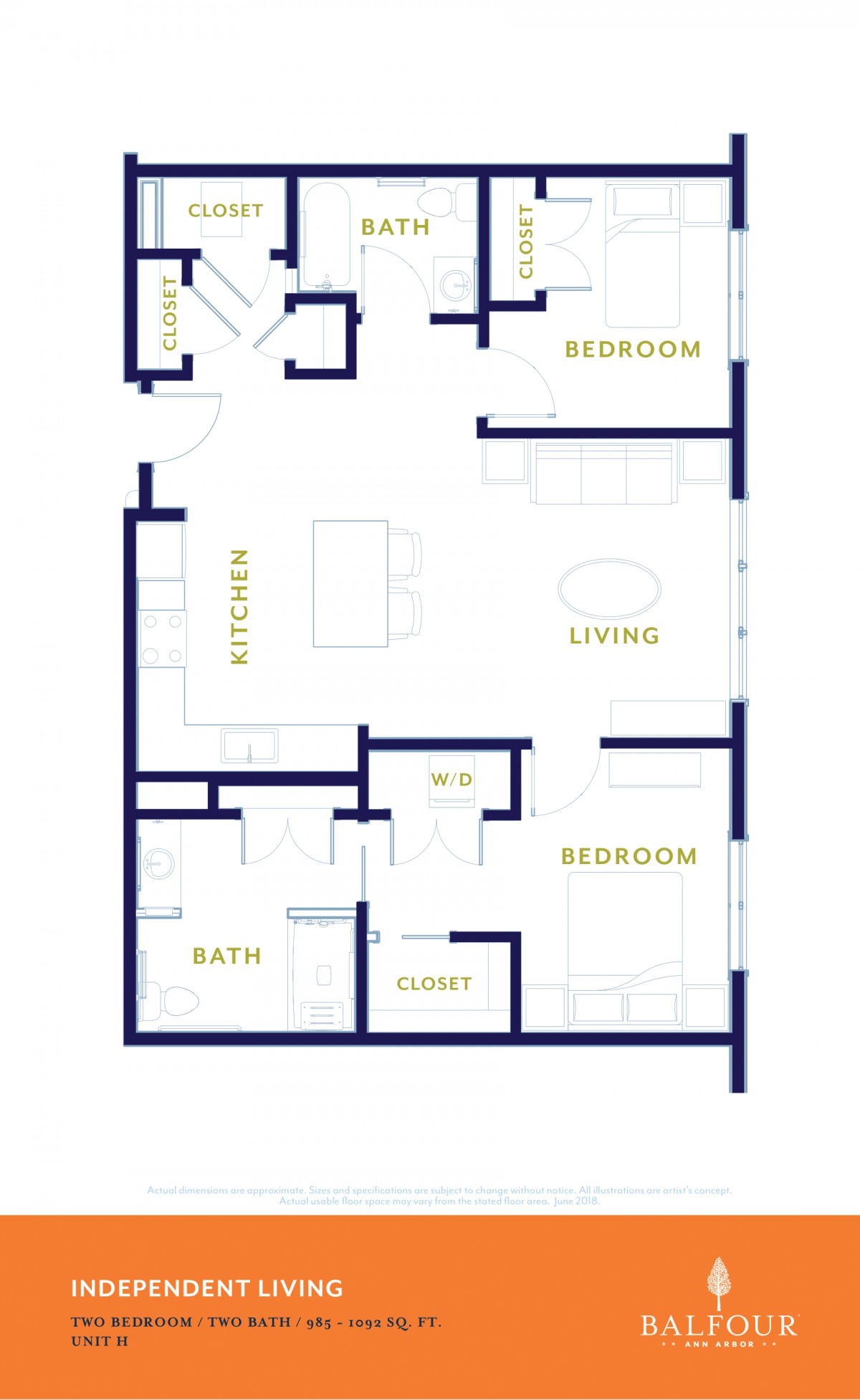
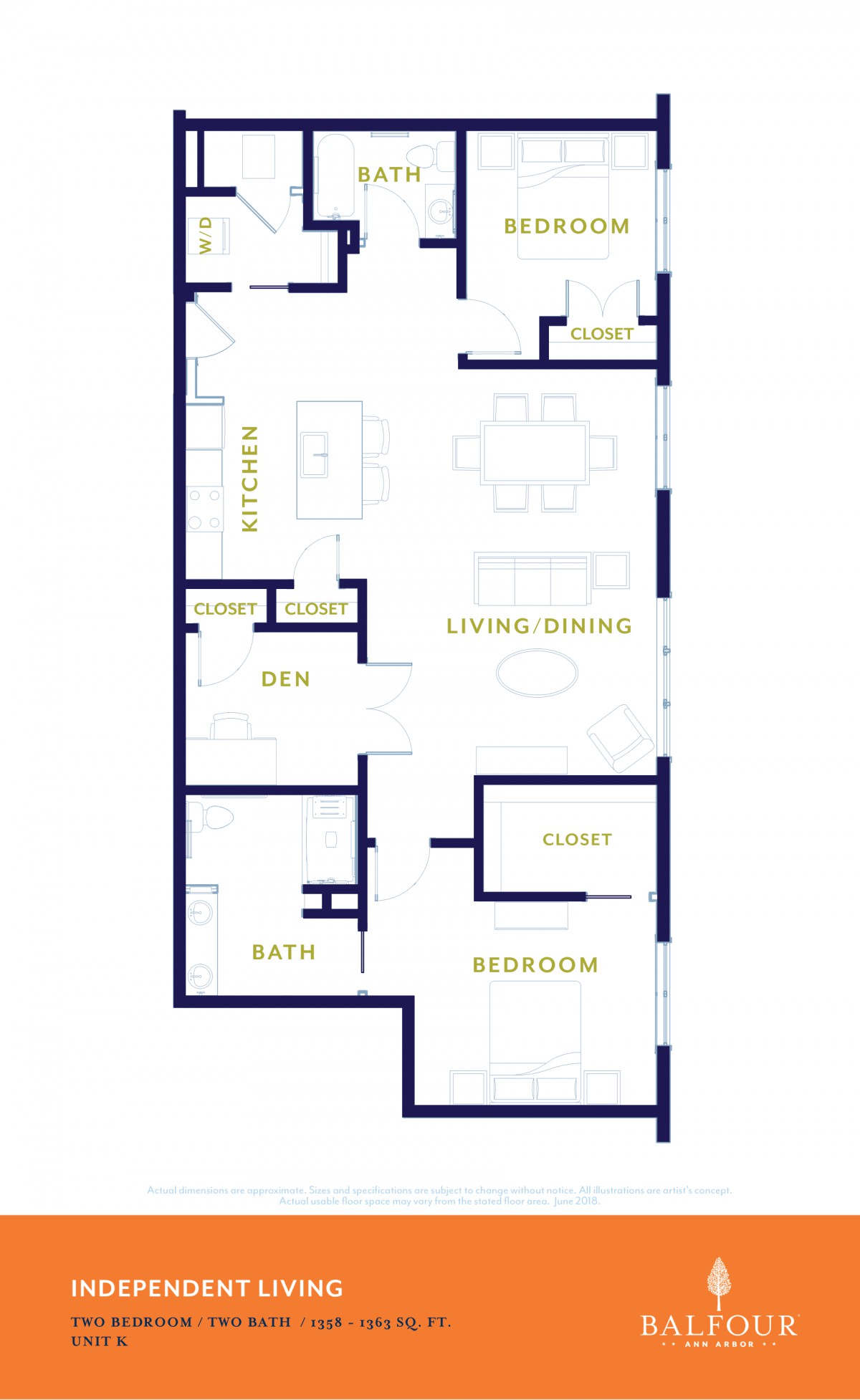
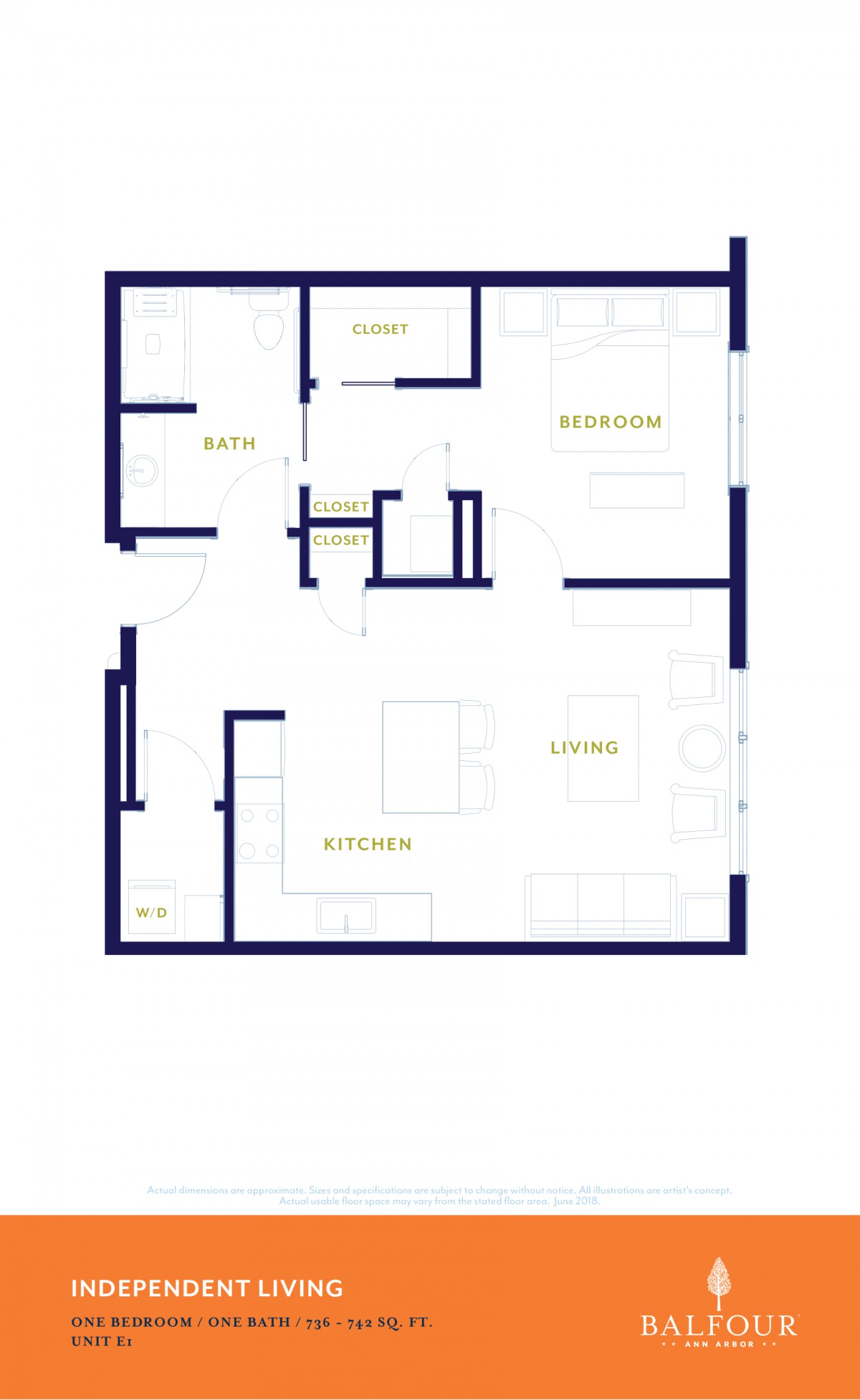
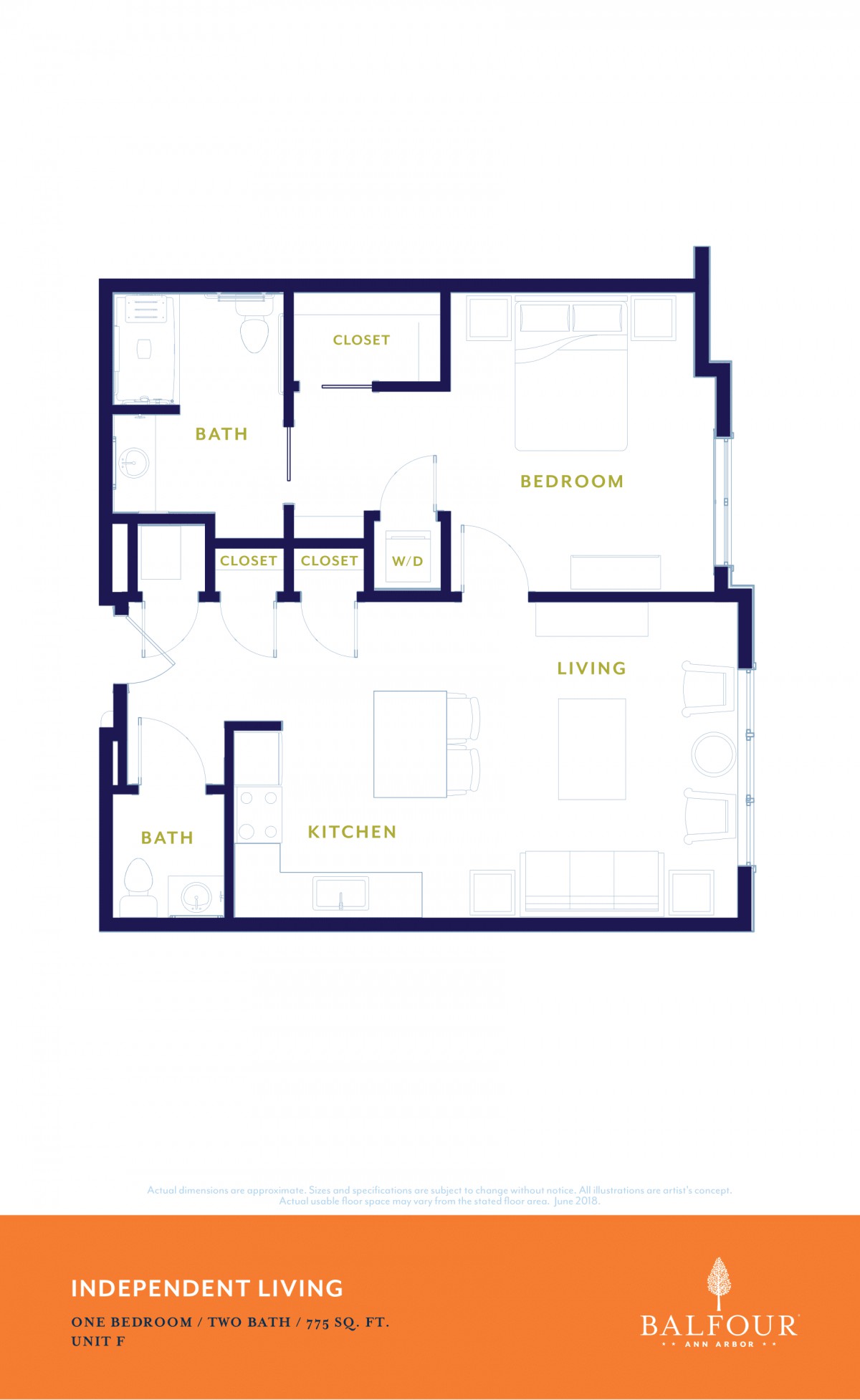
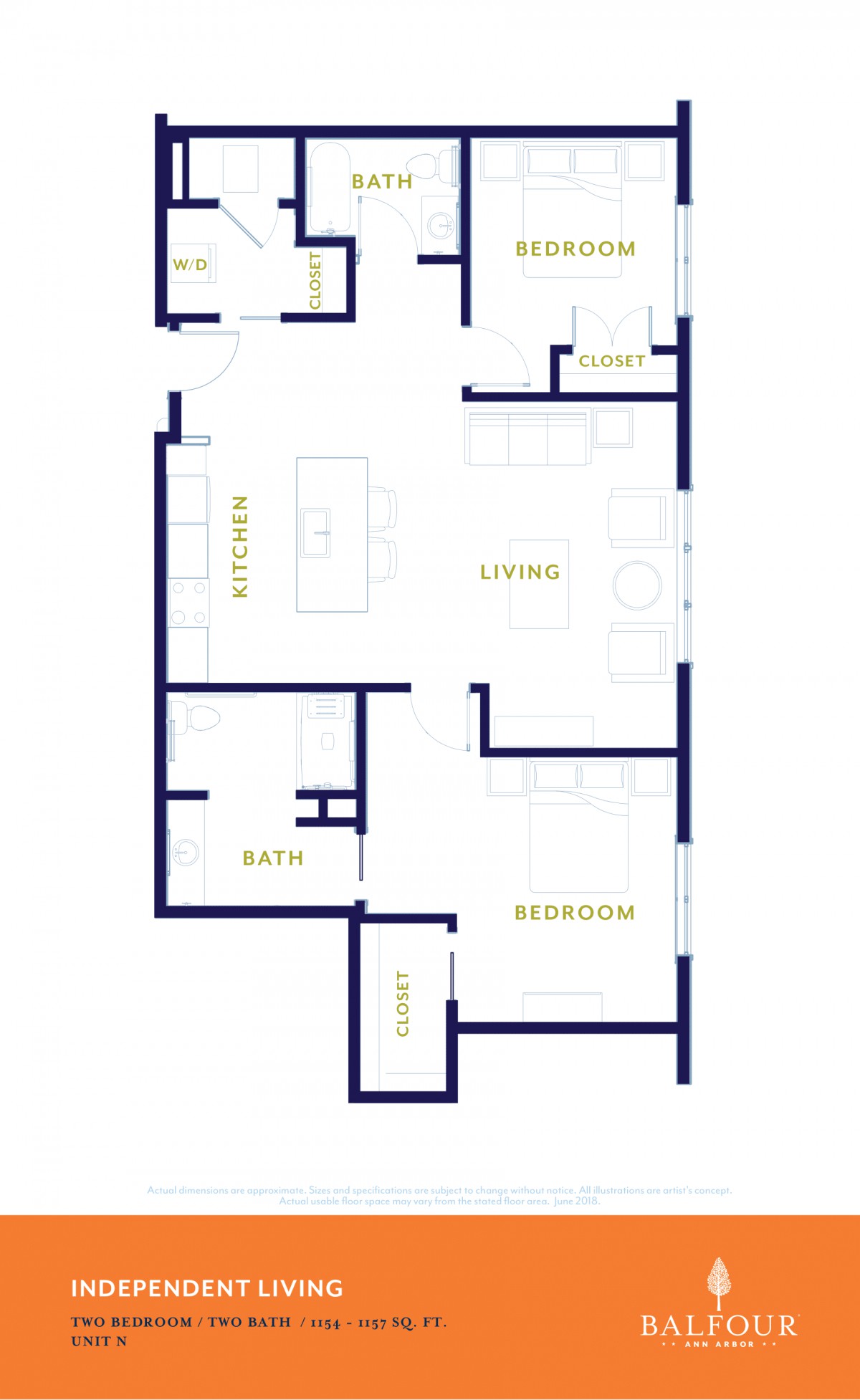
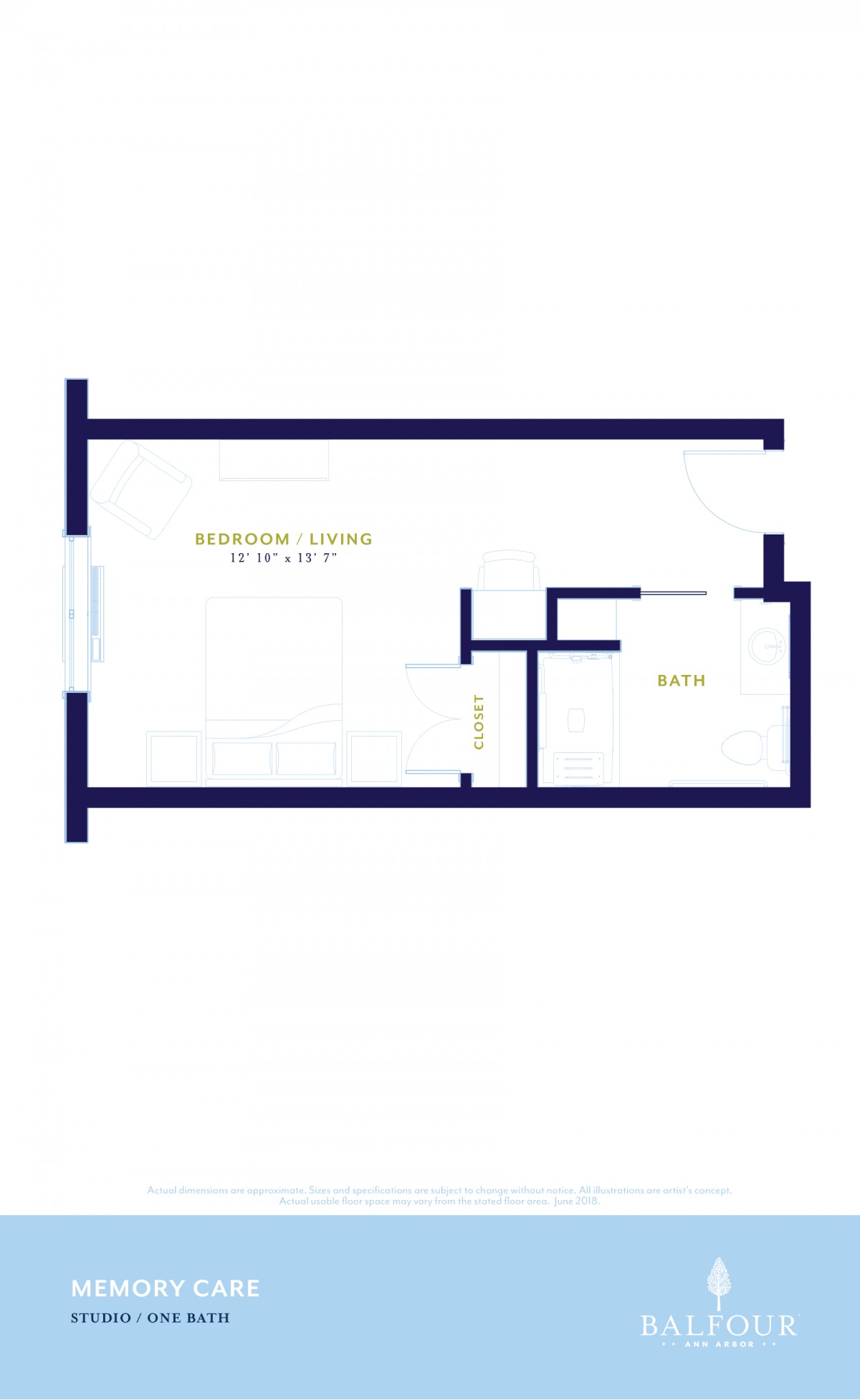
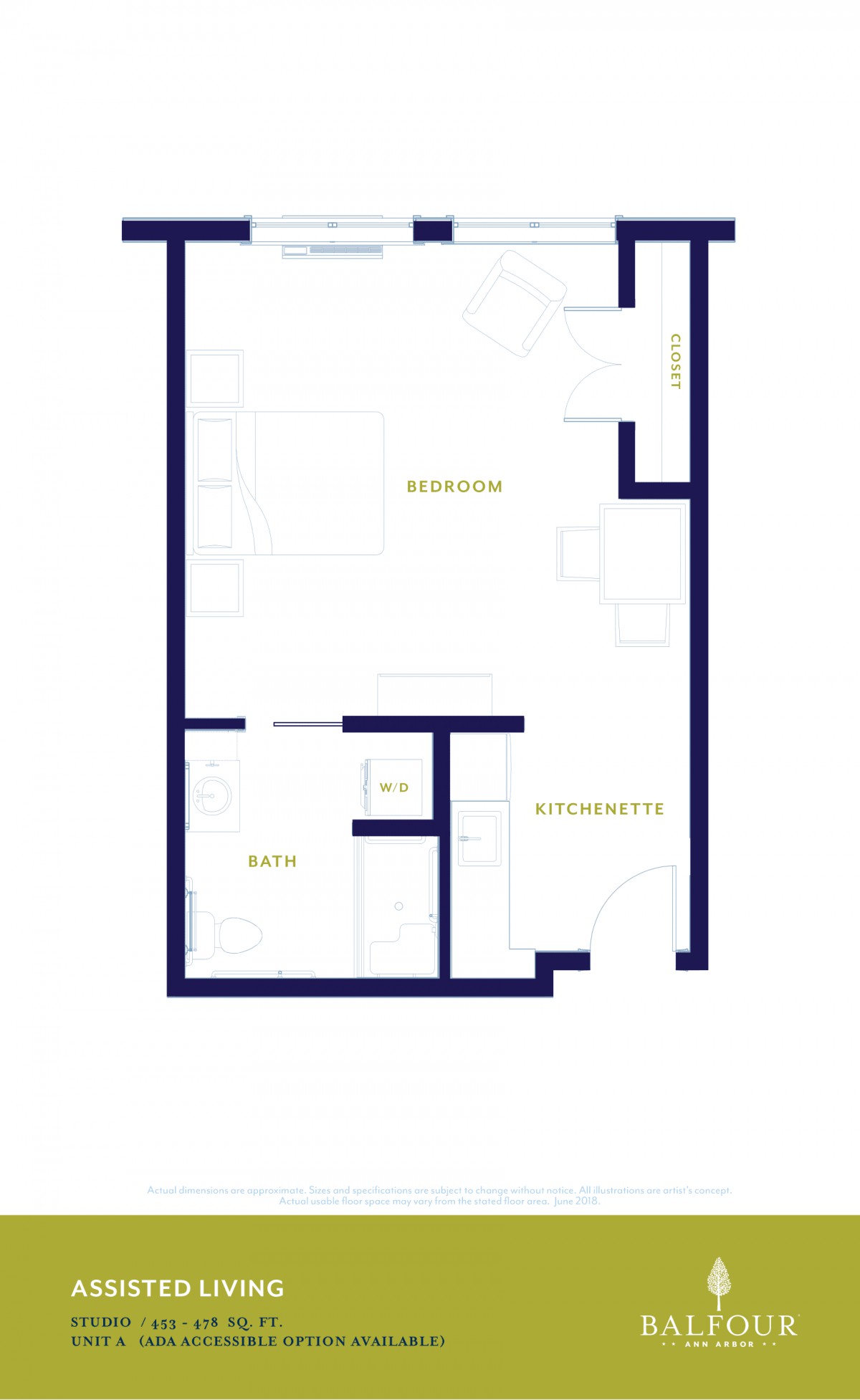
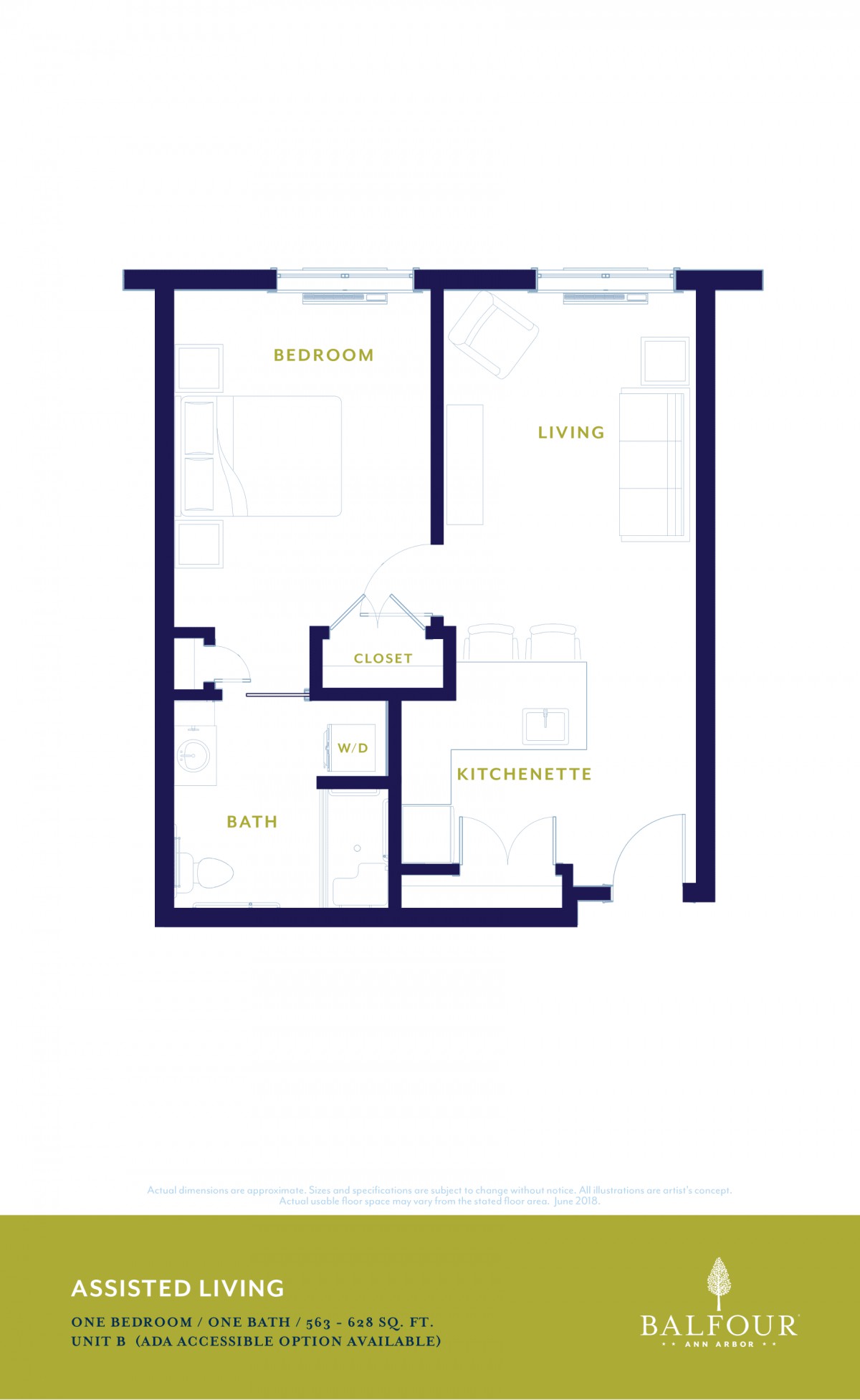
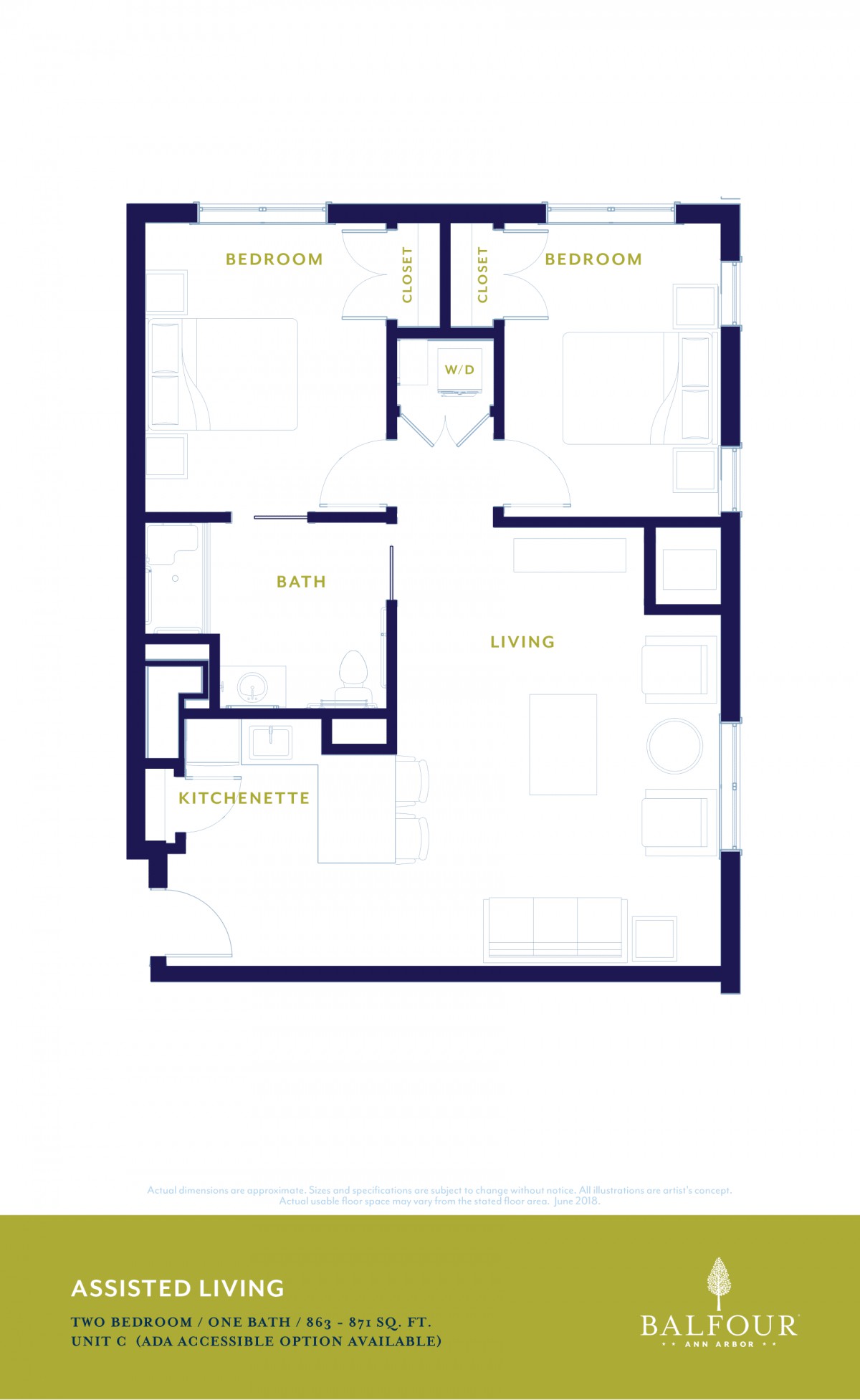
Balfour Ann Arbor offers a range of premium living options that reflect its commitment to quality and service, with pricing structured to accommodate various preferences. For instance, a one-bedroom apartment at Balfour is priced at $4,500 per month, which is notably higher than both the Washtenaw County average of $3,868 and the state average of $3,384. Similarly, the studio units are positioned at $6,800, significantly surpassing local ($4,158) and statewide ($3,824) costs. The two-bedroom apartments are also indicative of this trend, with a price tag of $7,400 compared to Washtenaw County's average of $4,984 and Michigan's average of $3,523. These figures suggest that while Balfour Ann Arbor commands a premium in the market, it likely compensates with superior amenities and services tailored for residents seeking an elevated lifestyle experience.
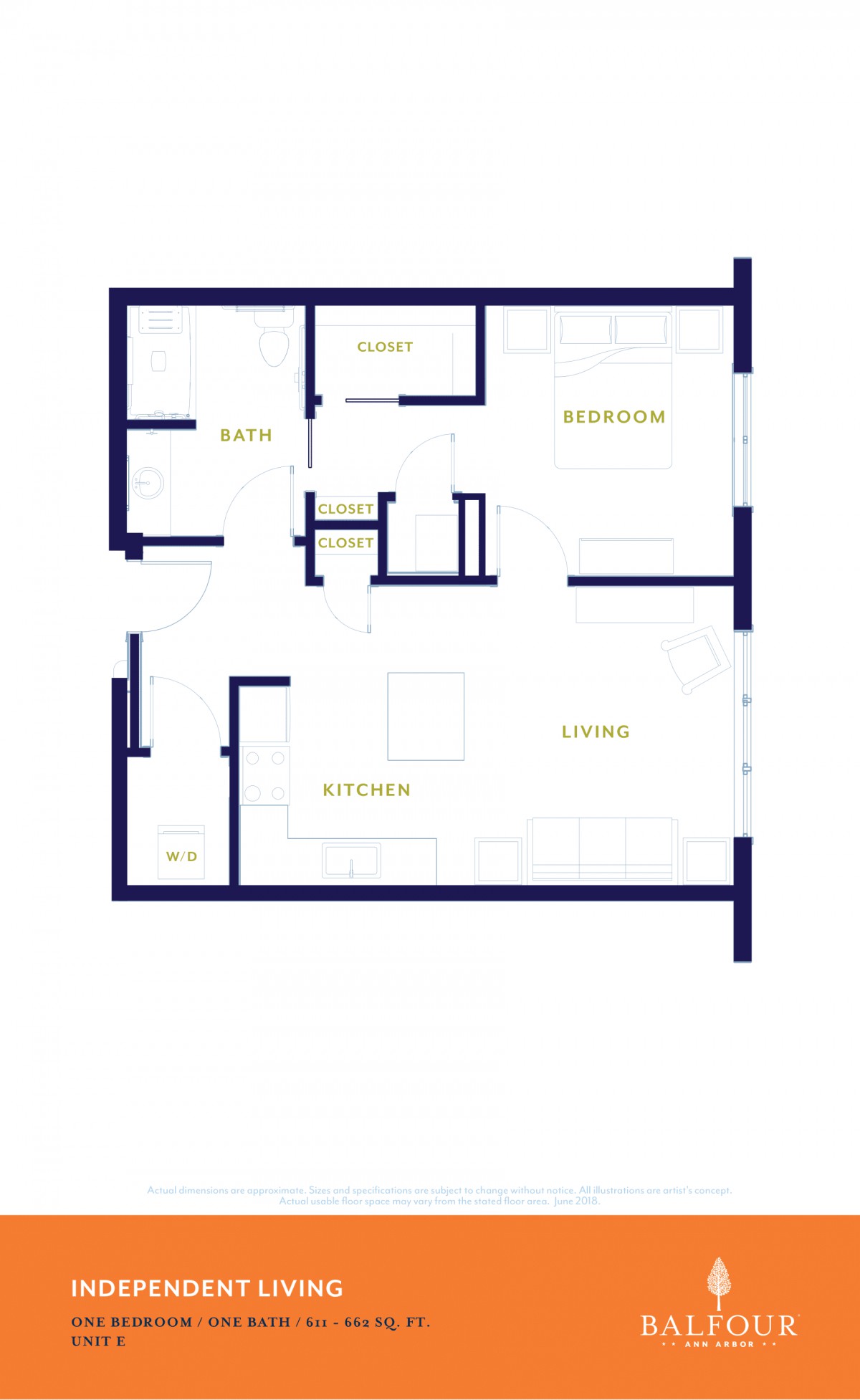
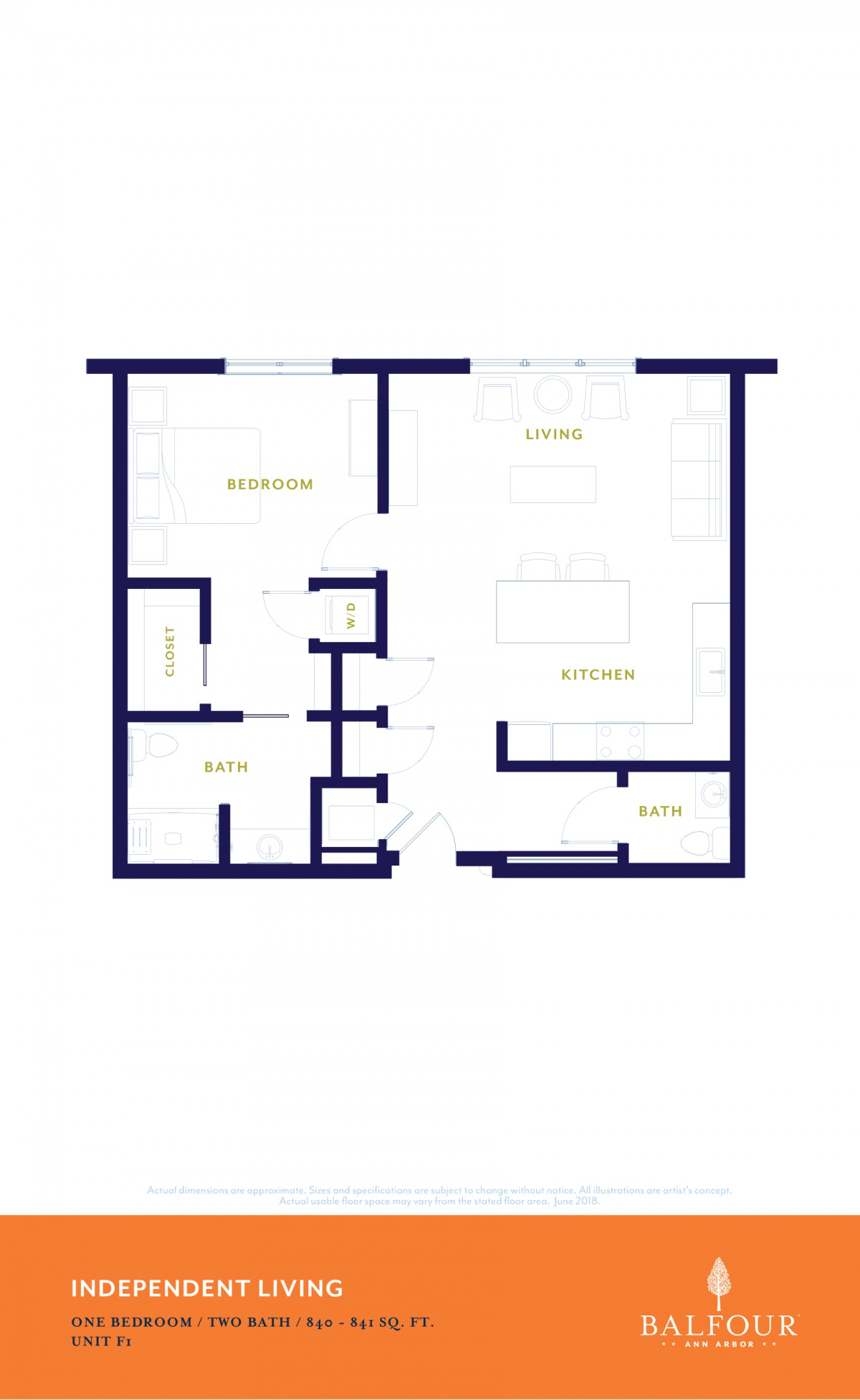
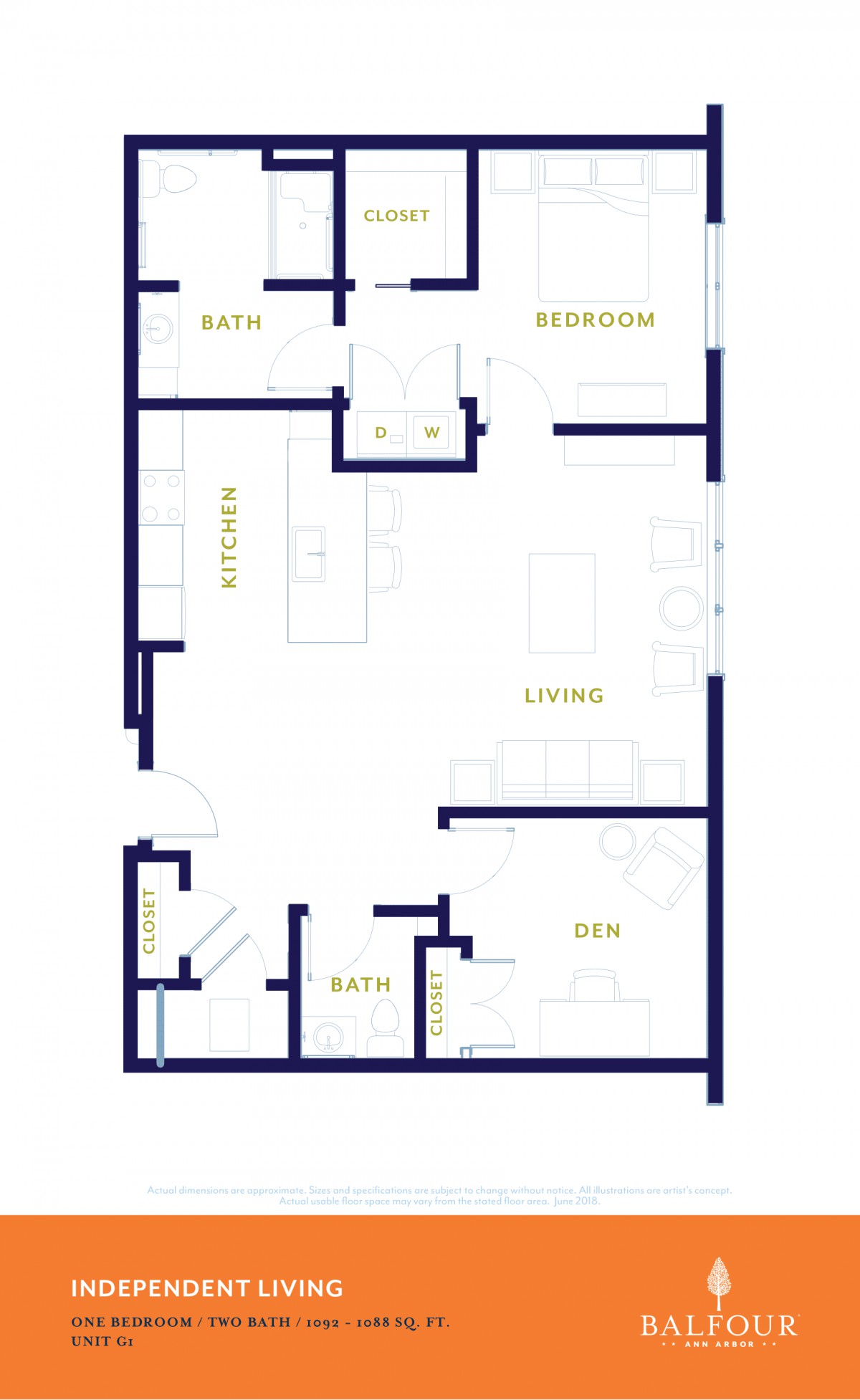
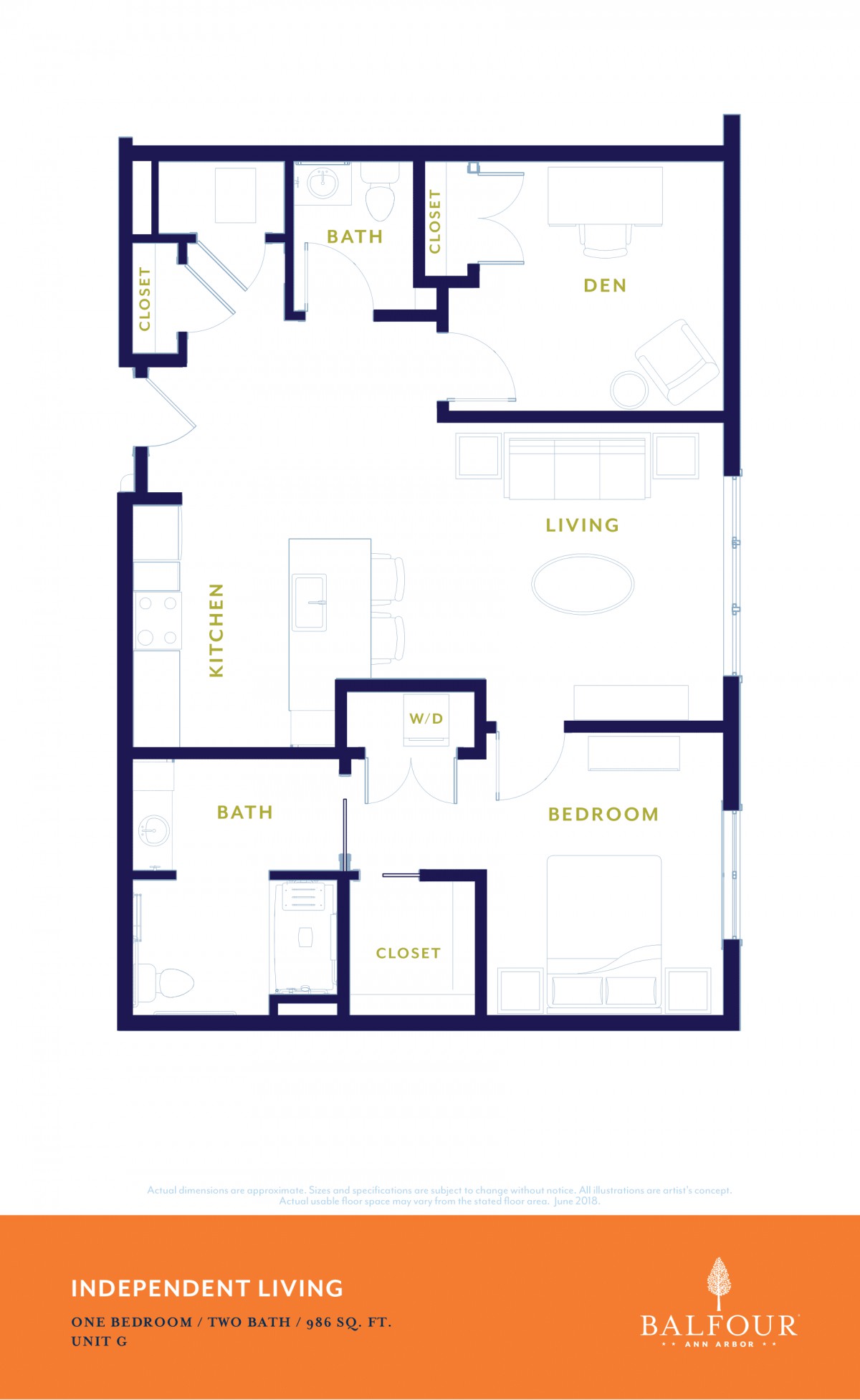
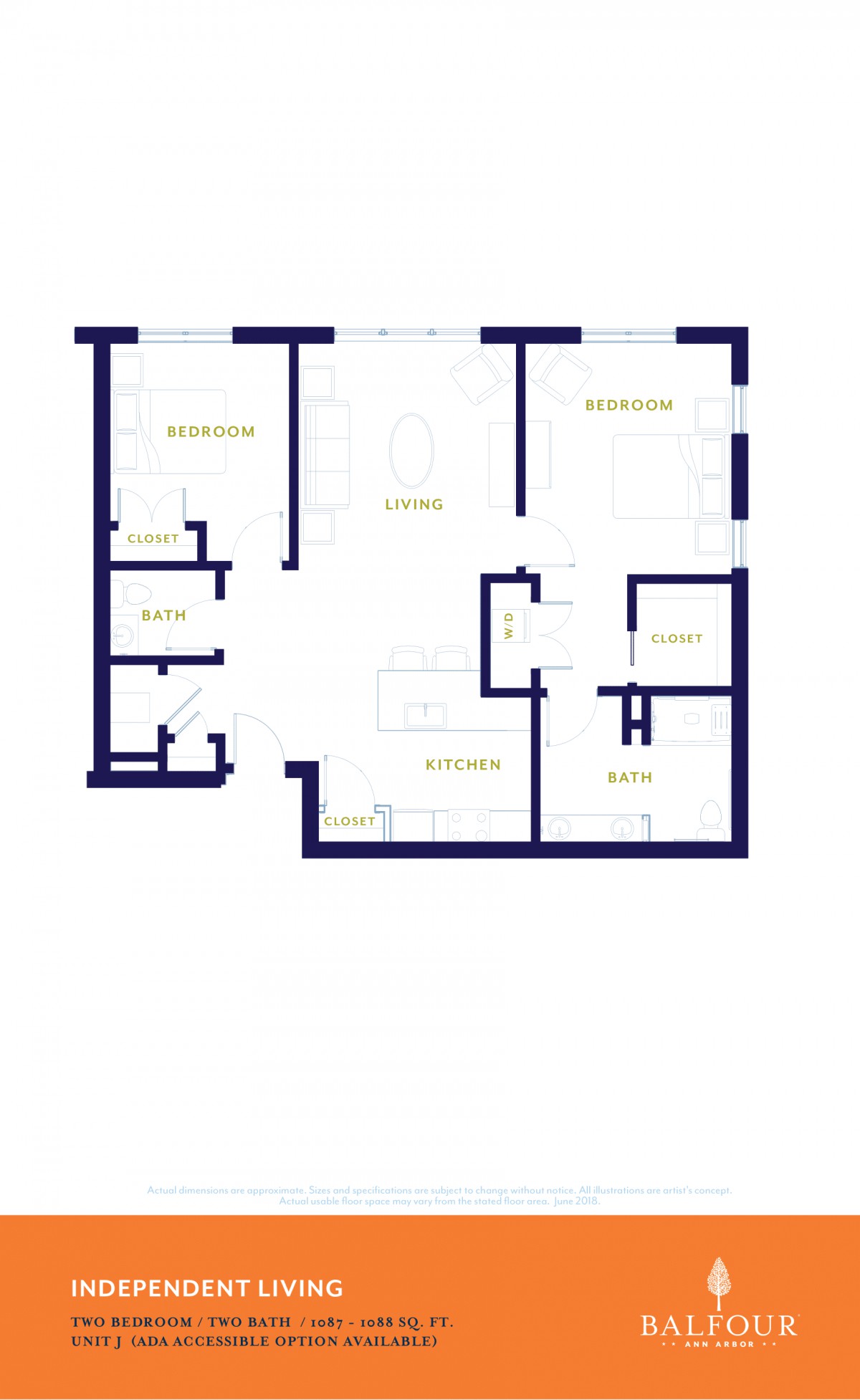
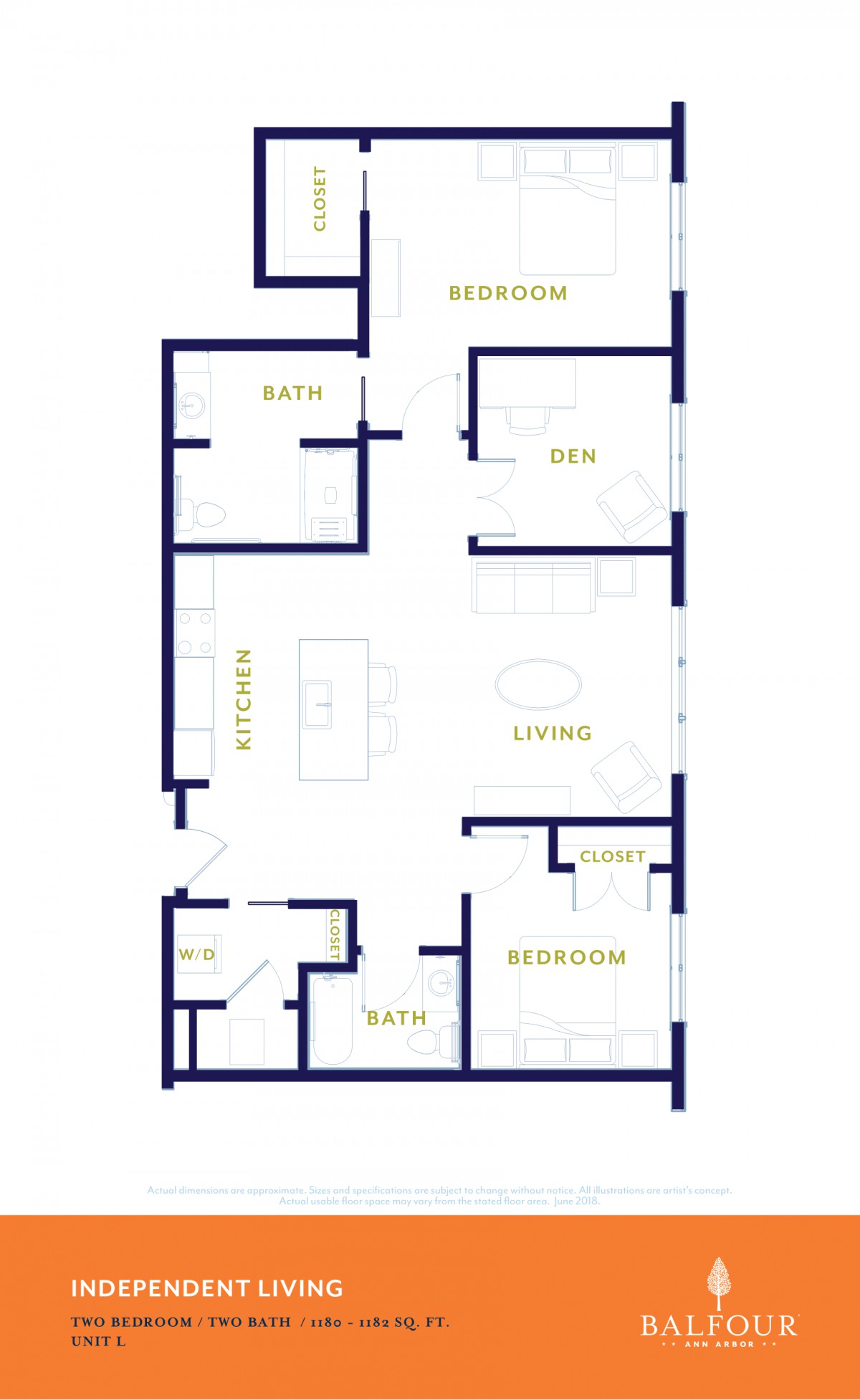
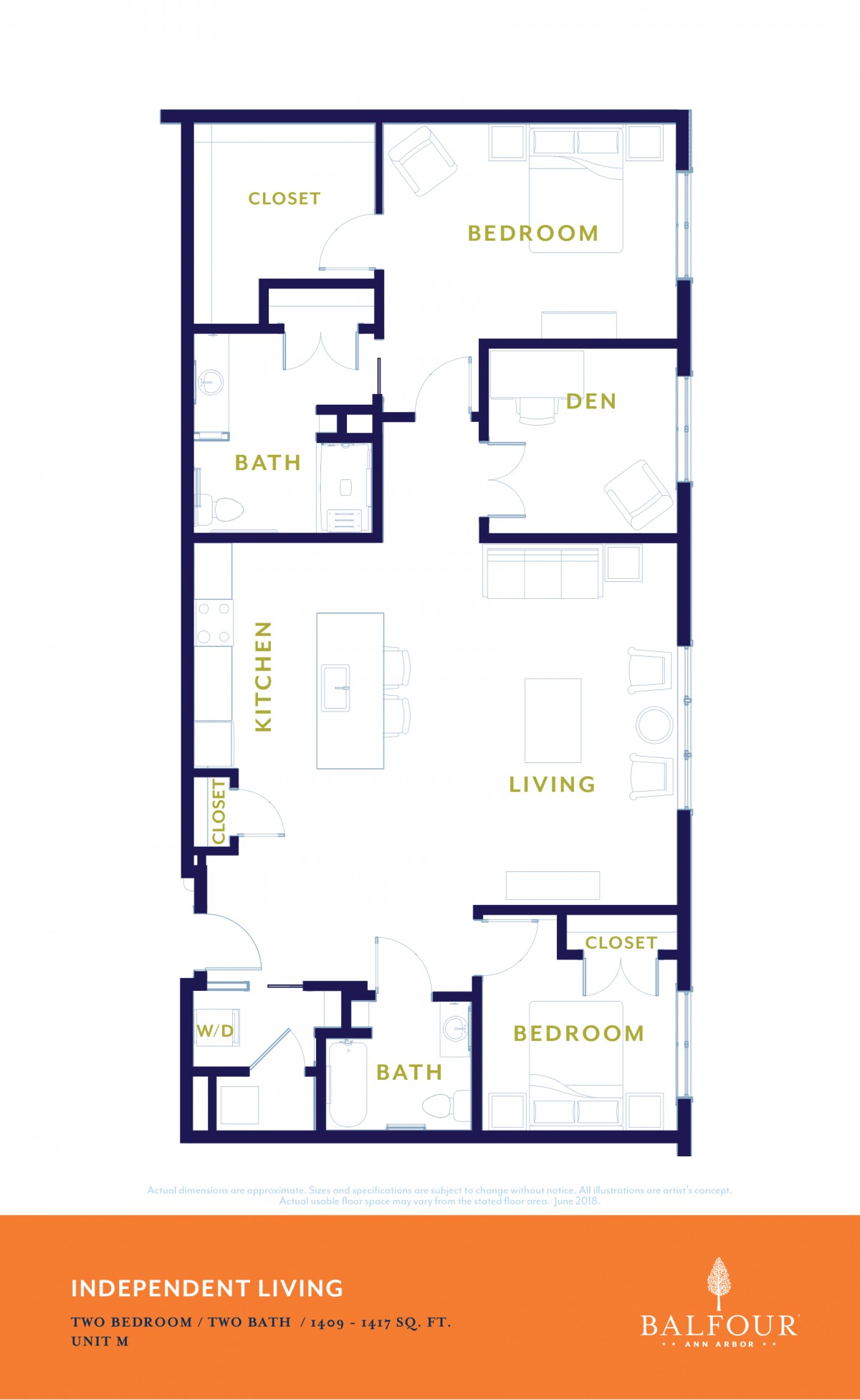
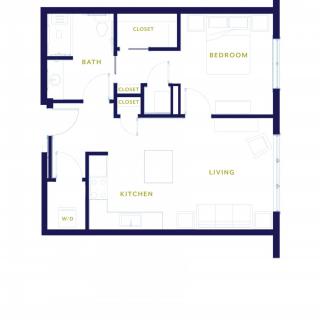
Floor plans
Balfour Ann Arbor
Washtenaw County
Michigan
1 Bedroom
$4,500
$3,868
$3,384
Studio
$6,800
$4,158
$3,824
2 Bedrooms
$7,400
$4,984
$3,523
Memory care communities with a similar price nearby
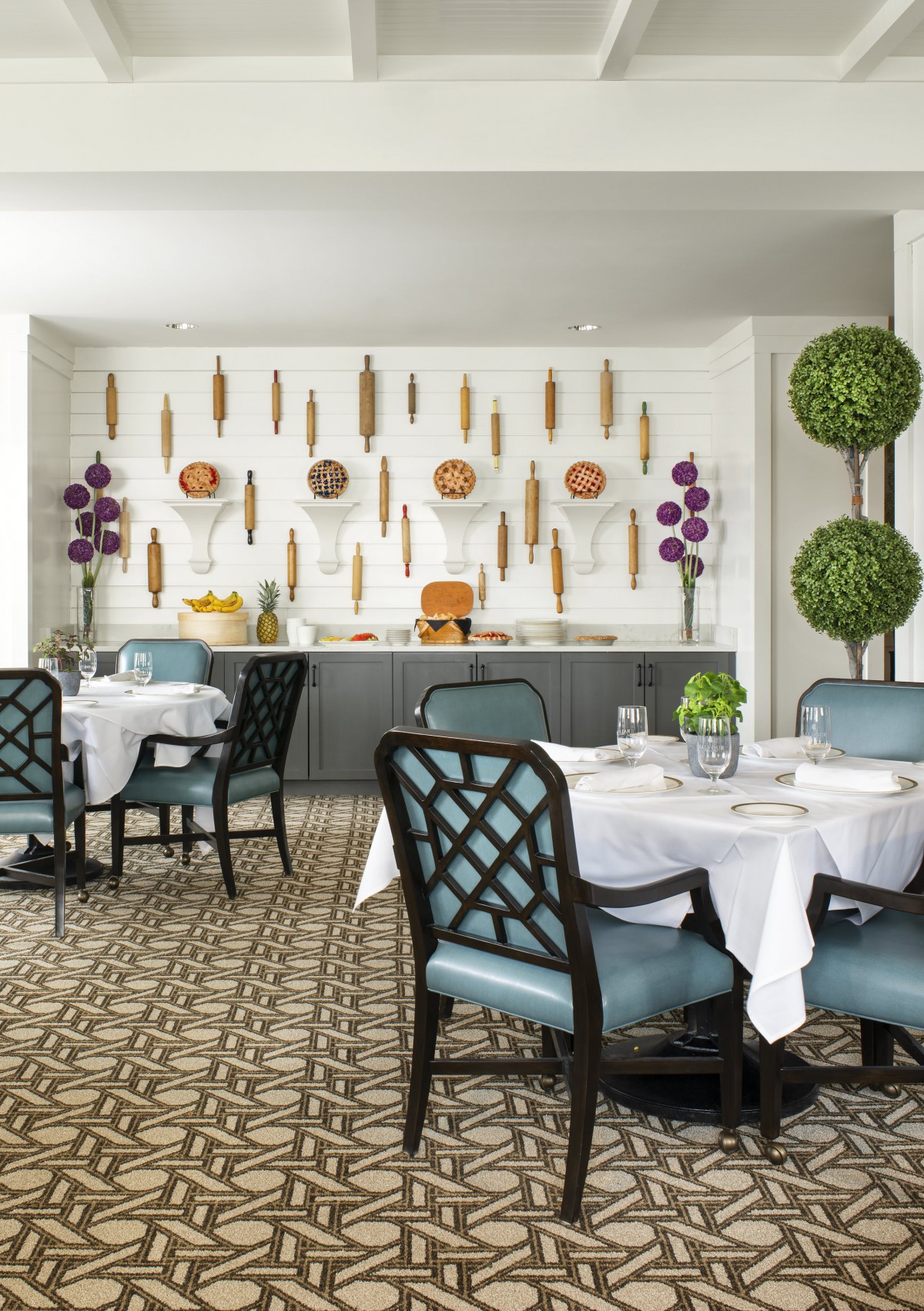
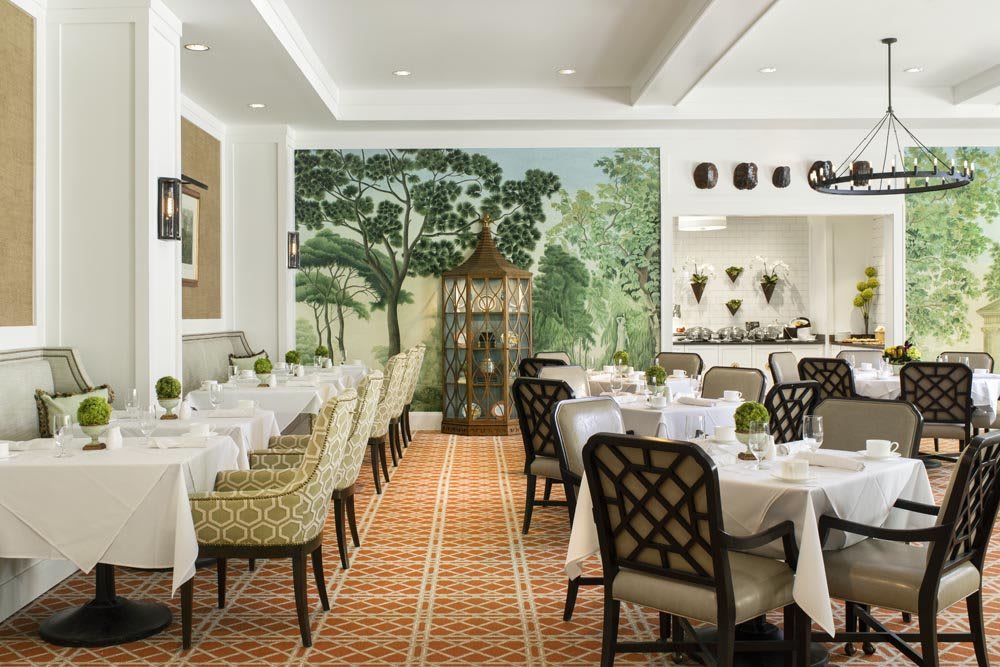
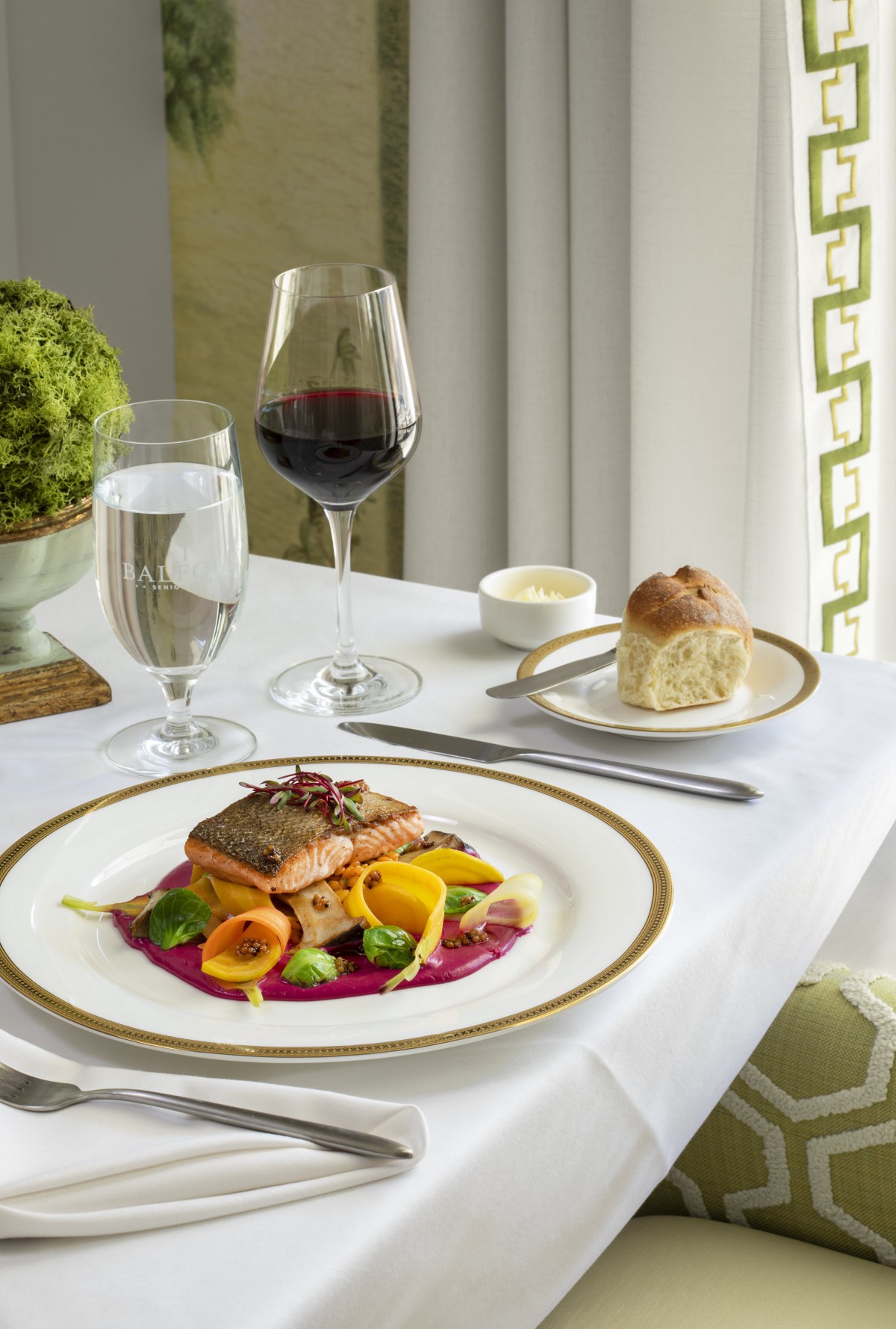
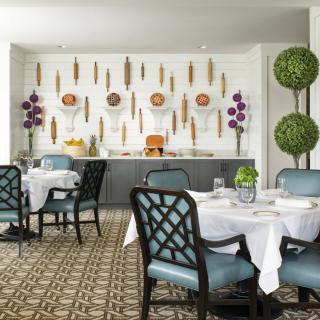
Dining is repeatedly described as exceptional and restaurant-style.
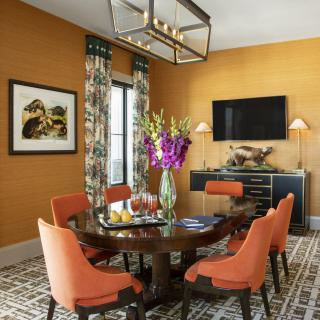
Multiple reviews single out the food as a major strength, with residents and families describing meals as delicious, gourmet, and more impressive than what they expected. Several also reference how meals are served and handled, including options for different dietary needs and staff involvement around meals. Residents mention enjoying the dining room experience enough to bring guests, and at least one review highlights breakfast being delivered to rooms in assisted living.
common49 reviews mention this
Care teams feel attentive
Residents and families describe the care team as attentive and respectful.
Across reviews, families describe the staff as caring, respectful, and responsive, with communication called out as an important part of the experience. Several mention day-to-day interactions with front desk, nursing, and caregivers, describing frequent warmth and follow-through. Reviews also describe support during care transitions, including moving into memory care when needed, and point to staff keeping families informed about concerns as they come up.
common14 reviews mention this
Activities keep life full
Residents consistently describe varied activities and engagement.
Residents and families describe a steady mix of programming that supports social time, entertainment, and enrichment. Reviews cite examples like happy hours with music, karaoke, and outings, and some highlight making friends and having a full schedule of activities. The community also offers a range of structured activities and learning opportunities, including life-long learning programming and cooking and art classes.
differentiator24 reviews mention this
Facilities and cleanliness impressed
The building experience stands out for its upkeep and comfort.
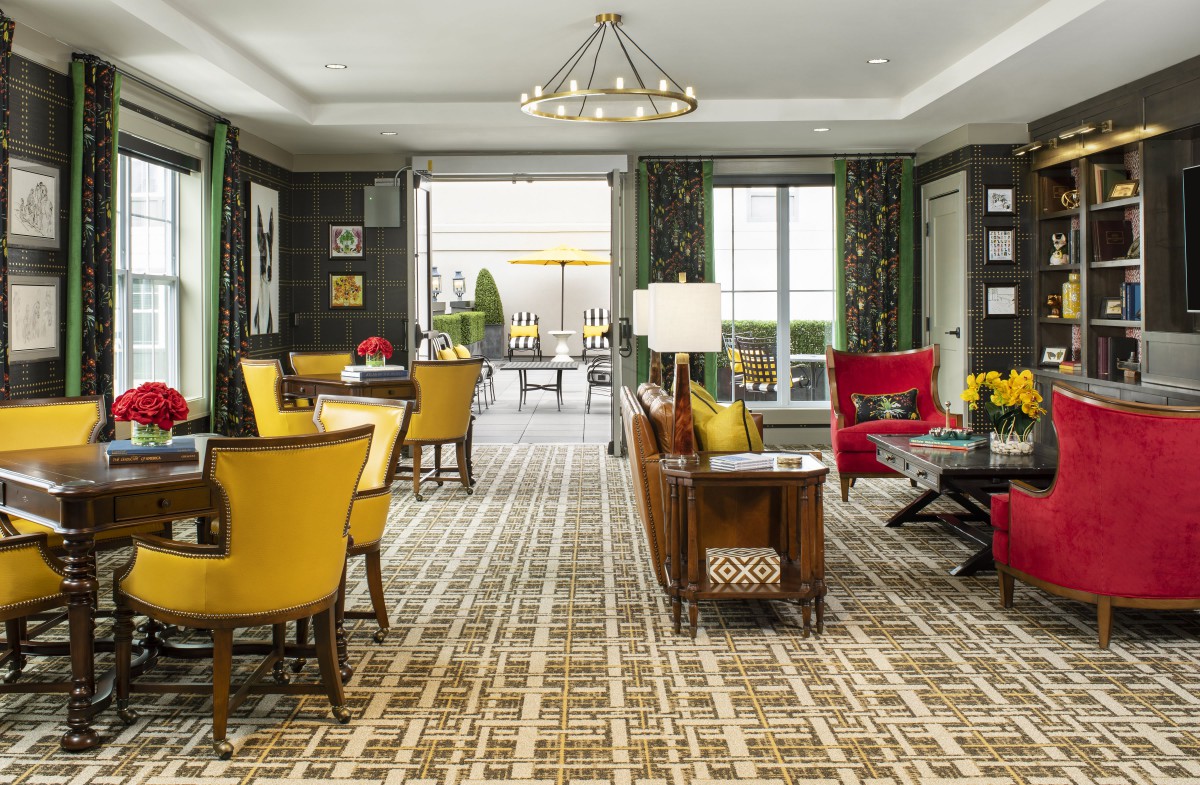
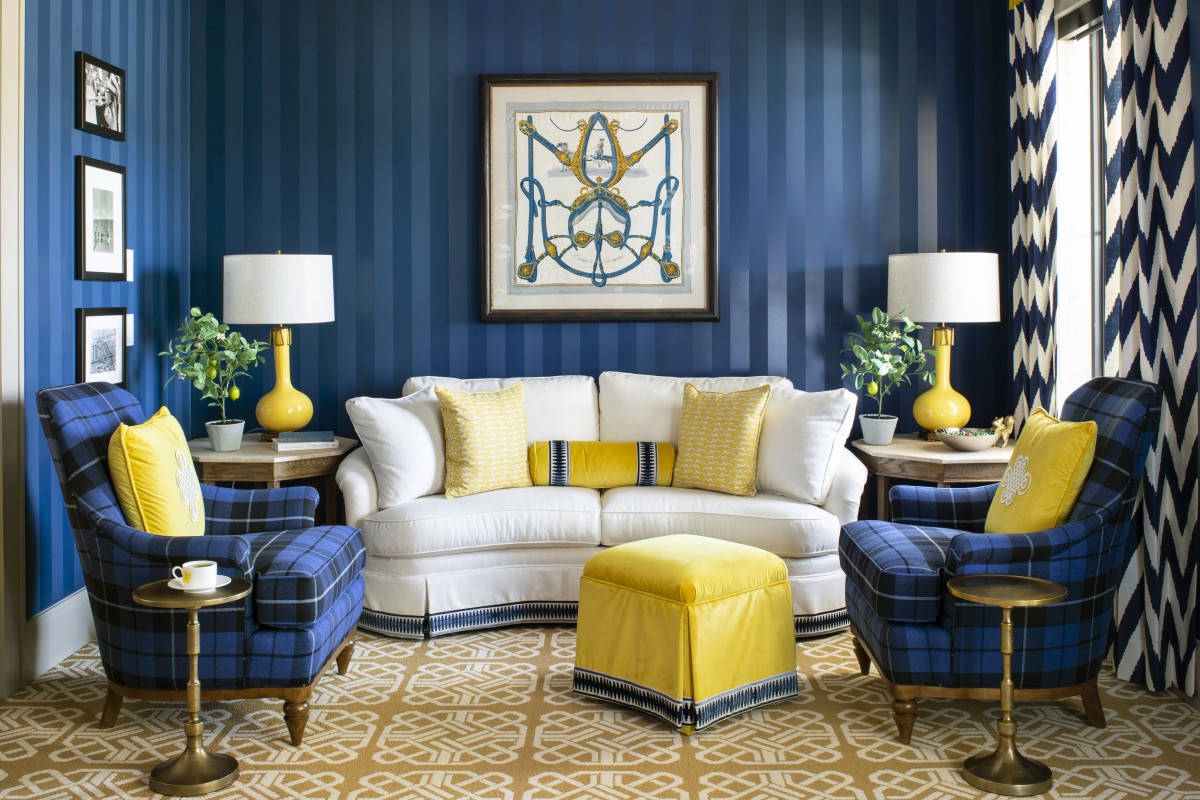
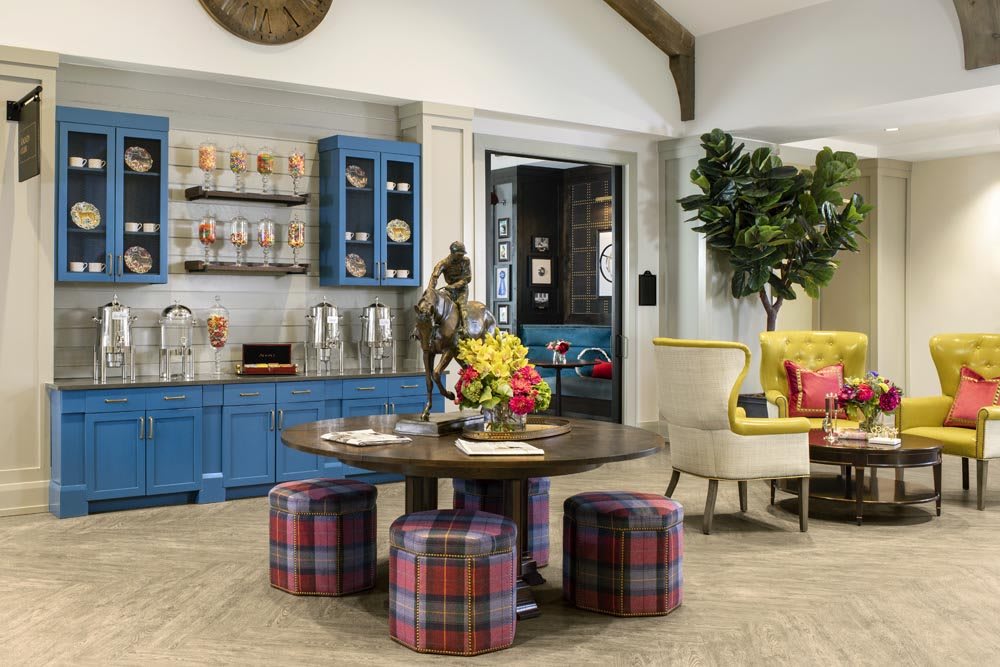
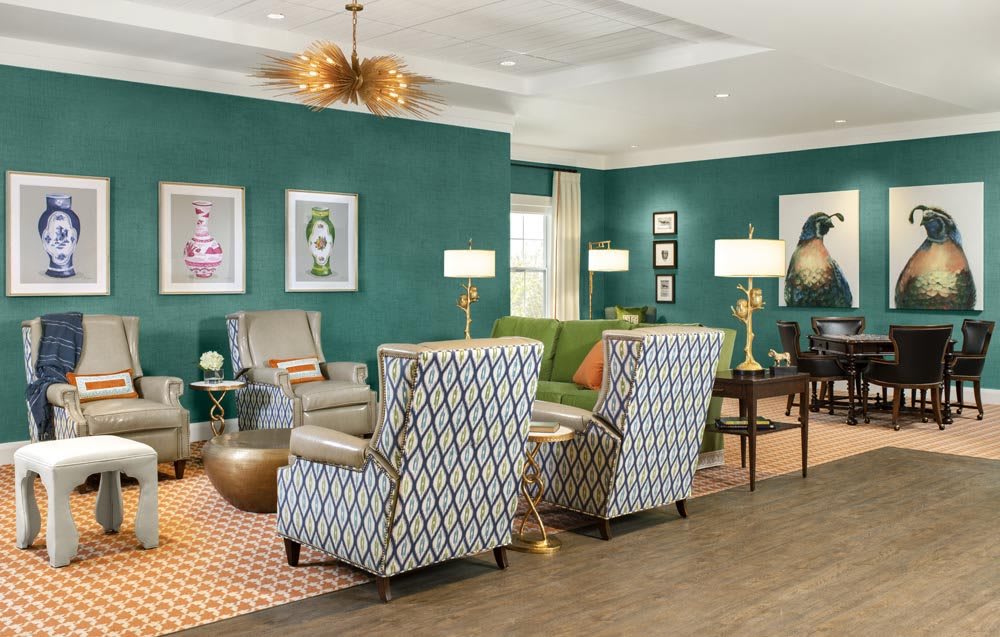
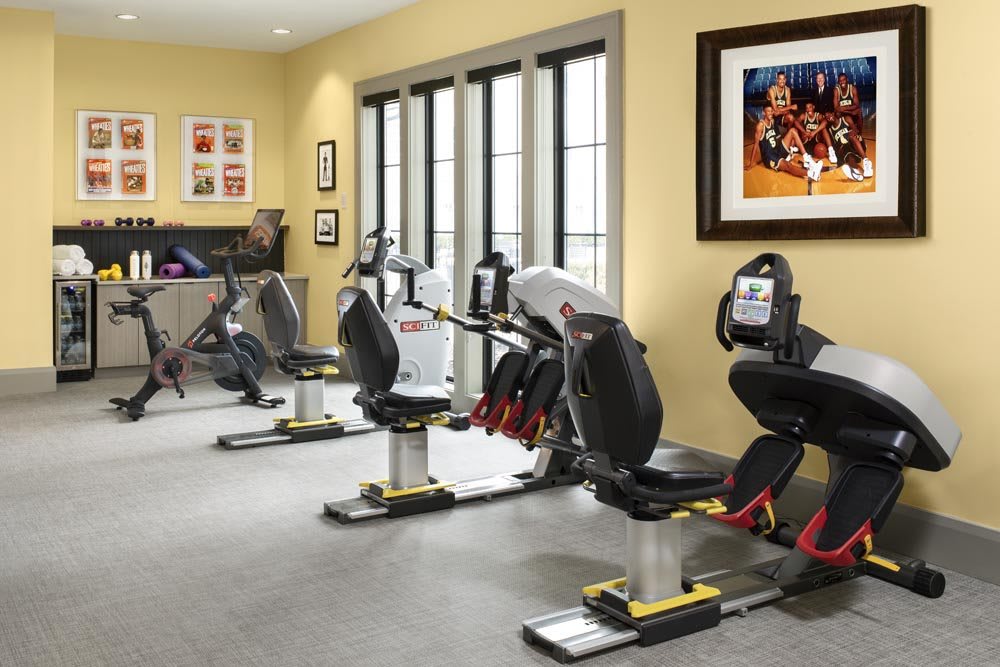
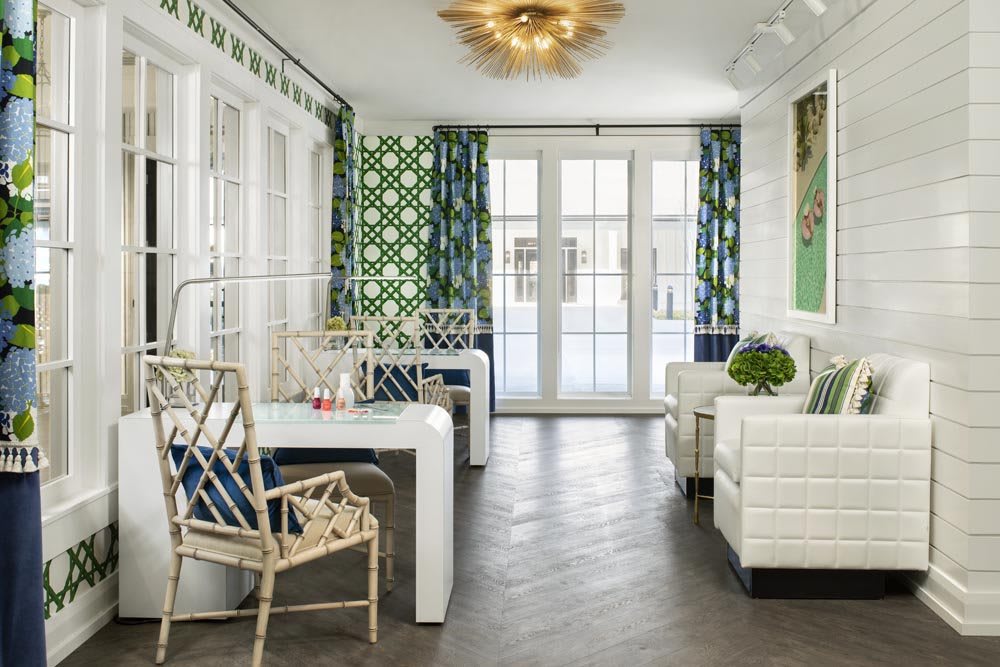
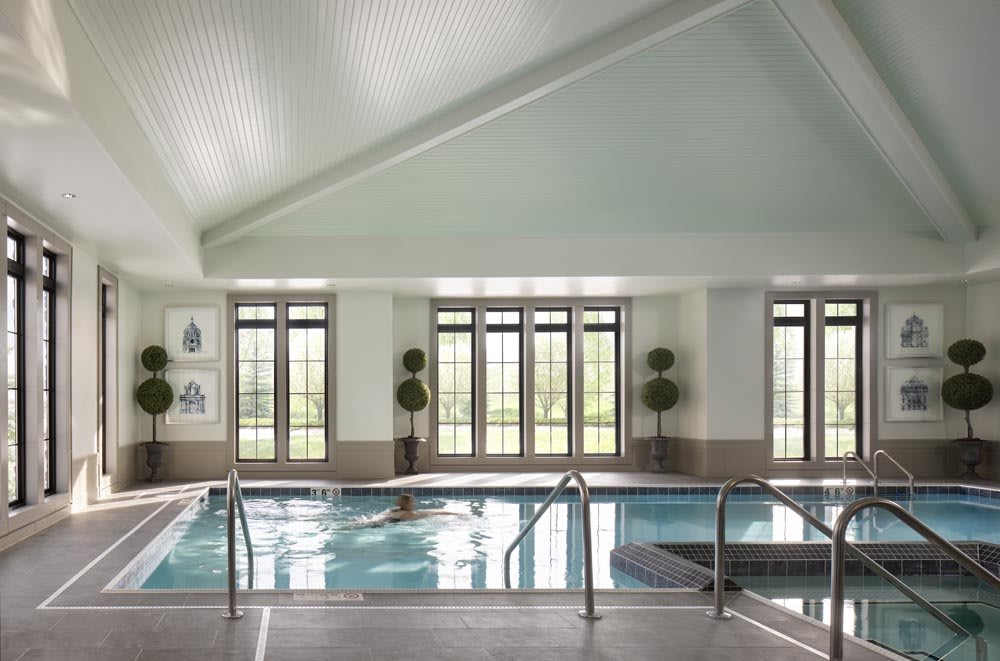
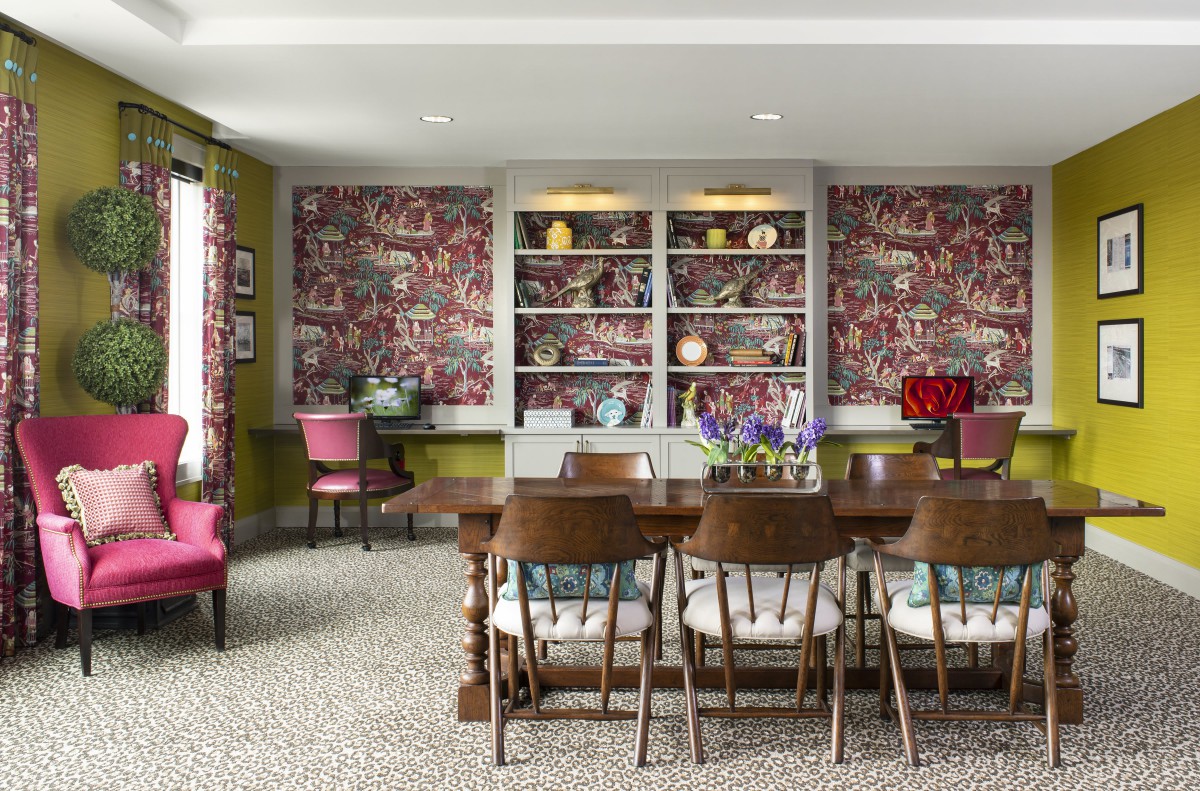
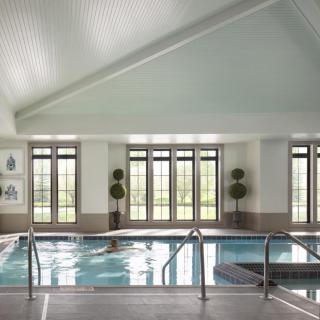
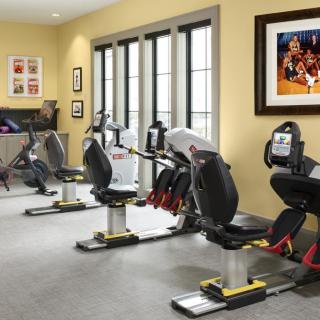
Reviews repeatedly emphasize the physical environment, describing it as clean, well maintained, and visually impressive. Families point to amenities like outdoor courtyards, a swimming pool and hot tub, and workout facilities, while others mention hair salon access and comfortable, well-designed common areas. Residents also describe housekeeping and maintenance responsiveness, including specific praise for cleaning in the dining room.
caveat8 reviews mention this
Staffing and communication can slip
Some reviews report staffing strain that affects responsiveness.
While many reviews are strongly positive, several point to moments where there is not enough help, including difficulty getting assistance after call buttons. A few families also describe communication getting lost, even though issues are described as resolved when raised. Separate reviews mention longer repair timelines and periods when certain amenities were down, like the pool being closed for weeks due to mechanical problems.
caveat6 reviews mention this
Pricing runs above benchmarks
Pricing is described as expensive by some residents and families.
Some reviews explicitly call the community expensive or note an entrance fee, and at least one frames the value as better than expected for the price rather than a low-cost option. Pricing across unit types is also positioned above county and state benchmarks in the listing information provided. Prospective residents may want to compare unit-specific totals carefully, since the reviews that discuss cost are mixed and some focus more on quality than affordability.
How we summarize
Counts show how many written reviews mention each theme; a review can touch several themes, and only frequently mentioned themes are displayed.
Features
Types of Care
Assisted Living
Independent Living
Memory Care
Pets
Cats allowed
Dogs allowed
Amenities
Activities off-site
Activities on-site
Air-conditioning
Bath tubs
Beautician on-site
Cable or satellite TV
Devotional services off-site
Devotional services on-site
Full kitchen
Garden view
Ground floor units
Handicap accessible
Indoor common areas
Kitchenette
Outdoor common areas
Respite or short term stays offered
Swimming pool / hot tub
Wheelchair accessible showers
Wi-Fi/high-speed internet available
Transportation
Detroit Metropolitan-Wayne County (24 miles away)
Care Services
Ambulatory care
Incontinence care
Medication management
Dining
Gluten-free
Guest meals
International cuisine
Low / no sodium
Meals provided
No Sugar
Professional chef
Restaurant style dining
Room service
Special dining programs
Vegetarian
Activities
Art classes
Cooking classes
Day trips and outings
Educational speakers / life long learning
Forever fit
Happy hour
Karaoke
Live dance or theater performances
Live musical performances
Live well programs
Visiting Rabbi
Visiting chaplain or priest
Wine tasting
Videos
Nearby Places of Interest
This area of Ann Arbor, Michigan offers a range of amenities and services that cater to seniors. With multiple parks nearby such as Saginaw Forest and Allmendinger Park, there are plenty of opportunities for outdoor activities and leisurely strolls. Additionally, there are several physicians' offices in close proximity, including Liberty Pediatrics and Greater Ann Arbor Neurology Associates PC, ensuring easy access to medical care. The presence of cafes like Homes Campus and Starbucks provides convenient options for socializing and enjoying a cup of coffee. Various restaurants such as Carlyle Grill and Zingerman's Roadhouse offer diverse dining choices while pharmacies like Rite Aid and CVS Pharmacy are easily accessible for medication needs. Places of worship such as St Paul Lutheran Church are nearby for spiritual support, while hospitals like Saint Joseph Mercy Health System provide healthcare services within a short distance. The transportation hub at Ann Arbor Station further enhances connectivity for seniors looking to explore the city or travel to other destinations. Overall, this area combines convenience, healthcare facilities, recreational opportunities, and community resources to create a comfortable living environment for seniors in Ann Arbor.
Parks
Saginaw Forest (0.3 miles)
Burr Oak Park (1.1 miles)
South Maple Park (1.3 miles)
Fritz Park (2.3 miles)
Allmendinger Park (2.8 miles)
West Park (2.8 miles)
Belize Park (3.1 miles)
Physicians
Liberty Pediatrics (0.8 miles)
Paul William Turke (1.9 miles)
Iha (2 miles)
Ann Arbor Family Care (3 miles)
Greater Ann Arbor Neurology Associates PC (3.1 miles)
See (3.5 miles)
U of M Family Practice - Briarwood Circle (3.5 miles)
Cafes
Homes Campus (0.9 miles)
Panera Bread (1.8 miles)
Starbucks (1.9 miles)
Jefferson Market (2.8 miles)
Starbucks (2.9 miles)
Drip House Coffee Co. (3 miles)
Hyperion Coffee Co. (3.1 miles)
Restaurants
Carlyle Grill (1.1 miles)
Fresh Forage (1.5 miles)
Zingerman's Roadhouse (1.6 miles)
McDonald's (1.6 miles)
Taco Bell (1.6 miles)
HOMES Brewery (1.7 miles)
Burger King (1.8 miles)
Pharmacies
Rite Aid (1.5 miles)
Walgreens (1.6 miles)
CVS Pharmacy (1.7 miles)
CVS Pharmacy (1.9 miles)
CVS Pharmacy (2.7 miles)
Meijer Pharmacy (3 miles)
Meijer Pharmacy (3 miles)
Places of Worship
St Paul Lutheran Church (2.9 miles)
Grace Ann Arbor Church (4.1 miles)
Hospitals
Saint Joseph Mercy Health System (3.5 miles)
UofM Hospital 7C (4.1 miles)
University Of Michigan Main Hospital - Dock 5 (4.2 miles)
University of Michigan Hospitals (4.2 miles)
6th Floor Rehabilitation Center (4.2 miles)
University of Michigan Von Voigtlander Women's Hospital (4.2 miles)
Balfour Ann Arbor offers a range of premium living options that reflect its commitment to quality and service, with pricing structured to accommodate various preferences. For instance, a one-bedroom apartment at Balfour is priced at $4,500 per month, which is notably higher than both the Washtenaw County average of $3,868 and the state average of $3,384. Similarly, the studio units are positioned at $6,800, significantly surpassing local ($4,158) and statewide ($3,824) costs. The two-bedroom apartments are also indicative of this trend, with a price tag of $7,400 compared to Washtenaw County's average of $4,984 and Michigan's average of $3,523. These figures suggest that while Balfour Ann Arbor commands a premium in the market, it likely compensates with superior amenities and services tailored for residents seeking an elevated lifestyle experience.
Balfour Ann Arbor's medication management ensures that residents receive the correct dosages at the appropriate times, which is crucial for maintaining their overall health and stability in a memory care environment. This systematic approach minimizes the risk of confusion or missed doses, thereby improving adherence to prescribed treatments essential for managing cognitive decline. Incontinence care further supports residents by addressing a common challenge associated with dementia and Alzheimer's disease, allowing for dignity and comfort throughout daily activities. By providing tailored assistance in both areas, Balfour Ann Arbor fosters an environment where individuals can feel secure and focused on their well-being, ultimately enhancing their quality of life.
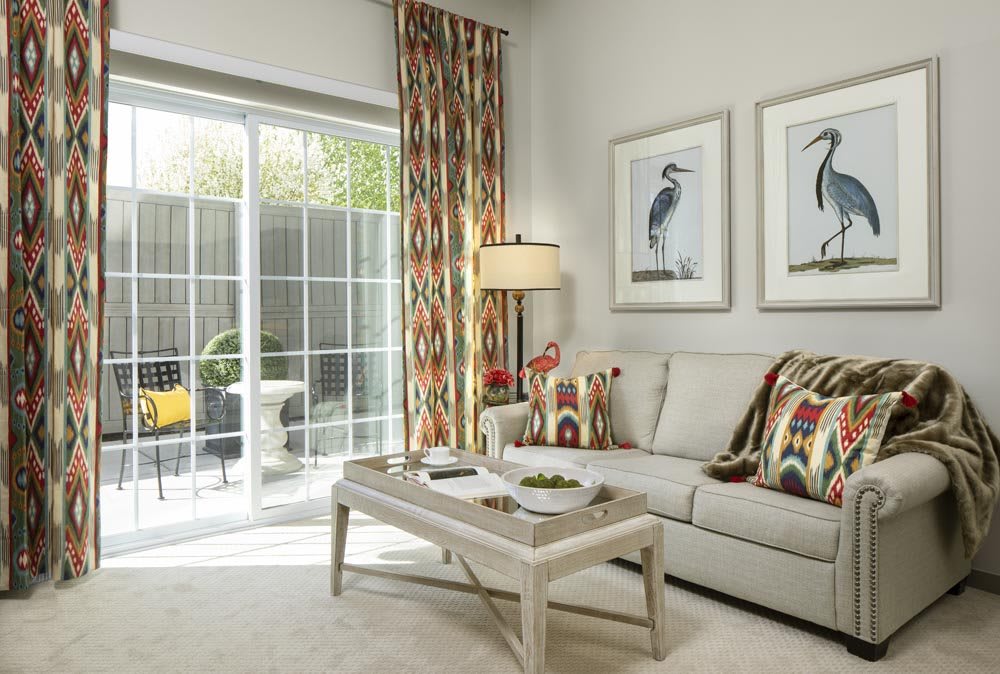
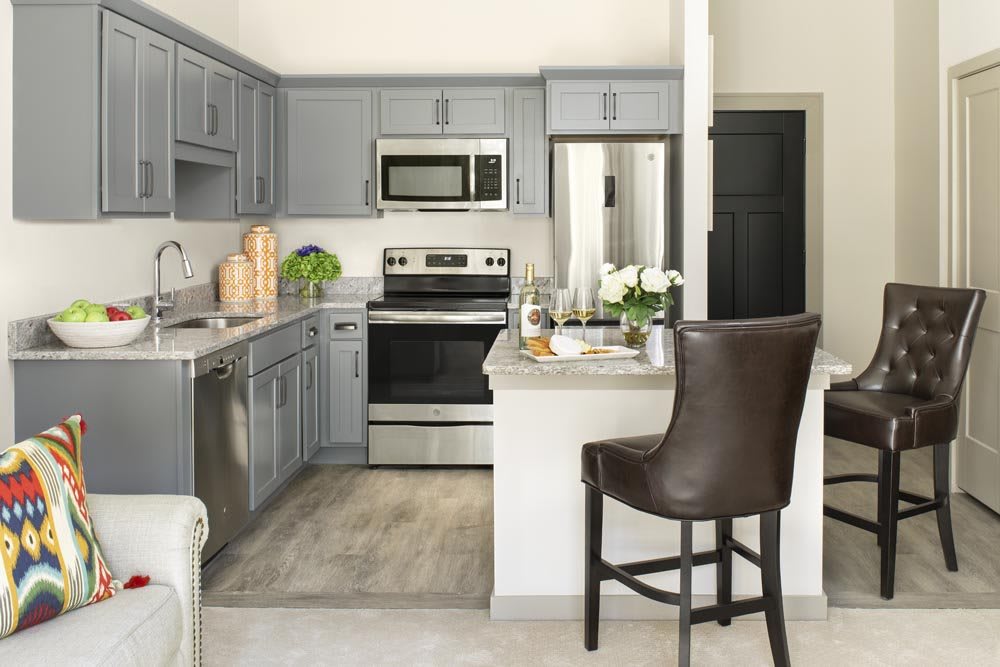
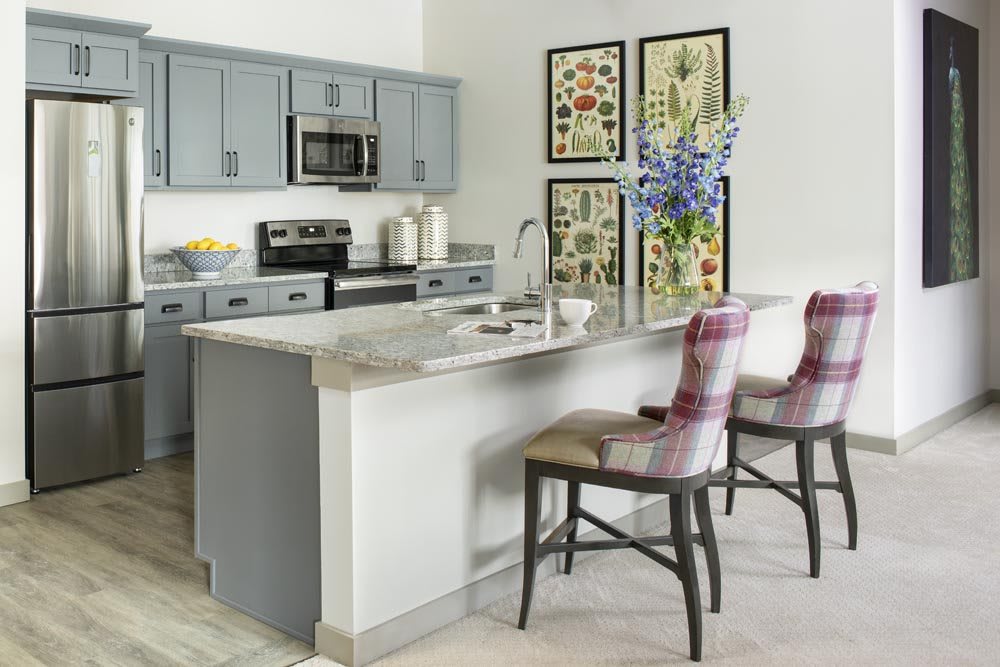
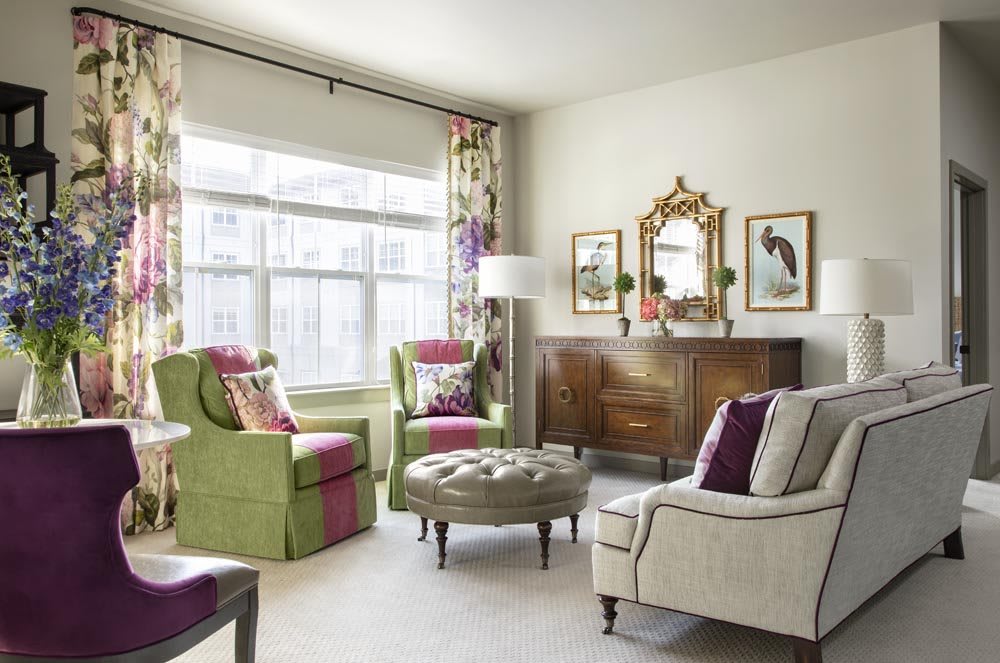
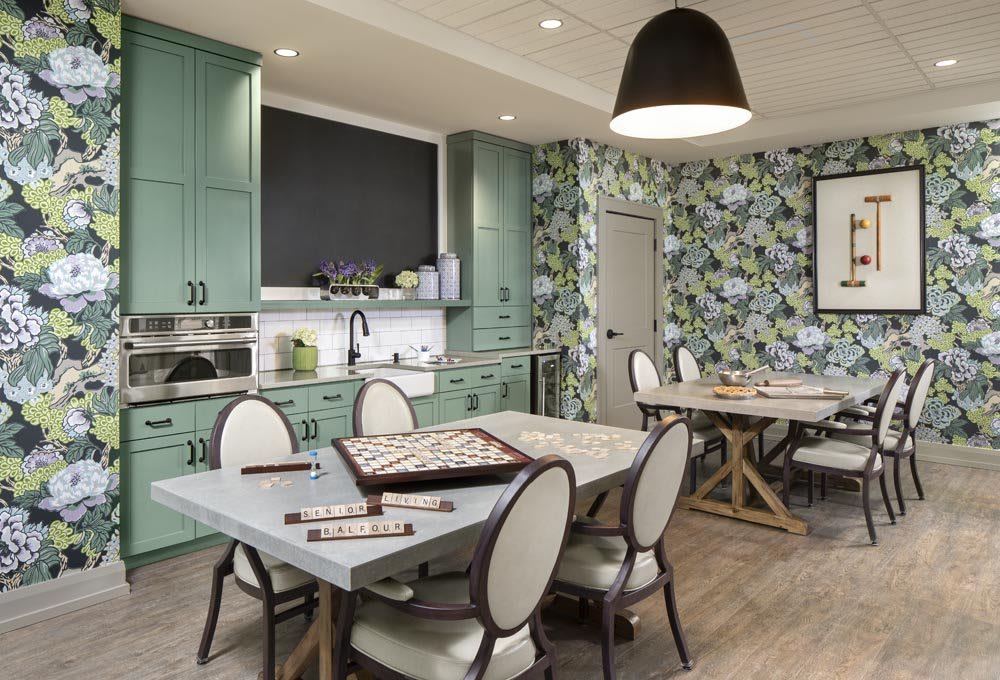
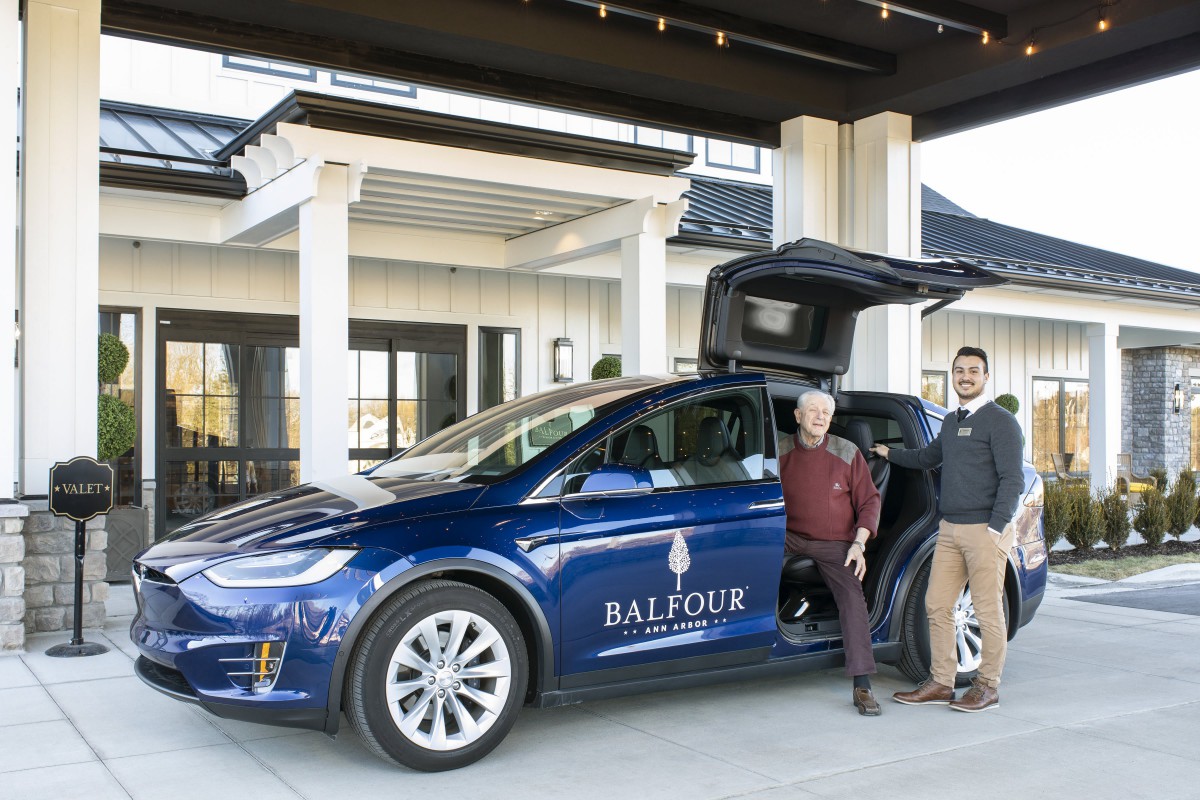
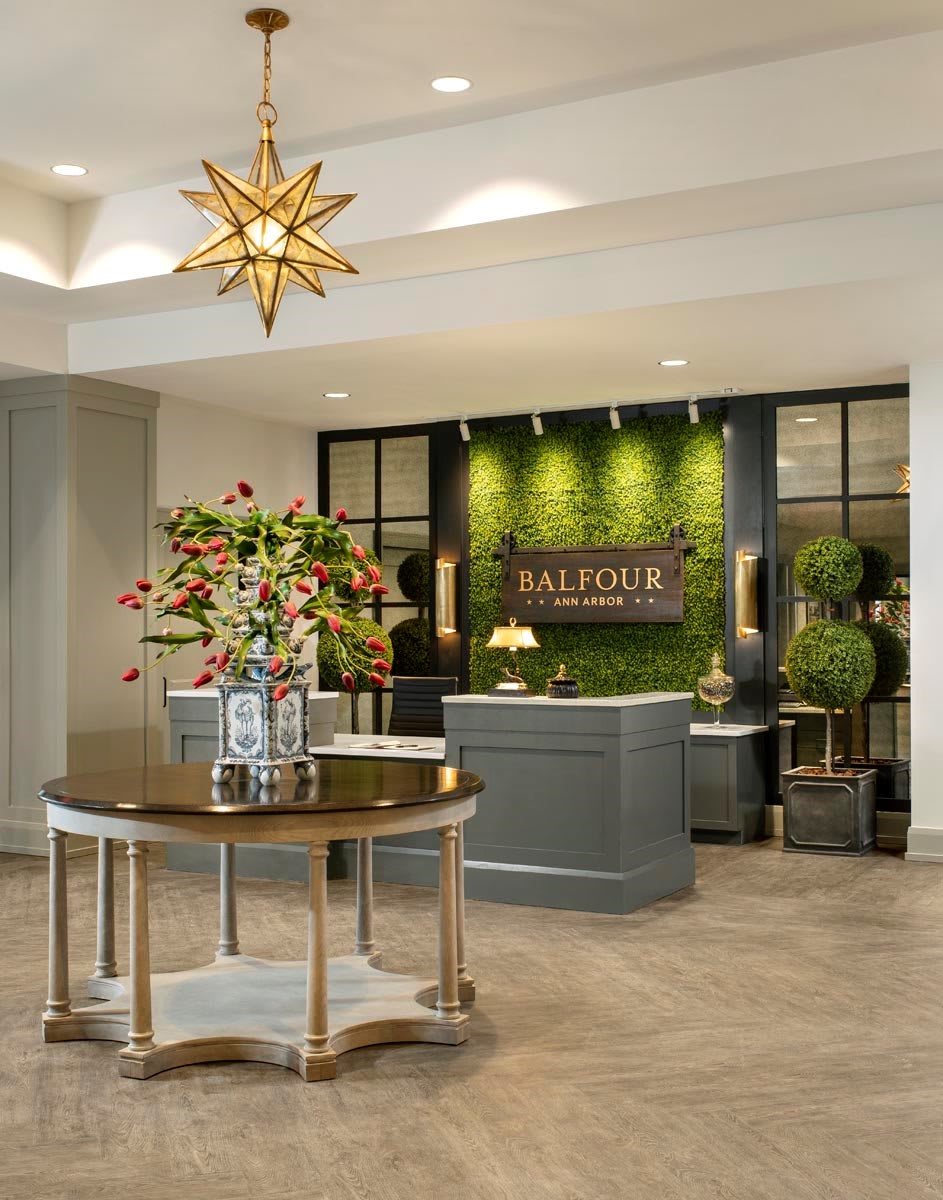
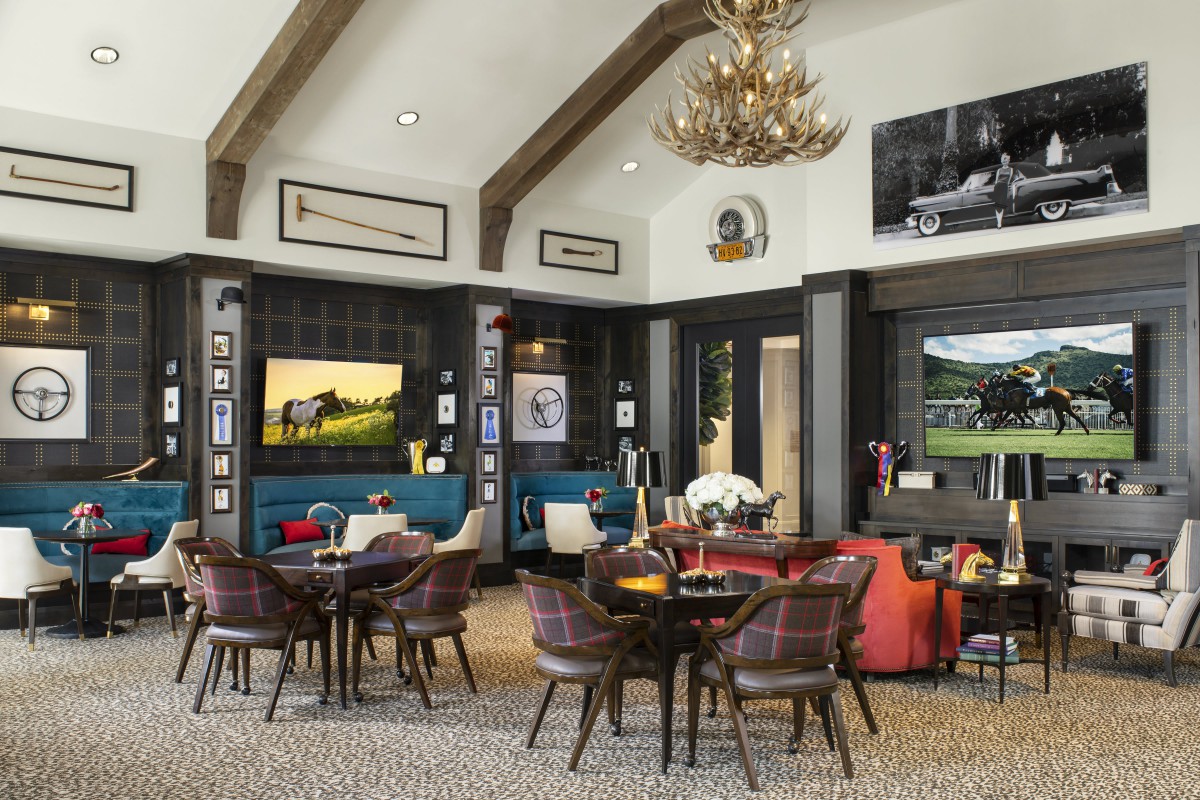
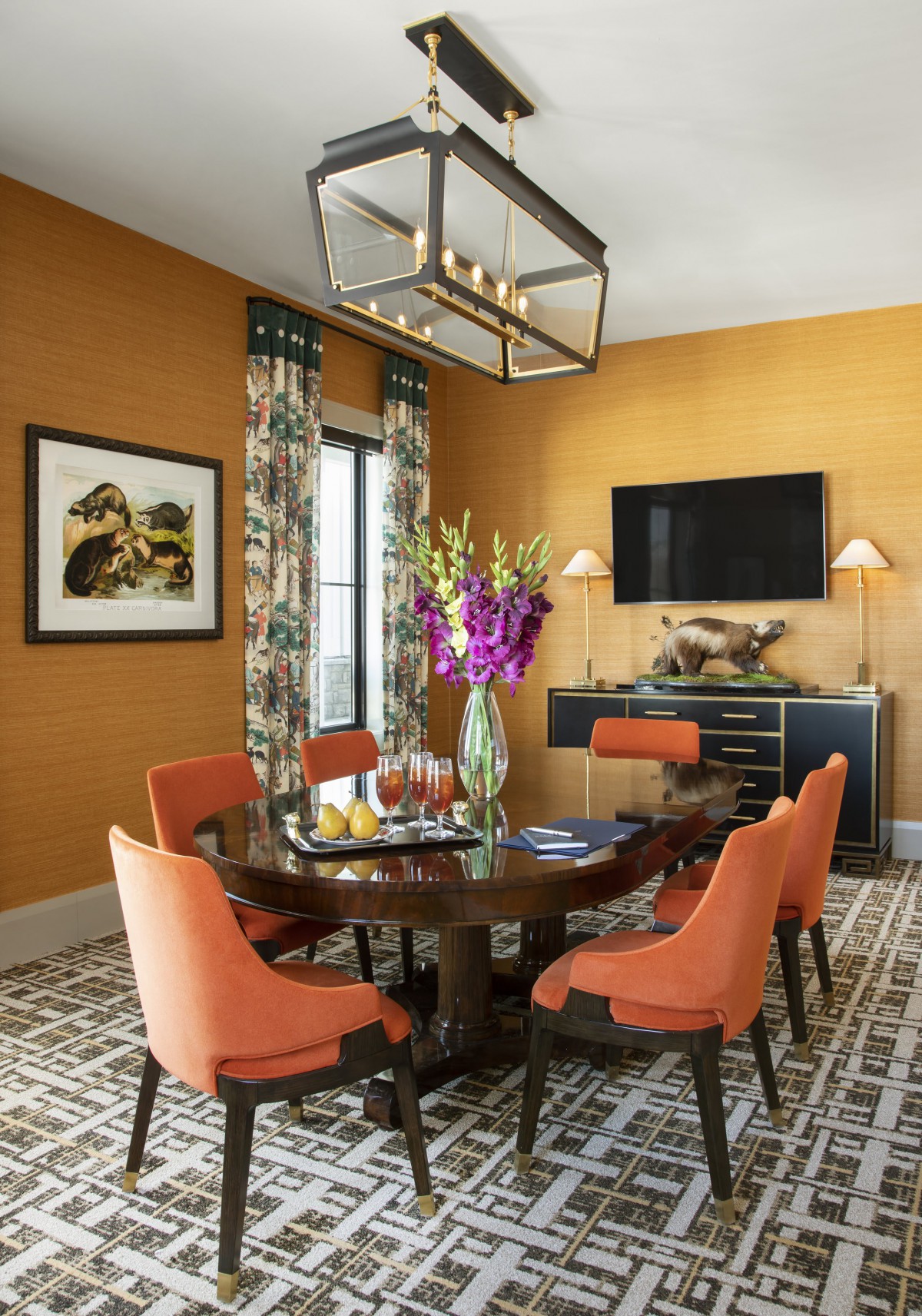
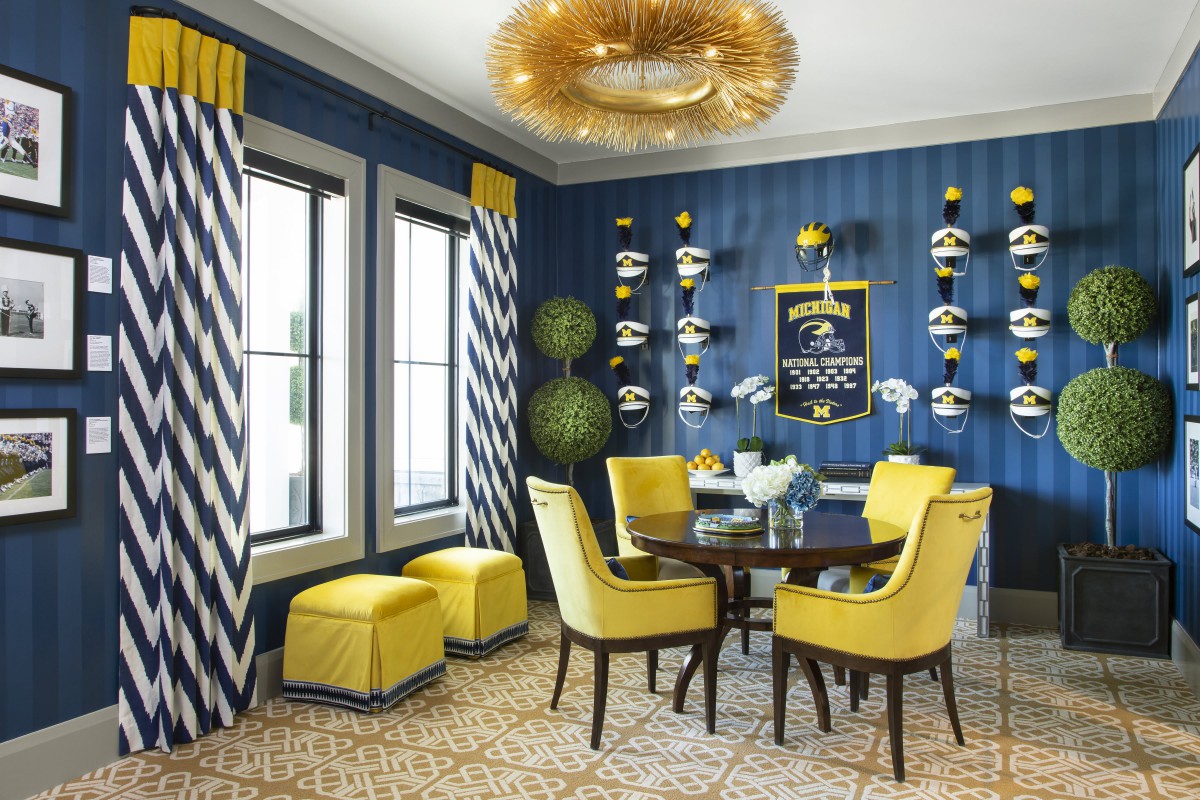
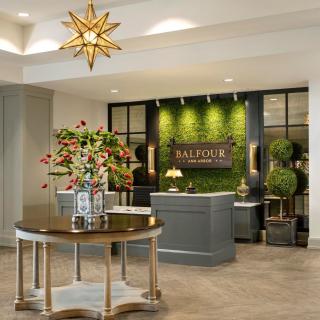
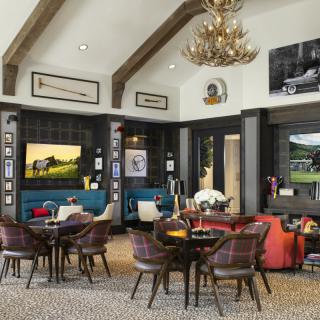
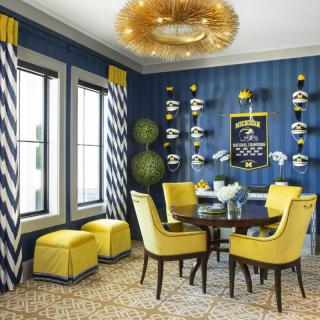
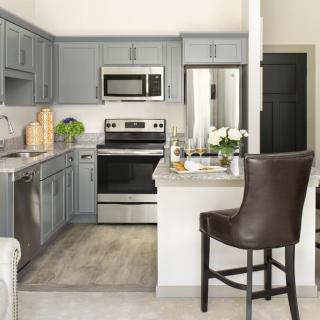
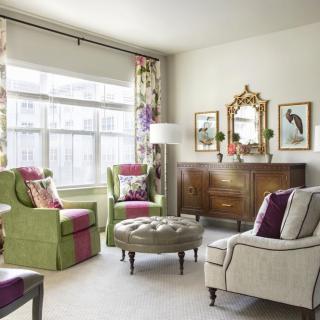
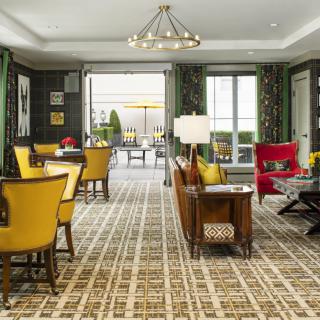
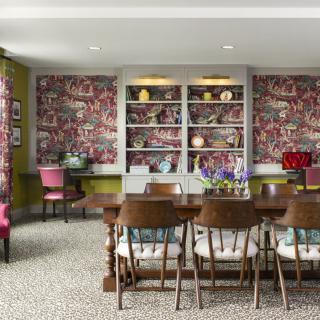
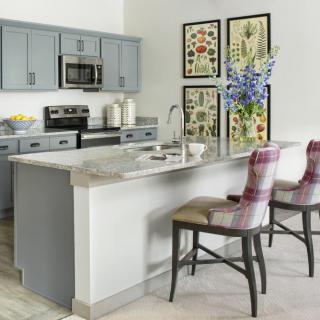
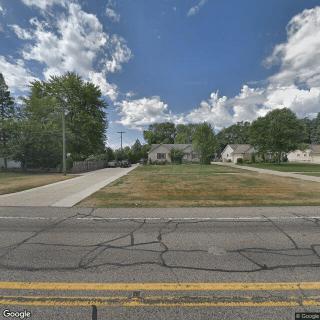
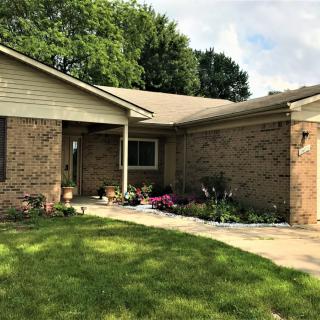
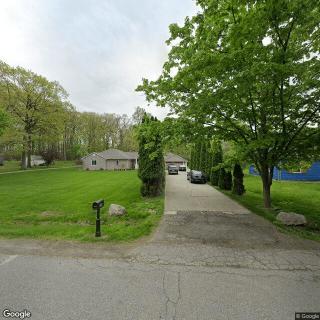
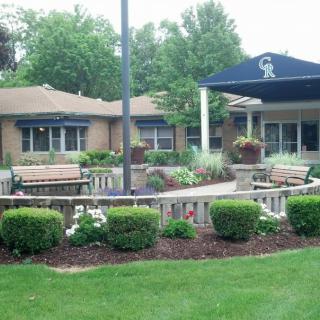
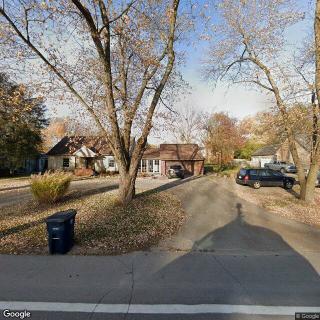
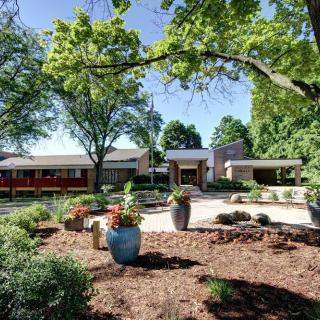
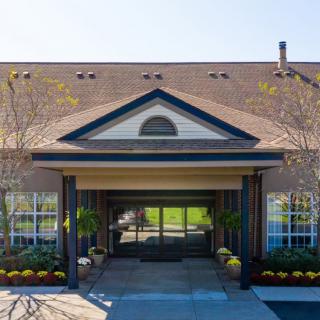
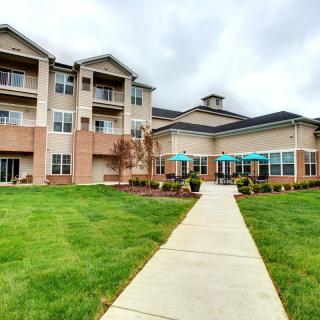
Balfour Ann Arbor on seniors.fyi includes 38 photos including images showing floor plan, interior, architecture, decor, dining, living room, home design, kitchen, and more.
Nearby Communities
Preferred Providers
Ann Arbor, MI
Excellent access to dining, parks, healthcare, and transportation.
Birchwood Gardens
Ann Arbor, MI
3.5 from 8 reviews
$2,000 / month
Caring staff in a peaceful, home-like setting with attractive grounds.
Birchwood Living
Ann Arbor, MI
4.1 from 24 reviews
$2,000 / month
Caring, attentive staff in a clean, homelike setting with regular family updates.
Rutledge Manor
Ann Arbor, MI
Prime location with easy access to cafes, parks, healthcare, and dining.
Cherrywood
Ann Arbor, MI
Comprehensive care with 24/7 supervision and robust amenities.
Burwood House
Ann Arbor, MI
Comprehensive care with 24/7 supervision, health care coordination, meals, and daily activities.
Hillside Terrace Retirement
Ann Arbor, MI
4.3 from 54 reviews
$1,500 to $4,500 / month
Warm, family?owned community with friendly staff and engaging activities.
Brookhaven Manor
Ann Arbor, MI
4.5 from 66 reviews
$2,900 to $4,100 / month
Strong sense of community with friendly staff, engaging activities, and convenient access to downtown Ann Arbor.
StoryPoint Saline
Saline, MI
4.7 from 246 reviews
$3,484 to $5,575 / month
Compassionate staff, engaging activities, and high-quality dining create a warm, home-like community.
Assisted living provides moderate support for seniors seeking independence, while memory care offers specialized support for individuals with dementia or cognitive impairments through structured routines and trained staff. Key differences include care approaches, environment security measures, staff training levels, activity types, and cost considerations.
Choosing between assisted living and nursing homes involves evaluating emotional and financial factors, with assisted living offering independence and support for daily activities at a lower cost, while nursing homes provide intensive medical care for individuals with significant health needs. The decision is influenced by personal preferences, health status, cognitive function, and varying Medicaid coverage across states.
The article presents eight strategies for preserving cognitive health and memory in older adults, emphasizing a nutrient-rich diet, regular exercise, intellectually stimulating activities, adequate sleep, social connections, stress management techniques, limiting harmful substances, and regular medical checkups to mitigate age-related memory decline.
Get PricingAsk A QuestionSchedule A TourContact Senior Advisor
By clicking submit, you agree to our Partner's Terms of Use. You
also consent to receive calls and texts, which may be autodialed, from our Partner. Your consent is not a condition to
using our Partner's service. Please visit our Partner's Privacy Policy for information about their privacy practices.


 Assisted Living
 Independent Living
 Memory Care
 Cats allowed
 Dogs allowed
 Activities off-site
 Air-conditioning
 Bath tubs
 Beautician on-site
 Cable or satellite TV
 Devotional services off-site
 Full kitchen
 Garden view
 Ground floor units
 Handicap accessible
 Indoor common areas
 Outdoor common areas
 Respite or short term stays offered
 Swimming pool / hot tub
 Wheelchair accessible showers
 Wi-Fi/high-speed internet available
 Detroit Metropolitan-Wayne County (24 miles away)
 Ambulatory care
 Incontinence care
 Medication management
 Gluten-free
 Art classes
 Cooking classes
 Day trips and outings
 Educational speakers / life long learning
 Forever fit
 Happy hour
 Karaoke
 Live dance or theater performances
 Live musical performances
 Live well programs
 Visiting Rabbi
 Visiting chaplain or priest
 Wine tasting
 Excellent access to dining, parks, healthcare, and transportation.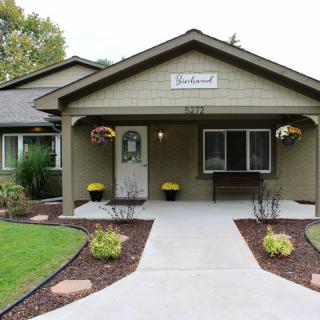

 Assisted Living and Memory Care: Understanding Their Core Differences
 Choosing the Right Senior Care: A Detailed Exploration of Assisted Living and Nursing Homes
 Safeguarding Your Memory Through the Golden Years: Eight Ways to Preserve Cognitive Health