

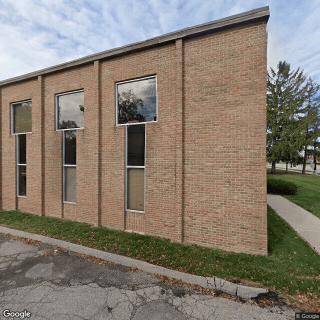
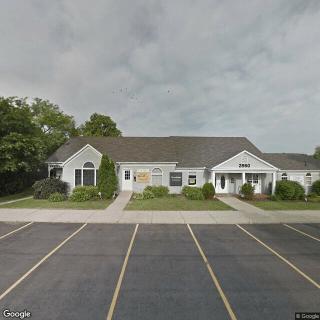
2035 Hogback Road, Suite 206, Ann Arbor, MI 48105
To contact a resident: (734) 548-8647
For more information about senior living options: (866) 208-4318
Overall Review of Friends of the Family Home Health - Ann Arbor, MI
Pros
 Friends of the Family Home Health Care is amazing.
- They are compassionate, professional, and truly caring—they treat loved ones like family.
- They provide peace of mind, excellent care, and kindness every step of the way.
- They come highly recommended.
- The nurse who came out was prompt, polite, kind, and respectful.
Review
This community is best suited for families seeking high-quality in-home health care that allows a loved one to stay in familiar surroundings while receiving professional, compassionate support. The reviews consistently highlight a team that feels like family, care that goes beyond routine tasks to provide genuine kindness, personalized attention, and a sense of safety. The emphasis on peace of mind and humane, respectful care makes it clear that this option excels for seniors who value dignity, continuity, and rapid access to skilled input when health concerns arise. For families who prioritize a home-based model with the reassurance that a nurse can be dispatched promptly and maintain a strong, caring rapport with their loved one, this provider stands out as a top choice.
Not everyone will find this model optimal, and alternatives should be considered when the goal shifts toward highly structured, facility-based living with built-in social programming, around-the-clock supervision, or specialized memory-care environments. If the priority is a setting with constant on-site staffing, integrated activities, or more comprehensive oversight that comes with an assisted living or skilled nursing facility, then a campus-based option may deliver the daily rhythm and social engagement some seniors require. Families facing complex, continuous medical needs or those who anticipate requiring 24/7 supervision may want to explore facilities designed for that level of intensity. In short, the home-health approach shines for independence-preserving care, while more institutional arrangements shine for constant, around-the-clock supervision and community life.
The strongest pros revolve around speed, clinical judgment, and human warmth. Quick response times and professional staffing translate into real peace of mind during urgent moments, as illustrated by experiences where a nurse’s on-site visit yielded practical, life-preserving recommendations. The consistent identification of compassionate, polite, and respectful caregivers underpins a trusting relationship between clinicians and families, and the “like family” treatment reduces the emotional burden that often accompanies caregiving. These elements, competence paired with kindness and reliability, help offset concerns about not living in a full-time care setting, since families can rely on timely expertise and ongoing, personalized care plans without sacrificing the comfort of home.
Yet the in-home model has natural limits that deserve acknowledgment in decision-making conversations. The reviews do not describe around-the-clock, on-premise staffing, nor do they address the full scope of day-to-day social and recreational programming that a campus setting would typically provide. Families should verify scheduling flexibility, weekend and holiday coverage, and contingency plans if a nurse is temporarily unavailable. It is prudent to confirm how care coordination works with physicians, how plans of care are updated, and how the agency handles transitions if the care needs intensify. While the character and caliber of the staff are consistently strong, understanding the operational boundaries of home health is essential to avoid misaligned expectations.
To make a well-informed choice, prospective clients should equip themselves with precise questions about care delivery in this model. Inquire about typical visit frequency, maximum hours of coverage, and how care is escalated during emergencies. Ask about nurse-to-patient ratios, the process for introducing new caregivers to the same loved one, and how the provider integrates with hospital or primary-care teams. Clarify whether non-clinical supports, such as assistance with daily living tasks or transportation coordination, are available, and what the budgeting framework looks like for long-term scenarios. Most critically, probe the plan for continuity of care and the mechanisms that ensure steady, compassionate contact even when staffing shifts occur.
In the end, this home-health option delivers a compelling value proposition for families who prize rapid access to skilled nursing, heartfelt connection, and the ability to preserve familiar routines at home. The combination of compassionate professionals, concrete clinical insight, and a genuinely family-like approach creates a foundation of trust that many families crave when a loved one needs ongoing support. For those whose priorities align with home-based care, the positives substantially offset the lack of a campus atmosphere and the informal social ecosystem that a traditional assisted living community provides. The decision hinges on whether the comfort and dignity of home, backed by responsive clinical judgment, meet the care goals best, while acknowledging that for some situations, a more structured, community-based setting may ultimately be the more suitable environment.
 Detroit Metropolitan-Wayne County (17 miles away)





 Caring for Those Who Care: Recognizing, Understanding, and Overcoming Caregiver Burnout
 Caregiver Exhaustion: Recognizing the Signs and Restoring Your Well-Being
 Understanding Hospice Care at Home: Comprehensive Services, Key Benefits, and Eligibility